
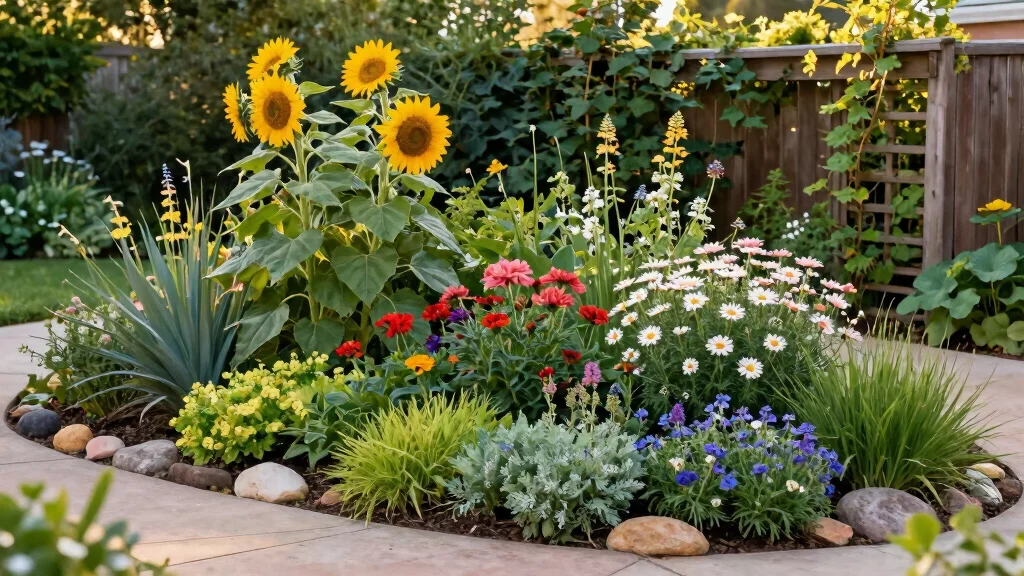
Creating a beautiful front yard is more than just planting flowers; it’s about expressing your personality and enhancing your home’s curb appeal. If you’re diving into gardening, you might feel overwhelmed with choices and design ideas. That’s why I pulled together this list of 17 front yard garden bed ideas that celebrate lush, layered beauty and help you make the most of your outdoor space.
If you’re a gardening enthusiast, a homeowner looking to upgrade your landscape design, or someone seeking ways to increase your home’s curb appeal, this post is for you. You’ll discover diverse garden bed layouts that cater to various aesthetics and practical needs. From vibrant seasonal flowers to layered perennial plants, these ideas will inspire you to create a front yard that welcomes you home every day.
In this guide, you’ll find practical and eye-catching designs that are easy to implement and maintain. Whether you’re aiming for a modern minimalist vibe or a rustic cottage feel, there’s something here for everyone. Get ready to transform your front yard into a lush oasis that reflects your style and enhances your space!
Key Takeaways
– Diverse Designs: Explore 17 unique front yard garden bed ideas, from vertical trellises to butterfly gardens, each offering a distinct look and feel.
– Layered Beauty: Learn how to layer perennial plants and seasonal flowers for a stunning, year-round display that adds depth and interest.
– Curb Appeal Benefits: Discover how well-planned garden beds can significantly boost your home’s curb appeal and create a welcoming environment.
– Practical Tips: Find actionable advice for choosing the right plants and arrangements based on your climate, space, and personal style.
– Sustainable Options: Consider incorporating edible plants and pollinator-friendly designs, creating beauty while also supporting local ecosystems.
1. Vertical Garden Trellis
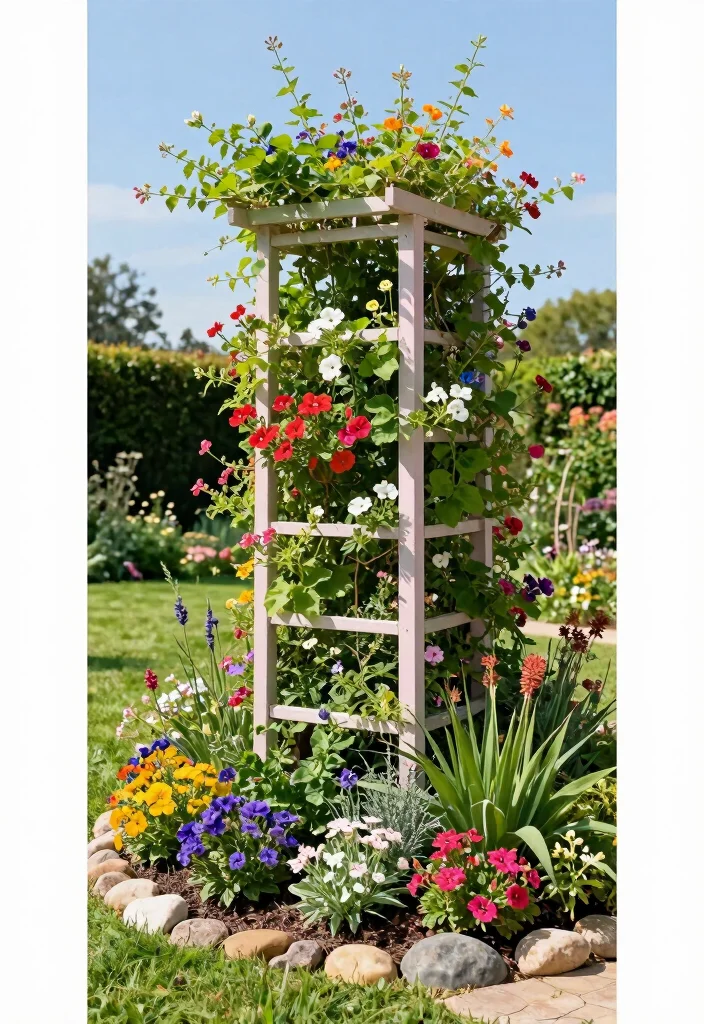
Looking to elevate your front yard? A vertical garden trellis is a fantastic way to save space while adding stunning visual interest. Perfect for climbing plants like sweet peas, morning glories, and even edible varieties like cucumbers, this design transforms an ordinary garden bed into a vibrant display of color and life.
Consider painting your trellis in a shade that complements your home for added curb appeal. You might also mix seasonal flowers at the base for that extra pop of color, choosing perennial climbers so your vertical garden stays lush year-round.
Key elements for your vertical garden:
– Use a sturdy wooden trellis for support.
– Select climbing plants like sweet peas or clematis.
– Arrange taller plants strategically at the back for an appealing cascade.
This approach not only maximizes your growing space but also creates a stunning focal point that draws the eye and enlivens your yard.

[Damage-Free Lean-to Design] This professional-grade Leaning Garden Trellis features a smart no-drill design that rests securely against any exterior wall, fence, or garage. No screws or drilling required, protecting your home’s siding while providing a heavy-duty Plant Trellis for a stunning vertical floral display.

【Rust-Resistant Material】: Cucumber trellis is constructed with high-quality galvanized steel inner pipes and an exterior plastic coating, forming a dual-layer rust-proof barrier to ensure long-lasting durability

PRODUCT SIZE - Trellis netting 5Ft *15 Ft, 3.5 inch square mesh, easily cut to desired size to use. Important note: The trellis netting comes in a vacuum sealed bag.
2. Raised Flower Bed Borders
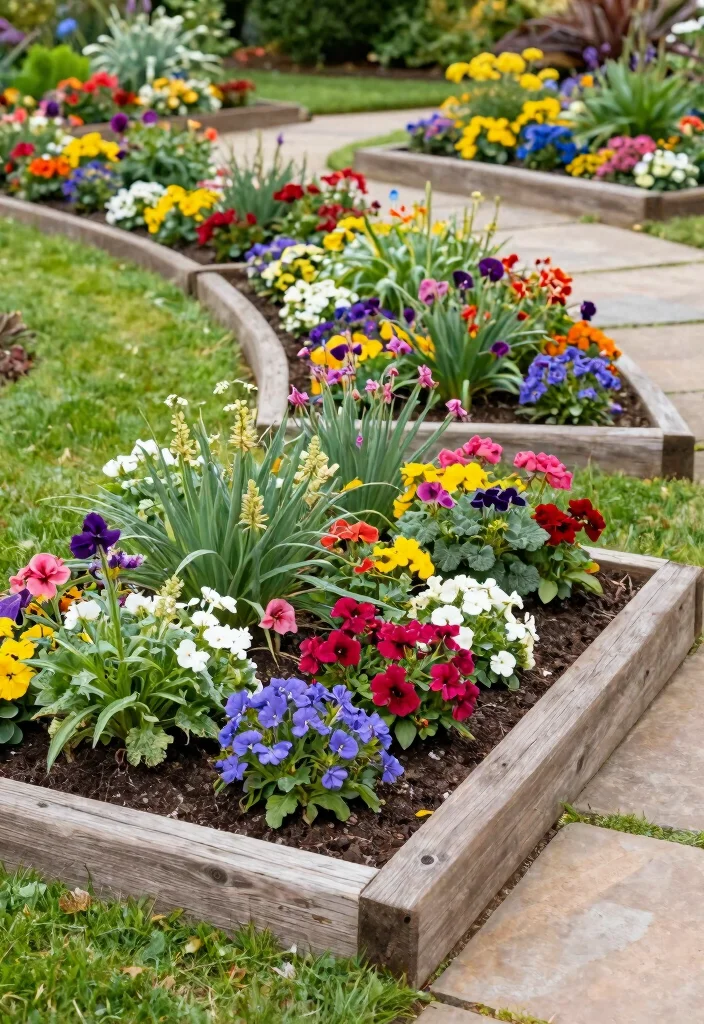
Want to add structure and elegance to your front yard? Raised flower bed borders can redefine your garden space beautifully. Using materials like timber, stone, or bricks, these borders create defined areas that are easier to manage and aesthetically pleasing.
With raised beds, you can tailor soil types to suit each plant’s needs, ensuring vibrant growth. Layer your plants by height, placing taller perennials like hollyhocks in the back and shorter flowers like marigolds in the front for a lush, layered look.
Steps to create raised flower bed borders:
– Choose timber or stones for construction.
– Plant hollyhocks and marigolds for visual appeal.
– Ensure beds are at least 12 inches high for drainage.
This simple addition can dramatically enhance the beauty and functionality of your front yard.

Vibrant Colors: Create a stunning garden display with these perennial rose seeds that bloom in a variety of beautiful hues, adding rich visual interest to your outdoor space


3. Layered Perennial Planting
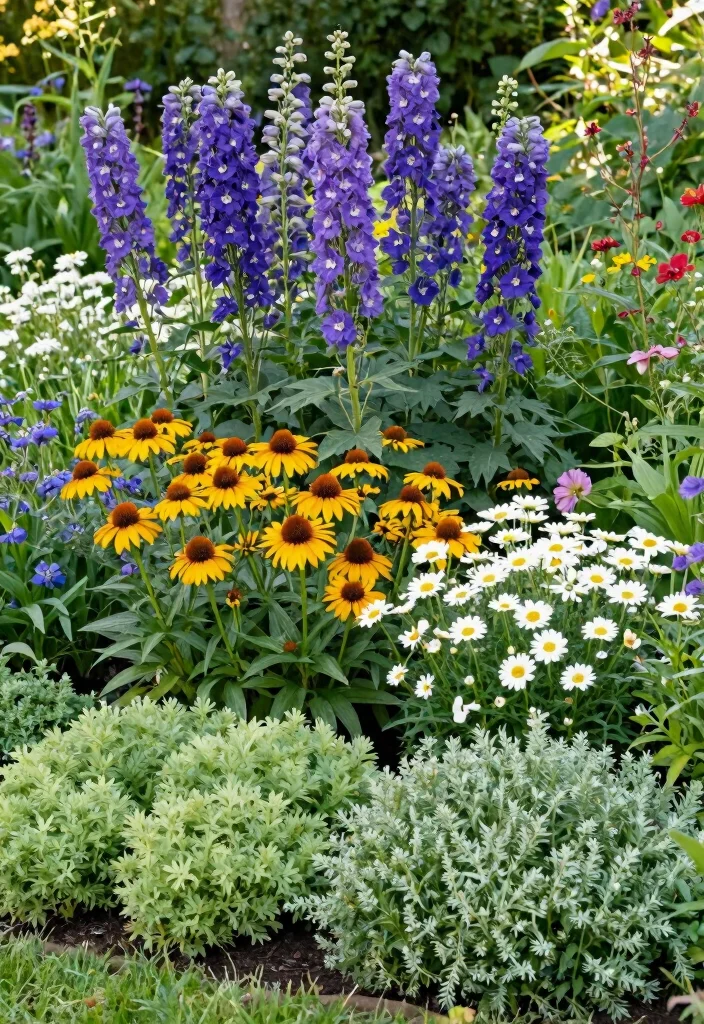
Achieving a layered look in your garden bed is all about selecting the right perennials. These plants, returning year after year, provide structure and ongoing blooms with minimal effort. The beauty of layering is in the variety of colors and textures you can create.
Start with taller plants like delphiniums or phlox at the back, followed by medium-height varieties such as coneflowers and daisies in the middle, and low-growing options like sedums or creeping thyme at the front. This arrangement ensures that your garden remains vibrant throughout the growing season.
To create a stunning layered planting:
– Incorporate delphiniums and phlox for height.
– Mix in coneflowers and daisies for mid-level interest.
– Use sedums or creeping thyme at the front for lush coverage.
Your garden bed will evolve beautifully with the seasons, offering both aesthetic appeal and resilience.

【Rustproof Metal – Weather-Resistant for All Seasons】 Made from rust resistant galvanized steel with a durable black coating, this corrugated metal landscape edging stands up to rain, sun, snow, and extreme temperatures. Perfect for long-term outdoor landscaping in any climate.

【Our animal barrier fence is not suitable for blocking large animals or pets.【

20ft L & 5.1" Exposed Height - This garden edging has a total height of 6.73", with 5.1" exposed above the ground after installation. The added height is specifically designed for better protection of your cherished plants, keeping them safe and secure while enhancing the visual appeal of your garden.
4. Edible Flower Beds
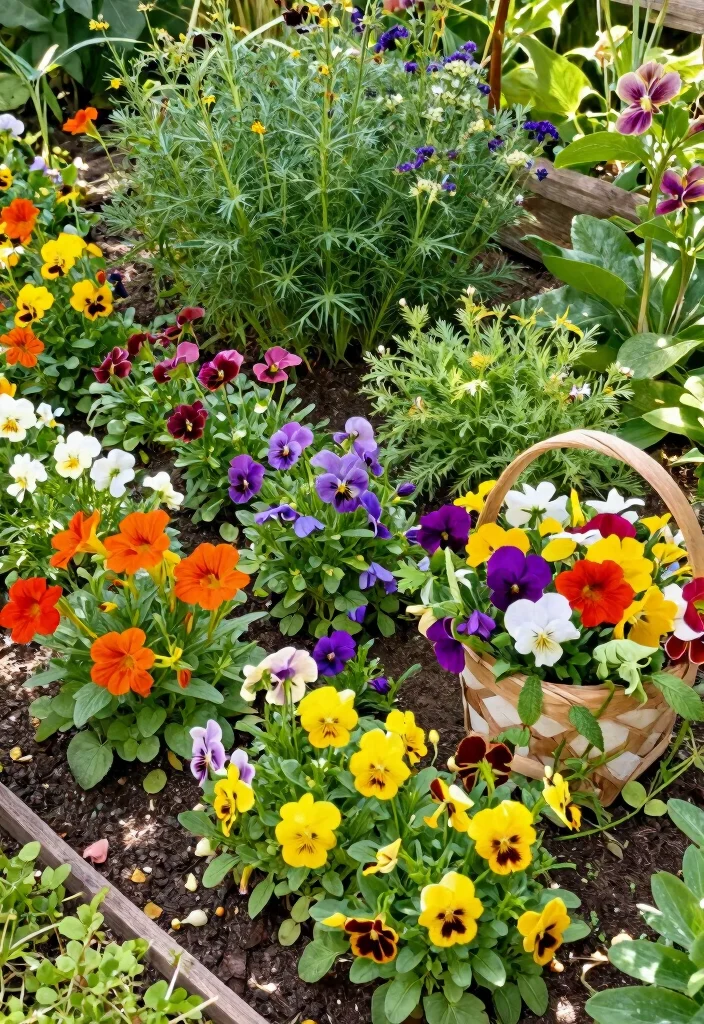
Transform your front yard into a delightful edible garden filled with beautiful, edible flowers. Not only do these flowers look amazing, but they also add a unique culinary twist to your meals. Varieties like nasturtiums, pansies, and calendula can enhance your dishes with their flavors and colors.
Creating an edible flower bed allows you to enjoy new tastes while boosting your garden’s visual appeal. Pair these flowers with vegetables or herbs for an intriguing and functional mix that delights the senses.
Key components for your edible flower bed:
– Choose nasturtiums and pansies for vibrant colors.
– Mix in herbs like basil and chives for added flavor.
– Group plants together for easy access when cooking.
Embrace the beauty of edible gardening and enjoy a whimsical touch in your front yard!

SUPER VALUE PACK - 50pcs multicolored butterfly stakes, 3.5" in width, with 10" long bendable metal stakes, flexible and suitable for various occasions.

► RELIABLE QUALITY - Large Butterfly Width: 9.5in, Stake length:15.75in,Pack of 4,assorted color.

Dual-size design: Exquisitely paired 4.5cm and 8cm butterflies create a layered, dynamic garden scene
5. Seasonal Flower Rotations
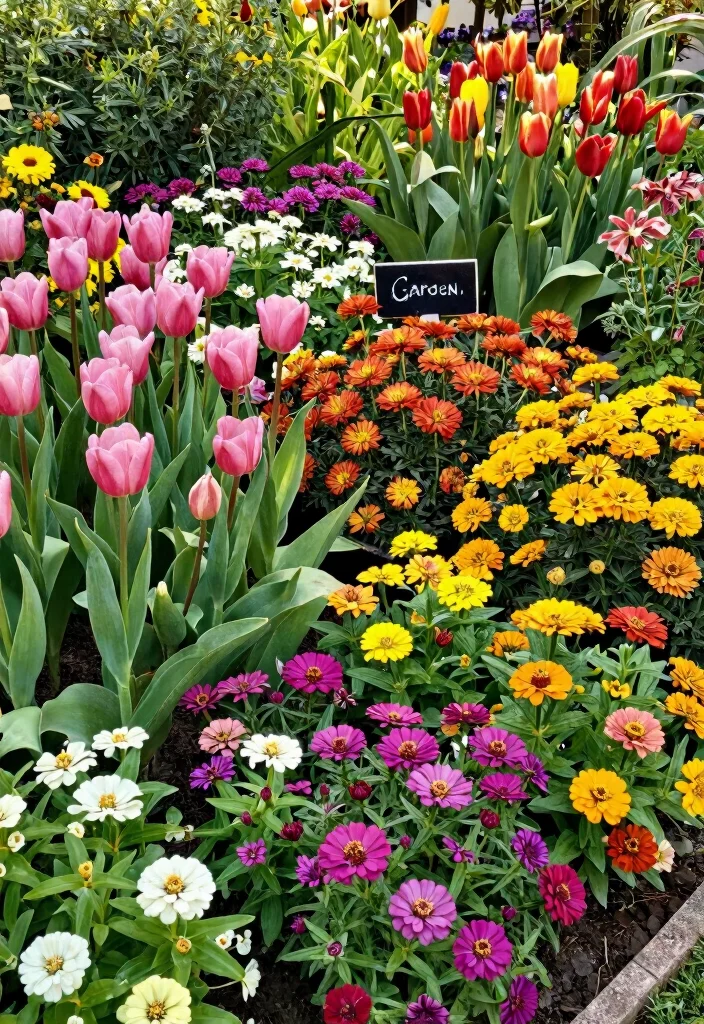
Celebrate the beauty of changing seasons with a garden bed designed for flower rotations. By carefully selecting your flowers based on the seasons, you can keep your front yard bursting with color all year long. Spring blooms like tulips and daffodils can transition into vibrant summer zinnias, followed by stunning autumn mums.
Incorporating seasonal flowers ensures a dynamic garden that evolves with the calendar. Planning your planting schedule means there’s always something in bloom, creating a lively atmosphere in your yard.
Steps for successful seasonal rotations:
– Plant tulips and daffodils for spring beauty.
– Add zinnias and sunflowers for summer flair.
– Use mums and asters for fall color.
Your garden will be a stunning celebration of nature’s cycles, attracting pollinators and bringing joy to every visit.

OUTDOOR PLANTER BED: Raised garden bed planter for growing plants in outdoor areas where healthy ground soil is not viable or available


Upgraded Durability and Structure: The average thickness of this galvanized corrugated steel garden bed reaches 0.67 mm, and the thickest part can reach 1.2 mm, Multi-screw reinforcement prevents deformation and can be reused for many years
6. Ground Cover Bliss
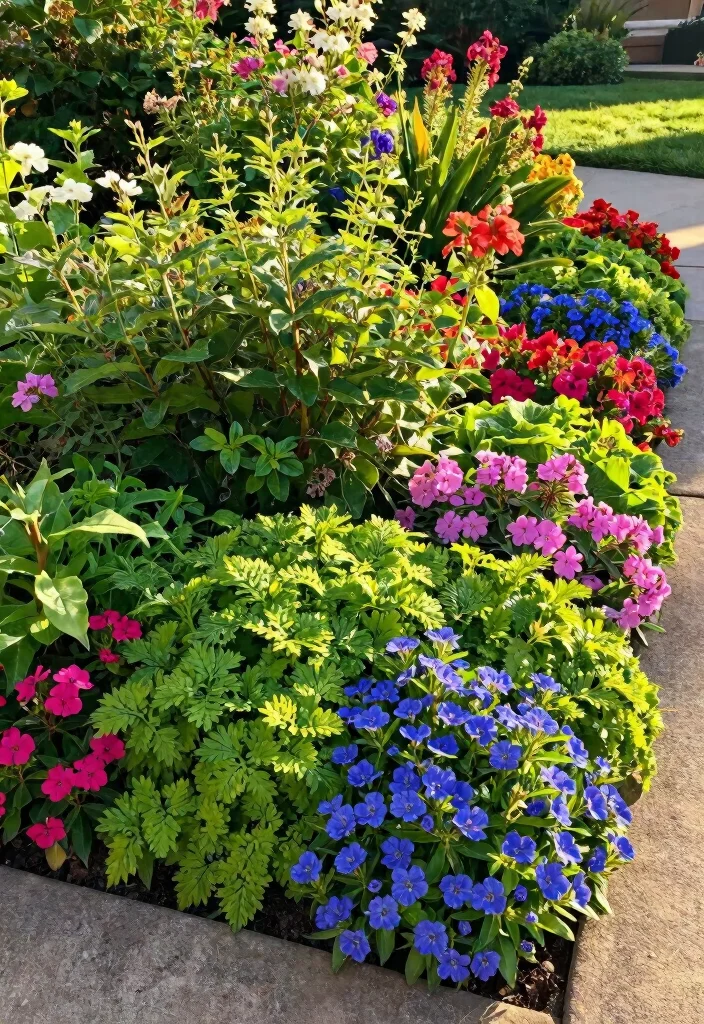
Ground cover plants can transform your front yard garden bed by providing lush greenery that suppresses weeds and adds texture. Varieties like creeping phlox, ajuga, and sedum create a beautiful, colorful carpet beneath taller plants.
These low-growing options fill in the gaps, creating a cohesive look while allowing the beauty of your garden to shine. Plus, they require minimal maintenance, making them ideal for busy gardeners.
Essential components for ground cover bliss:
– Use creeping phlox or ajuga for vibrant coverage.
– Opt for sedum or thyme for drought resistance.
– Combine various covers for mixed texture.
Incorporating ground cover not only beautifies your garden but also enhances its resilience against changing weather.

Natural Wooden Garden Border Design: This wooden garden border features a unique burnt wood finish that adds rustic charm and warmth to your outdoor space. Perfect as decorative garden fence edging for flower beds, walkways, and landscaping accents.

Durable & Flexible Material GTSABWAY garden edging is Made from high-quality metal, ensuring superior durability and flexibility. Easily shape it into straight lines,curves, circles, or unique contours ,without cracking,Can withstand all kinds of weather conditions, ensuring long-term durability and reliability. providing reliable Garden Border solutions.

Sturdy and Durable: Made of thickened PP material, it has excellent durability, can withstand all kinds of weather in the sun, rain, wind, and wind, and can minimize the occurrence of cracking, peeling, or breaking.
7. Artistic Container Gardens
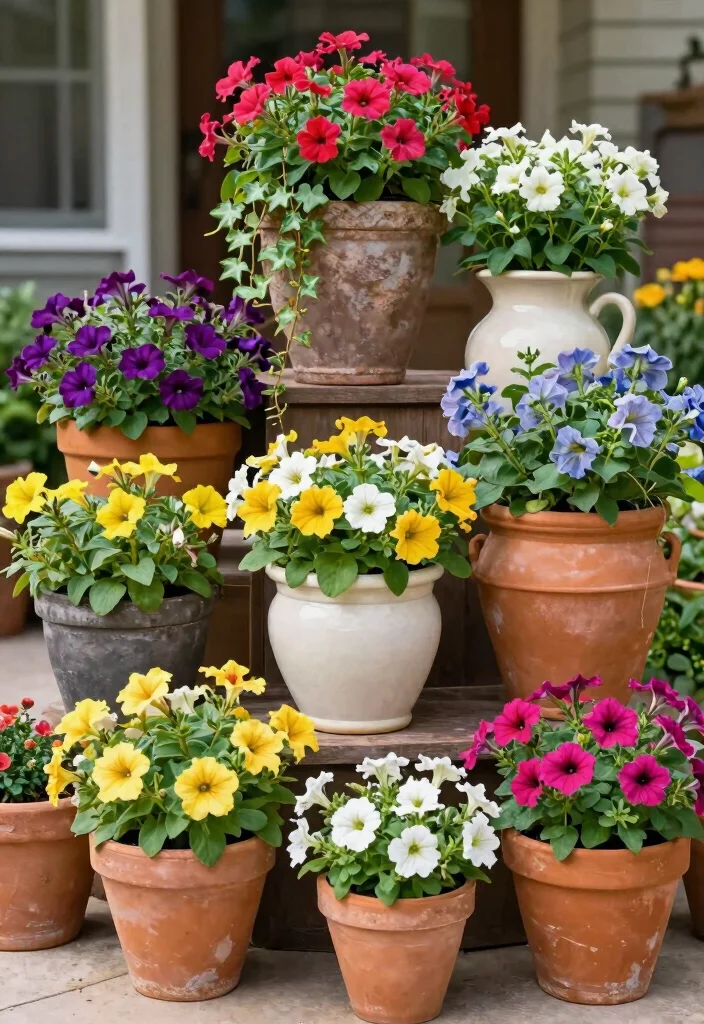
Container gardening can extend beyond patios and balconies; it can create eye-catching focal points right in your front yard! Use artistic pots filled with vibrant flowers or foliage to enhance your garden layout, adding new heights and shapes.
Choose containers of different sizes and materials for added interest. Arrange taller plants in the back and let cascading varieties spill over the edges. For a creative touch, consider painting your containers to match or contrast with your home’s exterior.
Ideas for your container gardens:
– Use clay pots or ceramic vases for texture.
– Incorporate petunias or trailing ivy for color.
– Group pots together for a cohesive look.
Thoughtful placement of containers not only beautifies your front yard but also showcases your creativity.

Versatile garden arch, perfect for event, wedding, and garden decoration. A must-have for your special occasions

HANDMADE MOSS POLES – Completely handcrafted from start to finish, from raw coconut husks to securing the final strand of twine, each monstera stake is shaped and finished to perfection by hand, with precise attention to even the smallest detail.

8. Rock Gardens with Succulents
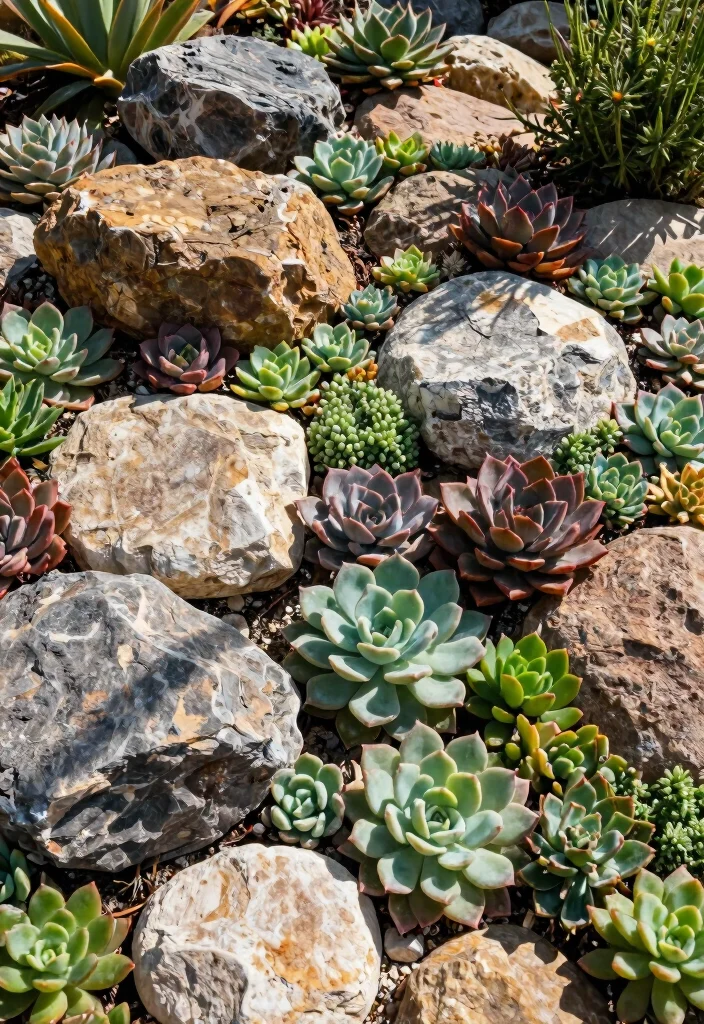
Consider introducing a rock garden into your front yard for a stunning visual element. Incorporating succulents not only provides a drought-resistant option but also adds a modern flair to your landscape design. This type of garden is especially appealing if you prefer low-maintenance beauty.
Select various rock sizes and shapes to create a natural layout. Plant succulents among the rocks to add layers of interest, allowing their diverse textures and colors to shine against the stone backdrop.
Key components for your rock garden:
– Use various rock sizes for visual appeal.
– Select succulents like Echeveria and sedum for low maintenance.
– Arrange larger stones centrally for balance.
This design is not only visually striking but also functional, requiring minimal watering and upkeep.

RICH RED PLUME BLOOMS: Produces dense clusters of deep red plume like flowers rising above green foliage creating bold color contrast ideal for shaded borders woodland gardens and layered planting designs

Used Book in Good Condition
9. Butterfly and Pollinator Gardens
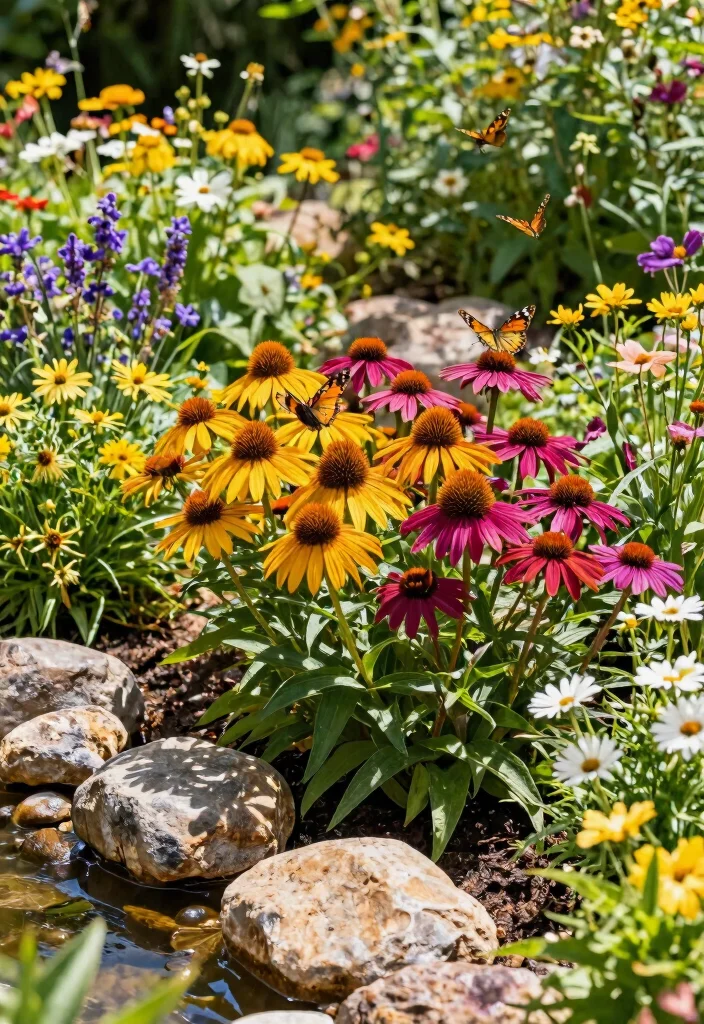
Transform your front yard into a sanctuary for butterflies and pollinators. A butterfly garden is not only visually stunning but also supports local ecosystems. To create an inviting space, include a variety of nectar-rich flowers that bloom throughout the growing season.
Select plants like milkweed, coneflowers, and bee balm to attract butterflies, pairing them with flowering herbs like lavender or mint to entice beneficial insects. Adding rocks and a small water feature can provide essential resting and hydration spots for these creatures.
Key plants for your butterfly garden:
– Incorporate milkweed and coneflowers to attract butterflies.
– Mix in bee balm and lavender for fragrance.
– Group plants in clusters for maximum attraction.
This garden not only enhances your yard’s beauty but also contributes to a healthy environment.
Did you know a well-planned front yard garden bed ideas-inspired pollinator garden can attract 5–8 butterfly species and dozens of bees this season? Start with milkweed, coneflowers, and bee balm—core front yard garden bed ideas—then add lavender, mint, and a shallow water feature for nonstop visits.


Fluttering Garden Accent: These stakes add lively motion among flowers and leaves. Fluttering butterfly movement makes a focal point for pots, beds, and borders. Each flying butterfly has a 3 in body on a 15.7 in stick
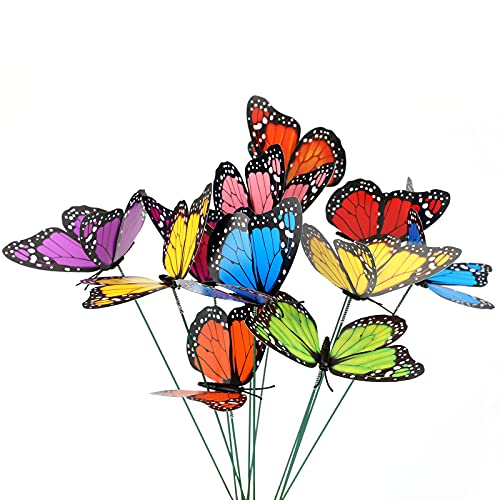
27 Pcs set Butterfly Stakes; 9 Colors (green,rose red, yellow, purple, red, pink, blue,orange,and deep orange),each color 3 Pcs .
How To Choose The Right Front Yard Garden Bed Ideas
Choosing the right front yard garden bed ideas can significantly enhance your home’s curb appeal. With so many options available, it’s crucial to consider several factors to find the best fit for your space and style. Here are a few key criteria to think about:
1. Space Available
Before diving into design, assess the space you have in your front yard. Measure the area where you want to create a garden bed. If your yard is small, consider vertical garden ideas or smaller raised beds to maximize your planting area without overwhelming the space. For larger yards, you can explore expansive flower beds filled with seasonal flowers or layered perennial plantings.
2. Style Preference
Your garden bed should complement your home’s architecture and your personal style. Are you drawn to rustic cottage gardens, modern minimalist designs, or tropical oases? Think about what aesthetic suits your taste as well as your neighborhood. This will help you select plants, materials, and layouts that create a cohesive look.
3. Plant Selection
When choosing plants, consider your climate and soil type. Opt for perennial plants that thrive in your area for a long-lasting garden bed. Incorporate seasonal flowers for color variety throughout the year. If you’re interested in edible landscaping, think about incorporating herbs or edible flowers that can enhance both your garden’s beauty and your culinary experiences.
4. Maintenance Level
Different garden beds require varying levels of upkeep. If you have a busy lifestyle, choose low-maintenance plants such as ground covers or succulents. For a more hands-on approach, consider layering perennial plantings that require regular care but provide lush beauty in return. Always take your available time into account when planning your garden bed.
5. Budget Considerations
Your budget will influence your garden design choices. Determine how much you are willing to spend on plants, soil, and any additional materials like garden edging or trellises. Remember that some options may have higher initial costs but can save you money in the long run due to lower maintenance needs.
6. Seasonal Appeal
Consider how your garden will look throughout the seasons. Choosing a mix of plants that bloom at different times can maintain interest year-round. Incorporate evergreens for winter appeal and mix in seasonal flowers for spring and summer bursts of color. This approach ensures your garden bed remains a focal point no matter the time of year.
Pro Tip: Create a mood board or sketch your ideas. This visual reference can help you see how various plants and design elements work together. It’s a great way to experiment with different layouts and styles before planting anything in your yard.
By following these guidelines, you can choose front yard garden bed ideas that not only reflect your personal taste but also enhance the charm of your home. Happy gardening!

LARGE PLANTING SPACE: 8.4 cubic feet of space can support your choice of flowers, succulents, vegetables, and more

Raised Garden Bed - Add a new level of convenience to your gardening experience with the Galvanized Raised Garden Bed. Enjoy expanded yield and a more assembled garden layout with this garden accessory, each sized at 120 cm X 60 cm x 30 cm.

Durable material: This raised bed is made of galvanized steel with a wavy structure that is stable and can withstand daily wear and tear. Long service life, can be exposed to sunlight, rain and snow for a long time, suitable for various climatic conditions.
10. Edible Landscaping
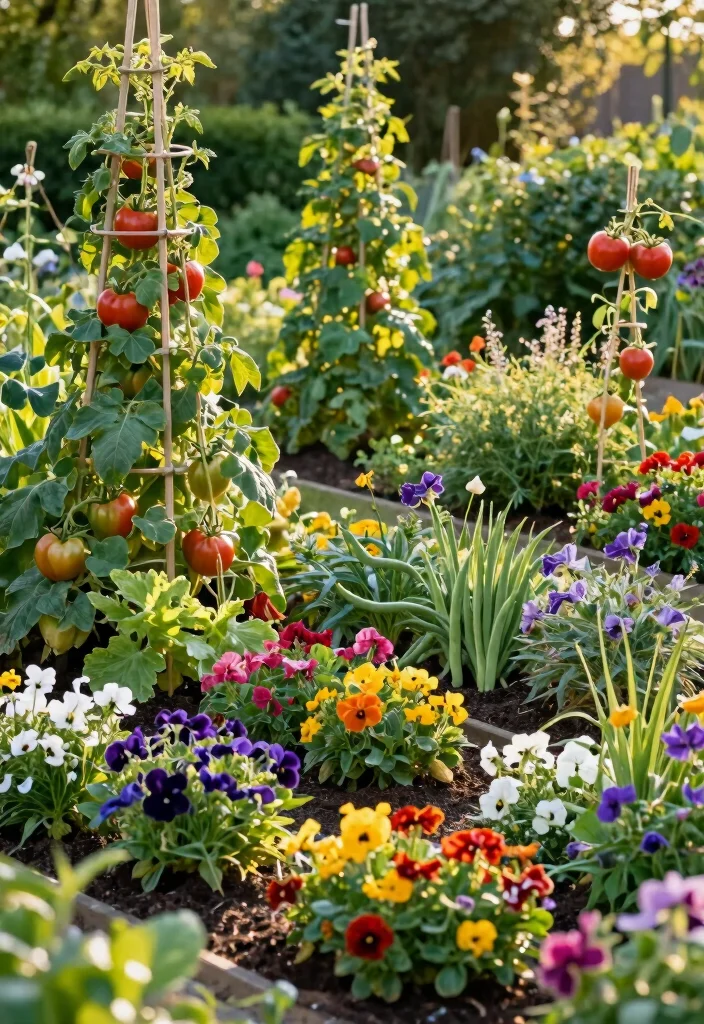
Combine beauty and practicality with edible landscaping in your front yard. This approach allows you to plant fruits, vegetables, and herbs alongside ornamental plants, creating a stunning garden that is also productive.
Consider using raised beds or trellises to incorporate climbing plants like beans and tomatoes among your decorative flowers. This not only adds visual interest but also maximizes your space and yields. Incorporate colorful vegetables like purple kale or rainbow chard to keep your garden visually appealing.
Essential components for edible landscaping:
– Plant tomatoes and beans for productivity.
– Include colorful kales and herbs for variety.
– Use trellises for vertical growth and easy access.
Your front yard can be both a feast for the eyes and a source of fresh produce.
Did you know? Edible landscaping lets front yard garden bed ideas come alive with raised beds and trellises that fit a full harvest into tiny spaces. In as little as 8×8 feet, you can grow beans, tomatoes, kale, and herbs—beautiful, productive, and delicious.
11. Coastal-Inspired Gardens
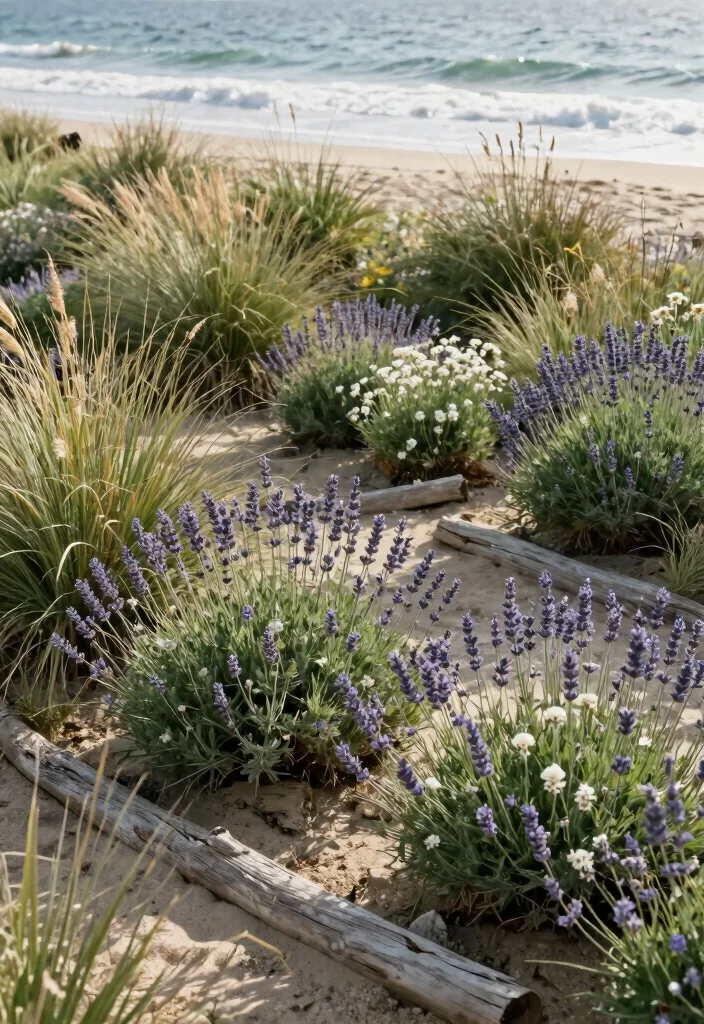
Bring beach vibes to your front yard with a coastal-inspired garden. This style features sandy soil and drought-resistant plants that thrive in challenging conditions. Opt for soft hues like blues and whites to mimic the ocean waves and sandy shores.
Incorporate plants like beach grass, sea oats, and lavender to create a breezy atmosphere. Adding driftwood or beach stones enhances the coastal feel while defining your garden spaces. This design also aids in drainage and creates a natural barrier against the elements.
Key elements for your coastal garden:
– Use beach grass or sea oats for texture.
– Incorporate lavender for color and fragrance.
– Use natural elements like driftwood for paths.
A coastal garden not only beautifies your yard but also creates a serene, inviting vibe.
12. Zen Garden Elements
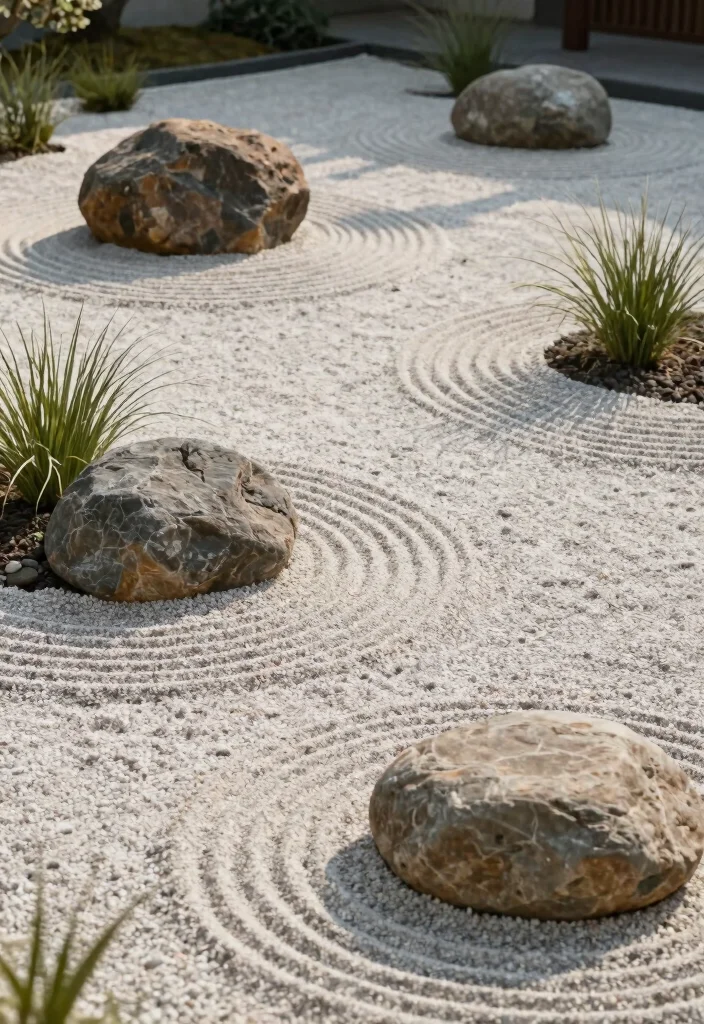
Infuse serenity into your front yard with Zen garden elements. A Zen garden uses rocks, sand, and carefully placed plants to create a calming environment. This minimalist approach encourages mindfulness and provides a peaceful retreat right outside your door.
Incorporate smooth stones, gravel pathways, and simple plants like ornamental grasses or dwarf shrubs. Rake patterns in the sand or gravel to mimic water ripples, creating a meditative space that calms the mind.
Key materials for your Zen garden:
– Use gravel and ornamental stones for texture.
– Incorporate dwarf shrubs for greenery.
– Keep the design uncluttered for tranquility.
A Zen garden not only enhances your front yard’s beauty but also promotes relaxation and peace.
13. Tropical Oasis
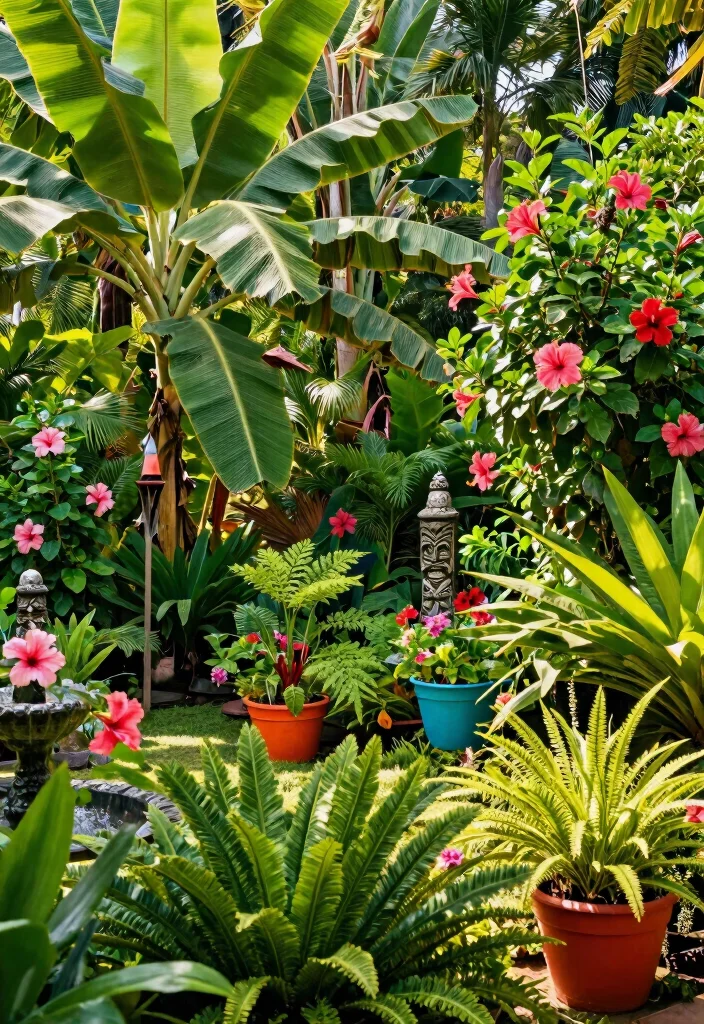
Transform your front yard into a tropical oasis with lush, vibrant plants. This style features bold colors, large leaves, and stunning flowers that transport you to a warm paradise. Emphasize layering by mixing various heights and textures for an immersive environment.
Incorporate plants like hibiscus, banana trees, and various ferns to achieve that exotic feel. Utilize large pots and vibrant decorative elements like tiki torches or colorful garden art to enhance the ambiance. A small water feature like a fountain can also amplify the tropical vibe.
Key plants for your tropical garden:
– Include hibiscus and banana trees for bold statements.
– Add ferns for lush greenery.
– Use colorful pots for added interest.
This design invites a vacation-like atmosphere right at home, making your front yard a vibrant retreat.
14. Rustic Cottage-Style Gardens
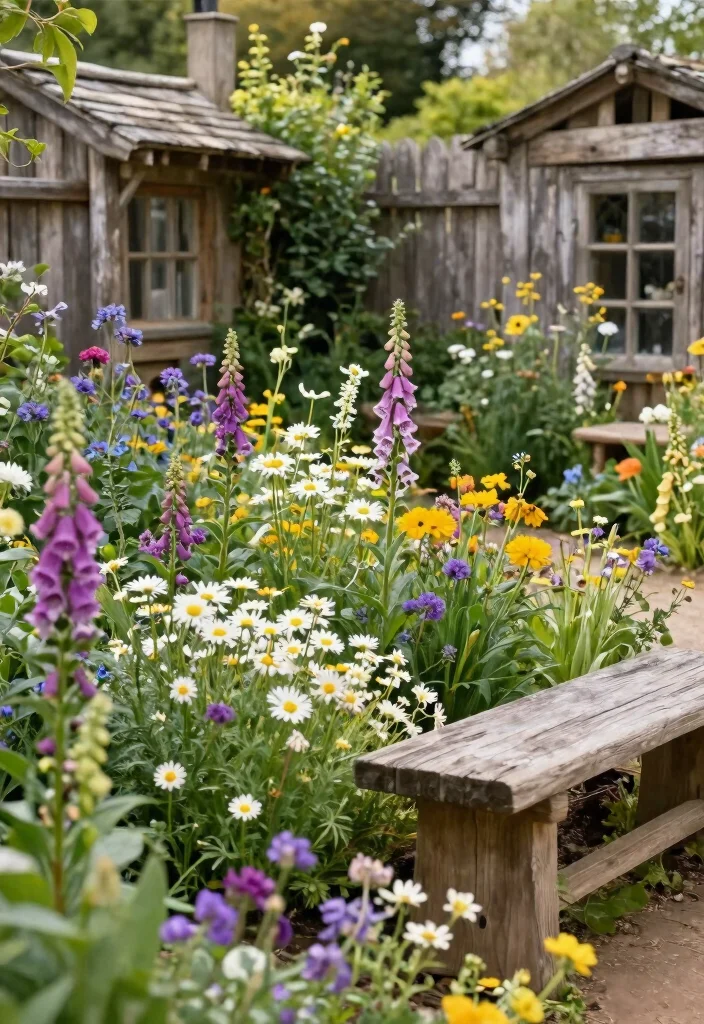
Capture the charm of a cozy cottage with a rustic garden filled with wildflowers and native plants. This style embraces a relaxed, informal layout that feels inviting and homey. Mix seasonal and perennial flowers to create a natural look that complements your home’s character.
Incorporate weathered wood elements like garden benches, fences, or rustic planters to enhance the overall aesthetic. Plants such as daisies, foxgloves, and hydrangeas provide bursts of color among the greenery, creating a delightful display.
Key features for your rustic garden:
– Use daisies and foxgloves for vibrant color.
– Incorporate hydrangeas for lush blooms.
– Avoid rigid lines for a more organic feel.
A rustic cottage garden adds warmth and tranquility to your front yard, inviting visitors to relax and enjoy its charm.
15. Modern Minimalist Gardens
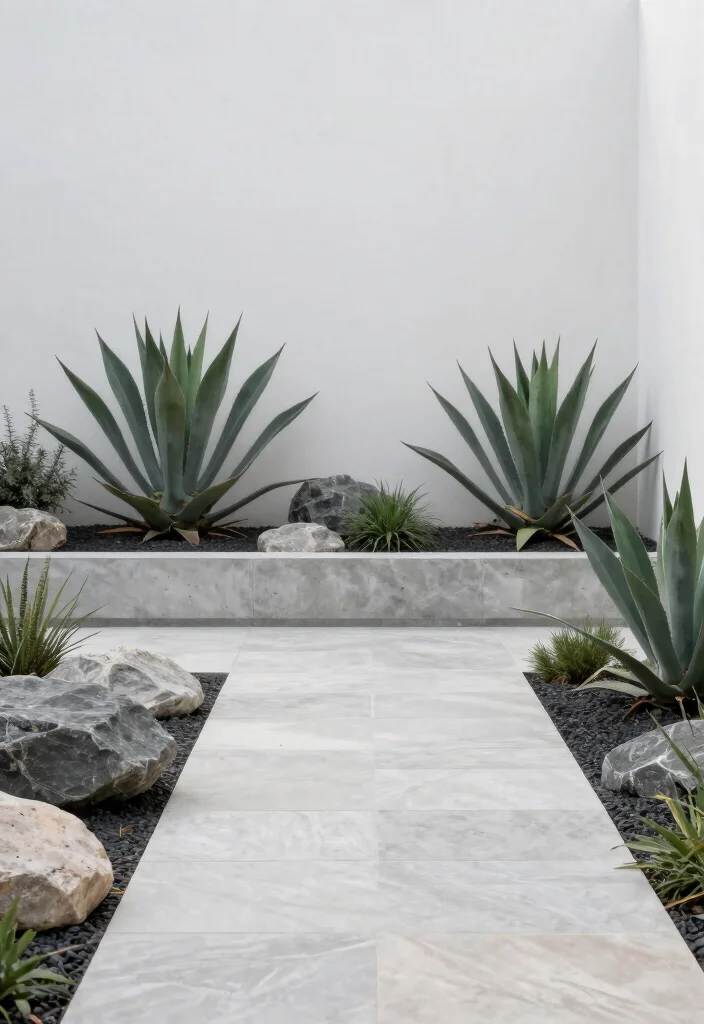
For those who prefer a sleek, contemporary look, a modern minimalist garden may be just right. Focus on simplicity with a limited plant selection, utilizing geometric shapes and symmetry for stunning visual impact. Choose striking architectural plants like agave or cycad to make a bold statement.
Incorporate materials like stone or concrete for pathways and borders, maintaining a monochromatic color palette for a cohesive aesthetic. Small clusters of greenery can add interest without overwhelming the design.
Key considerations for your minimalist garden:
– Use agave or cycads for bold appeal.
– Incorporate stone or concrete for pathways.
– Arrange plants symmetrically for a clean look.
This style enhances your home’s curb appeal while creating a tranquil setting.
16. Woodland Inspired Gardens
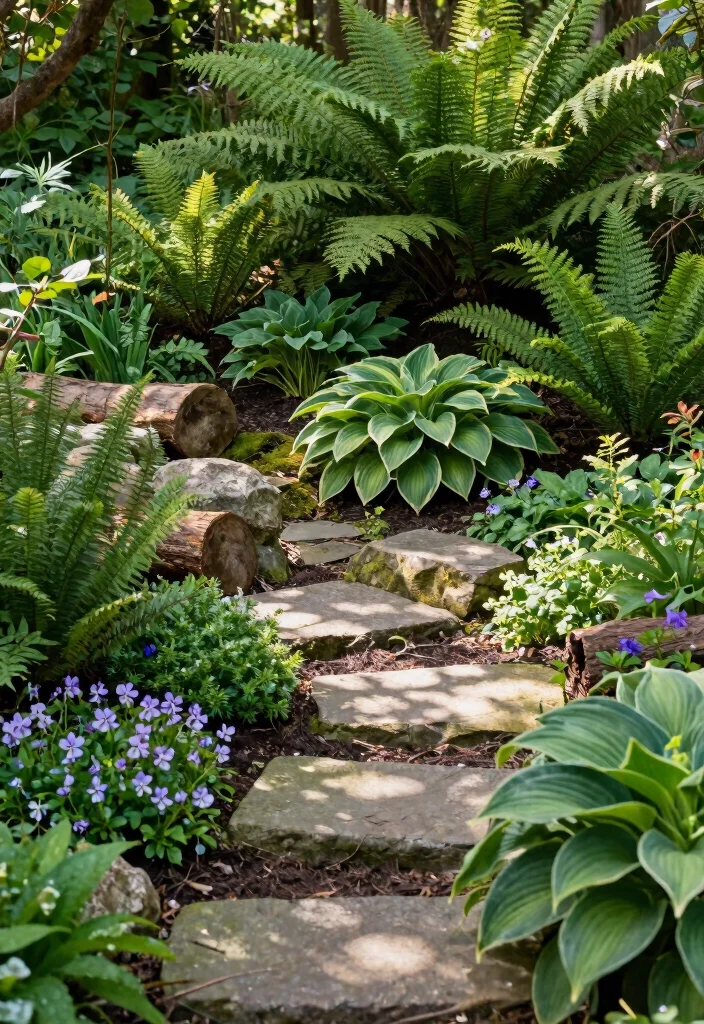
Create a magical woodland-inspired garden that mimics the tranquility of a forest. Use shade-loving plants, ferns, and moss to evoke a serene atmosphere that feels like a hidden retreat. Incorporating natural materials like logs or stones enhances the woodland charm.
Choose plants that thrive in partial shade, such as hostas and astilbes, and add small flowering plants like violets or trilliums for pops of color. Using natural stepping stones can guide visitors through your enchanting space.
Key elements for your woodland garden:
– Incorporate hostas and astilbes for lush coverage.
– Add violets or ferns for color.
– Use logs or boulders to define areas.
This design transforms your front yard into a serene woodland, perfect for relaxation and reflection.
Fun fact: Woodland-inspired front yard garden bed ideas thrive on partial shade, letting hostas, ferns, and astilbes glow without harsh sun. Add moss and natural stepping stones to create a tranquil, forest-like retreat right at home.
17. Community Garden Appeal
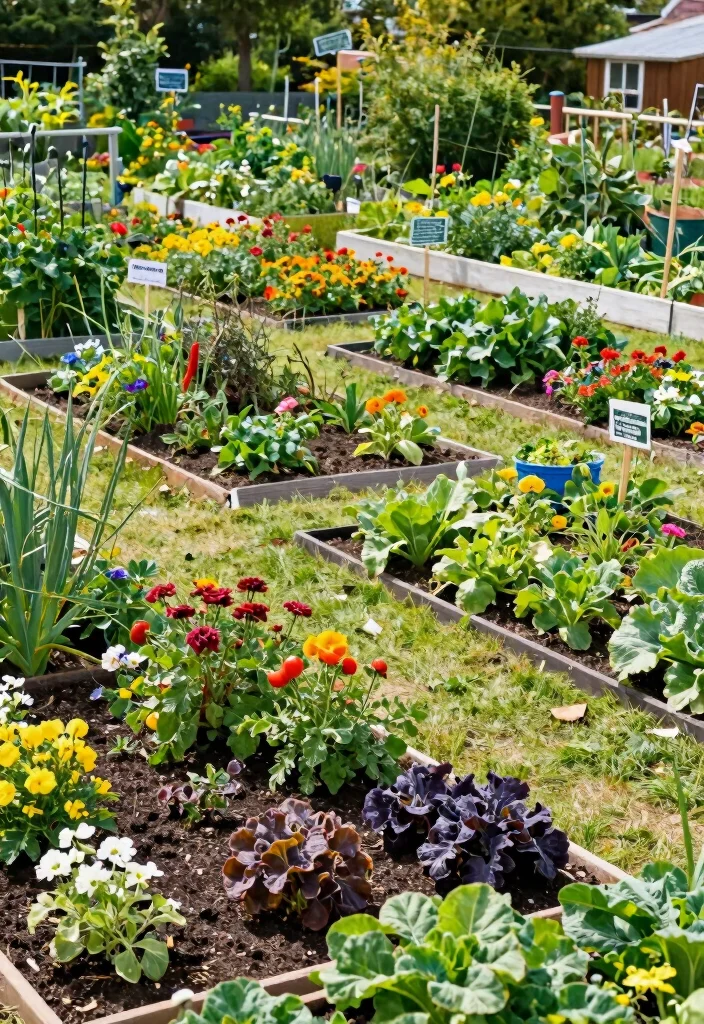
Consider a community garden approach for your front yard to beautify your home while fostering neighborly connections. By sharing a garden bed, you can mix flowers and veggies with others, creating a sense of community right in your neighborhood.
Add signs to label different plants and create shared spaces for everyone to enjoy. Utilizing raised beds or containers makes gardening accessible for all. This design encourages collaboration and creativity, allowing everyone to contribute their plants or ideas.
Key aspects of your community garden:
– Mix seasonal and perennial flowers for diversity.
– Include vegetables like peppers or tomatoes for productivity.
– Designate spaces for individual and shared plots.
This collaborative approach not only enhances front yards but also builds friendships, creating a vibrant community spirit.
Conclusion
Front yard garden beds can be transformative, turning ordinary spaces into lush, vibrant landscapes that captivate and charm. Each of these 17 ideas highlights the beauty of layering and thoughtful design, allowing you to create a garden that reflects your unique style while boosting your home’s curb appeal.
Whether you opt for a vertical garden, a rustic cottage look, or a modern minimalist space, the possibilities are endless. Embrace your creativity, and let your front yard bloom into a stunning haven that welcomes all who pass by.
Note: We aim to provide accurate product links, but some may occasionally expire or become unavailable. If this happens, please search directly on Amazon for the product or a suitable alternative.
This post contains Amazon affiliate links, meaning we may earn a small commission if you purchase through our links, at no extra cost to you.
Frequently Asked Questions
What are the best front yard garden bed ideas to achieve a lush layered look?
To achieve a lush layered look with front yard garden bed ideas, start with a strong vertical anchor back near the house (a small tree or tall perennial). Then add mid‑height shrubs or perennials, followed by low groundcovers and seasonal blooms. Use color repetition and varied textures to create cohesion, and keep evergreen base plants for year‑round structure. For a vertical twist, incorporate trellises or wall planters to lift focal points and boost curb appeal. In short, apply landscape design principles like balance, proportion, and rhythm so the bed complements your home.
For lasting color and less maintenance, choose perennial plants that bloom at different times, and group plants in odd numbers (3–5) for a lush, layered effect.
How can I boost curb appeal with vertical front yard garden bed designs?
Vertical front yard garden bed designs save ground space while delivering drama. Start with tall elements at the back (ornamental grasses, tall perennials, or a trellis with climbing vines). Layer shorter shrubs in front, then groundcovers or seasonal blooms. Use a cohesive color palette so the vertical and horizontal layers read as one. Add a focal point near the entry, like a statement container or a small tree, to anchor the scene. This approach is a standout among front yard garden bed ideas to enhance curb appeal.
Plan your layout with a simple garden bed layouts sketch, pick plants that fit sun exposure, and keep maintenance in mind. For year‑round interest, include seasonal flowers that perform across seasons.
Which perennial plants thrive in front yard garden beds for year‑round color?
Choose a mix of evergreen backbone and seasonal performers. For sunny spots: perennial plants like lavender, Echinacea, Sedum, and Gaillardia offer color for many seasons. For shade or partial shade: Heuchera, Helleborus, and Astilbe add texture. Plant in groups of 3–5 for fullness and to create natural mass. Mulch to conserve moisture and deter weeds, and feed with a slow‑release fertilizer in spring. With thoughtful placement and rotation, these plants deliver seasonal flowers and steady structure year after year.
What garden bed layouts work best for small or sloped front yards?
Curved, soft lines create the illusion of more space in small or sloped front yards. Consider raised or tiered beds to gain height without crowding the ground, and use vertical accents near the entry to draw the eye upward. A clear sightline from the front door to the street helps the space feel larger and more welcoming, a key aspect of curb appeal. This is a practical example of garden bed layouts that maximize impact in tight spaces.
Sketch your plan on graph paper, choose compact varieties, and leave room for growth. Finish with a thick mulch layer for moisture retention and a neat appearance.
When should I plant seasonal flowers in a front yard garden bed to keep it vibrant all year?
Timing depends on your climate, but a simple plan is to mix seasons. Plant cool‑season blooms (pansies, violas) in early spring for immediate color, then swap to warm‑season annuals (petunias, lobelia) after the last frost. In fall, add mums and asters for late‑season color, and keep evergreen or winter‑interest plants in place for winter structure. Use seasonal flowers to bridge the year, and keep a regular routine of deadheading, watering, and light pruning to maintain curb appeal. Create a simple calendar so your front yard garden bed always has something blooming.
Related Topics
front yard garden beds
landscape design
curb appeal
perennial plants
garden bed layouts
seasonal flowers
vertical gardening
easy gardening
colorful landscaping
garden design trends
beginner friendly
low maintenance gardens