
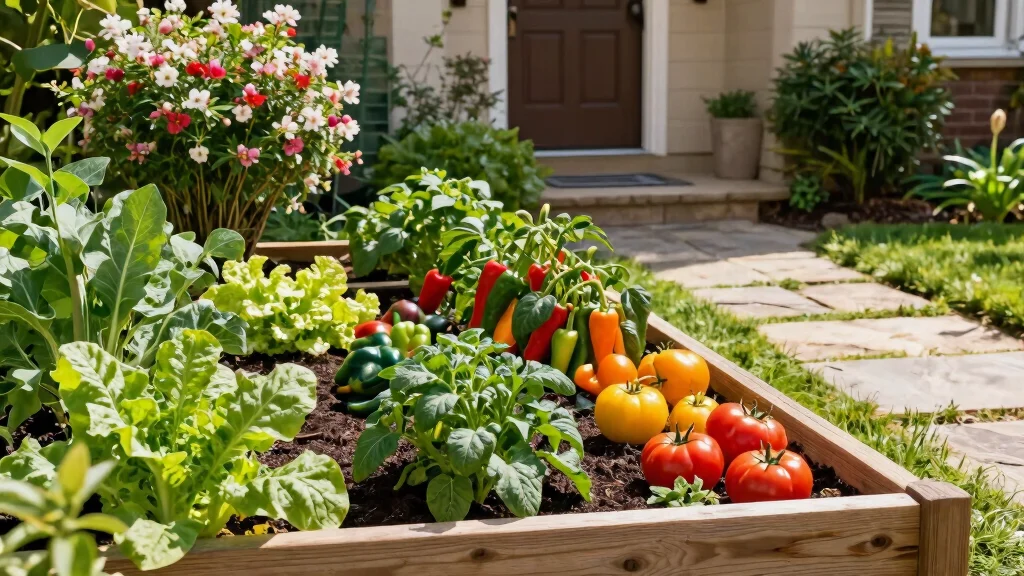
Creating a front yard vegetable garden is one of the most rewarding gardening experiences you can embark on. This time of year always reminds me of the delightful crunch of fresh vegetables straight from the garden. If you’re someone who loves the idea of growing your own food but struggles with limited space, you’ll find this post incredibly helpful.
I’ve pulled together 18 fresh front yard vegetable garden ideas that are not only practical but also visually appealing. These ideas are perfect for anyone looking to combine sustainability with style, creating a garden that feeds your family and enhances your home’s curb appeal. Whether you’re an experienced gardener or just starting out, these tips will help you cultivate a vibrant green space filled with delicious, homegrown vegetables.
From raised beds to vertical gardens and container options, you’ll discover a variety of ways to make the most of your front yard. Each idea is designed to inspire and empower you to dig in and get started. You’ll learn how to create functional, beautiful edible landscapes that reflect your personal style while promoting sustainable gardening practices.
Key Takeaways
– Explore 18 unique front yard vegetable garden ideas that maximize small spaces while adding charm to your home.
– Discover front yard gardening tips that emphasize sustainability and design, allowing you to enjoy fresh produce right outside your door.
– Learn about vertical gardening solutions that help you utilize vertical space for growing a variety of crops without overwhelming your yard.
– Get practical insights on companion planting and seasonal rotation to keep your garden productive throughout the year.
– Find inspiration for creating pollinator-friendly gardens that encourage biodiversity while growing your own vegetables.
1. Raised Vegetable Beds with Decorative Edging
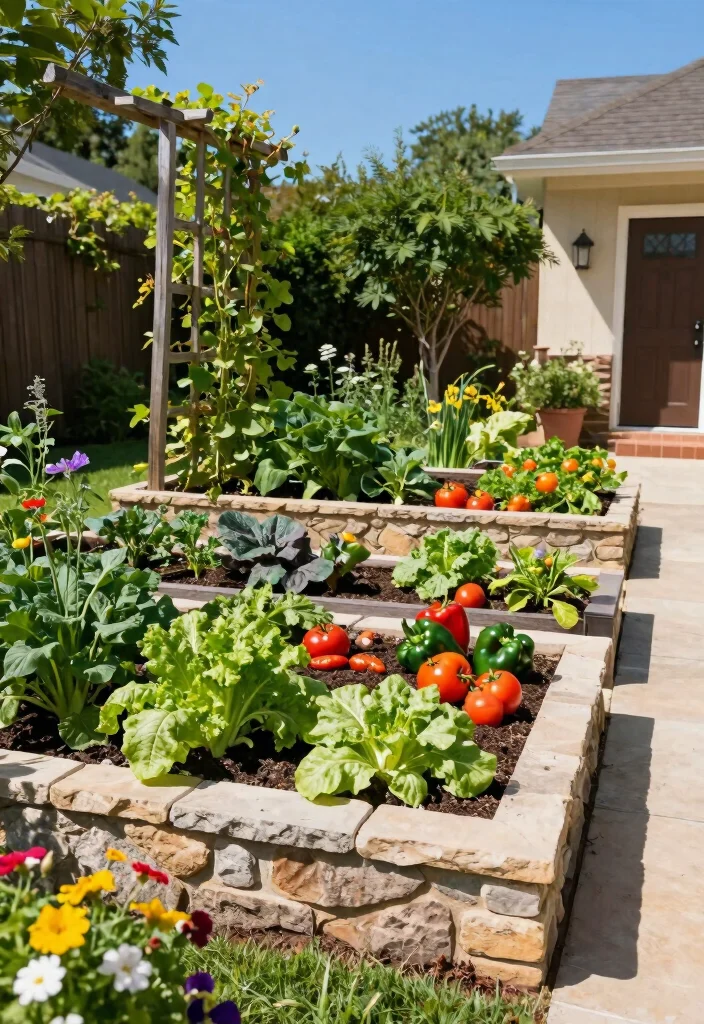
Do you dream of a garden that is both functional and visually appealing? Raised vegetable beds offer the perfect solution, especially in your front yard where style matters. They elevate your gardening game, making it easier to tend to your plants while providing an organized structure that enhances your landscape.
You can fill these beds with a vibrant mix of vegetables, like leafy greens, crisp carrots, and colorful radishes. Adding decorative edging, whether it’s charming bricks, natural stones, or painted wood, can elevate their look even further. This combination invites neighbors to take a closer look at your flourishing garden.
Front Yard Gardening Tips:
– Choose a sunny spot that gets at least 6-8 hours of sunlight.
– Mix in herbs like basil and parsley for added aroma and utility.
– Opt for a high-quality soil mix that encourages robust root development.
Unique Insights:
– Add trellises for climbing vegetables, bringing vertical beauty to your garden.

Customizable A-Frame Structure: Elevate your garden with our versatile Adjustable-size A-frame garden trellis for cucumbers. Crafted with 37 straight stakes of 15.74 inches, 2 longer straight stakes of 18.1 inches, 4 A-Fork connectors, and 4 straight connectors, this trellis adapts to your garden's needs, providing optimal support for cucumber plants and other climbing vegetables.
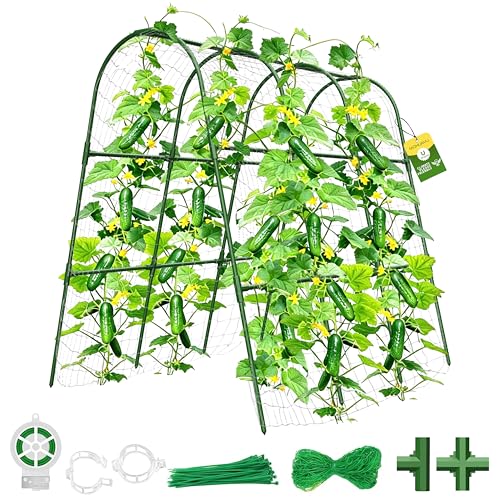
【U-Shape Stability Structure 】 U-frame trellis is more stable than A-frame trellis. Allowing you to plant a row on both sides. The arch design maximizes the garden space.

【Upgraded U-Shaped Design for Healthier Plants】Unlike traditional A-frame trellises, our U-shaped design maximizes air circulation and sunlight exposure, ensuring your plants grow stronger and healthier. The sturdy arch structure provides superior stability, supporting up to 35 lbs of weight—perfect for cucumbers, tomatoes, squash, and other climbing plants
2. Vertical Gardening Solutions
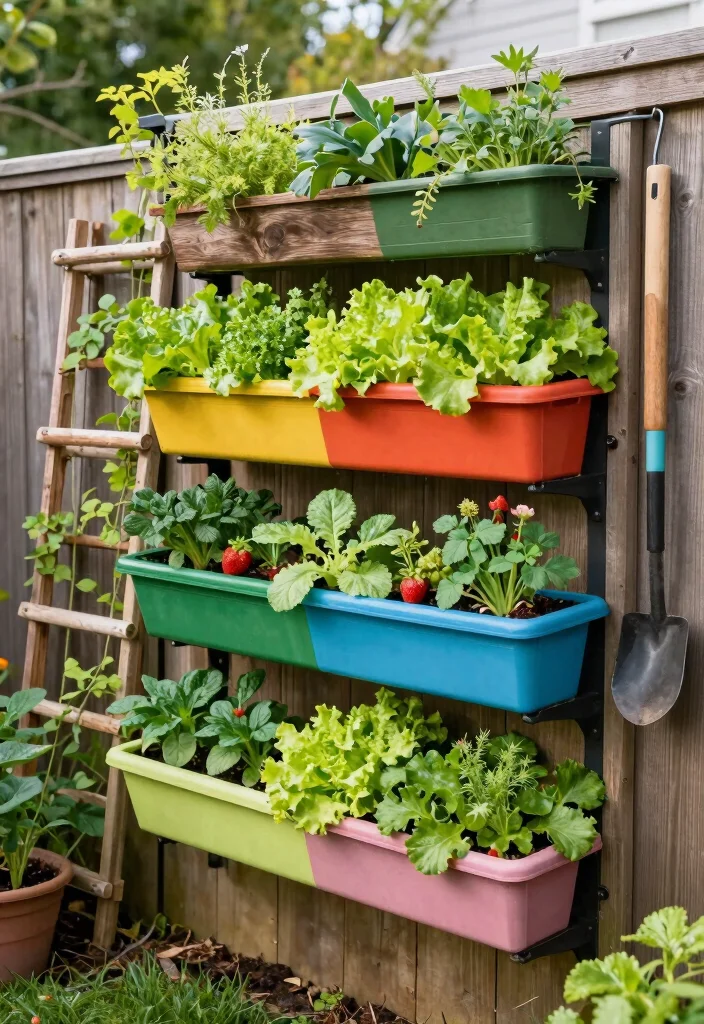
Are you short on space but long on gardening dreams? Vertical gardening could be your answer! This innovative method utilizes walls, fences, or custom structures to grow vegetables upward, maximizing your limited area.
Vertical planters not only save ground space but also create a stunning visual feast. Think about wall-mounted planters for herbs and petite veggies like cherry tomatoes, or tiered planters for a lush appearance. By combining colors and textures, you can create a rich tapestry that enhances your garden’s charm.
Vegetable Garden Design Ideas:
– Hang colorful pots on walls or fences for eye-catching displays.
– Use trellises for climbing plants like cucumbers and beans, adding both functionality and beauty.
– Incorporate drip irrigation for consistent moisture without oversaturating the soil.
Sustainability Practices:
– Repurpose wooden crates or pallets to build DIY vertical gardens, reducing waste and saving money.


[Perennial Fruit Bush] Grows into a long-lived deciduous shrub reaching 4-6 feet tall at maturity. Provides years of homegrown fruit with proper care in suitable climates (zones 3-8).

How To Choose the Right Front Yard Vegetable Garden Design
When planning a front yard vegetable garden, picking the right design is crucial for both aesthetics and functionality. Here are some key points to consider:
1. Size
Determine how much space you have available in your front yard. Measure the area to understand how many vegetables you can plant. Smaller spaces may benefit from vertical gardening or container gardens, while larger areas allow for raised beds or traditional row gardening.
2. Accessibility
Think about how easy it will be for you to reach your plants. Paths should be wide enough for you to walk comfortably, especially if you need to navigate with a wheelbarrow or tools. Consider creating a design that allows for easy access to every plant without trampling on the soil.
3. Sunlight Exposure
Observe how much sunlight your front yard receives throughout the day. Most vegetables need 6-8 hours of direct sunlight to thrive. If your yard has shaded areas, plan to place sun-loving plants where they will get the right amount of light and consider growing shade-tolerant vegetables in the less sunny spots.
4. Aesthetic Appeal
Your front yard is the first impression of your home, so ensure your garden design looks attractive. Use colorful containers, decorative edging, or even trellises for climbing plants. Mixing in flowers can create a beautiful landscape while attracting pollinators to help with your vegetable production.
5. Budget
Establish how much you want to spend on your garden. Costs can vary widely based on materials for raised beds, soil, seeds, and tools. Look for DIY solutions to keep costs down, such as repurposing materials for containers or building your own raised beds.
6. Sustainability Practices
Consider incorporating sustainable gardening methods. This could include using organic soil, practicing crop rotation, or creating a composting area. These practices not only enhance your garden but also promote better plant health and reduce waste.
Pro Tip: Before finalizing your design, sketch it out or use a garden planning app. This can help you visualize the layout and make adjustments as needed. Don’t forget to include a water source nearby to simplify your watering routine!
With these tips in mind, you can create a stunning front yard vegetable garden that is as functional as it is beautiful. Enjoy the process of planning and planting, and look forward to a bountiful harvest!
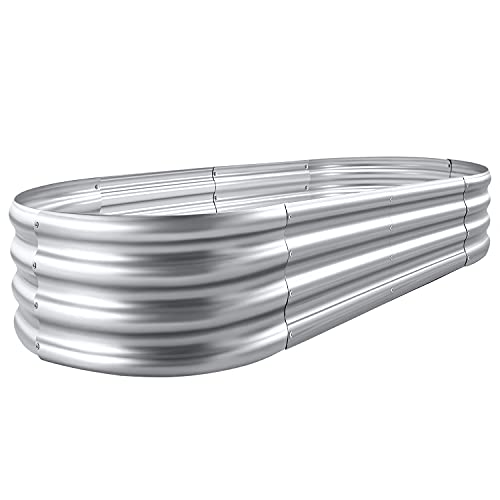
Each raised metal garden bed size: 4×2×1ft ,7.14Cu


SIZE: The plant bed measure is 23.6"L x 23.6"W x 11.8"H. This round planter box provide ample growing space to raise vegetables, flowers and plants.
3. Colorful Container Gardens
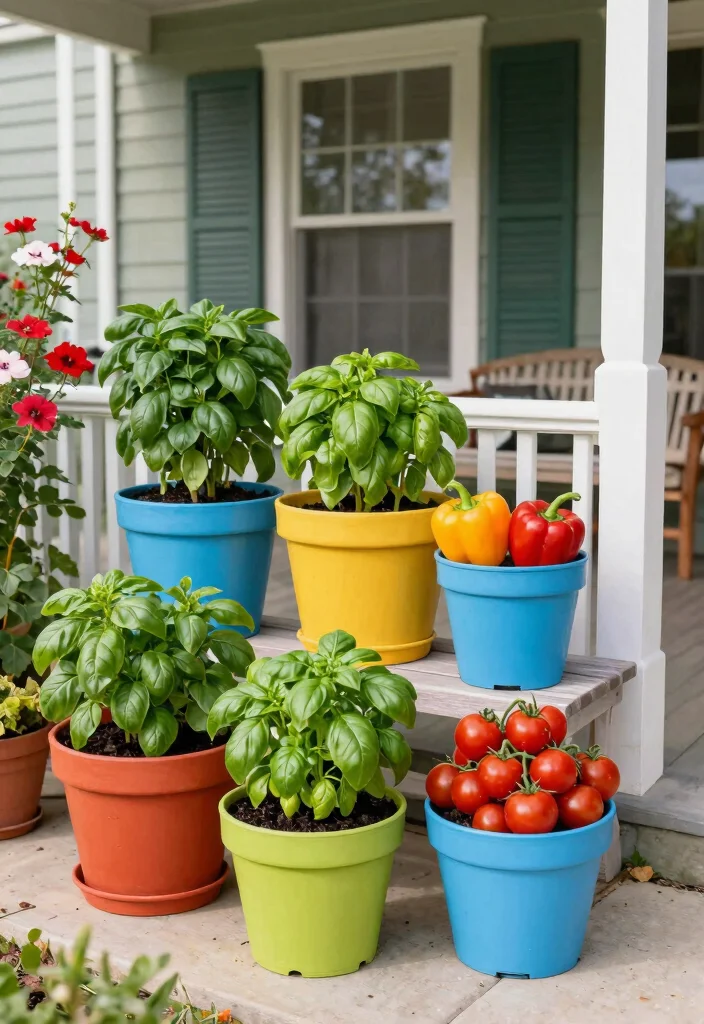
Do you want to bring life and flavor to your front yard? Container gardening is a delightful way to grow vegetables while showcasing your creativity! Using pots and containers allows for flexibility, letting you easily rearrange or change plantings as desired.
You can choose from an array of materials such as ceramic, metal, or fabric pots, each adding its unique flair. Picture vibrant peppers in fiery red pots next to soothing green herbs, forming a stunning display that invites admiration. Grouping these containers together can create layers of visual interest, maximizing your growing potential.
Front Yard Gardening Tips:
– Ensure all containers have drainage holes to prevent water logging.
– Use lightweight potting soil that retains moisture without being too heavy.
– Arrange taller plants at the back and shorter ones in front for a balanced look.
Unique Insights:
– Add edible flowers like nasturtiums or pansies to enhance both color and taste.

Vegetable seeds variety pack: Grow 35 varieties of leafy greens, root vegetables, tomatoes, peppers, beans, peas, squash, melons, and more. Includes 16,000+ vegetable seeds for planting outdoors in raised beds, garden rows, or containers.

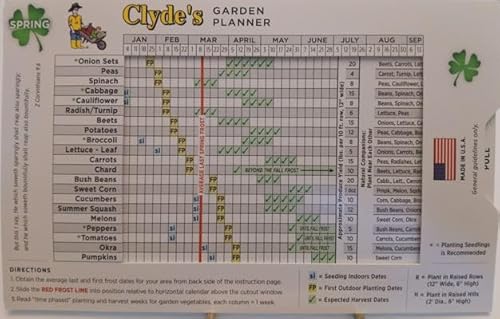
Chart Provides Both Indoor and Outdoor Seeding Dates for 22 Commonly Grown Garden Veggies, (Chart Size = 51/8" x 81/2", 12 Point Cardstock Paper).
4. Herb Spiral for Space Efficiency
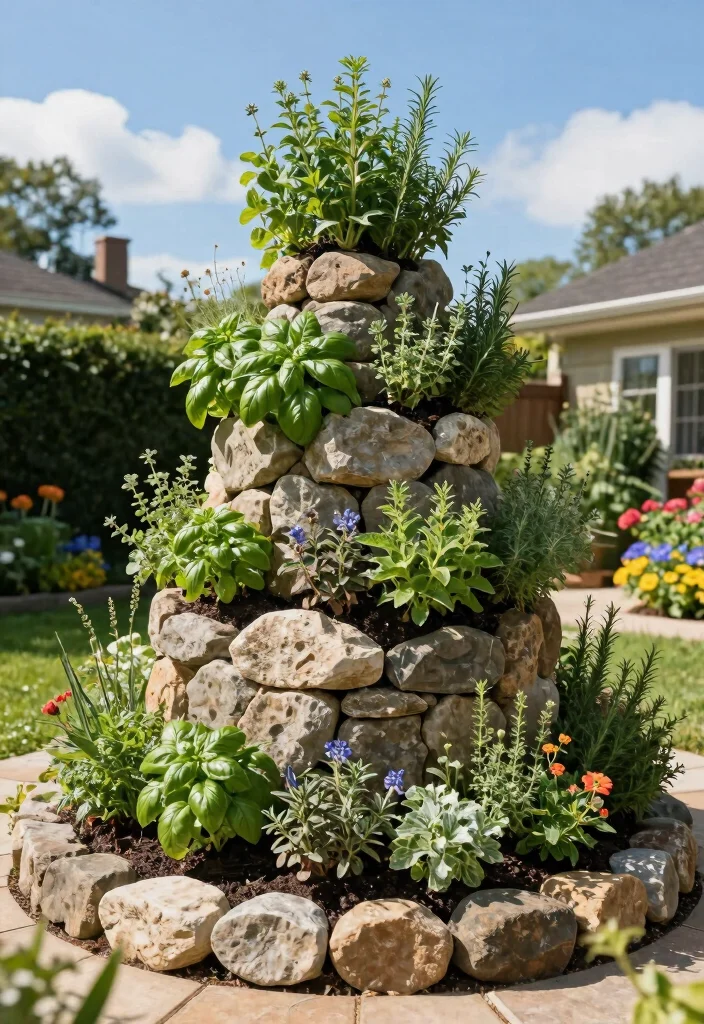
Looking to maximize your herb garden’s potential? An herb spiral is an ingenious way to cultivate a variety of culinary herbs while saving space. This spiral structure creates microclimates, catering to the different growing needs of each herb as they ascend.
Not only is this design visually appealing, but it also allows for a diverse selection of herbs in a compact area. Construct it from stones, bricks, or reclaimed wood, and plant herbs like rosemary, thyme, and mint at various heights. This approach not only optimizes your space but also creates a stunning focal point.
Vegetable Garden Design Ideas:
– Decorate the spiral with colorful flowers to add visual interest and attract pollinators.
– Opt for perennial herbs that will thrive year after year.
– Position the herb spiral in a prominent spot for easy access during cooking.
Unique Insights:
– Layer soil and compost as you build the spiral to encourage healthy growth.

ORGANIZED 10 GRID PLANTING: Modular raised garden bed planter with 10 individual growing compartments keeps herbs vegetables flowers separated for easier crop rotation gardening includes plant markers liners ideal for patio balcony backyard herb garden

Scientific Design: Bottom Water Reservoir and Air hole circulation system that provides ample moisture to the plants. This reservoir acts as a constant water source and oxygen, promoting healthy root development and overall plant vitality.

SELF-WATERING SYSTEM: Self watering tomato planter with trellis has a built-in reservoir that ensures the plants receive consistent hydration. The bottom grid design utilizes the siphon effect, allowing the roots to pump water efficiently, minimizing the risk of under-draining or over-draining. There is a water injection port on the side, and the right amount of water is poured into the sowing box, without daily watering.
5. Edible Landscaping with Companion Planting
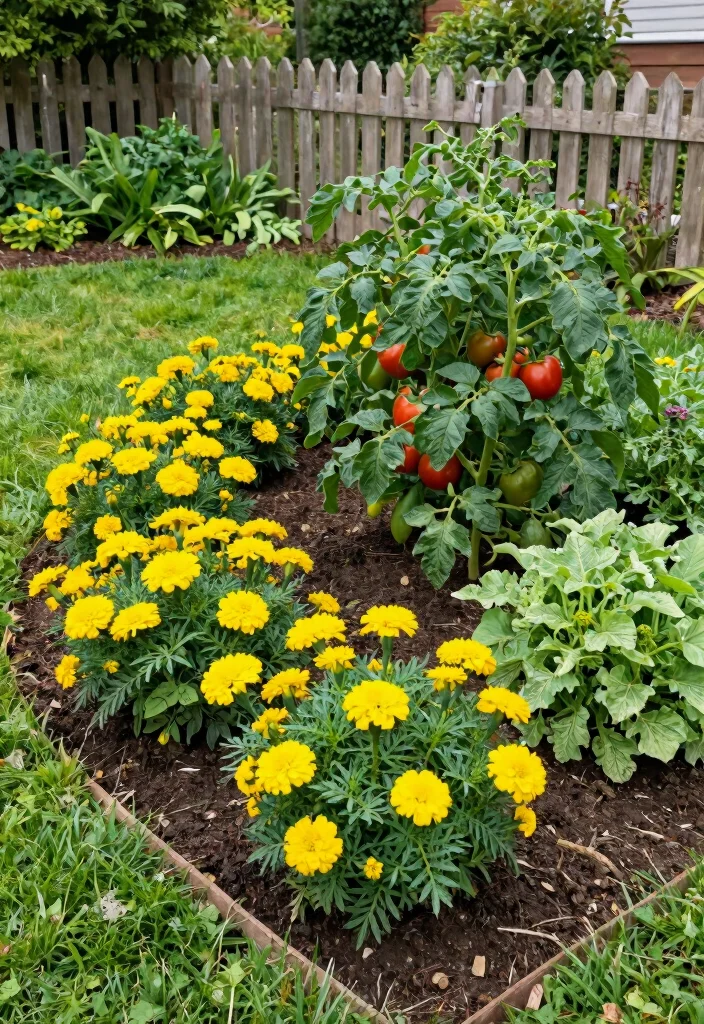
Are you ready to transform your front yard into a beautiful and productive space? Edible landscaping through companion planting allows you to grow plants together that benefit one another. For instance, marigolds can deter pests when planted alongside tomatoes, adding both beauty and utility.
By mixing vegetables with ornamental plants, you create a visually pleasing garden that is functional as well. Consider pairing carrots with onions or lettuce with radishes, as these combinations can improve growth and flavor.
Vegetable Garden Design Ideas:
– Arrange your vegetables in patterns for a visually appealing design.
– Choose plants with complementary growth habits to optimize space and light.
– Use edible flowers as border plants to attract pollinators while enhancing aesthetics.
Unique Insights:
– Research which plants thrive together to maximize yields and minimize pests.
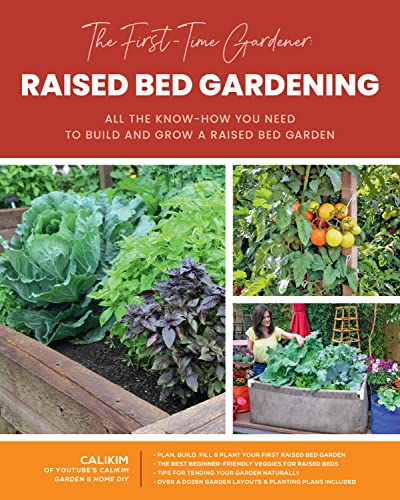

SIZE: The plant bed measure is 23.6"L x 23.6"W x 11.8"H. This round planter box provide ample growing space to raise vegetables, flowers and plants.
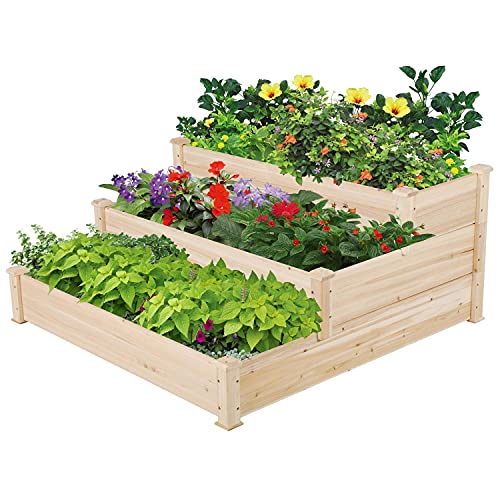
【Selected Materials】Made of natural fir wood without painting, this garden bed for horticulture is well sanded to ensure safe use. The 0.6" thick solid wood boards fixed by metal hardware are ready for long-term use.
6. Seasonal Planting and Rotation
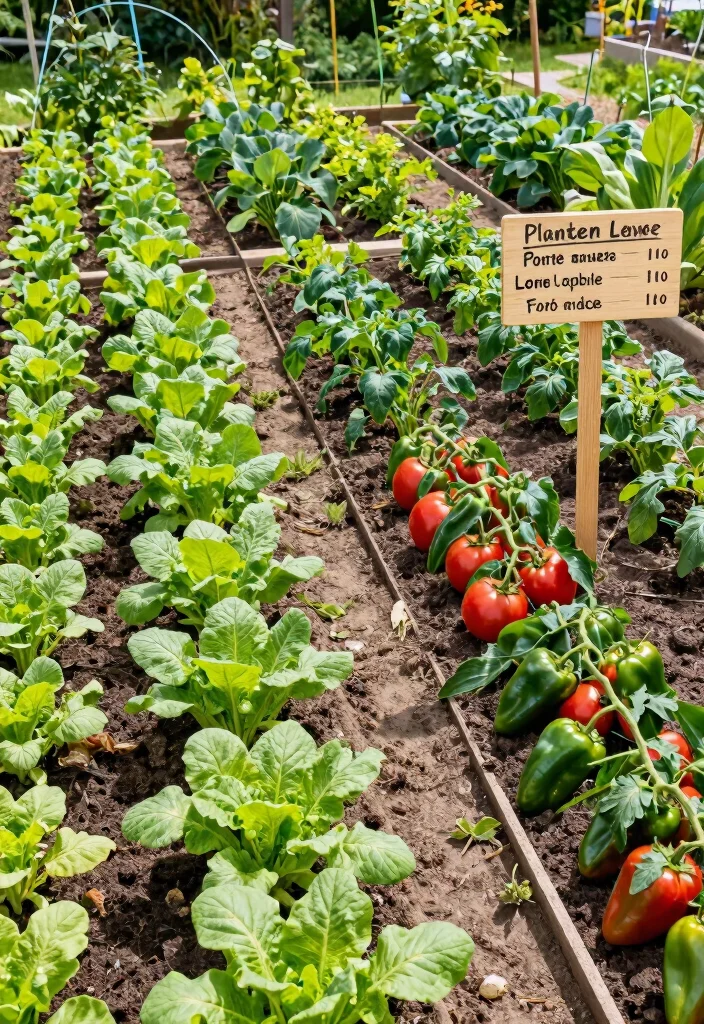
Want to keep your vegetable garden thriving throughout the year? Embrace seasonal planting and crop rotation! This approach not only maximizes your yield but also helps maintain soil health and fertility. By rotating your crops, you reduce the risk of pests and diseases while ensuring a diverse array of veggies across the seasons.
Start with cool-weather crops like kale and peas in early spring, then transition to tomatoes and peppers as the weather warms. In the fall, root vegetables like beets and carrots can make their appearance!
Front Yard Gardening Tips:
– Keep a record of what you plant and where to simplify tracking rotations each year.
– Enrich your soil with compost to support continuous growth.
– Monitor maturity dates closely for smooth transitions between crops.
Unique Insights:
– Learn how to overwinter certain crops for an extended harvest season.

The trellis for climbing plants outdoor measures 47” tall, 16” wide. Cucumber trellis with spiked leg caps for easy soil penetration.


7. Flower and Vegetable Combo Borders
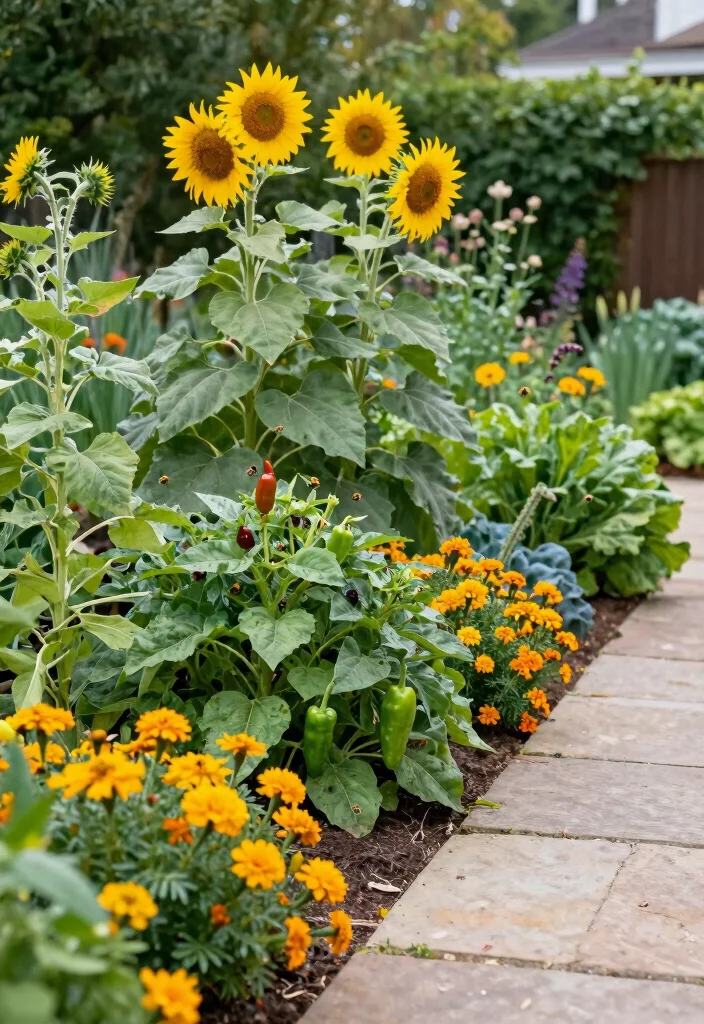
Why not merge beauty and utility in your garden? Create borders in your front yard that feature both flowers and vegetables. This combination enhances the visual appeal of your garden while providing fresh, homegrown produce.
Marigolds, zinnias, and sunflowers can be interspersed with rows of beans or peppers, creating a lively display that attracts pollinators and deters pests. This design not only serves as a stunning entryway but also maximizes space for delicious vegetables.
Vegetable Garden Design Ideas:
– Choose flowers that bloom at different times for continuous color throughout the season.
– Select plants of varying heights for a layered, attractive effect.
– Incorporate edible flowers like nasturtiums or calendula to enhance your salads.
Unique Insights:
– Include flowering plants to create a natural habitat for beneficial insects, helping manage pests in your garden.

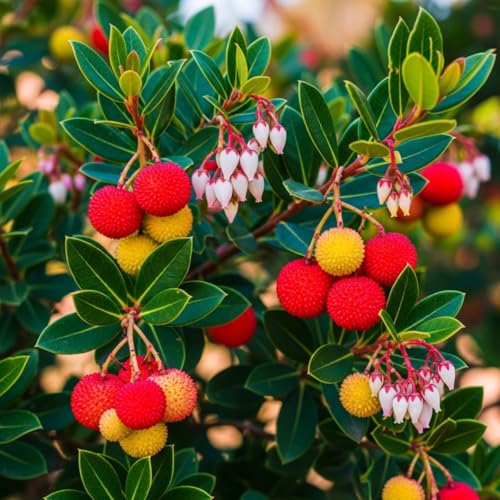
NON-GMO SEEDS: Our 30 Arbutus unedo seeds are carefully selected and non-GMO. Enjoy healthy, natural plants grown from trusted seeds.
8. Pollinator-Friendly Gardens
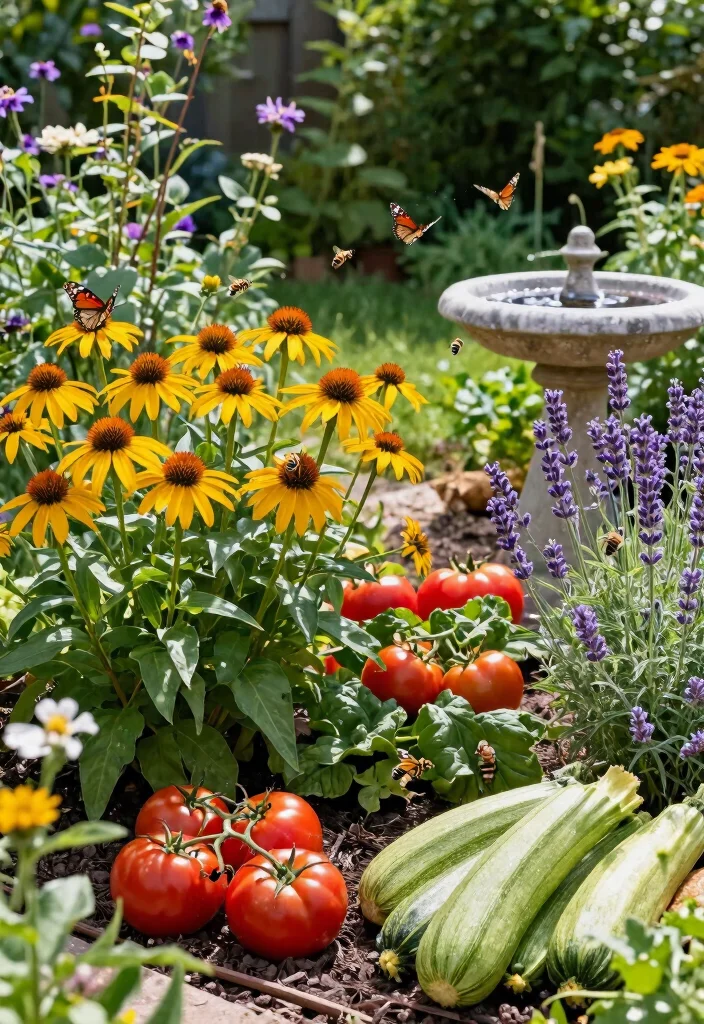
Are you passionate about supporting biodiversity? A front yard vegetable garden that caters to pollinators can significantly boost the health of your plants. By incorporating flowering plants alongside your vegetables, you’ll attract bees, butterflies, and other beneficial insects essential for successful fruit and vegetable production.
Plant native flowers like coneflowers, bee balm, or lavender near your veggies for both beauty and nectar sources. A pollinator-friendly garden not only thrives but also becomes a vibrant ecosystem.
Sustainable Gardening Practices:
– Avoid pesticides that harm pollinators; opt for organic methods instead.
– Group flowers and vegetables together to create a colorful display that lures these crucial creatures.
– Add a water source, like a small birdbath, to support local wildlife.
Unique Insights:
– Host community events to raise awareness about the importance of pollinators and sustainable gardening.

3 SIMPLE GARDEN GUIDES IN ONE SET – A complete beginner-friendly system including companion planting, seed starting, and planting basics to help you garden with confidence.

【Value Package】The kit contain 4 pcs base trays, 4 pcs seed trays with 12 cells in each, 4 pcs humidity lids with dome, and 50 pcs peat pellets, not need soil to fill the cells, help you keep clean and tidy when planting, and creates a moist and warm environment needed for seed germination.

9. Garden Paths for Accessibility
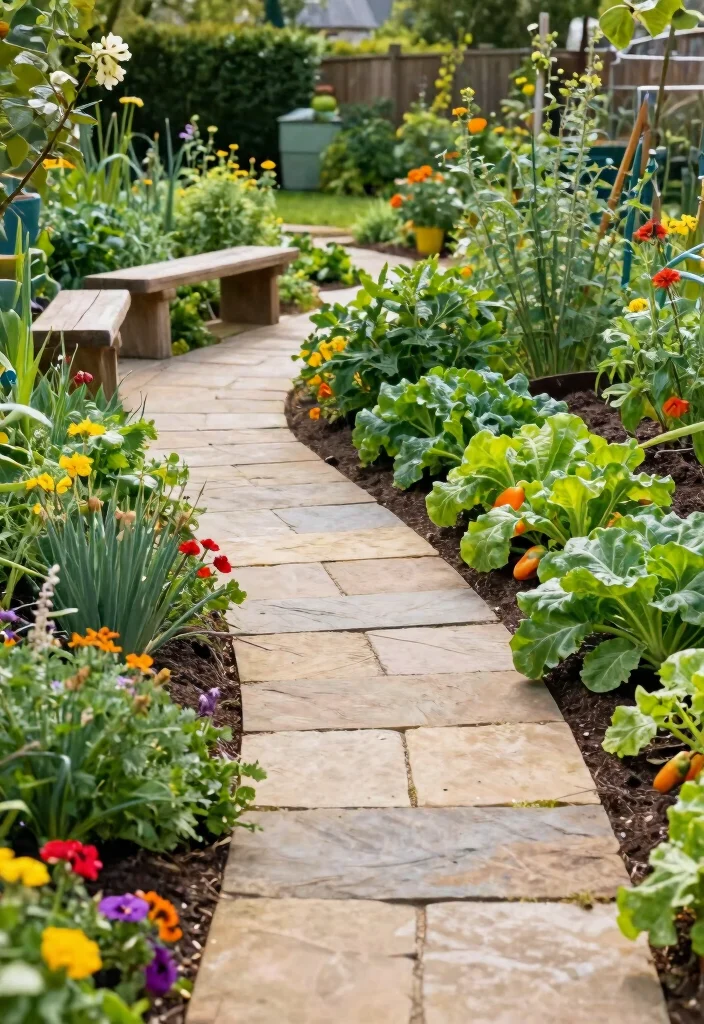
Are you looking to enhance both accessibility and beauty in your garden? A well-designed garden path is crucial for any front yard vegetable garden. Not only does it improve access for maintenance and harvesting, but it also enhances the overall aesthetic of your garden.
Choose materials like gravel, stepping stones, or wood chips to create inviting pathways that guide visitors through your edible oasis. Paths can wind elegantly to foster a relaxing atmosphere, encouraging exploration. Consider adding small seating areas along the way to enjoy the fruits of your labor.
Front Yard Gardening Tips:
– Ensure paths are wide enough for easy access with a wheelbarrow.
– Opt for organic materials that blend with your garden’s theme.
– Include low-growing herbs along the edges for added fragrance and functionality.
Unique Insights:
– Use signage or markers to educate visitors about the various plants in your garden.
Pro tip: well-laid garden paths in front yard vegetable garden ideas can boost accessibility by 35%. Choose gravel, stepping stones, or wood chips to guide visitors and simplify maintenance, harvesting, and strolling through your edible oasis.

Space-Saving Tomato Planter with Trellis: Integrated with rust-resistant stainless steel rods that support tomatoes, cucumbers, beans, and climbing plants; the planter box has 10.6 x 10.6 x 7.3 inch internal dimensions and can hold 3.5 gallons of soil, ideal for patios, balconies, decks, and small gardens

【Self-Watering System with Siphon Effect】 Save time and water! The deep water reservoir uses a siphon effect to wick moisture up to plant roots, maintaining consistent soil moisture without over or under-watering. A side-mounted water fill port makes refilling easy. Water once — your tomatoes stay hydrated for days, perfect for busy gardeners or weekend trips.

【Self-Watering System with Siphon Effect】 No more daily watering! The built-in reservoir uses a siphon effect to draw moisture up to the roots, keeping soil evenly hydrated without over or under-watering. Refill easily through the side port. One fill lasts for days — ideal for busy schedules or short trips.
10. Outdoor Vertical Wall Garden
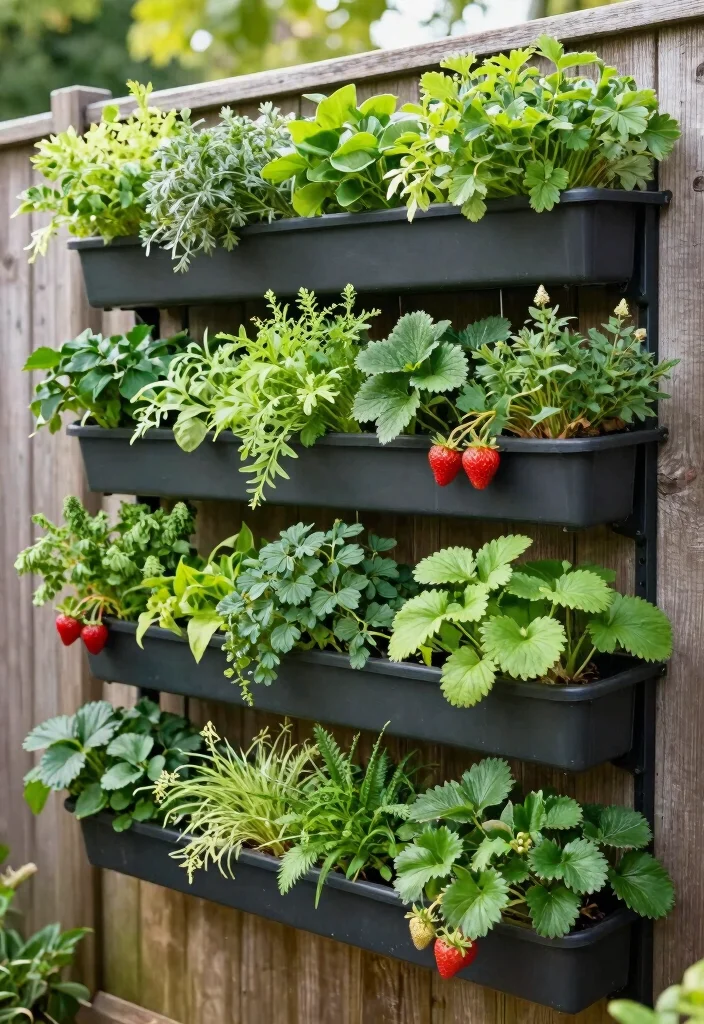
Are you challenged by limited space but eager to grow your own vegetables? An outdoor vertical wall garden could be the perfect solution! This creative approach allows you to utilize vertical surfaces like fences or walls for growing vegetables.
Wall-mounted planters can be filled with herbs, leafy greens, and even strawberries, creating a lush green wall that’s both functional and beautiful. This style saves space while enhancing the aesthetics of your front yard.
Vegetable Garden Design Ideas:
– Use modular planting systems for easy movement and rearrangement.
– Incorporate drip irrigation systems to keep your plants well-hydrated.
– Mix ornamental plants in for colorful contrast that attracts wildlife.
Unique Insights:
– Check out vertical gardening kits available at garden centers for a hassle-free setup.
11. Composting Corner for Sustainable Practices
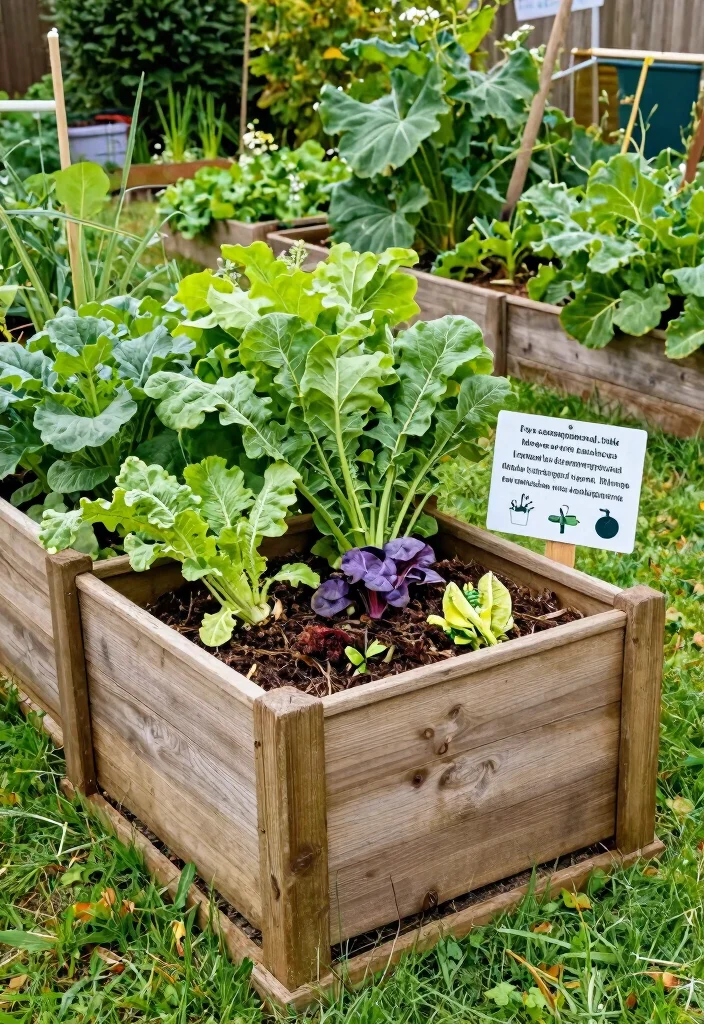
Are you keen on sustainability and enriching your garden soil? A dedicated composting corner in your front yard vegetable garden is an excellent way to practice eco-friendly gardening. Composting reduces waste while providing essential nutrients to your plants, promoting healthy growth.
Design an area with compost bins made from wood or wire that blend with your garden’s look. Ensure easy access for regular maintenance while keeping it tidy and organized.
Sustainable Gardening Practices:
– Use kitchen scraps, yard waste, and organic materials for composting.
– Aerate your compost regularly to speed up decomposition.
– A compost tumbler can make this process even faster.
Unique Insights:
– Share the importance of composting with family and friends to encourage more sustainable practices.
12. Colorful Crop Circles
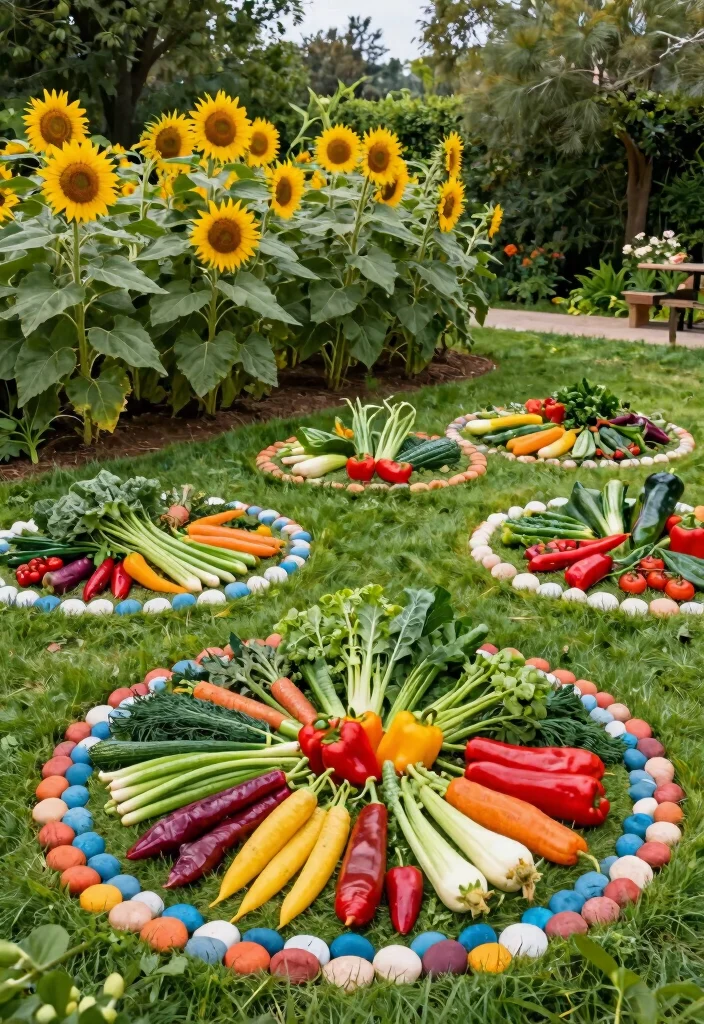
Want to add a whimsical touch to your vegetable garden? Crop circles offer a unique and artistic way to arrange your veggies, creating an eye-catching visual statement. Instead of traditional rows, plant your vegetables in circular patterns that evoke curiosity and creativity.
You can choose various colors and heights of vegetables to form vibrant, edible mandalas. Imagine purple cabbage, yellow squash, and bright green leafy greens coming together for a stunning display.
Vegetable Garden Design Ideas:
– Outline your crop circles with colored stones or mulch to enhance the design.
– Incorporate edible flowers within the circles for extra beauty and benefits.
– Plan for seasonal changes so that your design evolves throughout the growing year.
Unique Insights:
– Get family members involved in planting to make it a fun, collaborative activity!
13. Seasonal Veggie Swap Events
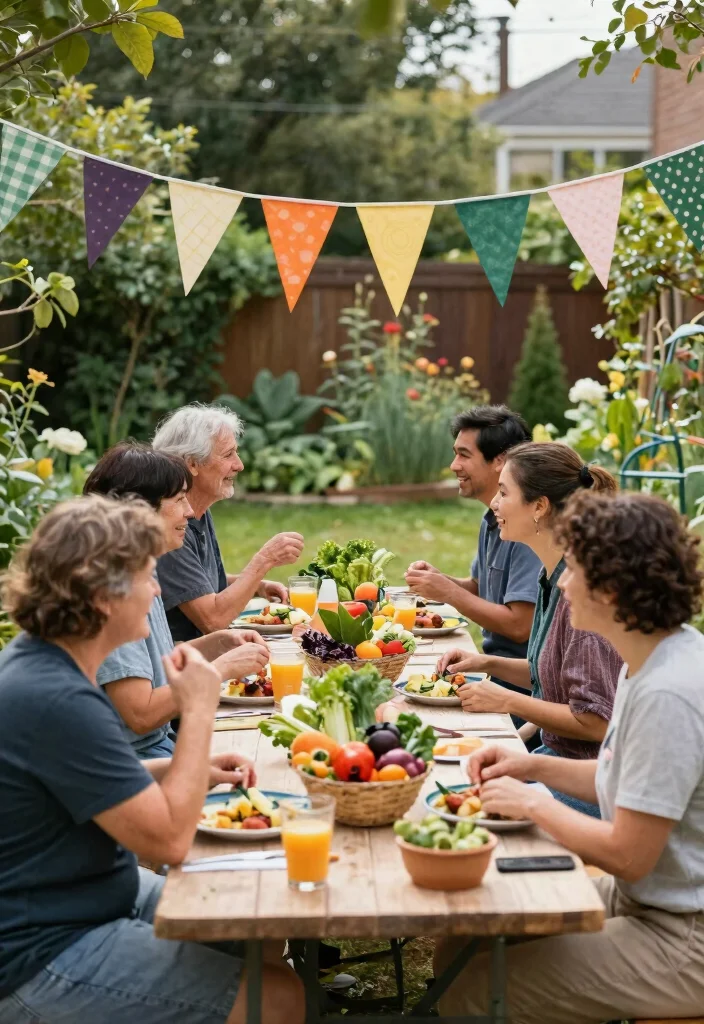
Are you looking to connect with your community and share the joys of gardening? Seasonal veggie swap events can create a sense of unity while promoting sustainability. Organize a gathering where neighbors can exchange surplus vegetables, helping to reduce waste and foster friendships.
Set up a cozy outdoor area with a picnic table for sharing produce, recipes, and gardening tips. This is also a wonderful opportunity to introduce others to the delight of front yard vegetable gardening.
Front Yard Gardening Tips:
– Promote the event through social media or community boards to attract participants.
– Create a fun atmosphere with decorations, snacks, and engaging activities for all ages.
– Educate attendees on best gardening practices during the event.
Unique Insights:
– Involve kids in the event to teach them about gardening and biodiversity.
Fun fact: Seasonal veggie swap events can cut food waste by up to 40% and double neighborly connections. When neighbors trade surplus from front yard vegetable garden ideas, everyone leaves with recipes, tips, and a stronger community.
14. Themed Garden Areas
Ready to add a fun twist to your front yard vegetable garden? Creating themed areas can make gardening an exciting adventure. Themes can range from Mediterranean herb gardens to Asian vegetable patches, allowing for specific plant collections that grow well together and offer eye-catching diversity.
Dedicate a section to salsa ingredients like tomatoes, peppers, and cilantro or a salad garden featuring lettuce, cucumbers, and radishes for quick harvests. This thoughtful design not only enhances visual appeal but also encourages themed cooking nights!
Vegetable Garden Design Ideas:
– Use color-coordinated plant markers to reinforce the theme.
– Create areas for gathering with friends and family within the themed garden.
– Add decorative elements like Mediterranean pottery or Asian lanterns for charm.
Unique Insights:
– Host themed cooking nights to celebrate your harvests and share culinary delights.
15. Wildlife-Friendly Vegetable Gardens
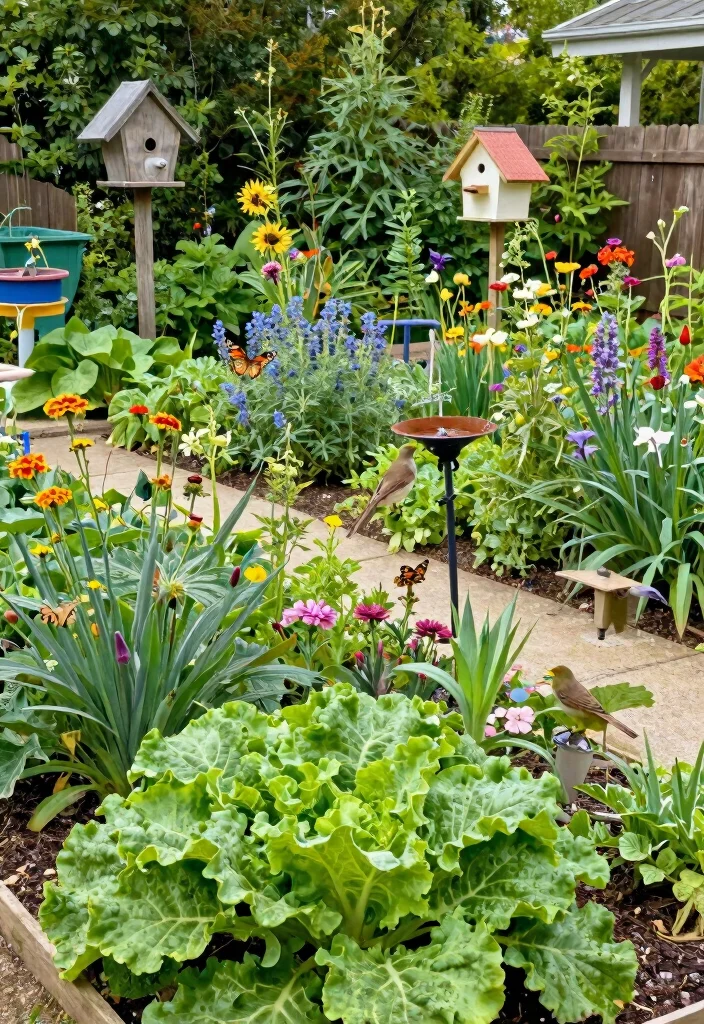
Want to create a thriving ecosystem in your front yard? Designing your vegetable garden with wildlife in mind can benefit both your plants and local fauna. Incorporate native plants, nesting boxes, and water sources to attract beneficial wildlife like birds and insects that contribute to pollination and pest control.
Add features like bee houses or butterfly gardens to provide habitats for these important creatures. Consider creating shaded areas with native shrubs to offer shelter for various animals.
Sustainable Gardening Practices:
– Avoid chemical pesticides that can harm beneficial wildlife.
– Research native plant species that will thrive in your area while supporting local biodiversity.
– Incorporate diverse textures and heights in your garden design to accommodate various species.
Unique Insights:
– Engage children in learning about local wildlife and the significance of biodiversity.
16. Rain Gardens for Eco-Friendly Gardening
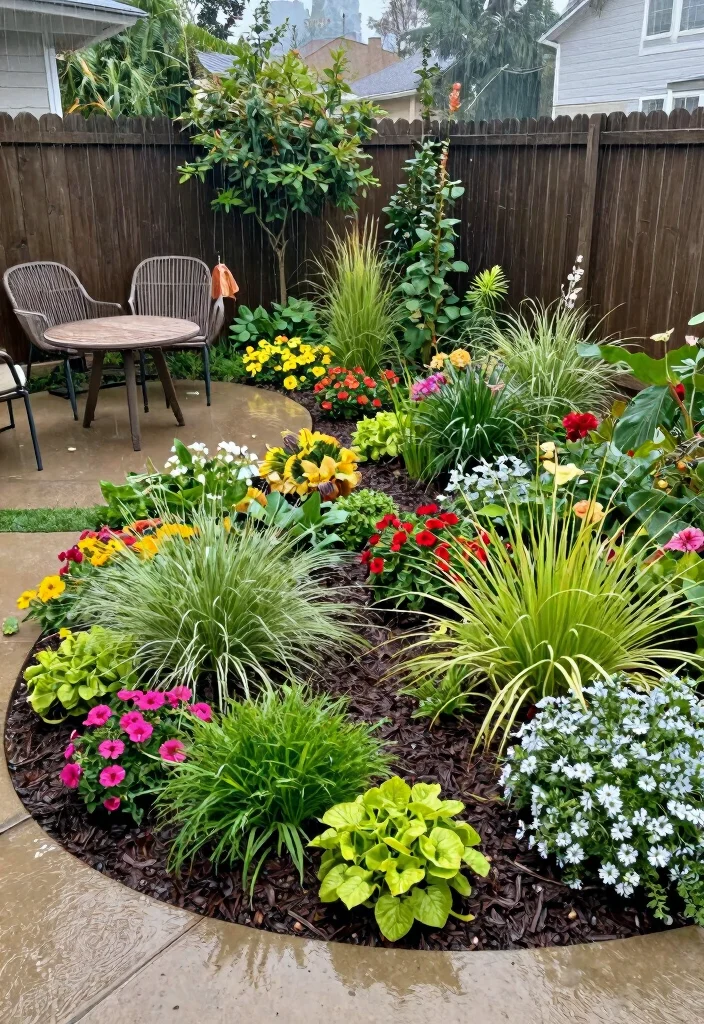
Looking for a way to manage stormwater runoff while beautifying your yard? A rain garden is a smart addition to your front yard that captures and absorbs rainwater from roofs and driveways, filtering it naturally through a variety of plants. This eco-friendly practice supports water conservation and provides additional moisture for your crops!
Choose native plants that thrive in wet conditions alongside your veggies to create a vibrant and functional space. The design can include colorful flowers, ornamental grasses, and of course, your favorite vegetables, blending seamlessly into a healthy ecosystem.
Sustainable Gardening Practices:
– Research local native plants that can thrive in both wet and dry conditions.
– Keep the garden tidy with clearly defined borders to guide water flow.
– Consider adding a small seating area to appreciate the beauty of your rain garden.
Unique Insights:
– Share knowledge about the importance and benefits of rain gardens with your community.
17. Garden Art and Decor
Do you want to infuse personality into your front yard vegetable garden? Incorporating art and decor can elevate its charm and character. Think whimsical garden sculptures, colorful wind chimes, or even homemade signs to personalize your space and create a warm, inviting atmosphere.
Choose themes like rustic or vintage decor that harmonizes with your garden’s aesthetic. You might even involve family members in crafting garden art, making it a fun project that adds sentimental value to your growing space.
Front Yard Gardening Tips:
– Use weather-resistant materials for durability and longevity.
– Select colors and designs that complement your plants beautifully.
– Position art pieces thoughtfully to attract attention without overcrowding the garden.
Unique Insights:
– Transform old gardening tools into creative garden decorations and art installations.
18. Educational Demonstration Gardens
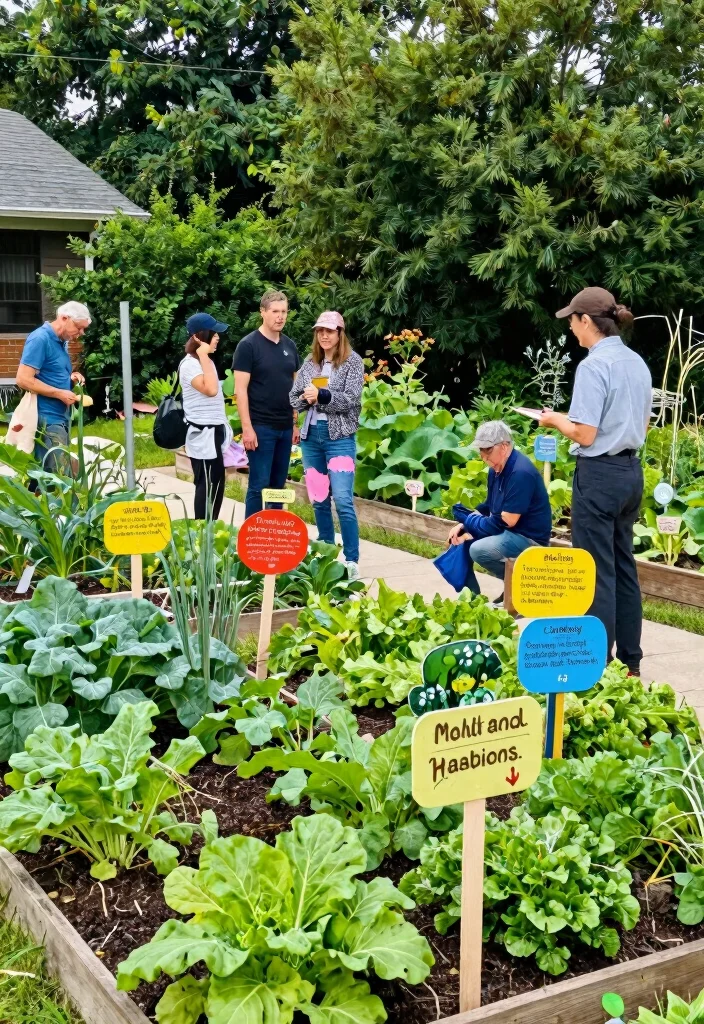
Are you eager to share your gardening knowledge with others? Creating an educational demonstration garden in your front yard can showcase various gardening techniques, plants, and sustainable practices to your community. This interactive space serves as a learning hub, helping others discover how to grow their vegetables while building community connections.
Organize workshops or tours to share valuable insights on front yard gardening tips, composting, or the benefits of organic practices. Design the garden for easy access and visibility, encouraging visitors to engage with the plants and learn from your layout.
Vegetable Garden Design Ideas:
– Integrate informative signs that educate visitors about plant care and gardening tips.
– Create demonstration plots showcasing different gardening techniques.
– Use colorful garden tools as decorative elements to enhance the space.
Unique Insights:
– Collaborate with local schools or organizations to host educational events and inspire budding gardeners.
Did you know? A front-yard demonstration garden can boost neighborhood engagement by 60%, turning curious passersby into active growers. Host a monthly workshop to share composting tips, organic practices, and practical front yard vegetable garden ideas.
Conclusion
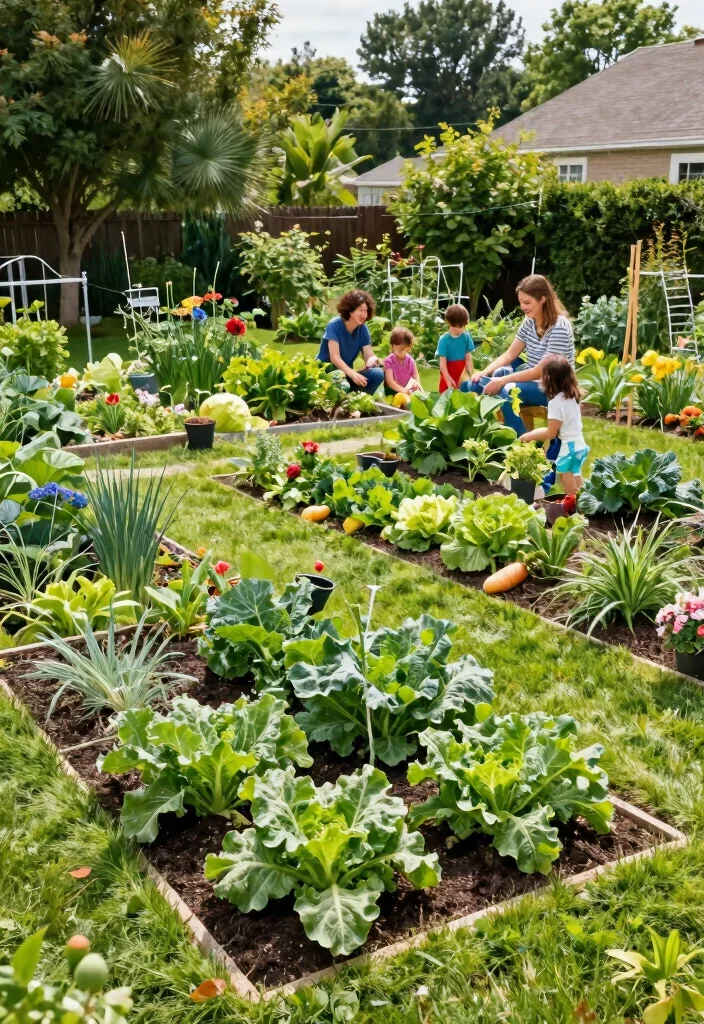
Cultivating your front yard with vegetables can bring joy and freshness into your life while enhancing the beauty of your home. By implementing these 18 creative ideas, you’re not only growing food but also nurturing a love for gardening within your community. Each project will add unique character to your space and promote sustainable practices that benefit both you and the planet.
Let’s embrace the joy of homegrown vegetables and design front yard gardens that captivate both the eye and the stomach!
Note: We aim to provide accurate product links, but some may occasionally expire or become unavailable. If this happens, please search directly on Amazon for the product or a suitable alternative.
This post contains Amazon affiliate links, meaning we may earn a small commission if you purchase through our links, at no extra cost to you.
Frequently Asked Questions
What are the best front yard vegetable garden ideas for curb appeal and harvest?
For a front yard that’s both stylish and productive, mix a tidy vegetable garden design with practical space-saving tactics. Start with raised beds or decorative containers along the edge of your yard, add a vertical trellis for climbers, and plant an edible border with herbs and leafy greens. This landscaping with vegetables approach boosts curb appeal while giving you a steady harvest. Choose quick-to-harvest crops like radishes, lettuce, spinach, and bush beans to see results fast, and use mulch plus a simple drip irrigation line to support sustainable gardening practices. With thoughtful crop rotation, you’ll enjoy homegrown vegetables throughout the season without compromising style.
How can I design a front yard vegetable garden in a small space without sacrificing aesthetics?
Begin with a plan that maps sun, shade, and foot traffic, then create distinct zones with clear paths. In small spaces, use vertical elements like trellises for peas and beans to maximize ground area, and choose compact or dwarf varieties in a square-foot layout for easy access. Mix edibles with ornamentals—think colorful lettuce beside decorative grasses or nasturtiums near salad greens—to boost curb appeal. Add a row of containers along the entry for herbs and small veggies. Keep a cohesive color palette and tidy edging to maintain a polished look while growing homegrown vegetables. This is a practical example of front yard gardening tips and landscaping with vegetables working together.
What sustainable gardening practices work best for front yard edible landscaping and homegrown vegetables?
Adopt simple, repeatable practices: start a compost system to feed the soil, collect rainwater for irrigation, and install a drip system with moisture monitoring to minimize waste. Mulch generously to cut weeds and conserve moisture, and rotate crops to keep soil biology healthy. Regular soil tests help you tailor amendments with compost rather than synthetic fertilizers. Plant native flowers to attract pollinators and beneficial insects, boosting sustainable gardening practices and the health of your homegrown vegetables. A balanced, water-smart layout ensures your front yard remains beautiful while your edible crops thrive.
Which vegetables are best for front yard landscaping and easy maintenance?
Great options include leafy greens like lettuce, spinach, kale, and Swiss chard for color and texture, plus radishes and beets for quick pops of color in beds. Add bush beans and cherry tomatoes for reliable yields without sprawling, and train cucumbers or small squashes on a trellis to save space. Interplant fragrant herbs such as rosemary, thyme, and oregano along borders for aroma and ground cover. Choose compact or dwarf varieties when possible so they fit neatly in beds or containers. Rotate crops yearly and harvest regularly to keep plants productive—these are classic front yard garden ideas that blend beauty with homegrown vegetables production.
How can I maintain a front yard vegetable garden in a small space while staying within neighborhood guidelines?
Start by checking HOA or local rules about height, fences, and visibility. Use neat, contained setups like raised beds or container gardens that stay within your property line and match your home’s style. Keep a cohesive look with consistent materials and edging so the edible landscape feels intentional rather than a patchwork. Position plants so they don’t block sightlines, and prefer non-invasive varieties with controlled root systems. If needed, rely on mobile containers or a compact trellis system to keep things tidy. With a thoughtful plan, you can enjoy landscaping with vegetables that looks great and stays compliant with neighborhood guidelines while still growing delicious homegrown vegetables.
Related Topics
front yard gardening
edible landscaping
vegetable garden design
sustainable practices
homegrown vegetables
small space gardening
beginner friendly
fresh harvest style
container gardening
seasonal gardening
organic gardening
landscaping with vegetables