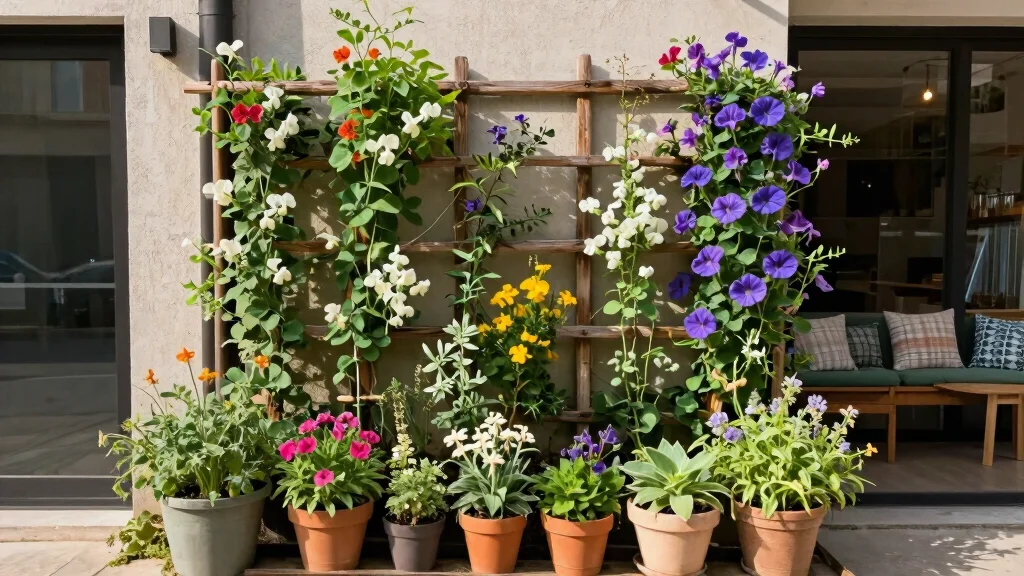
Are you ready to turn your garden into a stunning vertical oasis? With limited space, many of us are looking for ways to maximize our outdoor areas. That’s where climbing plants and trellises come into play. I created this guide because I want to share some creative and practical ideas for incorporating climbing plants in small spaces. If you’re passionate about gardening and eager to transform your yard, balcony, or patio, you’re in the right place.
This post is for anyone who loves to garden, whether you’re a seasoned pro or just starting out. If you’ve been seeking ways to add a touch of beauty and greenery to your home, you’ll find plenty of inspiration here. I’ve pulled together 16 climbing plants trellis ideas that are not only visually appealing but also practical for small spaces. Each idea offers unique features, helping you achieve that lush, vertical look while making the most of your available space.
From classic wooden designs to innovative DIY options, these ideas will not only beautify your surroundings but also provide support for your favorite climbing plant varieties. Get ready to explore stunning trellis designs and find the perfect fit for your home. Let’s dive into the world of vertical gardening and discover how you can elevate your outdoor space!
Key Takeaways
– Discover 16 unique climbing plants trellis ideas that fit well in small spaces, helping you make the most of your garden area.
– Learn about various materials like wood, metal, and bamboo that can be used to build stunning trellises that enhance your garden’s aesthetic.
– Explore different trellis styles, from classic wooden lattice to modern wire designs, that suit various tastes and settings.
– Find practical tips on how to choose the right climbing plant varieties that thrive in your specific environment, ensuring a lush display.
– Get inspired by DIY trellis projects and how you can repurpose items around your home for a creative touch in your vertical garden design.
1. Classic Wooden Lattice
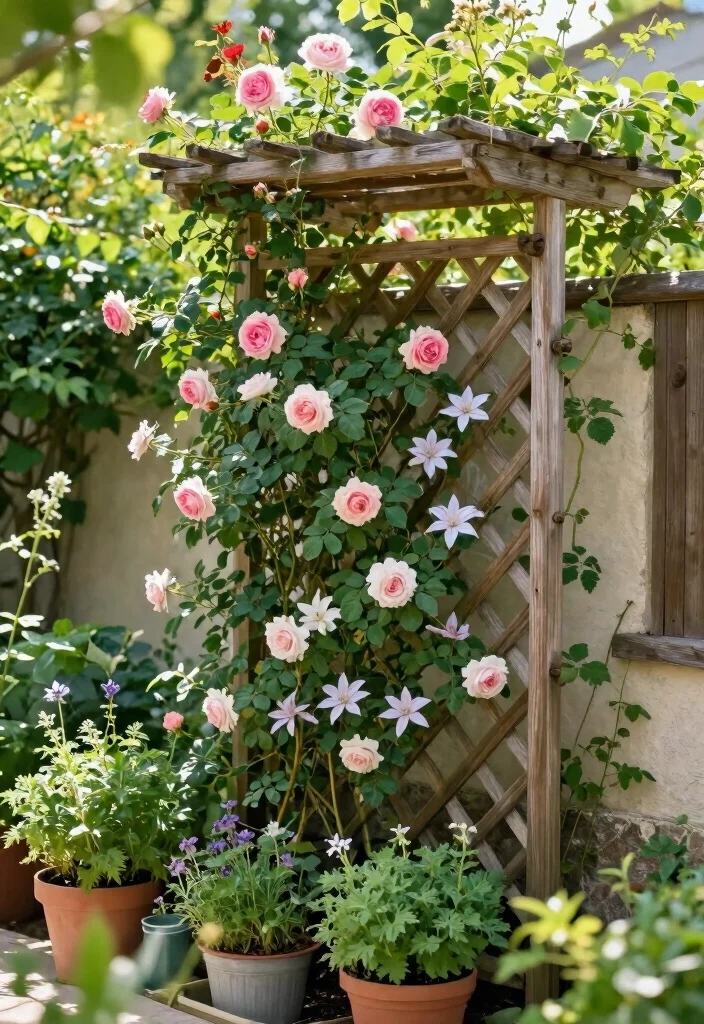
If you’re looking for a timeless addition to your garden, a classic wooden lattice trellis is the way to go. Not only does it provide robust support for climbing plants, but it also adds a rustic charm that enhances your outdoor aesthetic. The open design lets in plenty of sunlight and air, which are vital for keeping your plants healthy and vibrant.
To achieve this look, choose untreated cedar or redwood that naturally resists decay. Attach the lattice to a wall or fence for a polished finish, and watch as climbing roses, clematis, or grapevines thrive against this backdrop, showcasing their stunning blooms effortlessly.
Key tips for success:
– Regularly prune climbing plants for better growth management.
– Paint your lattice to add a splash of color to the garden!
– Combine different climbing varieties for a beautiful visual tapestry.
Suggested plant varieties:
– Climbing Roses
– Clematis
– Grape Vines
2. Metal Arches for a Romantic Touch
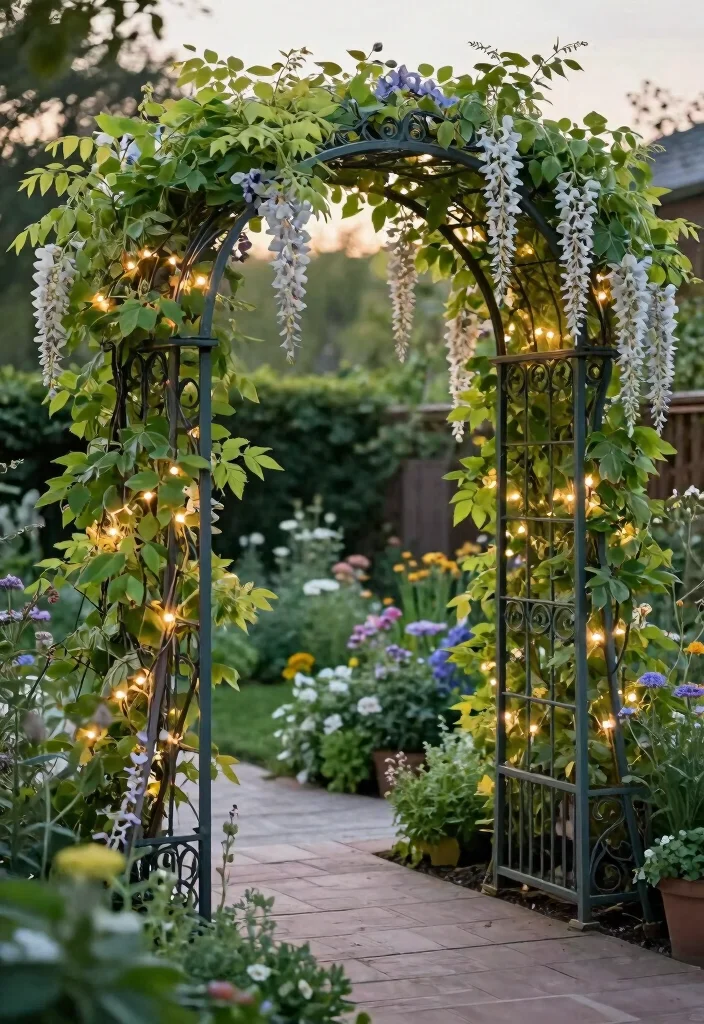
Metal arches can transform your vertical garden into a romantic retreat. These elegant structures not only act as beautiful focal points but also draw the eye upward, giving the illusion of more space. Perfect for smaller gardens, they help shift attention away from the ground and highlight your climbing plants.
Select an arch with intricate patterns or a sleek, modern design to complement your garden’s style. Wisteria, morning glories, and climbing hydrangeas will flourish as they twist around the arch, creating a breathtaking display of color and texture.
Helpful tips to consider:
– Secure the base of the arch to withstand strong winds.
– Opt for perennial climbing plants for lasting beauty year after year.
– Add fairy lights to create a magical ambiance at night!
Recommended plant varieties:
– Wisteria
– Climbing Hydrangeas
– Morning Glories
3. Vertical Pallet Garden
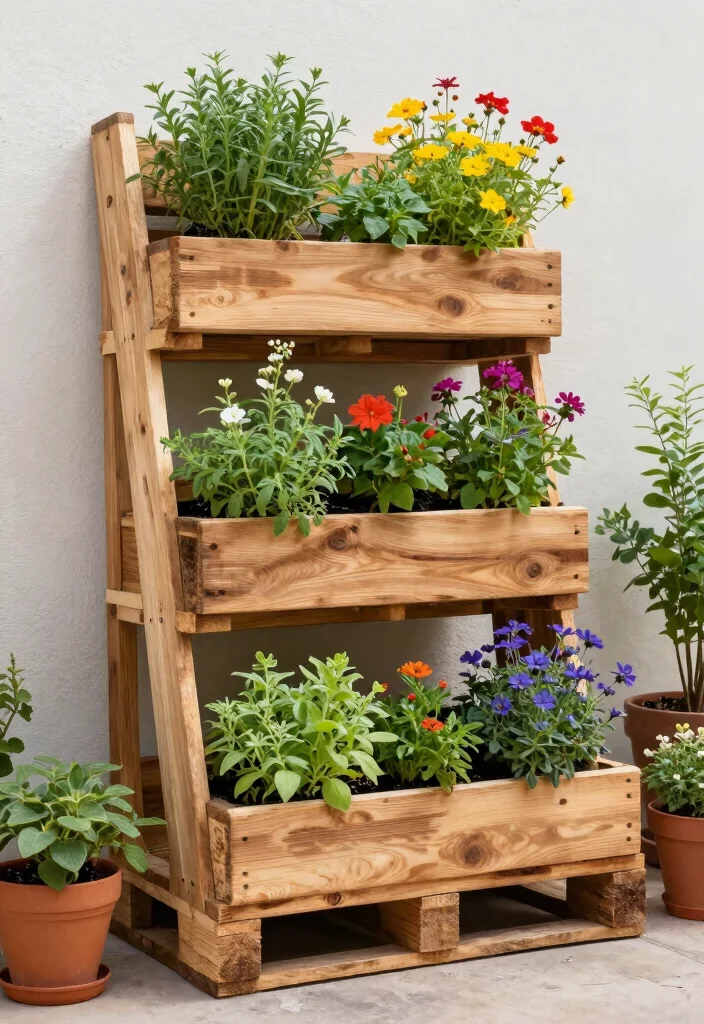
Creating a vertical garden from a wooden pallet is a fun and budget-friendly project. Pallets are often easy to find and repurpose, adding unique character to your space. This vertical garden is perfect for growing herbs, small flowers, or even strawberries, making the most of limited space.
Begin by cleaning the pallet and applying a wood sealant to protect it from the elements. Fill the slats with soil and tuck in your plants, then lean it against a wall or fence. Before you know it, your vertical garden will be flourishing with life!
Smart tips for success:
– Use lightweight soil to keep the pallet manageable.
– Monitor moisture closely, as vertical gardens dry out faster.
– Consider painting the pallet for a fun pop of color!
Top plant choices:
– Herbs (like basil and mint)
– Strawberries
– Small flowering plants
4. DIY PVC Pipe Trellis
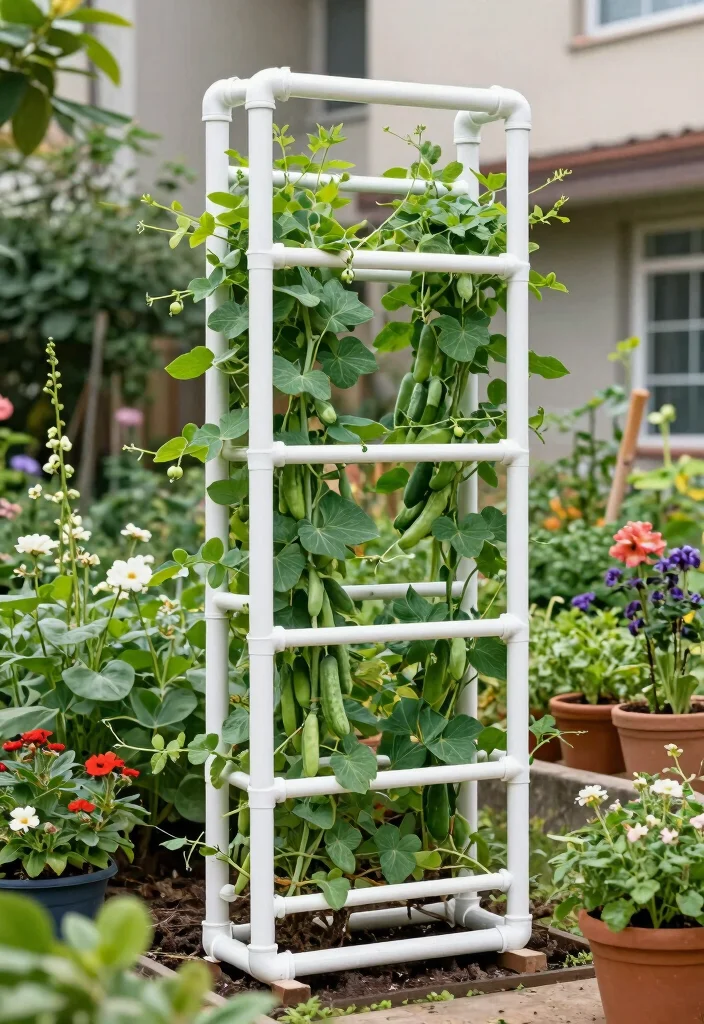
For a modern and creative approach, try building a trellis using PVC pipes. This lightweight and durable material allows for endless design possibilities, making it easy to customize to your gardening needs. You can create various shapes or ladder designs that fit perfectly in your garden space, turning it into an exciting DIY project.
Simply cut the PVC pipes to your desired lengths and use connectors to assemble your trellis. Once it’s set up, climbing plants like peas or cucumbers can easily attach themselves and thrive on this supportive structure.
Practical tips for a successful build:
– Paint the PVC pipes for an added visual appeal.
– Stabilize the base well, especially for taller designs.
– Use netting or string to help smaller plants climb effectively.
Best plant options:
– Climbing Peas
– Cucumbers
– Pole Beans
5. Charming Brick Wall Trellis
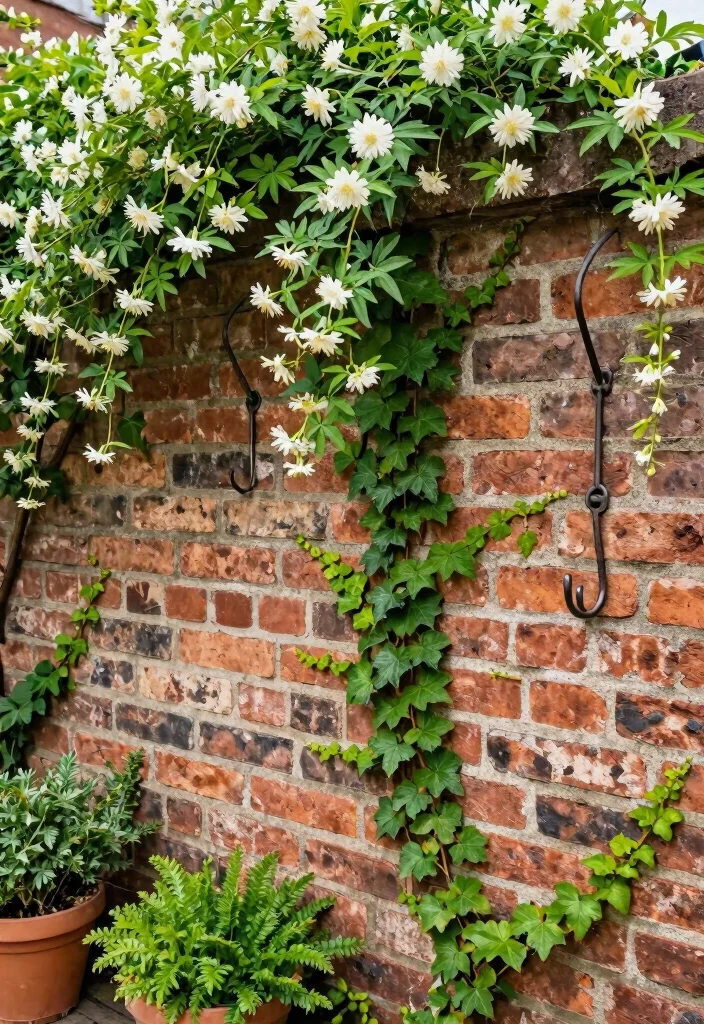
Enhancing your existing brick wall with climbing plants can create a stunning focal point in your garden. A brick wall trellis offers a beautiful rustic backdrop, allowing vibrant greenery to flourish against the textured surface. The combination of bricks and plants creates dynamic visual contrasts that elevate your outdoor space.
Utilize wall-mounted hooks or trellis panels to give structure to your climbing plants. Vines such as ivy, jasmine, or climbing roses will thrive, adding both color and fragrance to your garden atmosphere.
Key tips for planting success:
– Ensure ample support for heavier climbing plants.
– Mix various plant types for diverse textures and colors.
– Install a drip irrigation system for easy watering.
Recommended plant varieties:
– Climbing Roses
– Jasmine
– Ivy
6. Trellis Screen for Privacy
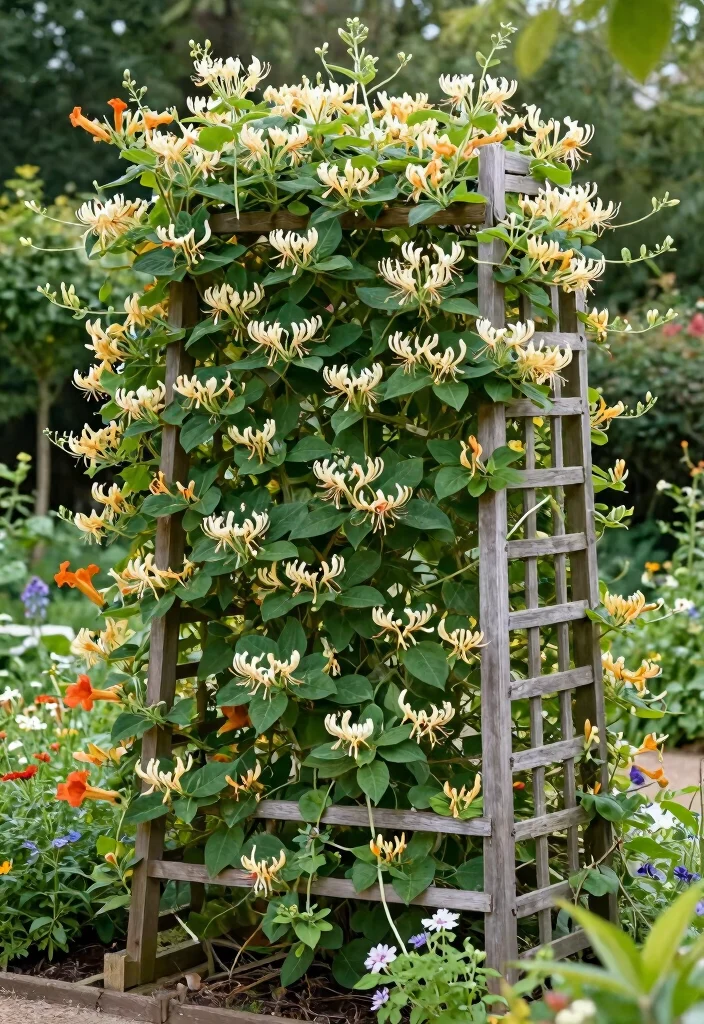
If privacy is your priority, creating a trellis screen filled with climbing plants can be an effective solution. This setup not only blocks unwanted views but also creates a lush, green space that enhances your outdoor environment. It’s a beautiful way to add both functionality and aesthetics to your yard.
Build a trellis panel to fit your desired size and securely attach it to the ground. Fast-growing climbing plants like honeysuckle or trumpet vine will provide the coverage you need, transforming your space into a private oasis.
Helpful tips for installation:
– Choose fast-growing varieties for quicker results.
– Train your plants to climb along the trellis using garden twine.
– Add a sheer fabric layer behind the trellis for extra privacy.
Suggested plant varieties:
– Honeysuckle
– Trumpet Vine
– Climbing Fuchsia
7. Vertical Garden Frame
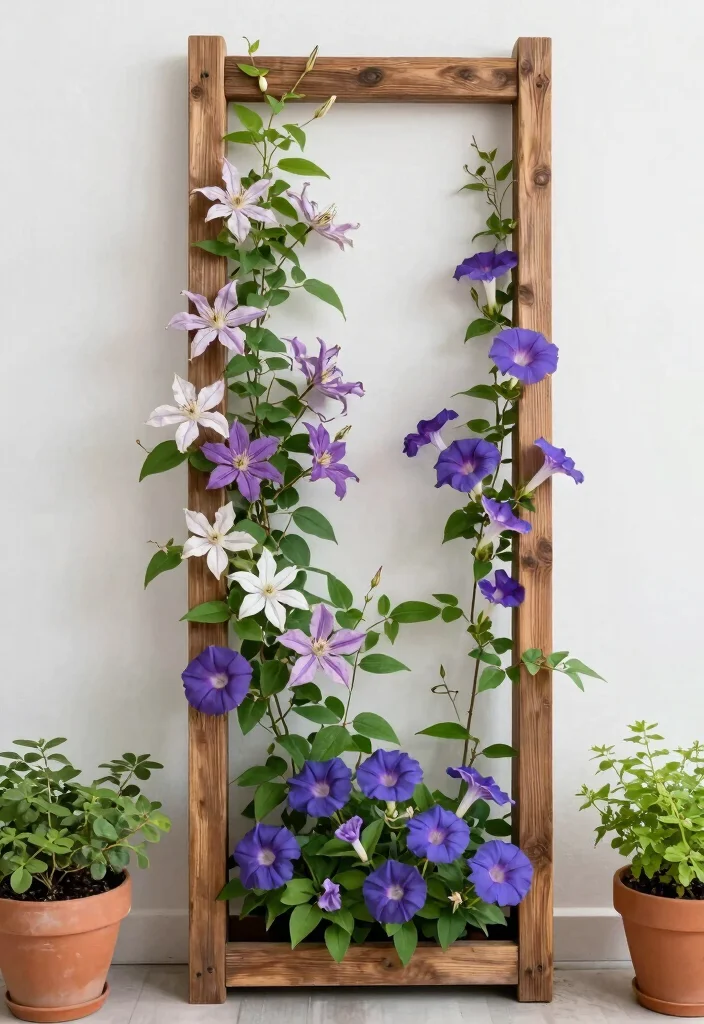
Utilizing a vertical garden frame is a stunning approach to showcase climbing plants while adding unique garden art. You can create these frames from various materials, including wood, metal, or even repurposed furniture. This design allows you to hang it on a wall or create a freestanding version, depending on your space needs.
Design your frame to suit your space and plant requirements. Opt for flowering climbers like clematis or morning glories that will create an eye-catching display as they grow.
Smart tips for installation:
– Incorporate varying heights for a dynamic visual effect.
– Ensure the frame has adequate support for heavier plants.
– Use colorful planters to enhance the overall look.
Recommended plant choices:
– Clematis
– Morning Glories
– Hops
8. Framework of Treated Bamboo
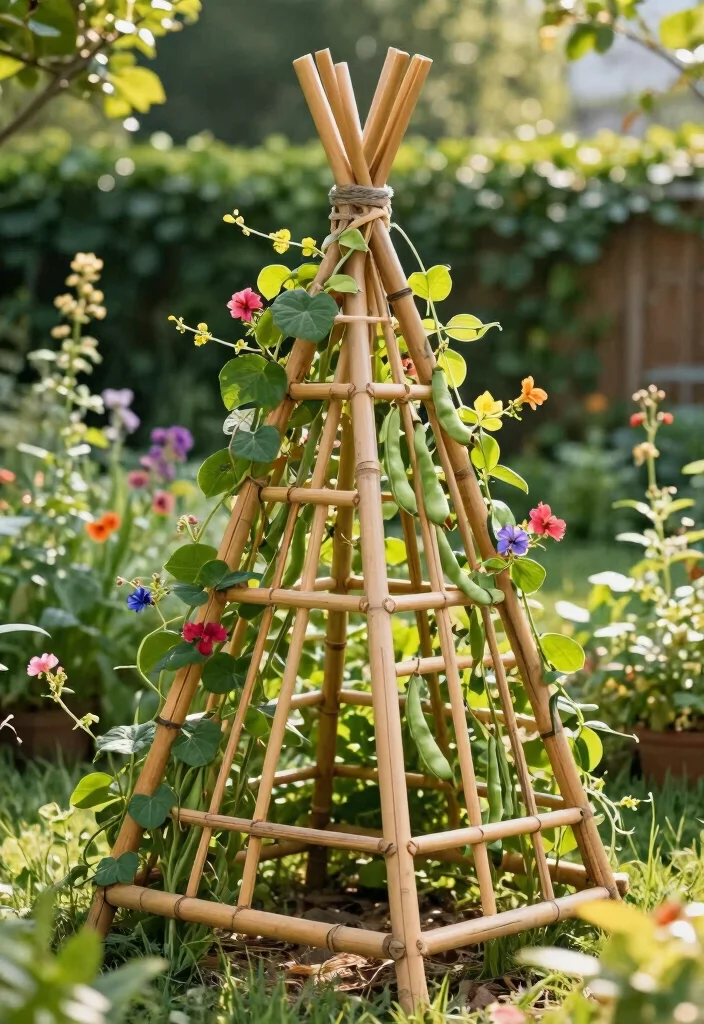
Bamboo is an eco-friendly and stylish option for creating a trellis. Its natural look adds warmth and a unique aesthetic to your garden. You can arrange bamboo poles in various formations to support climbing plants, allowing your creativity to shine.
Start by securing the bamboo poles into the ground, forming a teepee or grid shape. Plants like beans, peas, and flowering vines will thrive as they climb and spread across this beautiful structure.
Helpful tips for setup:
– Use twine to connect bamboo poles securely.
– Select sun-loving plants for optimal growth.
– Treat bamboo with natural oils to extend its lifespan outdoors.
Suggested plant varieties:
– Climbing Beans
– Peas
– Flowering Vines
9. Wire Trellis for Modern Gardens
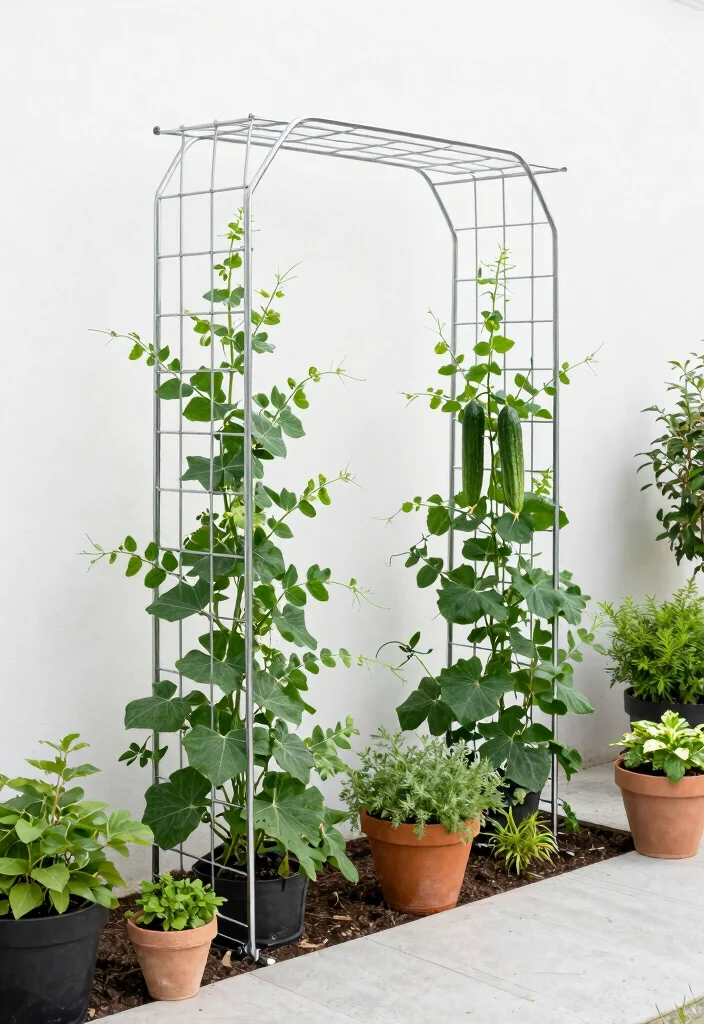
Wire trellises offer a sleek, modern look that fits perfectly in contemporary gardens. Their minimalistic design creates a backdrop that allows your plants to take center stage. Plus, the wire structure is easy to install, making it a practical choice for any gardener.
Create a grid pattern using galvanized wire attached to wooden or metal frames. This setup allows climbing plants like peas, cucumbers, or smaller flowering vines to climb effortlessly, enhancing your garden’s visual appeal.
Key tips for installation:
– Secure the wire tightly to support climbing plants.
– Mix different climbing plants for added interest.
– Use planters beneath the trellis for extra greenery.
Best plant options:
– Peas
– Cucumbers
– Small Flowering Vines
Wire trellis styling gives climbing plants trellis a sleek, modern edge for your garden. Build a simple grid with galvanized wire and let peas, cucumbers, or flowering vines climb proudly. It’s quick, sturdy, and instantly elevates any space.
Key Trade-offs & Our Top Pick
1. Classic Wooden Lattice
– Pros:
– Timeless design that complements any garden style.
– Easy to install and customize for different climbing plants.
– Cons:
– Can rot over time if not properly treated.
– Requires regular maintenance to keep it looking fresh.
– Best for: Traditional garden aesthetics and homeowners who enjoy DIY projects.
2. Metal Arches for a Romantic Touch
– Pros:
– Sturdy and long-lasting, suitable for climbing roses and vines.
– Adds an elegant focal point to your garden.
– Cons:
– Higher cost compared to wooden options.
– Can be heavy and may require professional installation.
– Best for: Creating a stunning entryway or garden feature.
3. Vertical Pallet Garden
– Pros:
– Eco-friendly and budget-friendly option using recycled materials.
– Perfect for small spaces as it maximizes vertical gardening potential.
– Cons:
– Limited durability, may need replacing after a few seasons.
– Can be tricky to plant and maintain as plants grow.
– Best for: Gardeners looking to repurpose materials in a small area.
4. DIY PVC Pipe Trellis
– Pros:
– Lightweight and easy to move around your garden.
– Simple to build, making it a great DIY project for beginners.
– Cons:
– May not support heavier climbing plants due to flexibility.
– Less aesthetically pleasing than wooden or metal options.
– Best for: Budget-conscious gardeners wanting a quick solution.
5. Geometric Trellis Designs
– Pros:
– Unique and modern look that adds visual interest to your space.
– Versatile for various climbing plants and flowers.
– Cons:
– Can be challenging to find in local stores; may require custom orders.
– Potentially more expensive than traditional designs.
– Best for: Modern gardens that want a stylish touch.
Expert Recommendation:
Best Overall: Classic Wooden Lattice
The classic wooden lattice trellis is our top pick for most gardeners. It offers excellent value for money, is easy to install, and works well for a variety of climbing plants. Whether you’re growing tomatoes, peas, or beautiful flowering vines, this option combines functionality with a timeless aesthetic that suits any garden design.
Why We Picked This:
While the classic wooden lattice is ideal for many, some may prefer the sleek look of metal arches or the eco-friendly aspect of a pallet garden. If you’re looking for something modern or have specific durability needs, consider those options. Each trellis has its strengths, so choose what fits your gardening style and space best!
10. Repurposed Garden Furniture
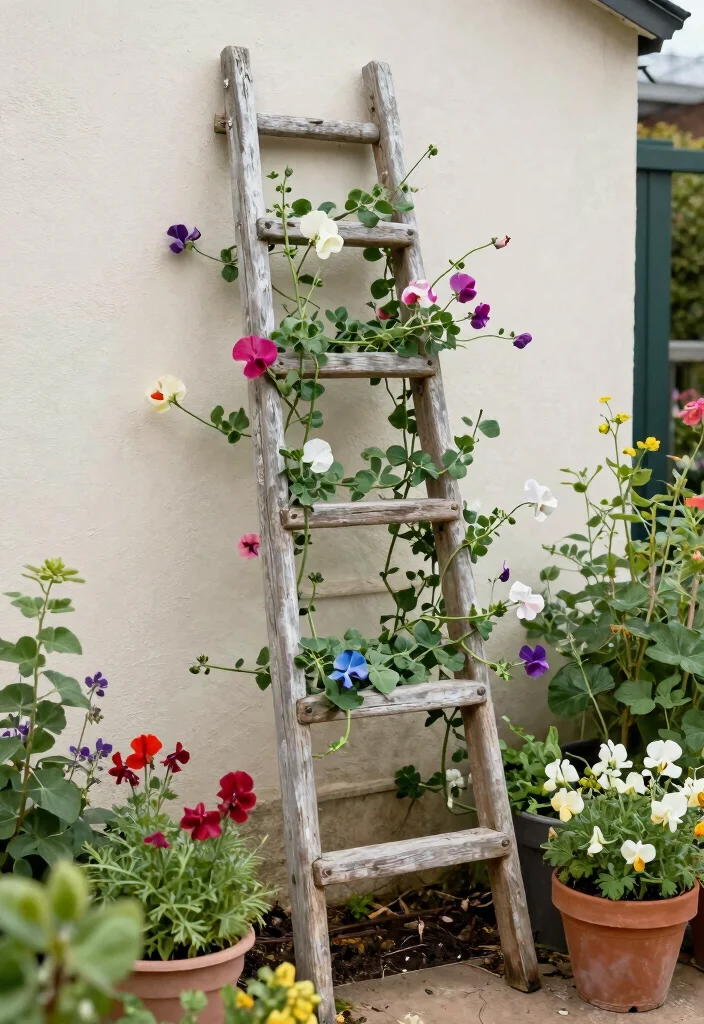
Breathe new life into old garden furniture by transforming it into a trellis! An old ladder, chair, or table can provide a charming support structure for your climbing plants. This creative solution is perfect for those wanting to add vintage flair to their outdoor space.
Secure the furniture against a wall or fence and plant climbing varieties at its base. As your plants grow, they’ll weave through the furniture, creating a whimsical focal point that draws the eye.
Smart tips for using furniture:
– Ensure the structure is sturdy and secure.
– Use twine to guide plants as they grow.
– Choose fast-growing varieties for quick coverage.
Recommended plant varieties:
– Sweet Peas
– Climbing Beans
– Flowering Vines
11. Vertical Garden Bags
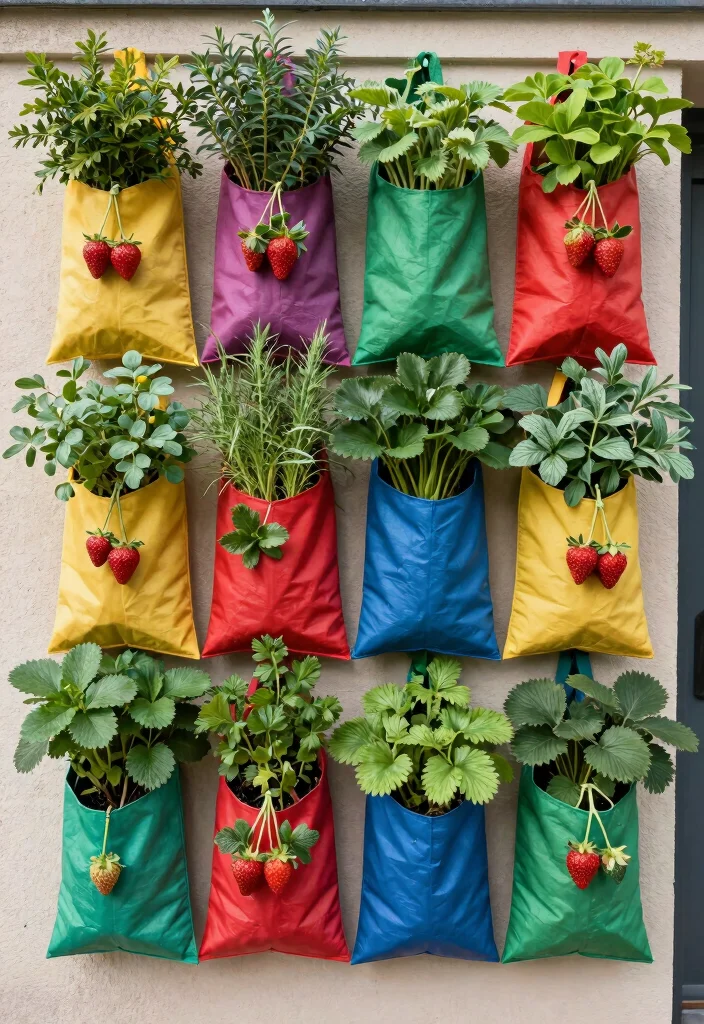
Vertical garden bags are an excellent solution for gardening in tight spaces. These bags come equipped with pockets for plants and can be hung on a wall or balcony, maximizing your gardening potential. Ideal for herbs, strawberries, or decorative flowers, they provide a fresh, space-efficient solution.
Select durable, weather-resistant fabric to ensure your vertical garden lasts. Hang the bags vertically and fill each pocket with rich soil and your chosen plants, creating a vibrant display.
Helpful tips for success:
– Ensure bags have proper drainage to prevent water buildup.
– Rotate plants for even sunlight exposure.
– Opt for lightweight plants for the best results.
Suggested plant varieties:
– Herbs (like basil and parsley)
– Strawberries
– Small flowering plants
12. Geometric Trellis Designs
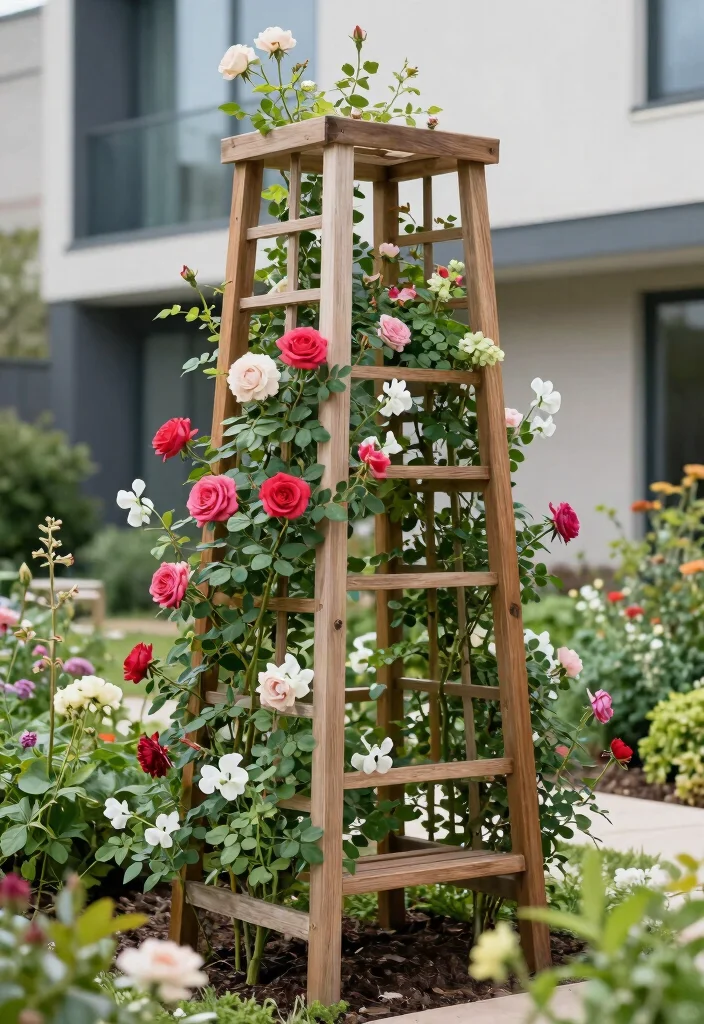
Geometric trellis designs bring a modern flair to traditional gardening. By utilizing shapes like triangles, squares, and hexagons, you can create eye-catching visual statements while supporting your climbing plants. This innovative design is perfect for contemporary gardens or minimalist themes.
Construct your geometric trellis using wood, metal, or even recycled materials. Choose adaptable plants like climbing roses or sweet peas that complement these angles and shapes, creating a stunning backdrop.
Smart tips for installation:
– Mix different shapes for a dynamic visual appeal.
– Use contrasting colors in your plants and materials for interest.
– Ensure stability, especially for larger designs.
Best plant options:
– Climbing Roses
– Sweet Peas
– Ivy
13. Hanging Trellis Planters
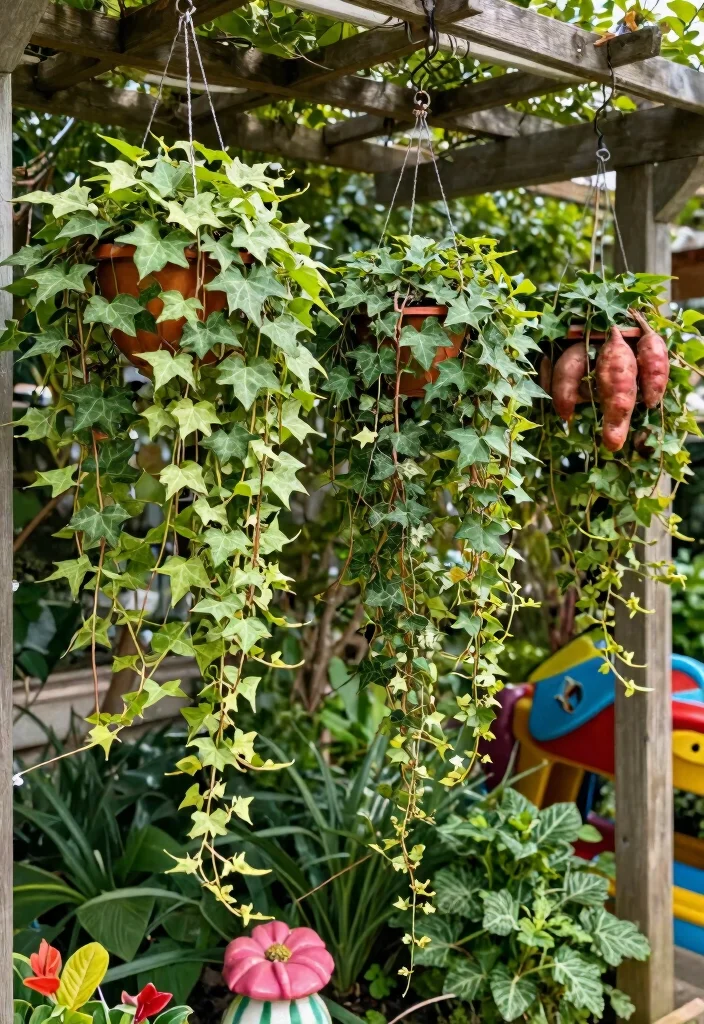
Hanging trellis planters are an ingenious way to incorporate vertical gardening into any outdoor area. These planters allow you to suspend your climbing plants at different heights, creating a beautiful cascading effect that draws attention.
Use strong chains or ropes to hang the planters from a sturdy structure, ensuring they are adequately supported. Choose trailing plants like ivy or sweet potatoes to create a stunning display that adds dimension to your garden.
Key tips for installation:
– Use lightweight planters to make hanging easier.
– Ensure proper drainage to keep plants healthy.
– Regularly check the support for safety.
Recommended plant varieties:
– Ivy
– Sweet Potatoes
– Trailing Flowers
Fun fact: Elevating climbing plants trellis with hanging planters at three different heights creates 60% more visual depth in small spaces. Pair with sturdy hardware and trailing ivy for a dramatic, practical display.
14. A Frame Trellis for Vegetables
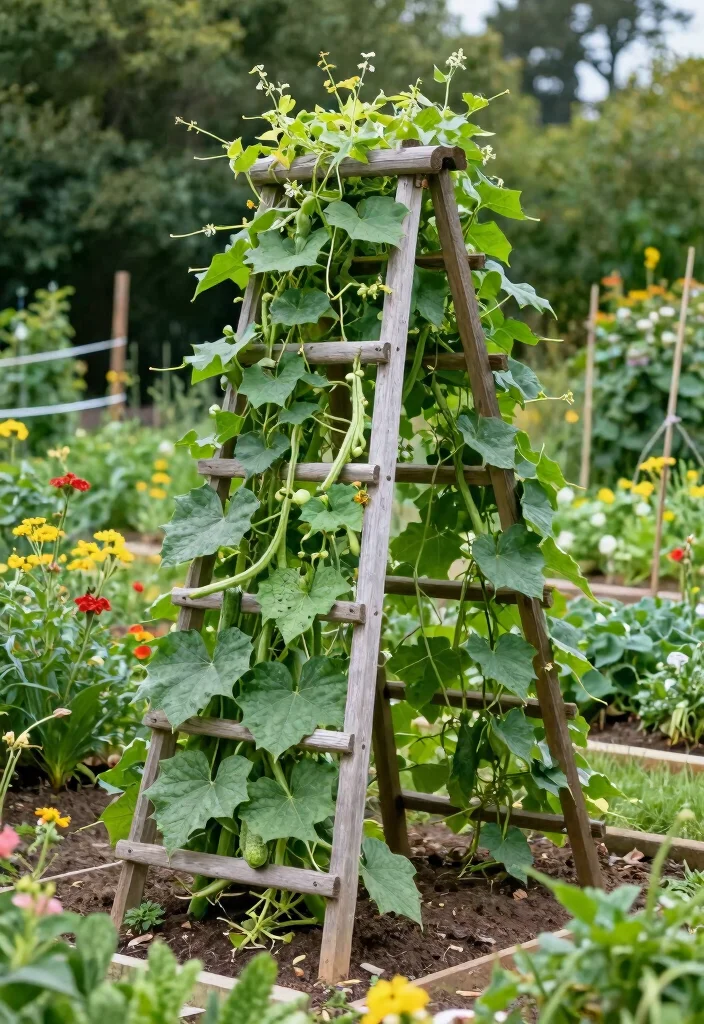
A frame trellises are a fantastic option for vegetable gardens, allowing plants to grow upward and maximize space. This setup keeps produce off the ground, ensuring that they receive adequate sunlight and air circulation. Ideal for climbing vegetables like beans or cucumbers, these trellises encourage healthy growth.
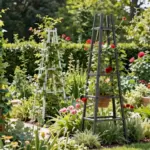
Construct a simple A-frame using wooden beams or bamboo poles. This design offers stability while supporting your plants as they flourish.
Smart tips for installation:
– Choose a location with full sun for optimal results.
– Regularly check for pests that may hide among the plants.
– Rotate your crops each season for improved soil health.
Suggested plant varieties:
– Climbing Beans
– Cucumbers
– Peas
Fun fact: a simple A-frame trellis can 2x your veggie yield by keeping beans and cucumbers off the ground, boosting sunlight exposure and airflow. For climbing plants trellis setups, this frame design turns vertical space into productive rows—no crowding, no squashed fruit.
15. Living Wall Trellis
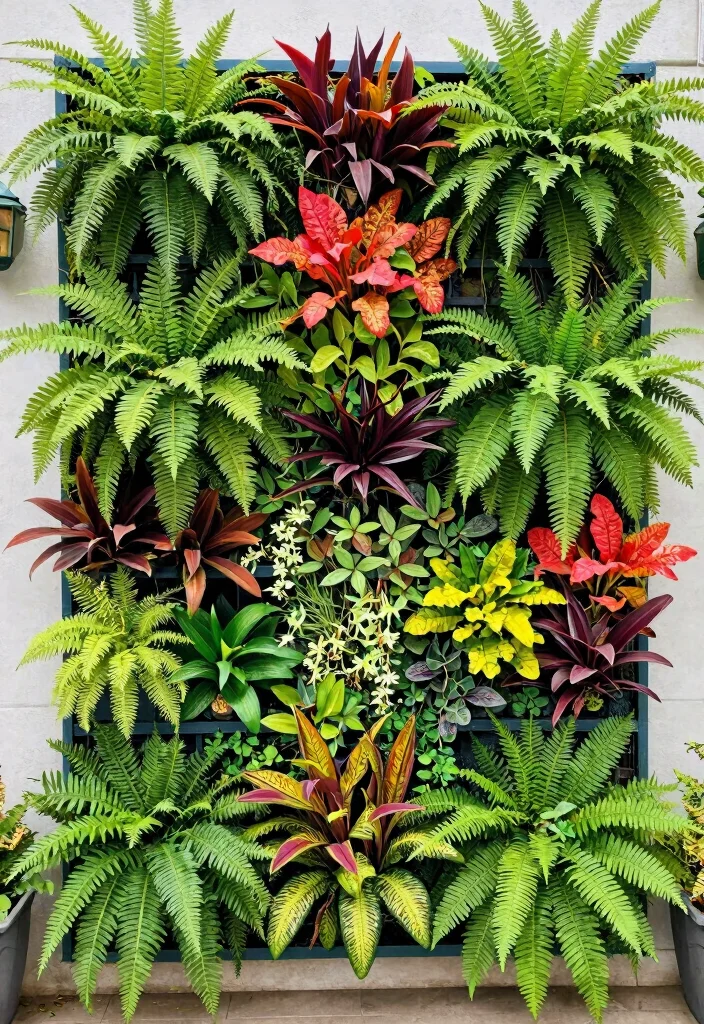
A living wall trellis is an innovative way to transform a plain wall into a vibrant garden display. This design features planters or panels mounted directly on the wall, allowing climbing plants to flourish and create an eye-catching visual effect.
Select a mix of plants with varying colors and textures for a captivating arrangement. The living wall not only enhances your garden’s appeal but also contributes to improved air quality and insulation benefits.
Helpful tips for a successful living wall:
– Choose plants that thrive in the specific light conditions of your wall.
– Plan for easy maintenance access when installing.
– Consider adding a drip irrigation system for hassle-free watering.
Best plant options:
– Ferns
– Succulents
– Flowering Vines
16. Vertical Garden with Trellis Planters
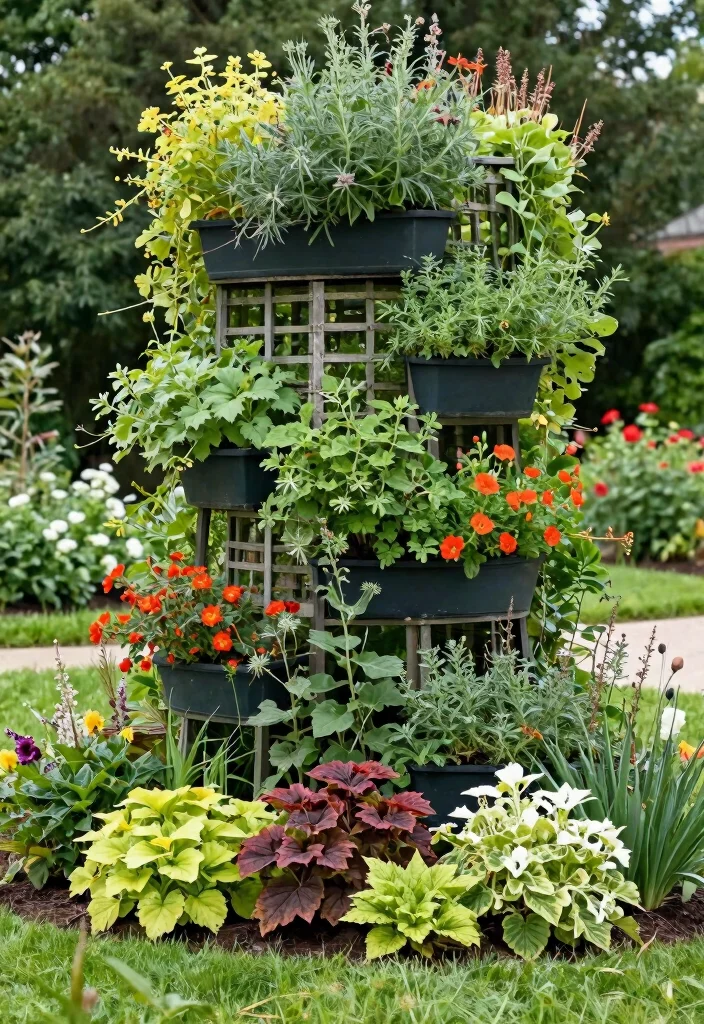
Combining a trellis with planters in a vertical garden creates layers of beauty and functionality. This setup allows for both climbing plants and additional plants at the base, effectively utilizing every inch of space available. It’s perfect for growing herbs, vegetables, or ornamental plants, enhancing your garden’s productivity.
Select sturdy planters that can support climbers while ensuring proper drainage. Position your planters at varying heights to maximize sunlight exposure and allow easy access to all your plants.
Key tips for success:
– Use a mix of climbing and non-climbing plants for visual diversity.
– Regularly check for pests and maintain soil health.
– Opt for lightweight planters for easier movement.
Suggested plant varieties:
– Climbing Herbs
– Cherry Tomatoes
– Flowering Plants
Conclusion
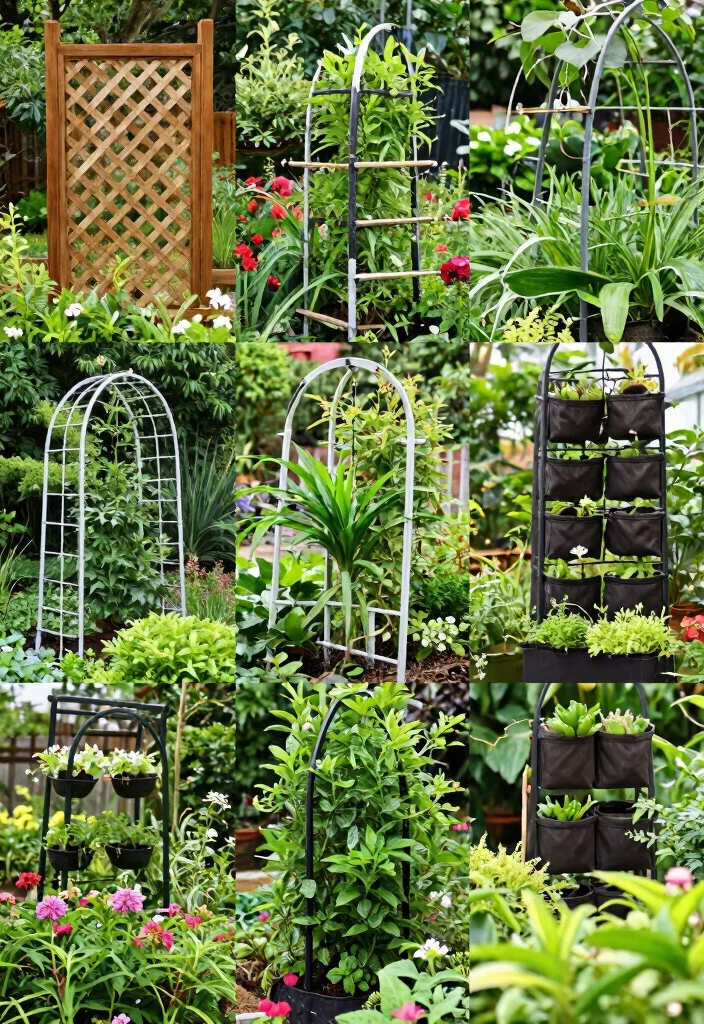
Vertical gardening opens up a world of possibilities for those with limited space. From classic trellises to creative repurposing ideas, there’s a unique solution for everyone.
Embrace the beauty of climbing plants and trellis designs to transform your small garden space into an enchanting green retreat! Explore these ideas, and let your creativity blossom this gardening season.
Note: We aim to provide accurate product links, but some may occasionally expire or become unavailable. If this happens, please search directly on Amazon for the product or a suitable alternative.
This post contains Amazon affiliate links, meaning we may earn a small commission if you purchase through our links, at no extra cost to you.
Frequently Asked Questions
What are the top climbing plant varieties that thrive on a trellis in small-space gardens?
For small-space gardens, select climbing plant varieties that are tidy, vigorous, and visually impactful on a vertical trellis. Great options include Clematis (with blooms on new growth), Star jasmine for fragrance, climbing roses for color, English ivy for year‑round cover, Mandevilla for tropical flowers, and honeysuckle for scent. Consider sun exposure: clematis and mandevilla love sun, ivy and star jasmine tolerate partial shade. Train new growth upward with soft ties to create a lush, space‑saving display on your trellis.
How can I pick trellis design inspiration for vertical gardening in tight spaces?
Start by mapping your space: height, width, and sun. Look for trellis design inspiration from lattice panels, arches, obelisks, or living walls, and pick garden trellis styles that fit your home’s vibe. Choose materials that suit your climate—wood for warmth, metal for durability—and ensure the design accommodates the light and wind in your area. Pair your layout with vertical gardening ideas like a flowering wall or a dense green backdrop, then plan maintenance access and future growth.
What are the best methods to install and secure a trellis for strong vertical plant support?
Begin with solid mounting: attach to studs or use appropriate wall anchors for a wall, or opt for a weighted freestanding base. Use corrosion‑resistant hardware and soft plant ties so stems aren’t girdled. Position the trellis at the right height and angle for your climber, and consider adding a small ramp or guide for runners. With proper installation, your trellis becomes a dependable vertical plant support that lasts for seasons.
How do I maintain and train climbing plants on a trellis to maximize beauty?
Start training early by securing main canes with soft ties and guiding growth upward along the structure. Prune to remove crowded growth and improve air circulation, thinning each season to keep light through to all levels. Water regularly at the base and fertilize sparingly to avoid leggy vines, plus mulch to retain moisture. If you’re growing a mixed display, rotate plants so taller vines don’t shade shorter ones, achieving a balanced, vibrant vertical showcase.
Are there low-maintenance trellis ideas suitable for beginners?
Absolutely. Try a simple freestanding lattice or a bamboo screen paired with hardy climbers like ivy or creeping fig for evergreen coverage with minimal fuss. Choose metal or treated wood panels to cut maintenance, and consider a basic drip irrigation setup for easy watering. Opt for self‑clinging climbers or varieties that bloom with light pruning, and pick garden trellis styles and vertical gardening ideas designed for quick, striking vertical beauty with less effort.
Related Topics
climbing plants trellis
vertical gardening
small space gardening
trellis design
garden trellis styles
beginner friendly
easy gardening
climbing plant varieties
vertical plant support
DIY garden projects
outdoor decor
seasonal gardening