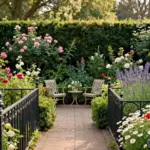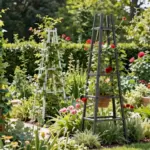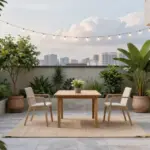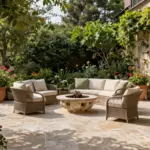
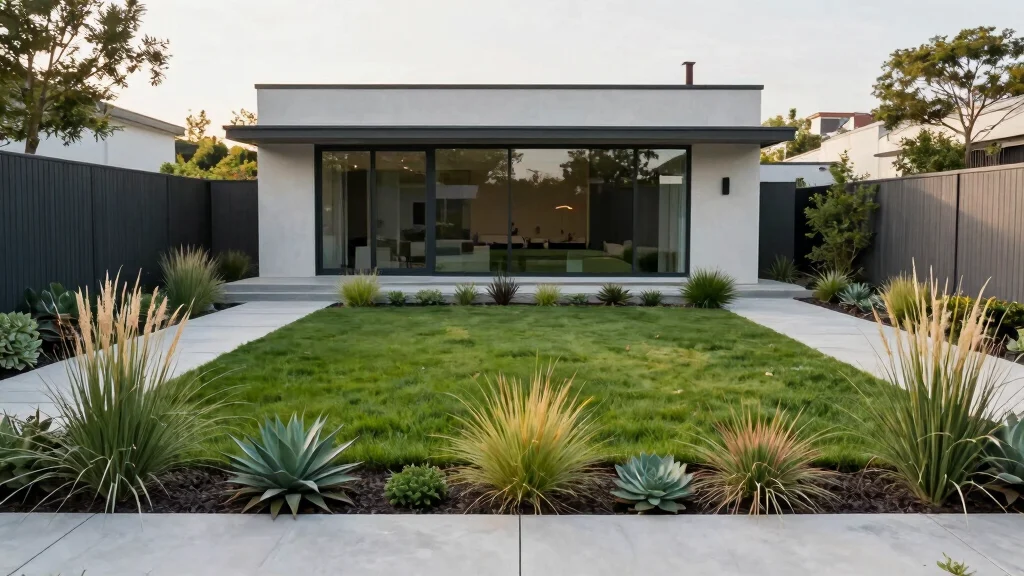
Creating a stunning front yard doesn’t have to mean endless hours of labor or extravagant spending. With the growing trend of minimalism in modern garden design, many homeowners are embracing simple, clean aesthetics that deliver both beauty and function. This post is crafted for you if you’ve been craving a front yard that feels fresh, contemporary, and low-maintenance. It’s about channeling that urge for a serene space where you can unwind and enjoy nature without the fuss.
If you are someone who appreciates sustainable, minimal front yard landscaping, you’re in the right place. You may desire a space that enhances your home’s curb appeal while reflecting your values and lifestyle. Here, you’ll discover 16 thoughtfully curated ideas that blend minimalism with modern beauty, making your front yard a welcoming oasis. Each idea is designed to be both practical and visually striking, ensuring that your outdoor space is not only easy to maintain but also a joy to behold.
Prepare to explore solutions that embrace native plants, geometric designs, and simple water features, all while keeping sustainability at the forefront. You’ll get practical insights and tips that can be easily incorporated into your own front yard, allowing you to enjoy a stunning outdoor space without overwhelming upkeep. Let’s dive into these ideas that promise to elevate your front yard with a clean, modern style.
Key Takeaways
– Embrace Native Plants: Choose plants that thrive in your local environment to minimize water usage and maintenance, fostering a sustainable landscape.
– Utilize Hardscaping: Incorporating stone pathways and gravel beds can create clean lines while reducing lawn areas, enhancing the overall aesthetics and practicality.
– Create a Focal Point: Adding elements like minimalist furniture or unique garden art can draw attention and establish a visual anchor for your space.
– Incorporate Edibles: Mixing ornamental plants with edible varieties, such as herbs or fruit, can provide beauty and functionality, making your front yard both attractive and useful.
– Maintain Clean Lines: Keeping a tidy layout with geometric shapes and simple designs promotes a streamlined look, showcasing the beauty of simplicity in your landscaping.
1. Embrace Native Plants
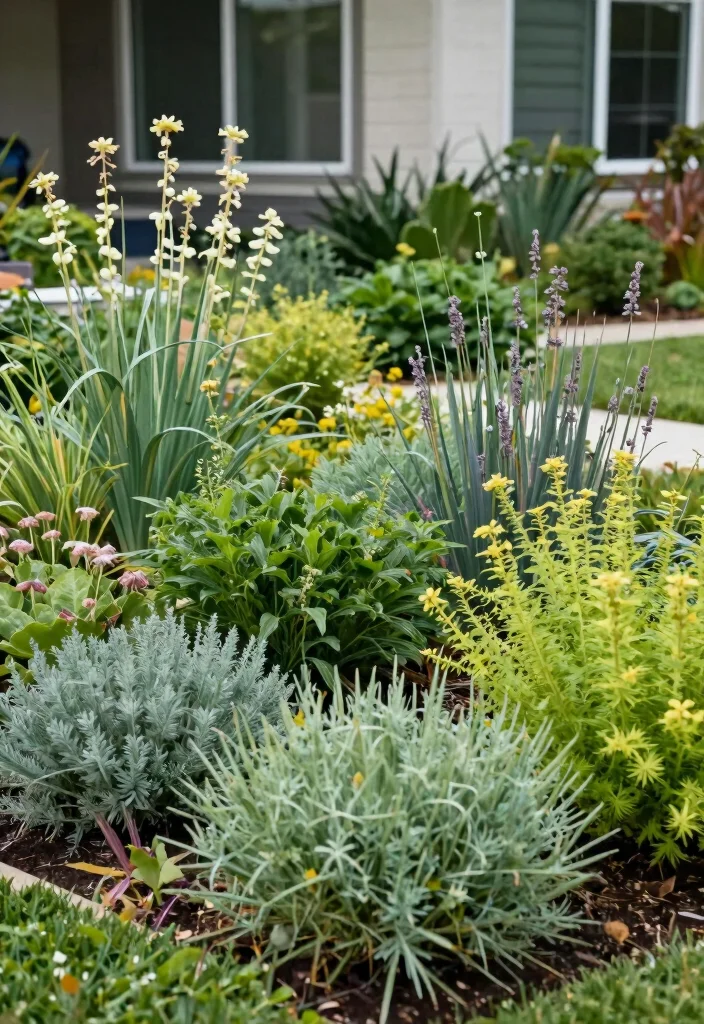
You want a stunning yard that thrives with minimal effort. Embracing native plants is your answer, as they flourish in your local climate and require less water. These plants are not only hardy but also attract local wildlife, enhancing the beauty of your landscape with vibrant colors and textures.
Start by selecting plants that naturally grow in your area. Grouping them together creates a cohesive look and a healthy habitat for birds and butterflies. This not only saves you time, but it also enriches your environment.
Key steps to get started:
– Research native plants suited to your climate.
– Mix various heights and textures for visual appeal.
– Cluster plants with similar sunlight and water needs together.
This strategy guarantees a captivating yard that complements nature while reducing maintenance.
2. Stone Pathways for a Clean Look
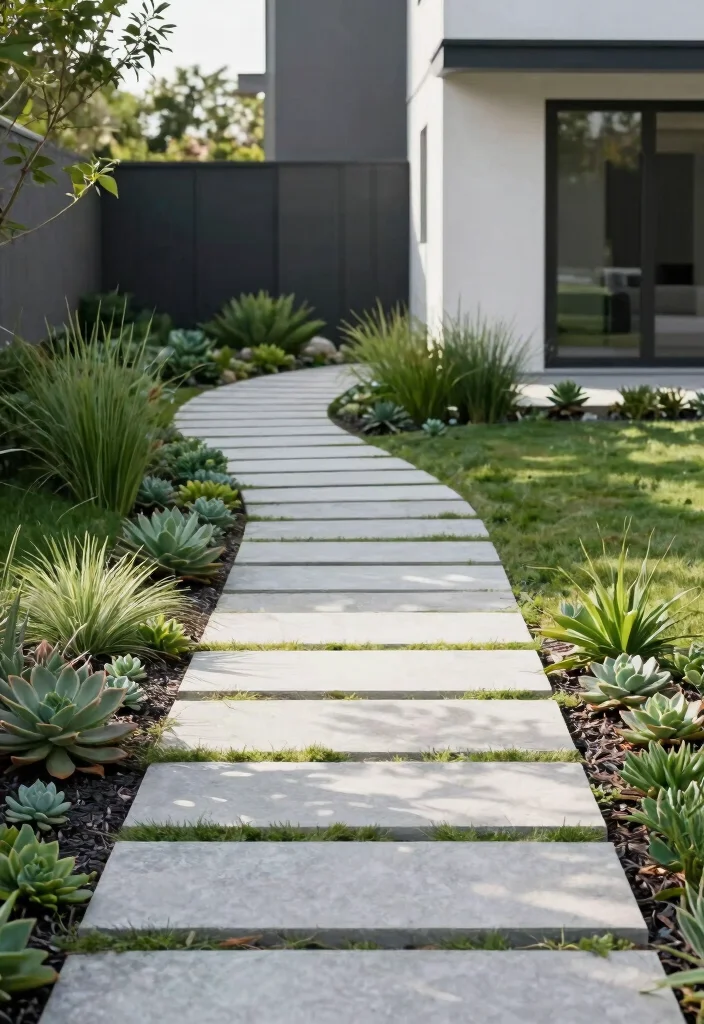
You can elevate your front yard with an elegant stone pathway that guides visitors while adding charm. Using flat stones or gravel creates sharp lines that contrast beautifully with greenery, giving your space a polished look. Imagine a winding path leading to a cozy bench or soothing water feature, inviting exploration.
Choose materials that harmonize with your home’s style, ensuring a seamless design. Keep pathways well-defined by adding low-profile plants along the edges, enhancing visibility. This not only beautifies your yard but also encourages eco-friendly drainage.
Key points to consider:
– Select stones that complement your home’s architecture.
– Define the path with bordering plants for clarity.
– Opt for permeable materials for better drainage.
This simple yet effective approach enhances your yard’s modern appeal while ensuring sustainability.
Stone pathways create clean lines that guide the eye and calm the yard. For minimal front yard landscaping, choose materials that harmonize with your home, then edge with low-profile plants to keep it approachable and tidy.
3. Incorporate Gravel Beds
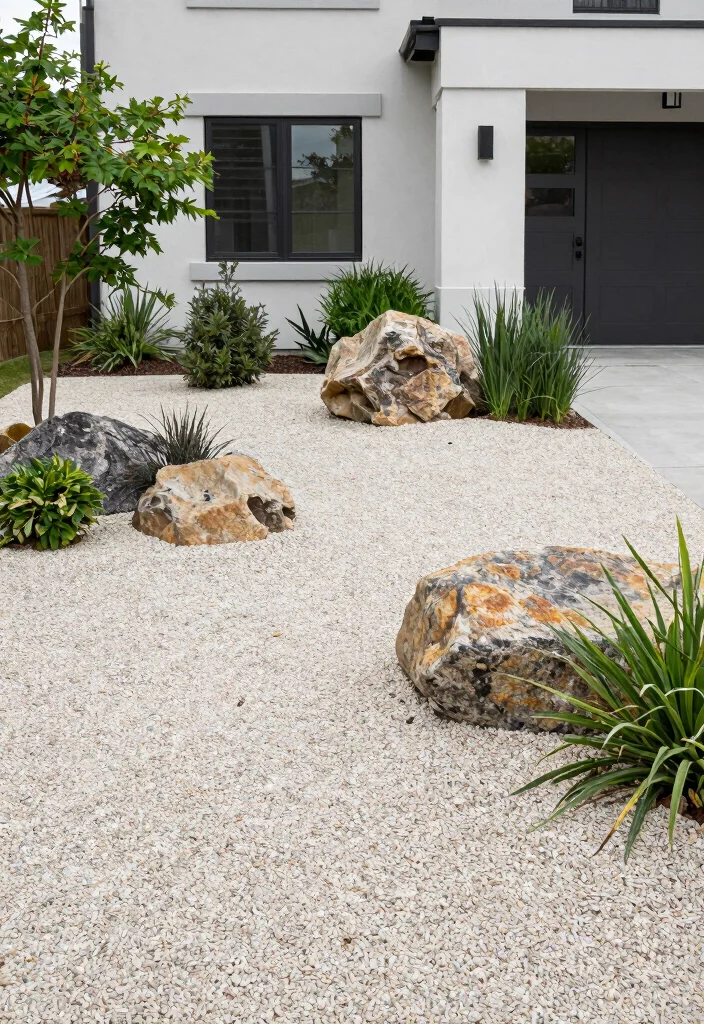
Gravel is a fantastic choice for landscaping that offers both style and low maintenance. It serves as an attractive ground cover, reducing weeds while retaining moisture in the soil. Picture a sleek gravel bed combined with larger boulders or native plants for a striking visual contrast.
Opt for lighter gravel to brighten your outdoor space. Create defined edges with wooden or stone borders to add structure. Mixing different sizes of gravel can enhance texture and interest throughout your yard.
Suggestions to implement:
– Choose light-colored gravel for a fresh look.
– Use borders to clearly define your gravel beds.
– Combine various gravel sizes for added depth.
This approach not only simplifies upkeep but also presents a chic aesthetic for your front yard.
4. Green Walls for Vertical Interest
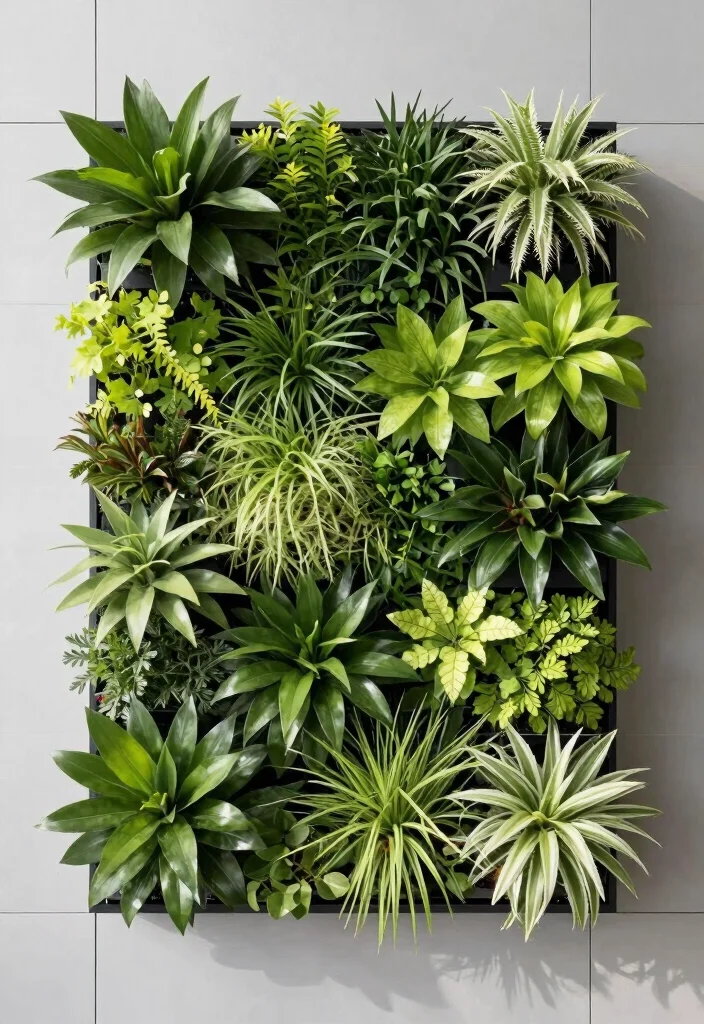
You can maximize your space with stunning vertical gardens that add greenery without occupying ground space. These green walls are perfect for smaller yards, creating depth and unique visual interest. Imagine vibrant herbs, flowers, or vegetables cascading down from pots or modular systems.
Choose lightweight containers for easy maintenance, ensuring they receive plenty of sunlight and water. Mixing different plant types will enhance the variety of colors and textures, making your vertical garden a focal point.
Highlights to remember:
– Use lightweight pots for easier care.
– Ensure adequate sunlight and water access.
– Combine various plant types for dynamic visuals.
This minimalist solution enriches your yard while promoting eco-friendly gardening practices.
5. Use of Minimalist Furniture
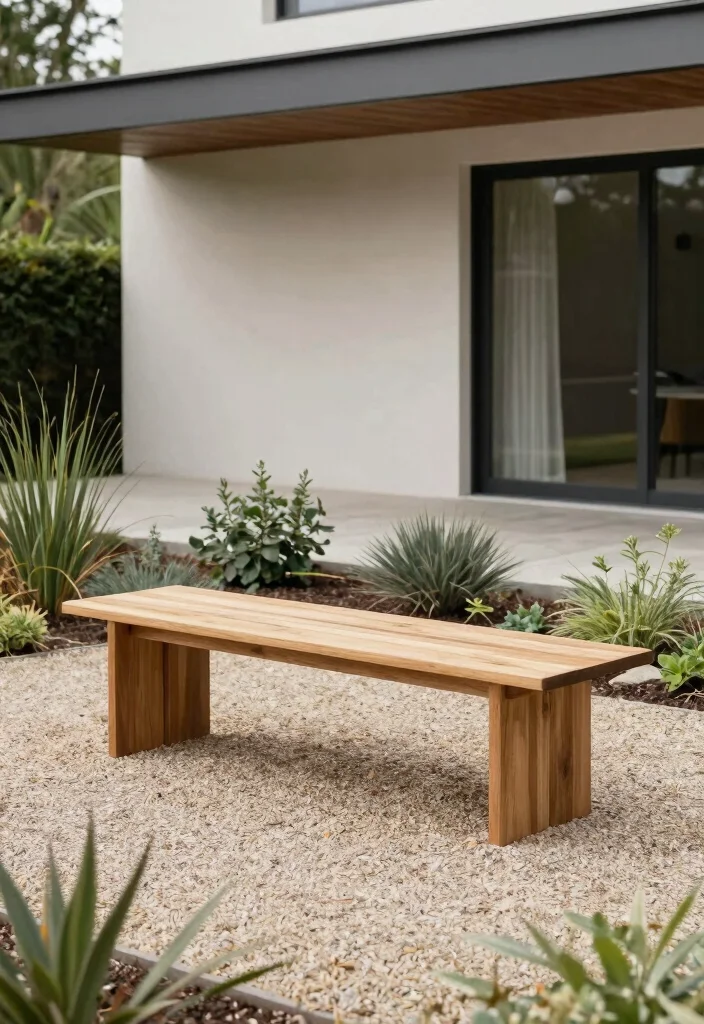
You can transform your front yard with sleek, modern outdoor furniture that adds style without cluttering the space. Minimalist benches or chairs made from sustainable materials can serve as eye-catching focal points while blending seamlessly with nature. Opt for wood or metal finishes that gracefully age over time, enhancing your yard’s beauty.
Consider furniture that serves multiple purposes, like benches with storage for added utility. Stick to neutral color palettes to complement your landscaping and create a calming atmosphere. Position seating to encourage relaxation and social interaction while enjoying the outdoors.
Tips to enhance your space:
– Choose multi-functional pieces for practicality.
– Keep colors neutral to harmonize with nature.
– Arrange seating for social engagement.
This strategy elevates your front yard from a simple garden to a stylish outdoor living area.
6. Simple Water Features
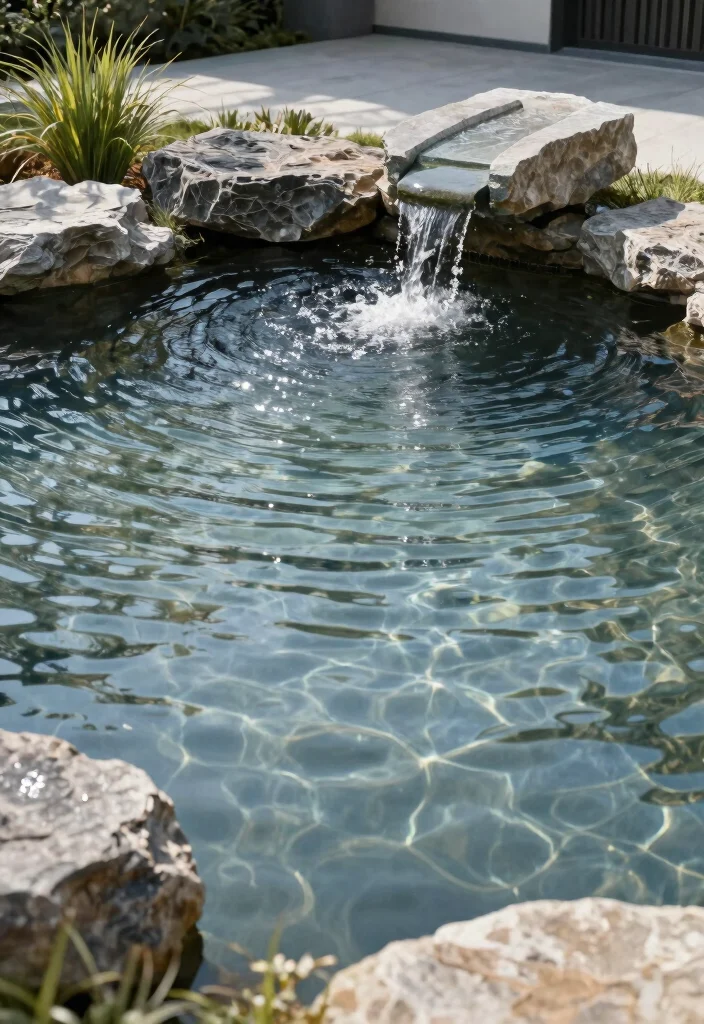
Adding a small water feature like a pond or fountain can introduce a sense of tranquility to your yard. These elements not only attract wildlife but also create a peaceful atmosphere perfect for unwinding. Picture a minimalist design featuring clean lines, like a reflecting pond or a simple stone fountain.
Ensure your water feature is well-maintained to prevent algae growth, and consider using solar-powered pumps for sustainability. Position it strategically for enjoyment from different angles of your yard, enhancing your outdoor experience.
Insightful tips:
– Maintain your water feature to avoid algae.
– Use solar-powered pumps for eco-friendliness.
– Place features for maximum visibility and enjoyment.
This minimalist addition can dramatically enhance your outdoor space.
7. Geometric Planting Beds
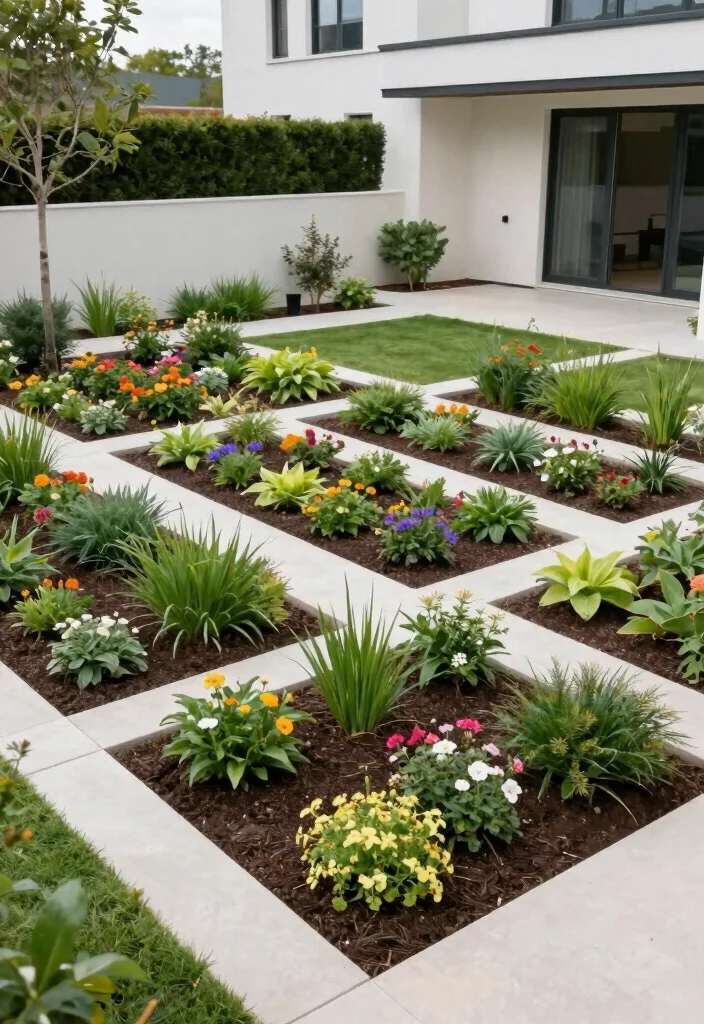
You can achieve a modern landscape by designing your planting beds in geometric shapes. Squares, rectangles, and circles add structure and uniqueness to your yard, creating a contemporary feel. Imagine beds filled with diverse textures and heights that complement the minimalist aesthetic.
Use raised beds to clearly define these geometric shapes, making maintenance easier. A limited palette of plants will ensure a cohesive look, while evenly spaced plants create balance and harmony.
How to achieve this look:
– Use raised beds for clear shape definition.
– Limit plant variety for a unified aesthetic.
– Space plants evenly to maintain balance.
This strategy not only enhances your yard’s modern appearance but also simplifies gardening tasks.
8. Utilize Hardscaping
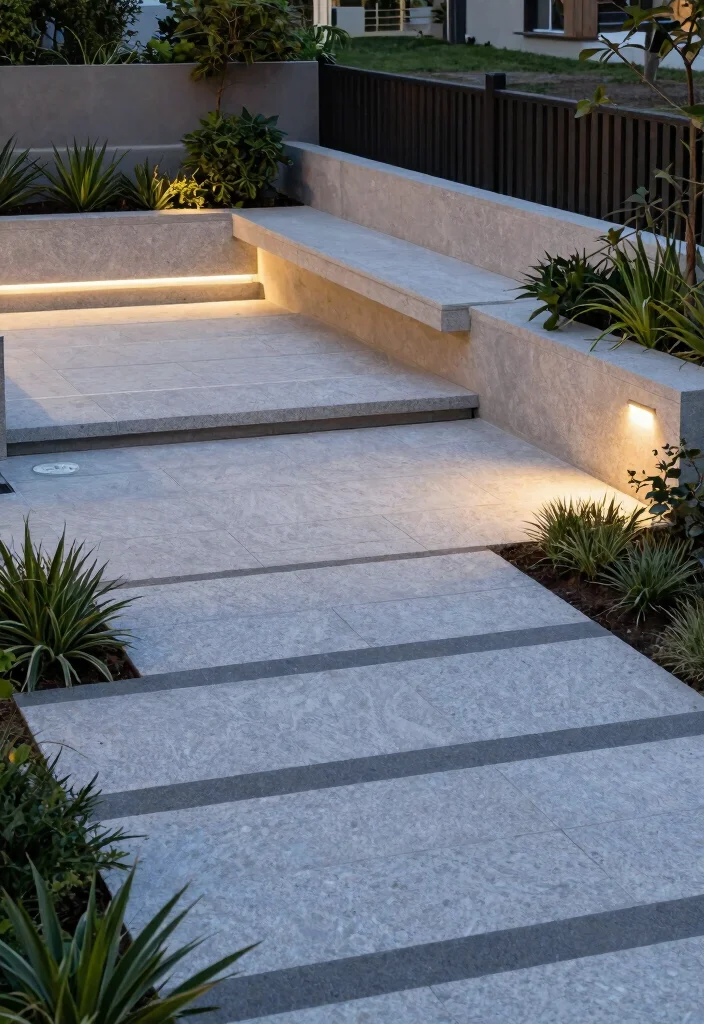
Incorporating hardscaping elements like patios, walkways, and walls can create defined areas in your yard while adding visual interest. This strategy reduces maintenance by limiting grassy areas and enhances your yard’s overall appeal. Choose materials that complement your home’s style for a consistent look.
Use hardscaping features to create zones for relaxation or gardening, allowing for versatile outdoor use. Adding lighting to highlight these elements at night can create a stunning ambiance.
Recommendations to consider:
– Select natural stones or sustainable pavers.
– Create distinct zones for various activities.
– Add lighting to showcase hardscaping features.
This approach ensures your front yard is both functional and visually appealing.
9. Create a Focal Point
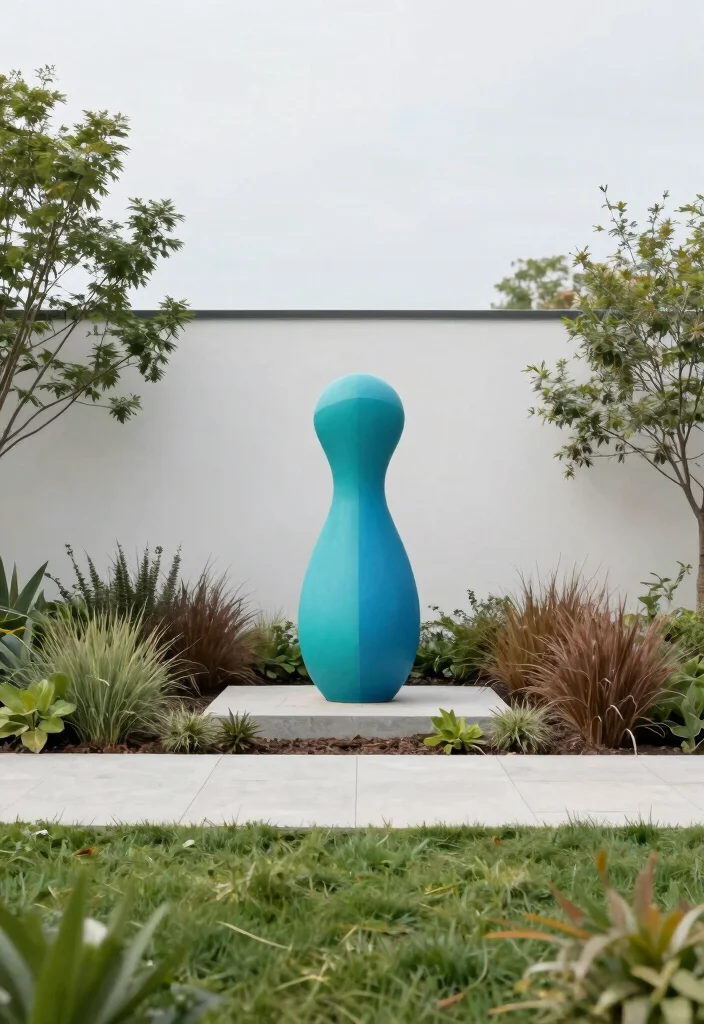
Every beautiful front yard deserves a focal point that draws attention. This could be a striking piece of art, a unique tree, or a cozy seating area that captures your style. A well-defined focal point establishes balance and directs the flow of your landscape.
Position your focal point away from clutter to enhance its visibility. Using contrasting colors or shapes will make it stand out even more, while ensuring it can be appreciated from multiple angles.
Tips for creating a focal point:
– Keep the area around it clear to enhance impact.
– Use contrasting colors or shapes for emphasis.
– Ensure visibility from various directions.
This approach adds interest and sophistication to your yard, making it feel complete and inviting.
Key Trade-offs & Our Top Pick
When choosing minimal front yard landscaping options, it’s essential to weigh the benefits and downsides of each approach. Here, we break down a few popular landscaping ideas to help you make the best choice for your home.
Option 1: Native Plants
– Pros:
– Low maintenance once established, saving you time and effort.
– Attracts local wildlife, creating a vibrant ecosystem in your yard.
– Cons:
– May not be as visually striking as exotic plants if not chosen carefully.
– Limited selection based on your region’s climate may restrict your options.
– Best for: Homeowners looking for a sustainable, eco-friendly approach that requires minimal upkeep.
Option 2: Gravel Beds
– Pros:
– Extremely low maintenance and drought-resistant, perfect for dry climates.
– Provides a clean, modern look that enhances contemporary curb appeal.
– Cons:
– Can get very hot, making it uncomfortable to walk on barefoot.
– Weeds can still grow through gravel, requiring occasional maintenance.
– Best for: Those seeking a budget-friendly option that aligns with minimalistic aesthetics while reducing water usage.
Option 3: Simple Water Features
– Pros:
– Adds a soothing ambiance to your outdoor space and is visually appealing.
– Can serve as a focal point, enhancing the overall design of your front yard.
– Cons:
– Requires regular maintenance to keep clean and functioning.
– Can attract unwanted pests if not properly maintained.
– Best for: Homeowners who want to create a serene environment and are willing to invest time in upkeep.
Option 4: Hardscaping Elements
– Pros:
– Provides structural design and can be customized to fit modern aesthetics.
– Reduces the need for grass, leading to lower water usage and maintenance.
– Cons:
– Initial installation costs can be high, depending on materials used.
– Lack of greenery may make the yard feel less inviting if not balanced with plants.
– Best for: Individuals looking for a long-lasting, low-maintenance solution that emphasizes clean lines and modern design.
Expert Recommendation:
Best Overall: Native Plants
Native plants come out on top for most homeowners seeking minimal front yard landscaping. They offer great value for money since they require less water and maintenance over time. Plus, their ability to thrive naturally in your local climate means you’ll enjoy long-lasting beauty without a lot of effort. This choice is versatile and sustainable, providing a habitat for local wildlife while enhancing your home’s curb appeal.
Why We Picked This:
While native plants are our top pick, other options like gravel beds or hardscaping may suit those with specific styles or preferences. If you want a modern look with minimal upkeep, gravel might be best. For those seeking tranquility, simple water features can enhance your yard. Consider your lifestyle, budget, and personal taste when deciding. Each option has its own charm, and the best choice depends on what you value most in your outdoor space.
10. Incorporating Edibles into the Landscape
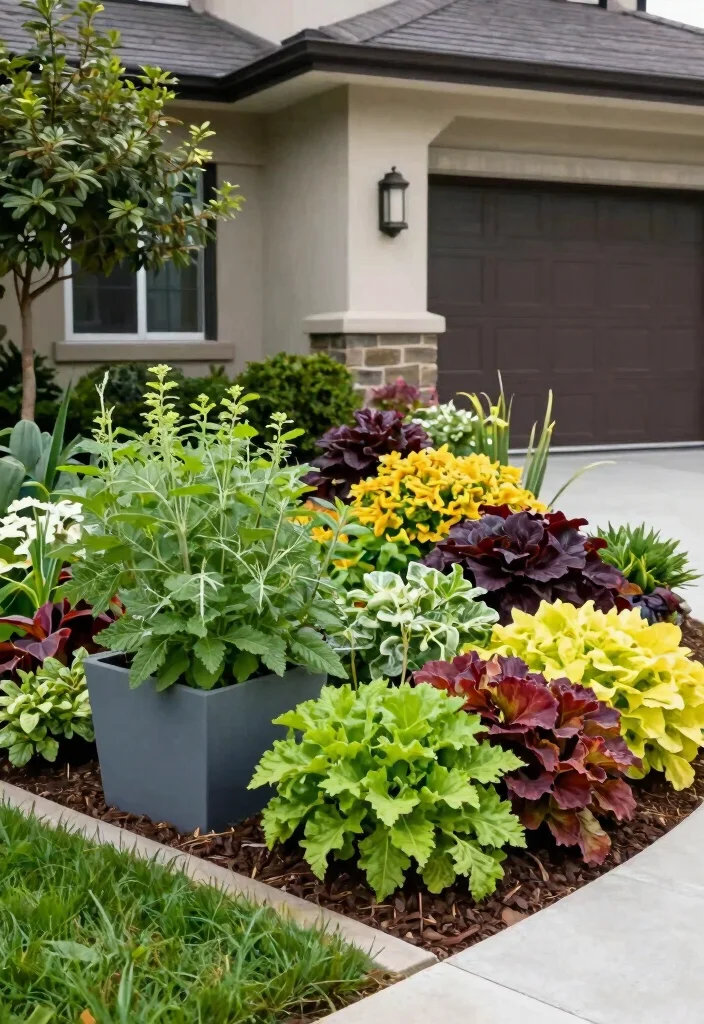
Why not combine beauty with functionality by integrating edible plants into your landscape? Imagine a yard where you can effortlessly pick fresh herbs or strawberries alongside ornamental plants. This not only beautifies your space but also promotes sustainability.
Designate a section of your garden for edibles, considering their sunlight and water needs. Use attractive containers or trellises to incorporate these plants into your overall design, allowing them to coexist beautifully with ornamental varieties.
Suggestions for a fruitful garden:
– Set aside space for edible plants with similar needs.
– Use decorative containers to enhance the design.
– Ensure edible plants visually harmonize with other plants.
This approach promotes sustainable gardening while providing fresh produce right at your fingertips.
11. Sustainable Lawn Alternatives
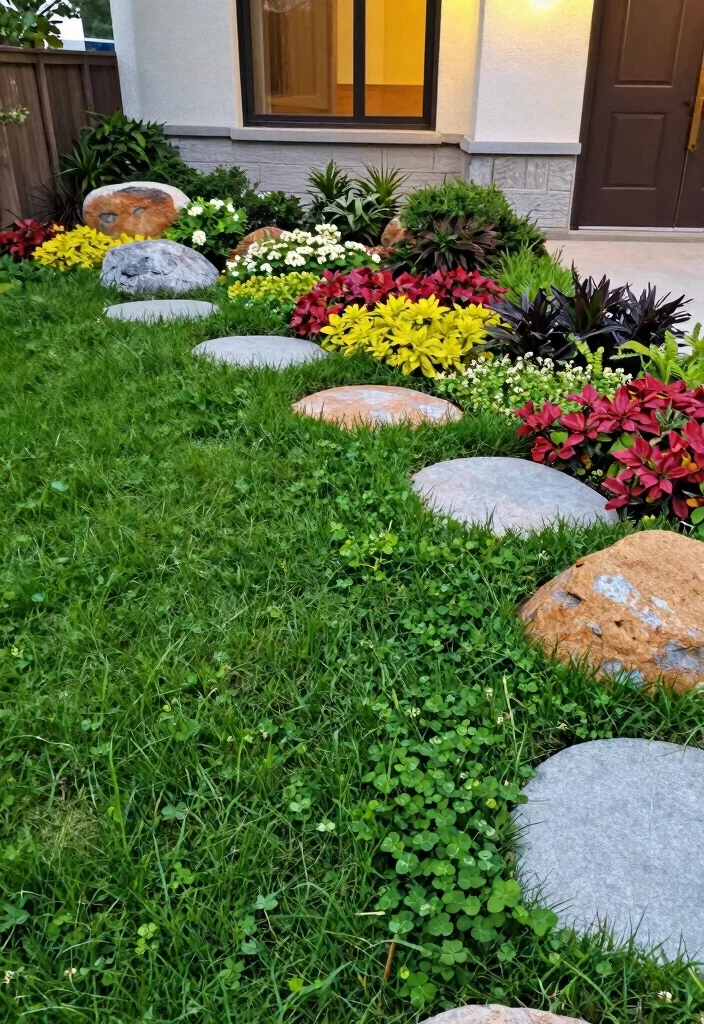
If you’re looking for a break from traditional grass lawns, consider sustainable alternatives like clover or groundcover plants. These options require minimal maintenance and provide a lush, green appearance year-round. Plus, they help prevent soil erosion and conserve water, making them ideal for eco-conscious gardeners.
Research clover varieties that thrive in your local climate to find the best fit. Decorative stones or mulch can serve as base layers for your landscape, while combining groundcovers with stepping stones creates a playful yet structured look.
Ideas to explore:
– Investigate clover types suited for your area.
– Use stones or mulch for visual appeal.
– Pair groundcovers with stepping stones for interest.
This strategy enhances curb appeal while promoting sustainable practices in your yard.
12. Seasonal Color Displays
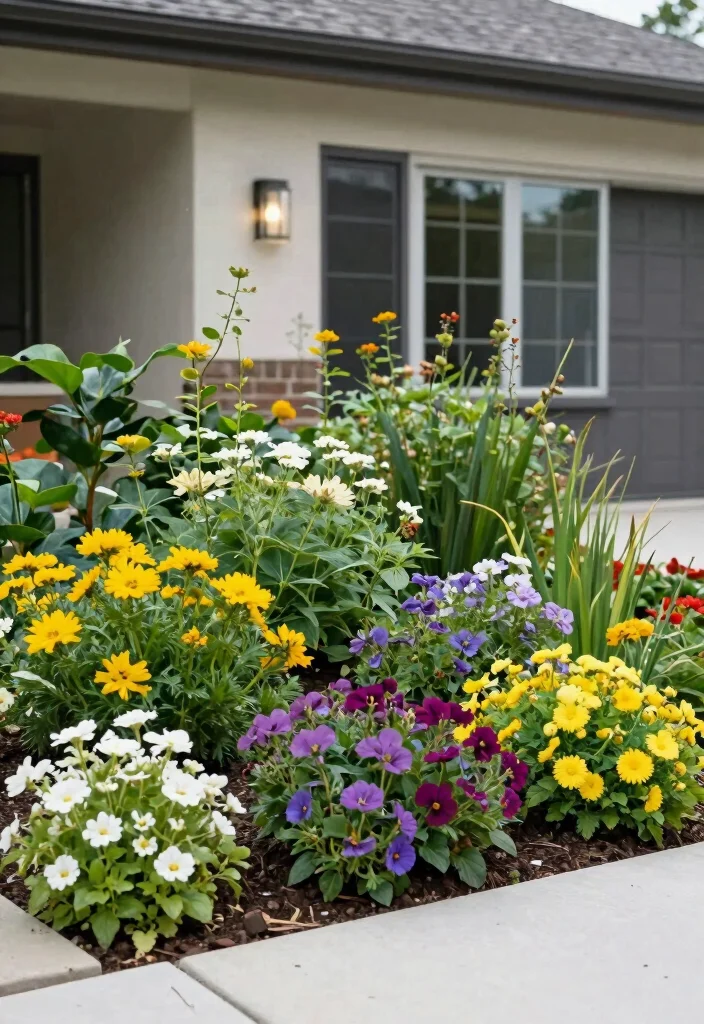
Enhance your yard’s vibrancy by incorporating plants that provide seasonal colors. Selecting varieties that bloom at different times ensures your landscape remains visually appealing throughout the year. Planning your garden around seasonal changes adds a dynamic element to your minimalist approach.
Research bloom times to create a staggered display, combining perennials with annuals for an ever-changing garden. Use the color wheel to select complementary plants that enhance your overall design.
Key points to consider:
– Plan for staggered bloom times for continuous color.
– Mix perennials with annuals for diverse displays.
– Choose plants based on color harmony.
This creates a living art piece that transforms with the seasons, making your yard feel alive and engaging.
Did you know a smart mix of perennials and annuals can deliver color for roughly 60 days straight? Plan bloom times to create 2–3 color cycles, keeping your minimal front yard landscaping vibrant through spring, summer, and fall.
13. Use Raised Garden Beds
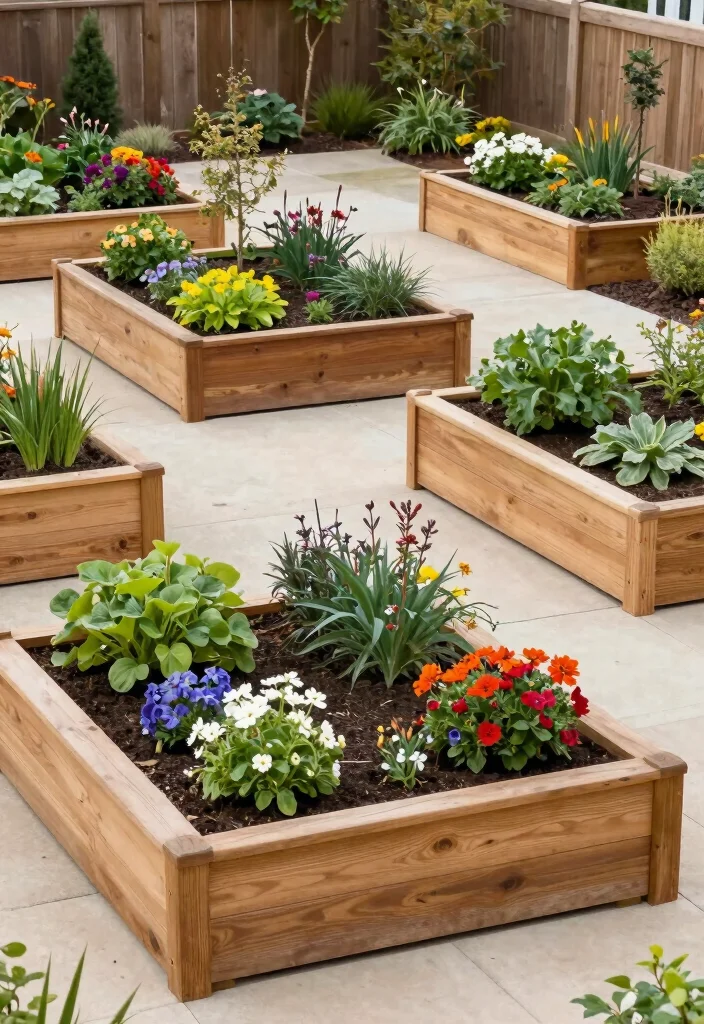
Raised garden beds are a wonderful way to add structure while making maintenance easier. These beds promote better drainage and can be filled with nutrient-rich soil to foster healthy plant growth. They also keep gardening accessible and visually appealing, making them a great choice for any yard.
Select natural materials like wood or stone that blend with your landscape. Position the beds to maximize sunlight while enhancing visual interest. Mixing ornamental plants with edibles can create a functional garden that thrives.
Tips for successful raised beds:
– Choose natural materials for a harmonious look.
– Place beds strategically for sunlight and aesthetics.
– Combine ornamental and edible plants for variety.
This approach produces beautiful results with less effort, integrating seamlessly into your modern garden design.
Raised garden beds bring structure and easier maintenance to any front yard. For minimal front yard landscaping, choose wood or stone that blends with your home, then mix edibles with ornamentals for a practical, beautiful space you can sustain with ease.
14. Maintain Clean Lines
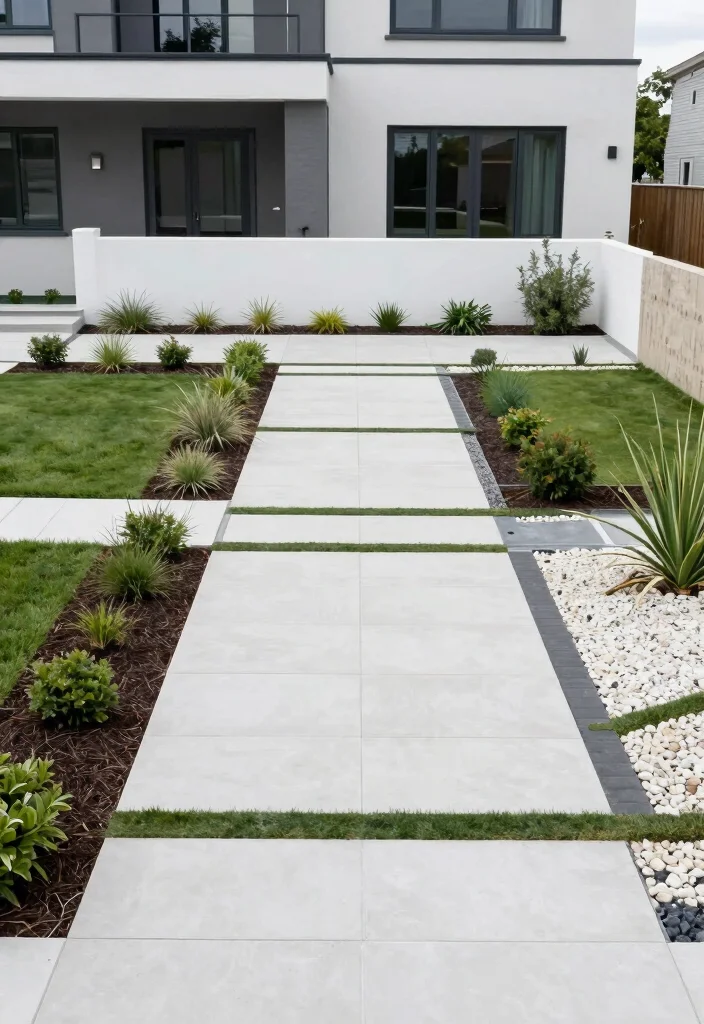
A key element of minimal front yard landscaping is the use of clean lines. Achieving this look involves creating sharp-edged beds, neat pathways, and clearly defined spaces. Maintaining these lines gives your garden a polished appearance and enhances its contemporary vibe.
Regularly trim shrubs and grass to keep edges sharp, and use a spade or edging tool for precise definitions of garden beds. Opt for geometric shapes in both planting and hardscaping for added structure.
How to maintain clean lines:
– Regularly trim for sharp edges.
– Use tools to define garden beds clearly.
– Choose geometric shapes for planting and paths.
By cultivating clean lines, you ensure your minimalist design remains striking and organized.
15. Create an Outdoor Room
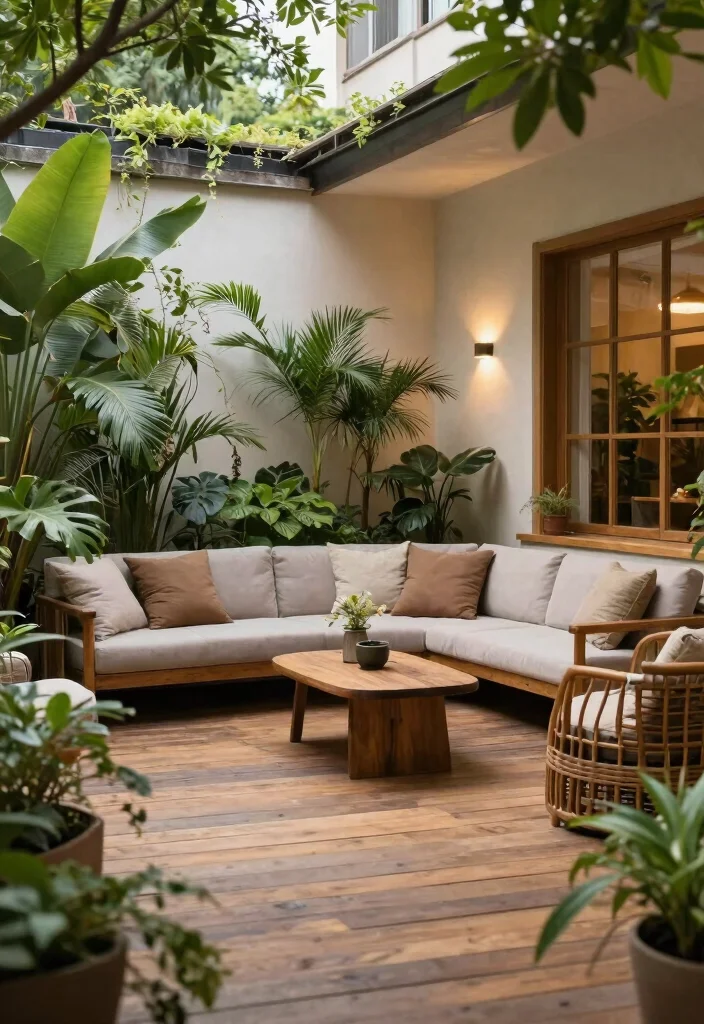
You can turn a section of your yard into an outdoor room, perfect for relaxation and social gatherings. Use natural materials for flooring, add comfortable seating, and surround the area with greenery for added privacy. This concept encourages outdoor living while maintaining an organized and stylish look.
Define the space with outdoor rugs, and incorporate shade elements like umbrellas or pergolas. Keep furnishings minimal to promote a clean and uncluttered environment, making your outdoor room inviting and enjoyable.
Suggestions for creating an outdoor room:
– Use rugs to define the area.
– Add shade elements for comfort.
– Limit furnishings for an open feel.
This transformation enhances both the utility and aesthetics of your front yard.
16. Organic Shapes and Curves
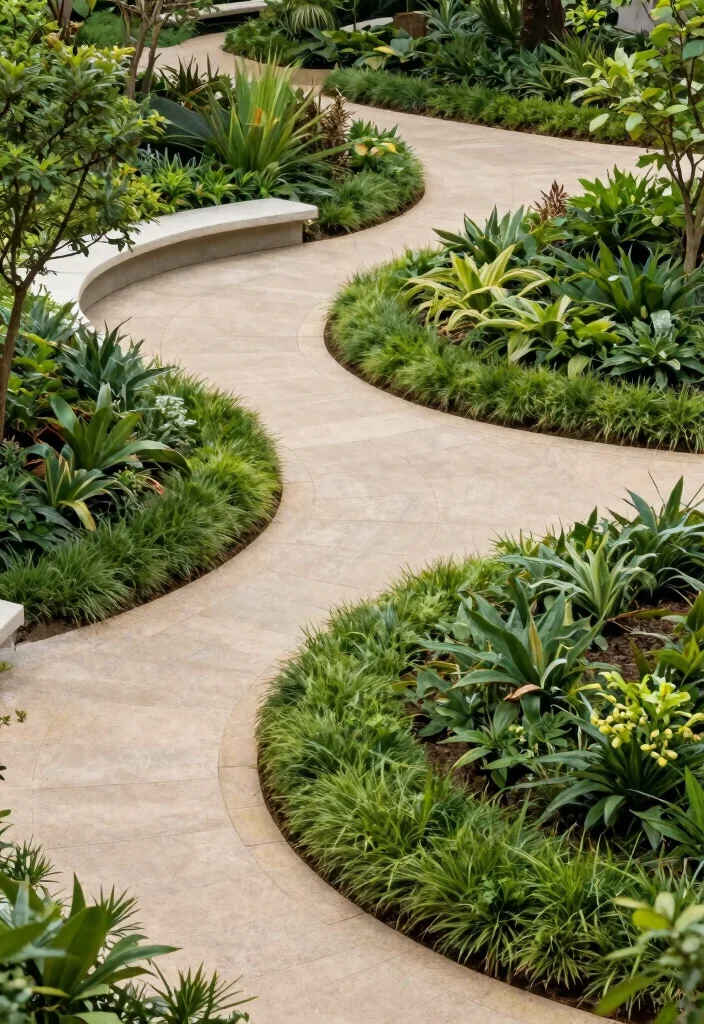
While straight lines are a staple of minimalism, adding organic shapes can soften your landscape and introduce flow. Curved pathways and rounded planting beds create a gentle, inviting atmosphere. This technique humanizes your design, making it feel more relatable and welcoming.
Incorporate curves using flexible materials for pathways and plant borders. Design planting beds with rounded shapes rather than squares to balance the linear elements in your yard.
How to introduce organic shapes:
– Use curved materials for pathways and borders.
– Shape planting beds with rounded designs.
– Balance organic forms with linear elements.
This approach results in a tranquil and dynamic landscape that feels both modern and inviting.
Conclusion
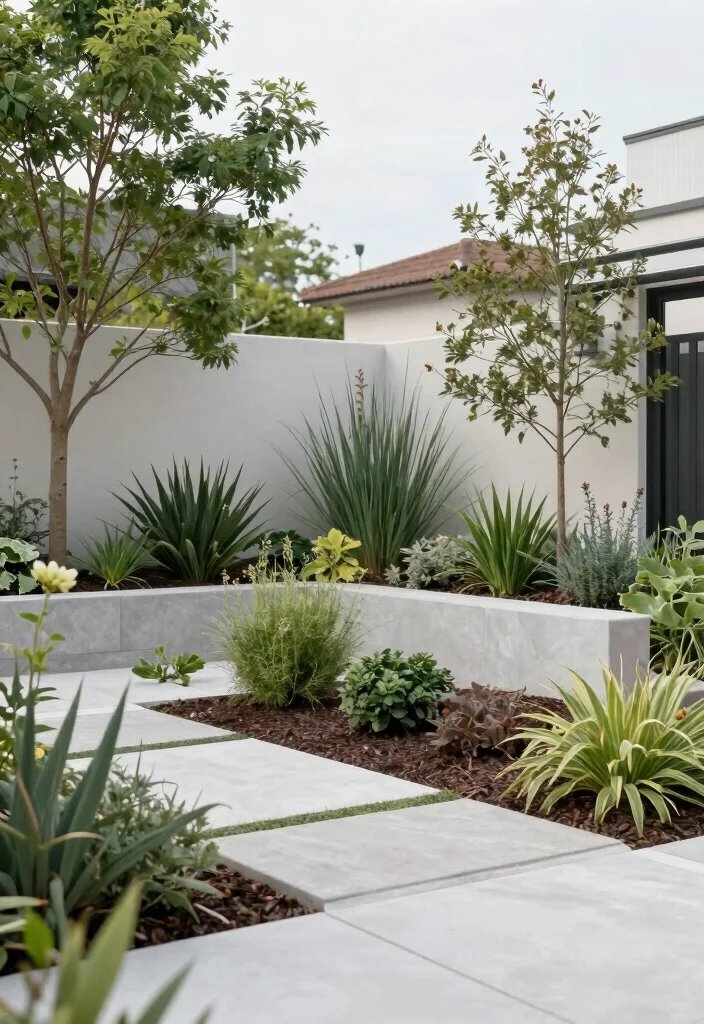
Adopting minimal front yard landscaping can transform your outdoor space into an extension of your home, showcasing your style while embracing sustainability.
These ideas emphasize clean lines, low-maintenance options, and natural beauty, creating an inviting atmosphere.
Consider how each element can play a role in your vision, leading to a modern, eco-friendly landscape that you’ll enjoy for years to come.
Note: We aim to provide accurate product links, but some may occasionally expire or become unavailable. If this happens, please search directly on Amazon for the product or a suitable alternative.
This post contains Amazon affiliate links, meaning we may earn a small commission if you purchase through our links, at no extra cost to you.
Frequently Asked Questions
Question: What Is Minimal Front Yard Landscaping and How Can It Be Sustainable?
Minimal front yard landscaping focuses on clean lines, restrained plantings, and purposeful hardscape to create a modern garden design aesthetic while staying practical.
To keep it sustainable, start with a small, cohesive palette of native or drought-tolerant species and use low-maintenance landscaping practices like mulching and drip irrigation.
Choose permeable paving and durable materials to reduce runoff and maintenance, and keep the overall look calm with a simple color palette.
By pairing simple plantings with smart irrigation and purposeful hardscape, you’ll get contemporary curb appeal with less upkeep.
Question: How Can I Achieve Low-Maintenance Landscaping With Modern, Clean Lines?
To get low-maintenance landscaping that still feels polished, pick a limited plant palette of drought-tolerant shrubs, grasses, and perennials.
Use minimalist gardening techniques like groundcovers instead of lawns, mulch to suppress weeds, and a drip irrigation system.
Choose hardscape in neutral tones, such as concrete or timber edging, and keep mowing to a minimum with tall, ornamental grasses.
Plan for a simple, cohesive color scheme to boost contemporary curb appeal and simple outdoor aesthetics.
Question: What Plants and Materials Work Best for a Minimalist Front Yard With Contemporary Curb Appeal?
Focus on a small, curated palette. Good options include drought-tolerant grasses (like carex or fountain grass), low-growing groundcovers, ornamental shrubs such as boxwood, and seasonal color via perennials like lavenders or succulents in appropriate climates.
For materials, use simple, durable choices: permeable pavers, smooth concrete, gravel, and clean-edged steel or aluminum edging.
Keep texture and color restrained to preserve the modern garden design vibe and minimalist gardening techniques.
Question: How Do I Design a Simple, Inviting Front Yard That Feels Modern?
Start with a clear focal point—like a sculptural plant, a doorway accent, or a narrow tree—then lay out a path using a single material to guide the eye.
Use a restrained color palette and varied textures to keep it interesting while staying simple outdoor aesthetics.
Keep the lawn out or dramatically reduce it to reduce upkeep, and add lighting to highlight lines and entryways for contemporary curb appeal.
Finally, keep maintenance in mind: choose plants with similar water and sun needs and schedule regular pruning to retain shape.
Question: What Maintenance Routine Keeps a Minimal Front Yard Landscaping Look Fresh Year-Round?
Create a simple seasonal checklist: prune back after bloom, remove spent growth, and refresh mulch every year or two to preserve moisture and reduce weeds.
Check irrigation once a season for leaks or clogging; adjust drip emitters as plants mature.
Edge paths to maintain crisp lines, and sweep or rake gravel or mulch to keep surfaces neat.
With low-maintenance landscaping, you’ll keep the minimal front yard landscaping look sharp without heavy labor.
Related Topics
minimal front yard landscaping
modern garden design
low-maintenance landscaping
contemporary curb appeal
simple outdoor aesthetics
minimalist gardening techniques
sustainable landscaping
easy landscaping tips
beginner friendly
outdoor design trends
clean lines
seasonal landscaping