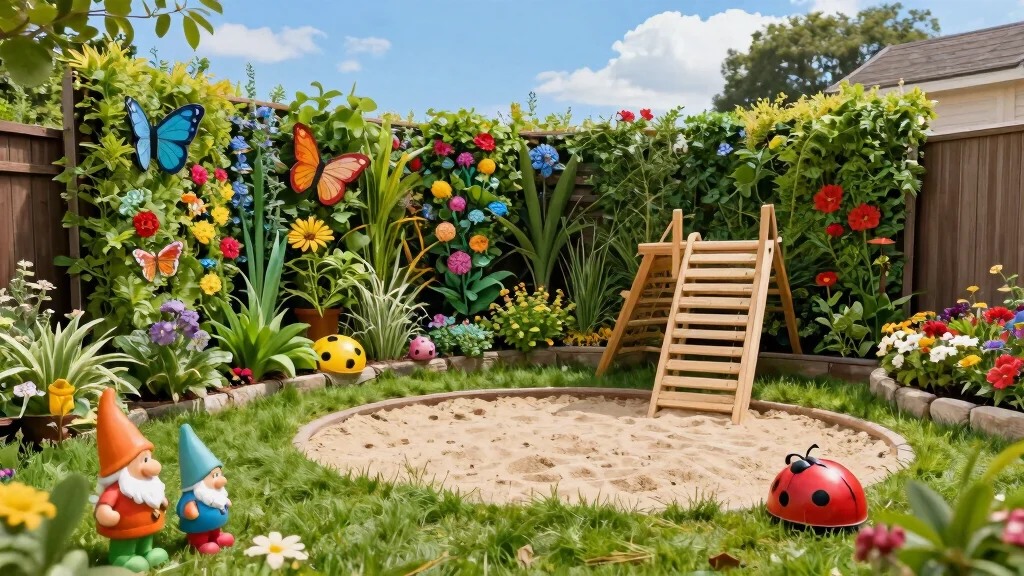
Creating a small outdoor play area for your kids can seem like a daunting task, but it doesn’t have to be. There’s something magical about watching children explore nature and let their imaginations run wild. That’s why I’ve compiled this list of 16 small outdoor play area ideas that kids will absolutely love. These ideas not only encourage creativity and physical activity but also help you make the most of your backyard space, no matter how small it may be.
If you’re a parent, grandparent, or caregiver eager to enhance your child’s outdoor experiences, this post is perfect for you. You know how important it is for kids to play outside, and you want to provide them with a safe, engaging environment where they can thrive. Whether it’s a cozy reading nook or an adventurous climbing structure, these ideas will spark joy and imagination in your little ones.
What you’ll find here are 16 creative, fun, and practical ideas to transform your small outdoor area into an exciting playground. From vertical garden walls that double as climbing spots to whimsical fairy gardens bursting with magic, these concepts will inspire both you and your children. Each idea is designed to make outdoor play accessible, memorable, and, most importantly, fun!
Key Takeaways
– Discover 16 creative outdoor play area ideas that utilize small spaces effectively, making them perfect for any backyard setup.
– Explore unique features like vertical garden walls and miniature arbors that blend nature with play, enhancing your child’s connection to the outdoors.
– Find suggestions for engaging activities such as a nature scavenger hunt and a sensory garden zone that promote learning through play.
– Learn how easy it is to incorporate simple DIY projects into your backyard, turning your space into a magical playground without breaking the bank.
– Each idea focuses on fostering imagination and physical activity, ensuring your kids have a blast while enjoying the benefits of outdoor play.
1. Vertical Garden Wall
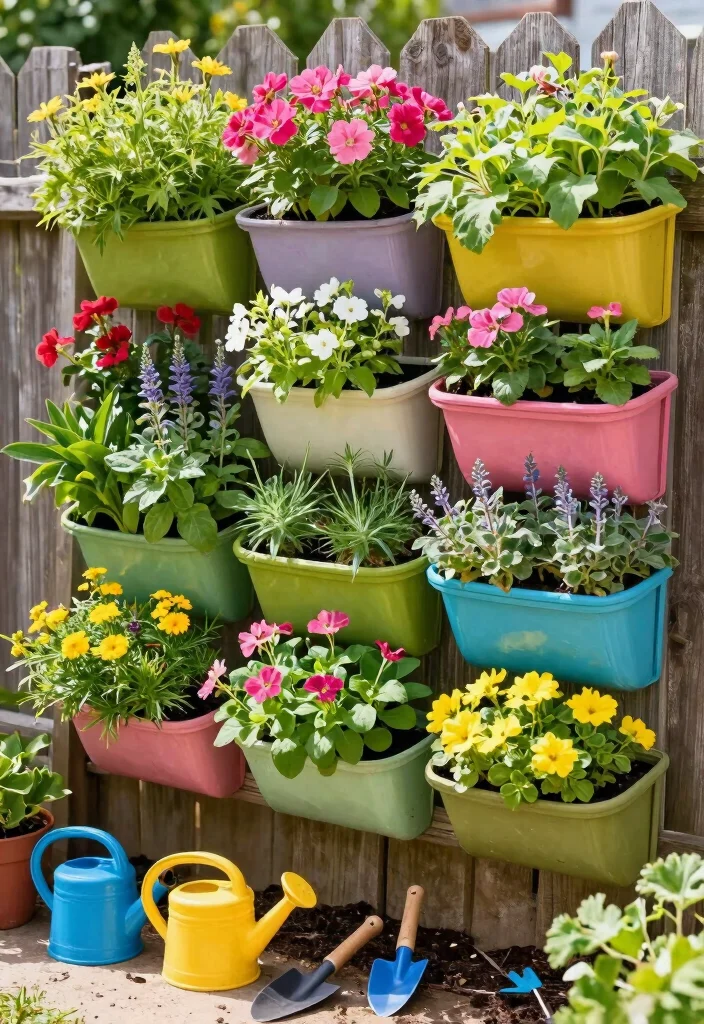
Imagine turning a plain wall into a vibrant vertical garden that delights the senses. A vertical garden wall not only beautifies your outdoor space but also engages children with colorful blooms and aromatic herbs. This hands-on gardening experience helps kids learn while enjoying the great outdoors.
Start by picking a sunny wall that can support your plants. Use wall-mounted planters or fabric pockets filled with soil to grow herbs like basil and mint—the scents will enchant! Incorporate flowers such as petunias for added color and interest. Don’t forget to set up a drip irrigation system to keep everything thriving.
Key steps to create your vertical paradise:
– Select a well-lit wall for maximum growth
– Use wall-mounted planters for easy access
– Choose fragrant herbs and colorful flowers
– Install a simple watering system for maintenance
This engaging project not only beautifies your yard but also nurtures kids’ curiosity about nature and responsibility.
2. Miniature Garden Arbor
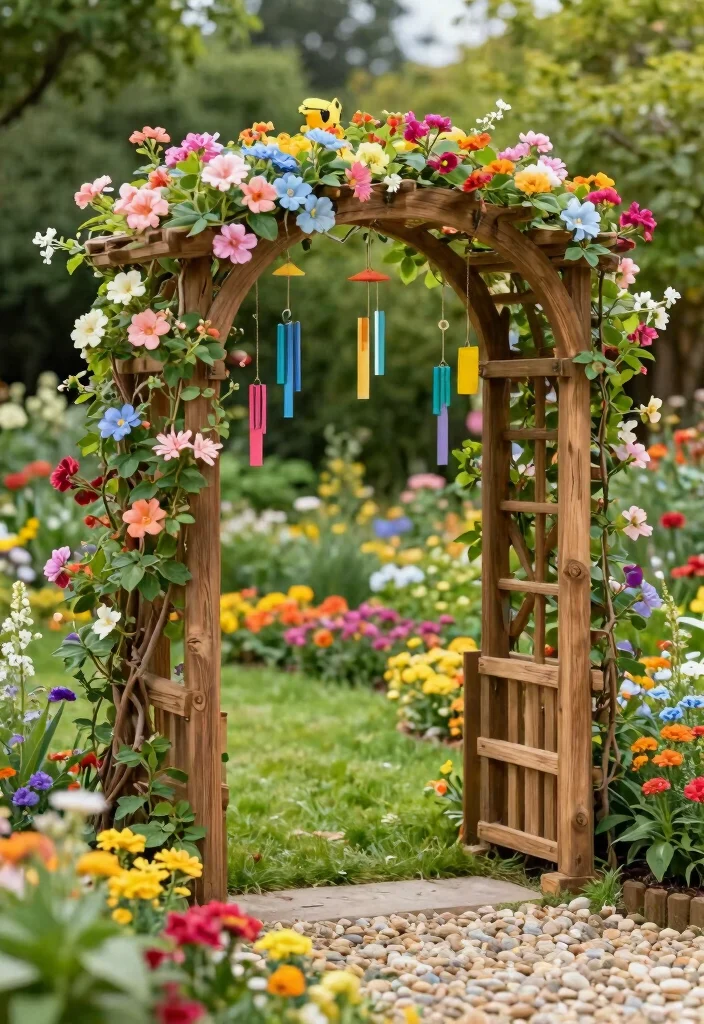
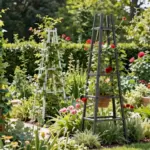
Add a touch of magic to your child’s play area with a charming miniature garden arbor. This delightful feature not only serves as a stunning entryway but also fuels the imagination, making your outdoor space feel extra special.
To build your enchanting arbor, start with lightweight wood or bamboo for the frame. Keep the design simple yet elegant, perhaps with an arch shape to create that whimsical vibe. Encourage kids to plant climbing flowers like sweet peas at the base, which will soon create a lovely canopy. Enhance the magic by hanging colorful wind chimes or playful fabric streamers.
Here’s how to get started:
– Use lightweight materials for easy construction
– Choose a simple design for elegance
– Plant climbing flowers to create a natural canopy
– Add fun decorations for a playful touch
This enchanting arbor will spark creativity, offering a personal gateway into their imaginative adventures.
3. Treetop Hideaway
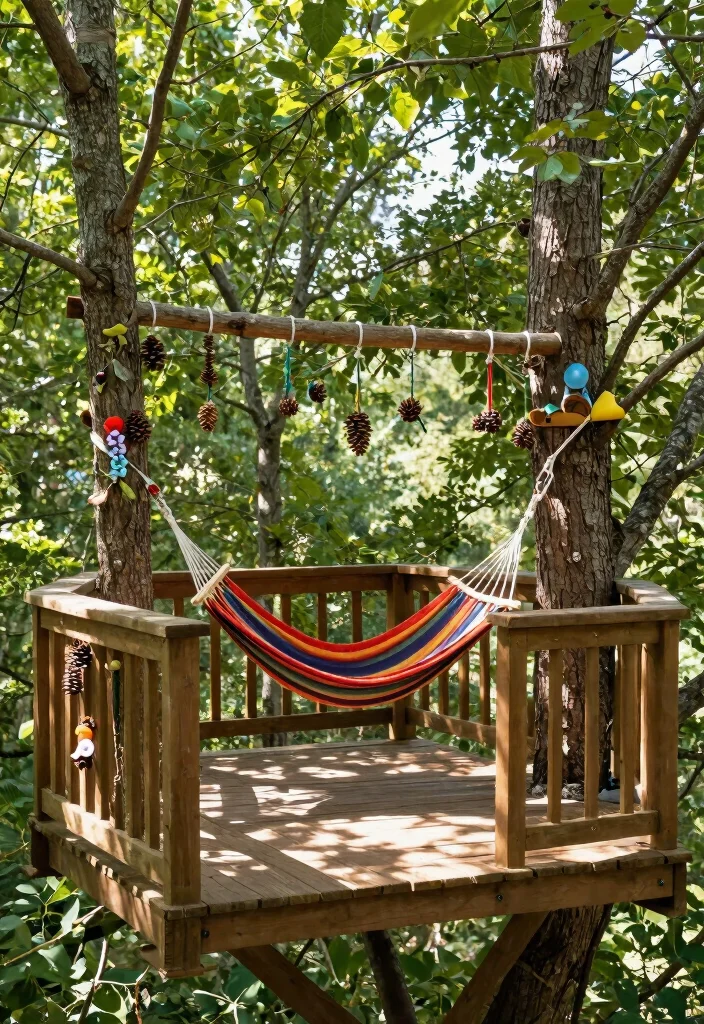
Bring the wonder of treehouses to life with a cozy treetop hideaway! This space can be simple yet inviting, providing a snug nook among the branches for children to enjoy.
To create this magical retreat, start with a sturdy wooden platform secured to the tree. For a more relaxed vibe, consider adding a hammock where kids can sway gently and let their imaginations run wild. Encourage children to decorate their hideaway with natural treasures like pine cones or colorful drawings. Remember to install safety rails and a sturdy ladder for easy access.
Steps to make this hideaway:
– Build a safe platform for a strong base
– Add a hammock for relaxation and play
– Decorate with natural elements for charm
– Ensure safe access with rails and a ladder
This treetop hideaway becomes the perfect spot for stories, reading, or simply enjoying the beauty of nature.
4. Garden Exploration Path
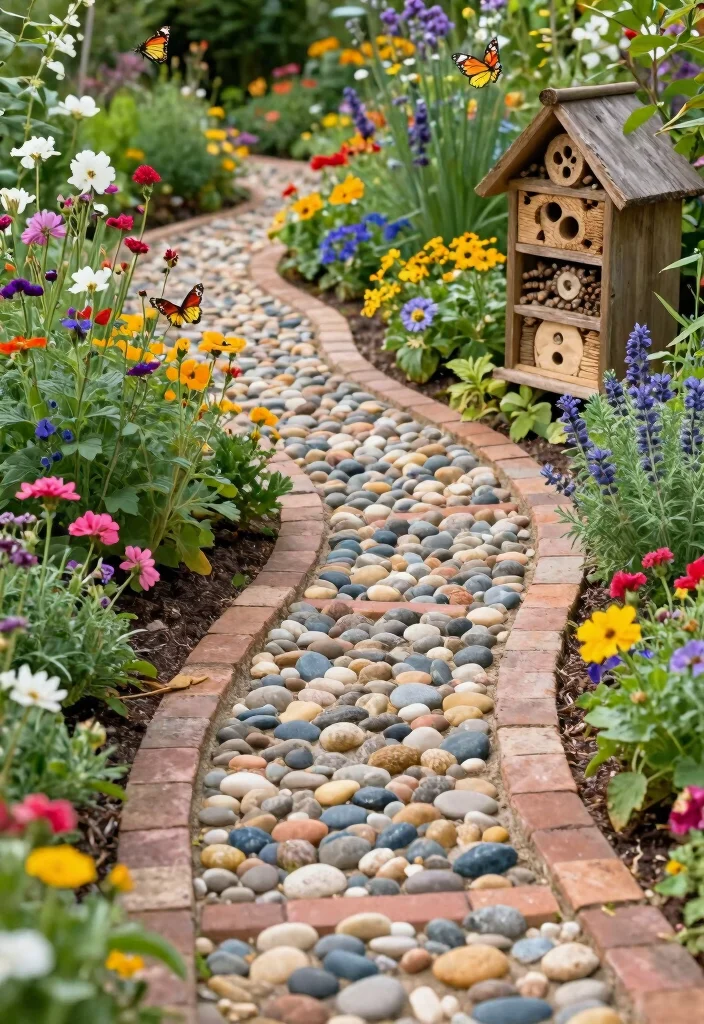
Create a captivating winding path in your outdoor play area using bricks, pebbles, or wooden stepping stones. This delightful path will guide children while introducing them to the plants and critters they might encounter along the way.
Begin by deciding where your path will lead—curvy routes pique curiosity! Choose colorful stones or bricks that not only look great but also guide the way. Involve kids in planting small flowers or herbs alongside the path for a sensory experience. Consider adding a small insect hotel to attract friendly bugs and enhance learning.
Essential steps to build your exploration path:
– Define a creative route for intrigue
– Use colorful materials for aesthetic appeal
– Encourage kids to plant flowers along the edges
– Create an insect hotel for educational fun
This adventurous path will inspire curiosity and teach children about the wonders of nature.
5. Magical Fairy Garden
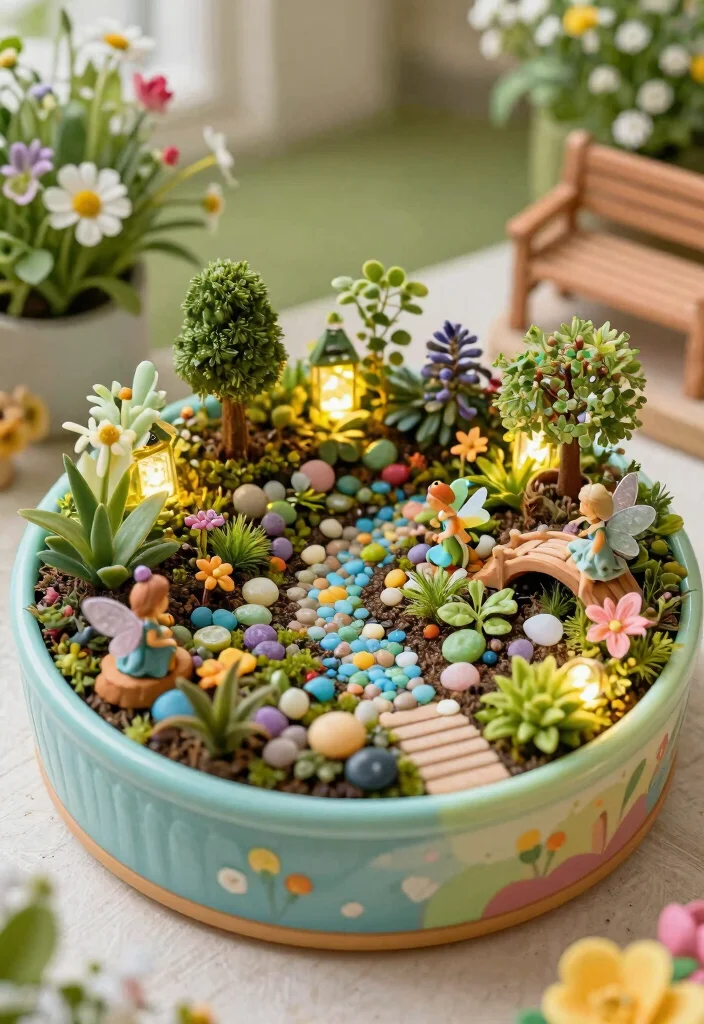
Introduce the enchanting world of a fairy garden to your outdoor play area! This whimsical space invites kids to unleash their creativity, crafting a miniature world filled with magic and wonder.
To create your fairy garden, start by selecting a charming container—a large pot, wooden box, or even a small patch of soil will do. Choose miniature plants like moss, dwarf shrubs, or succulents to fit the fairy theme. Decorate with tiny fairy figurines, colorful stones, and natural materials to enhance the magical vibe. Adding tiny solar lights or LED candles will give your garden a sprinkle of fairy sparkle at night.
Steps to set up your fairy garden:
– Choose a whimsical container for planting
– Select miniature plants for an enchanted look
– Use decorations to create a magical atmosphere
– Incorporate lights for nighttime charm
This magical garden is not just fun to create but also teaches kids valuable lessons in nurturing living things.
6. Nature Art Station
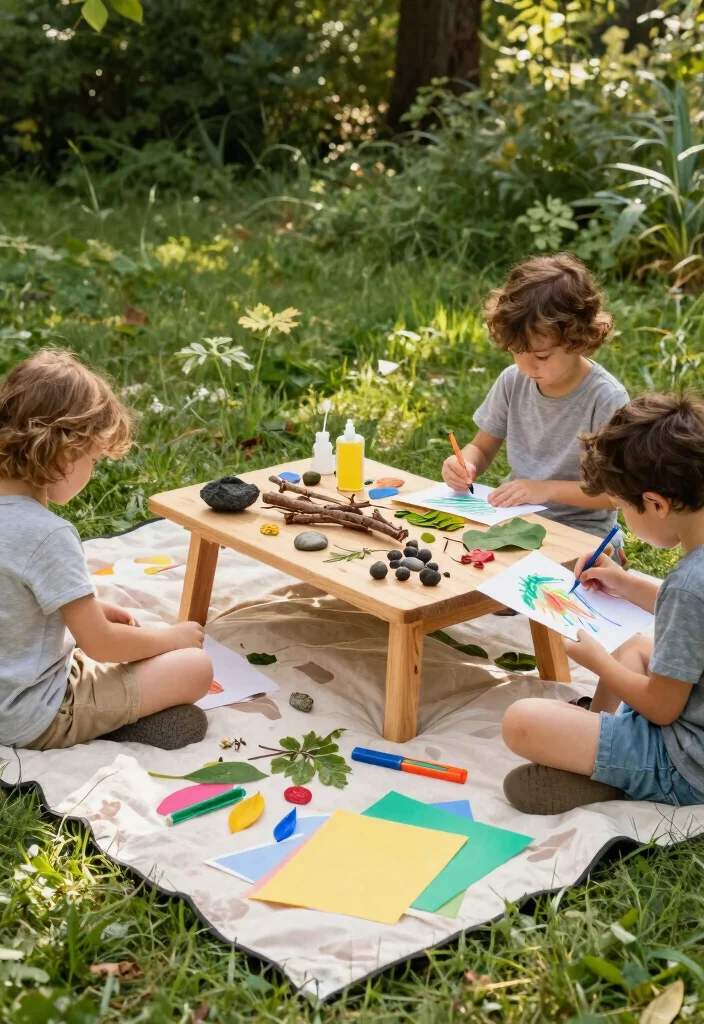
Set up a creative nature art station in your outdoor play area, allowing kids to express themselves using materials from their surroundings. This imaginative space encourages artistic flair while connecting them to the beauty of nature.
Gather a variety of natural materials like twigs, leaves, and stones for crafting. Create a workspace using a sturdy table or a picnic blanket where children can unleash their creativity. Provide art supplies like glue and scissors to help them turn their ideas into reality. Encourage kids to observe what they see around them and draw or craft from their inspirations.
Key elements for your nature art station:
– Gather an array of natural materials for crafting
– Provide a comfortable workspace for creativity
– Include essential art supplies for projects
– Inspire nature observation for deeper connection
This artistic outlet not only nurtures creativity but also fosters a love for the natural world.
7. Sensory Garden Zone
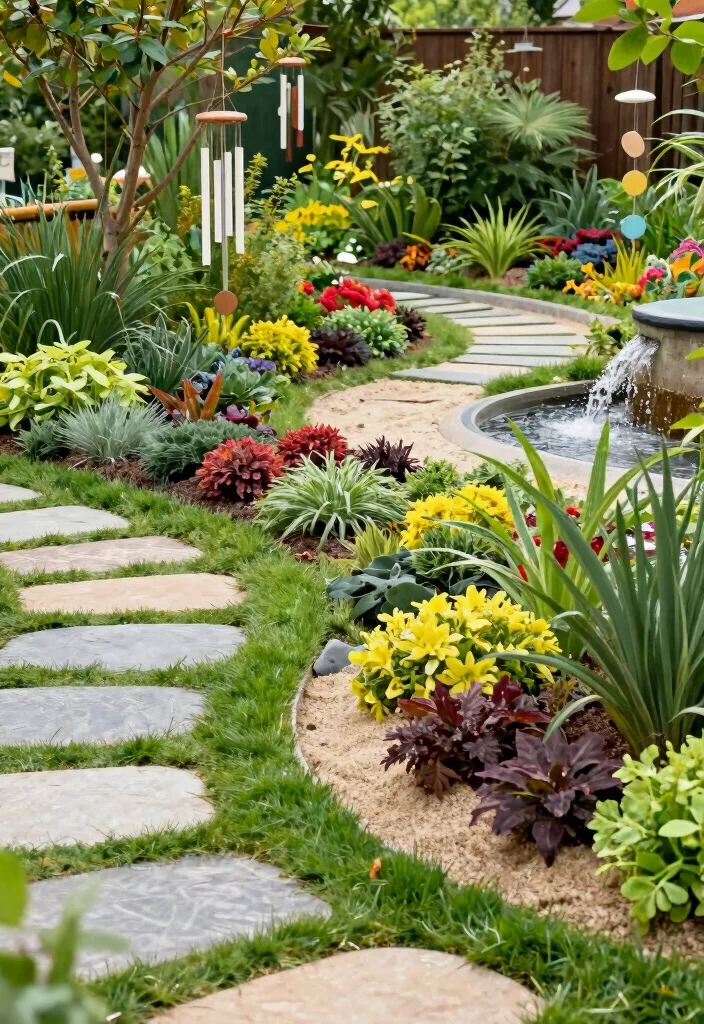
Create a sensory garden zone that captivates all five senses! This unique space allows kids to explore various textures, scents, and sounds, turning gardening into an engaging and educational experience.
Choose a variety of plants with distinct textures, colors, and scents like lavender, lamb’s ear, and vibrant marigolds. Incorporate paths made of different materials—smooth stones, grass, or sand—to enhance tactile experiences. Add wind chimes or rustling plants to create soothing sounds. Introduce interactive features like a small water fountain or mud kitchen for endless hands-on fun.
Steps to design your sensory garden:
– Select plants that engage different senses
– Use diverse materials for tactile paths
– Incorporate sound elements for auditory stimulation
– Add interactive features for hands-on learning
This sensory garden offers a rich experience that encourages exploration and interaction with the natural world.
8. Playful Climbing Structure
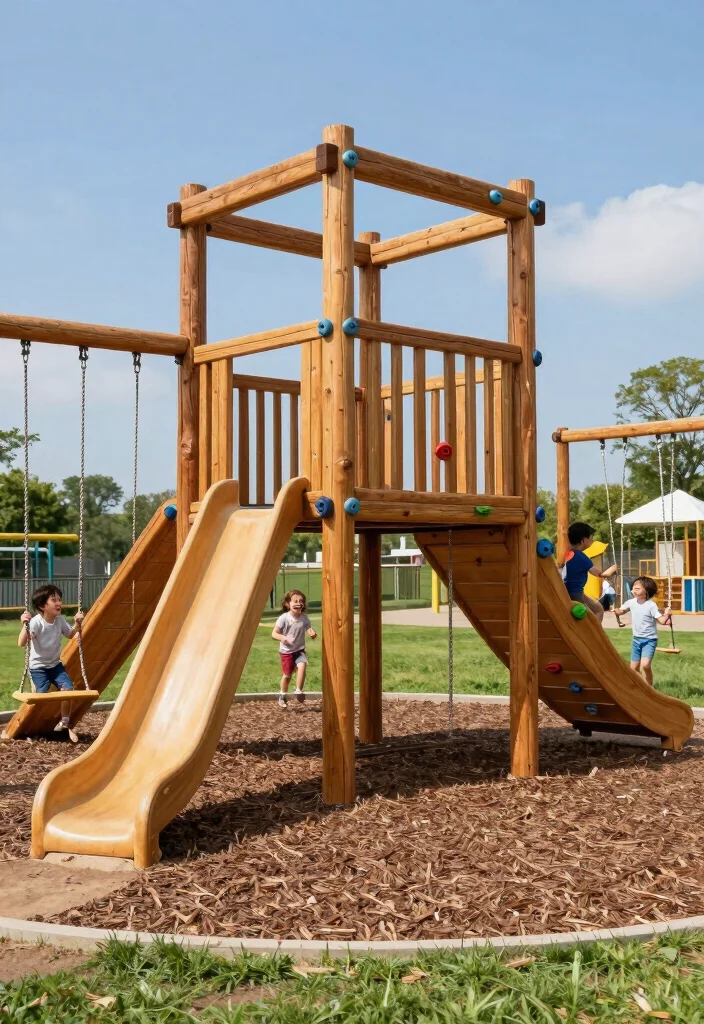
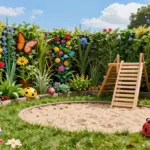
Incorporate a small climbing structure into your backyard to boost physical activity and gross motor skills. A playful climbing setup can be simple yet provide hours of fun, fitting perfectly in limited spaces.
To create your climbing structure, use sturdy wooden beams or recycled materials to build a small jungle gym. Ensure everything is securely built, and cover the ground with soft mulch or grass for safety. Add slides or ropes to enhance play options, transforming climbing into an exciting adventure. Include swings or hanging ropes for even more engaging activities.
Steps to set up your climbing structure:
– Use strong materials for safety
– Securely build the structure for stability
– Add slides and ropes for variety
– Install soft ground cover for safe landings
This climbing structure not only encourages play but also builds strength, coordination, and confidence in children.
Did you know a small outdoor play area with a simple climbing structure can boost gross motor skills by up to 20% in just 4 weeks? Start with sturdy wooden beams and soft mulch, then add a rope or slide for extra active options in limited spaces.
How To Choose the Right Small Outdoor Play Area Design
Creating a small outdoor play area for kids can be both exciting and overwhelming. With so many options, it’s important to choose the right design that suits your space, budget, and your child’s preferences. Here are key points to consider when selecting the ideal play area.
1. Size
Before you start planning, measure your outdoor space. Consider how much room you have for play structures, gardens, and walking paths. A small play area can be just as effective if designed thoughtfully. Aim for a space where kids can move freely, yet keep it cozy. Remember, you want them to feel safe and engaged without feeling cramped.
2. Material
The materials used in your play area are crucial for both safety and aesthetics. Look for non-toxic, durable options like wood, recycled plastic, or metal for structures. Soft surfaces such as mulch or rubber mats can help cushion falls. Consider choosing weather-resistant materials that will last, especially if you live in an area with harsh weather.
3. Features
Think about the features that will make your play area enjoyable. Do you want climbing structures, swings, or a vertical garden wall? Each element adds a different aspect to the play experience. For instance, a sensory garden with various textures can stimulate young minds, while a climbing frame promotes physical activity. Make a wishlist based on what your children love to do.
4. Budget
Establishing a budget before diving into your play area project is essential. Break down costs for materials, equipment, and any landscaping needed. Keep in mind that you can create a great play space on a budget. DIY projects, such as building a mini climbing wall or planting a garden, can save money while also offering a fun family activity.
5. Safety
Safety should be your top priority when creating a play area. Ensure that all equipment is age-appropriate and securely installed. Check for any sharp edges or points that could pose a risk. Having proper fall zones, such as soft grass or mulch, will help prevent injuries. Additionally, consider fencing the area to keep kids safe while they play.
6. Aesthetic Appeal
Lastly, think about how your play area will look within your garden or backyard. Use colors and designs that blend well with your home and surrounding environment. Adding decorative elements, like whimsical plantings or playful garden art, can enhance the visual charm. This makes the space inviting for kids and adults alike.
Pro Tip: Involve your kids in the planning process! Ask them what features they would love to see. This can spark their imagination and make them more excited about their new outdoor play area. Plus, it ensures the space is tailored to their interests, making it a place they will cherish and enjoy for years to come!
9. Cozy Reading Nook
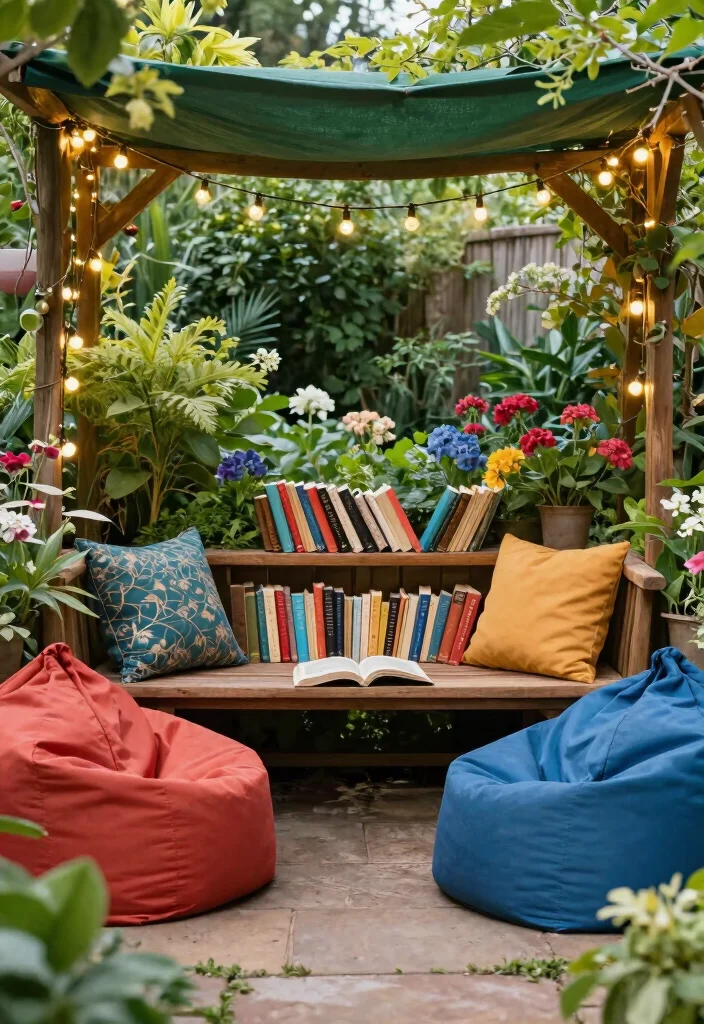
Create a cozy reading nook in your outdoor play area, inviting kids to dive into books while surrounded by nature. This serene corner can be designed with comfortable seating, inspiring relaxation and imagination.
Start with seating options like cushions, bean bags, or a small outdoor bench for a comfy spot. Look for natural shade or install a small canopy to keep it cool and inviting. Fill a nearby shelf with age-appropriate books that spark children’s interest. Enhance the cozy atmosphere with fairy lights or colorful outdoor pillows.
Steps to create your reading nook:
– Choose comfortable seating for relaxation
– Find shade or create a cozy canopy
– Stock up on fun, engaging books
– Add decorative touches for charm
This reading nook offers a peaceful retreat where kids can immerse themselves in their favorite stories amid the beauty of nature.
“Turn a corner of your small outdoor play area into a cozy reading nook and watch kids settle in for adventure. Add a vertical garden backdrop for shade and a shelf with age-appropriate books—imagination blooms outdoors.”
10. Imaginative Playhouse
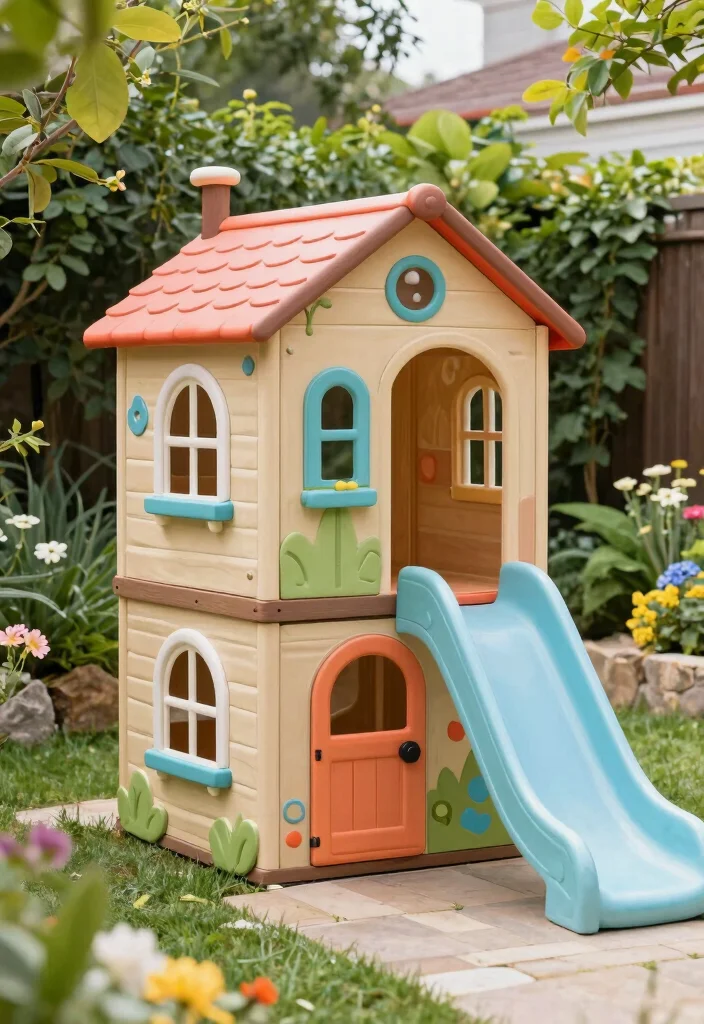
A small playhouse can become the heart of your outdoor play area, igniting creativity and imaginative play. Customize the playhouse to fit your backyard style and complement the garden theme.
When building your imaginative playhouse, pick a compact design that fits well in your space while providing enough room for kids to play. Bright colors or fun themes can personalize it, allowing children to feel ownership over their magic space. Add interactive features such as windows, a doorbell, or a slide to make it even more engaging. Incorporate natural elements and plants around the playhouse to blend it seamlessly into the surroundings.
Steps to create the perfect playhouse:
– Choose a compact design for your space
– Personalize with bright colors or themes
– Add engaging features for play
– Integrate natural elements for a cohesive look
This playhouse will become a cherished spot where kids can let their imaginations run wild, from pirates to princesses.
11. DIY Water Feature
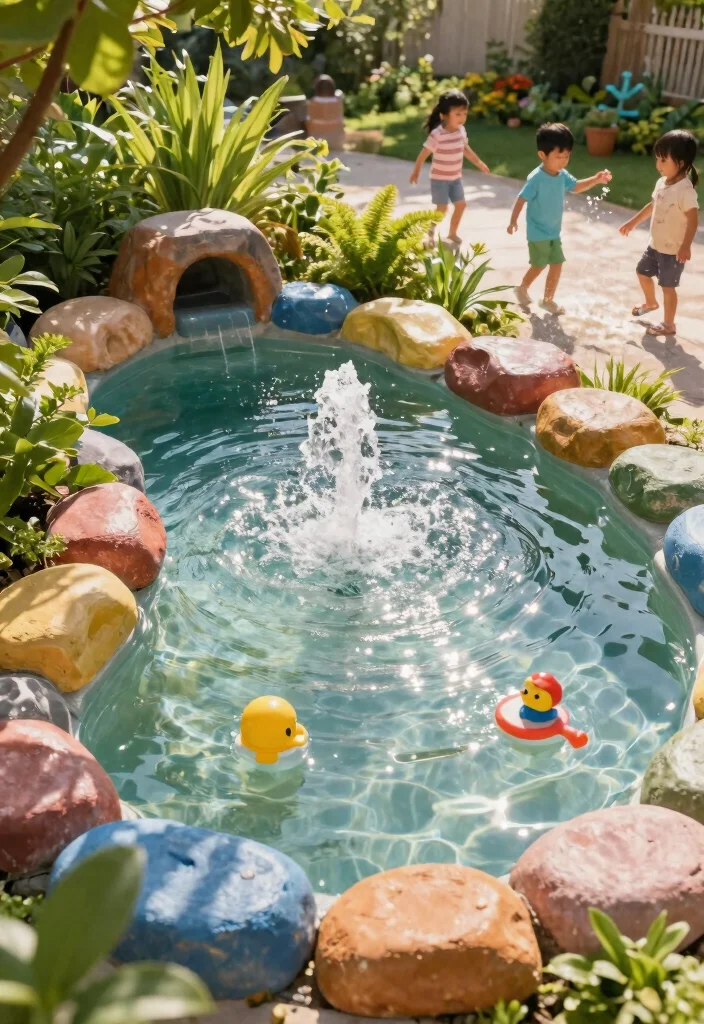
Introduce a DIY water feature to your outdoor play area, turning it into an exciting sensory spot. A small fountain or pond can enhance the atmosphere, inviting kids to cool off and engage creatively with water.
Start by choosing a safe and visible location near the play area. Use a pre-formed pond liner or a small water fountain kit for easy assembly. Surround the water feature with decorative rocks, plants, and even toys to enhance the fun. Ensure the water depth is safe for play and supervise children during water activities.
Essential steps to create your water feature:
– Find a safe, visible spot for installation
– Use simple materials for easy setup
– Decorate the area for added fun
– Ensure safety for children during play
This water feature will not only provide a refreshing splash zone but also encourage imaginative play and exploration.
12. Garden Obstacle Course
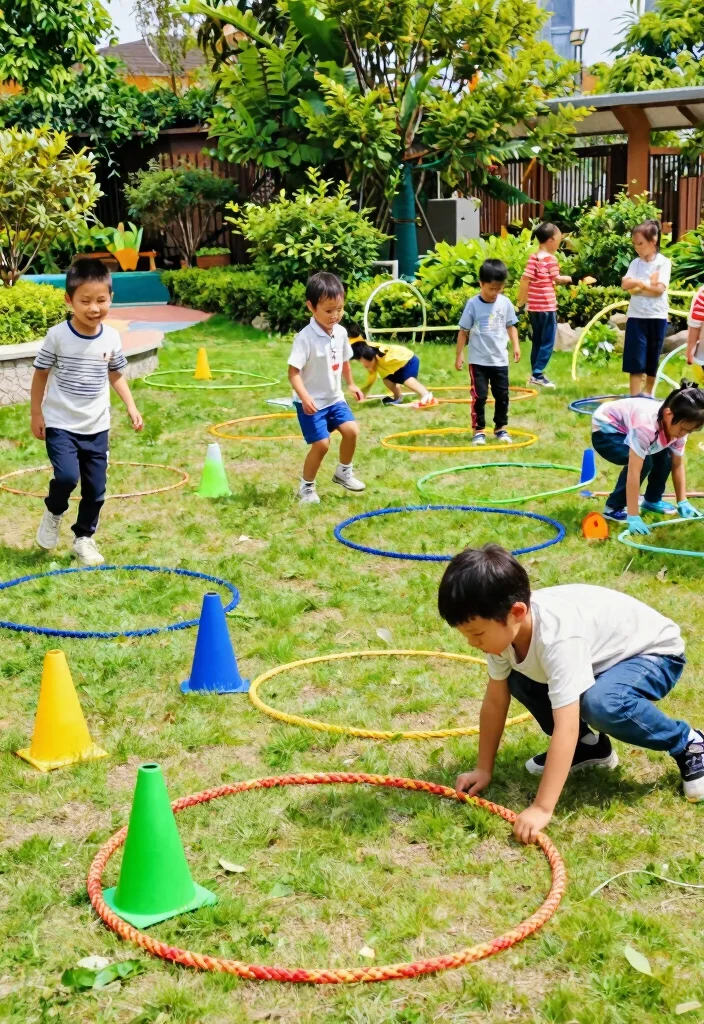
Build a mini obstacle course in your outdoor space to promote physical activity and friendly competition. This engaging setup can be tailored based on available space and the ages of the children.
Start by using items like hula hoops, cones, and ropes to create various challenges. Plan a route that includes elements for climbing, jumping, and crawling to ensure a comprehensive workout. Ensure all materials are safe and secure for kids to navigate. Add time challenges or scorekeeping for extra excitement and competition.
Steps to create your obstacle course:
– Gather equipment for various challenges
– Plan a fun route for physical activity
– Ensure all materials are safe to use
– Introduce time challenges for added excitement
This obstacle course will engage kids in fun activities while helping them develop coordination and confidence.
13. Bird Feeder Station
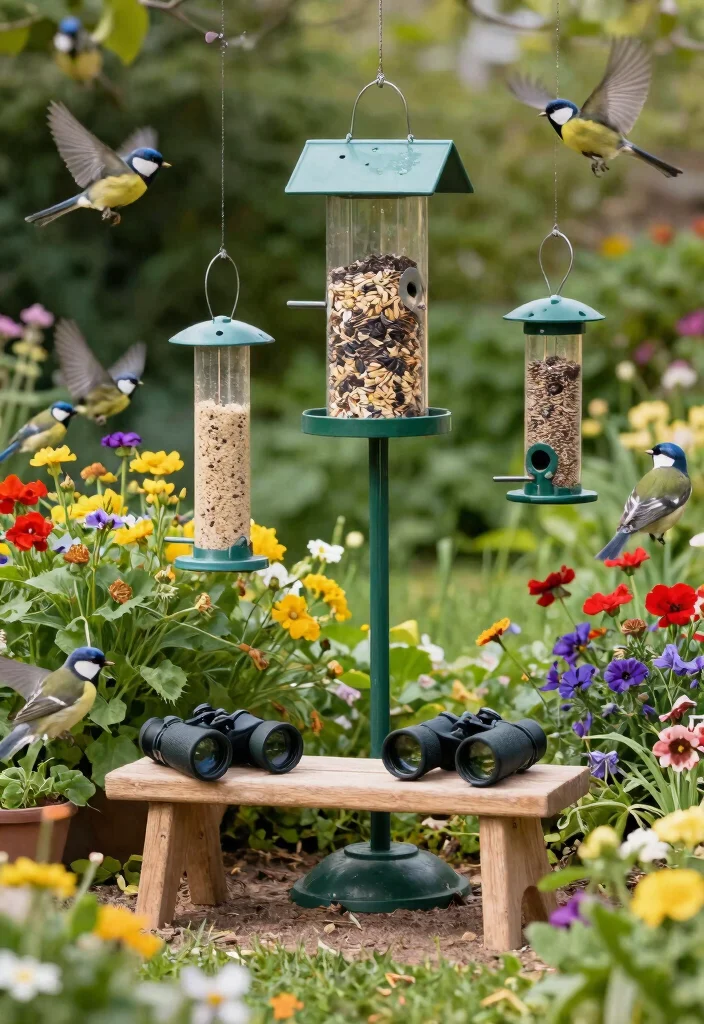
Set up a bird feeder station in your outdoor play area to nurture kids’ appreciation for wildlife. This interactive setup attracts beautiful birds and provides educational opportunities about nature.
Begin by selecting a variety of feeders—hanging, platform, or tube feeders—based on the birds you want to attract. Use seeds, suet, or nectar tailored to local bird species. Create a comfortable viewing spot nearby, perhaps with binoculars, for kids to observe the birds. Include a bird identification book to enhance the learning experience.
Steps to create your bird feeder station:
– Choose diverse feeders for various birds
– Select appropriate food based on species
– Set up a viewing area for birdwatching
– Include educational materials for learning
This bird feeder station will beautify your garden while fostering a love for nature as kids observe the wonders of wildlife.
14. Fire Pit Gathering Spot
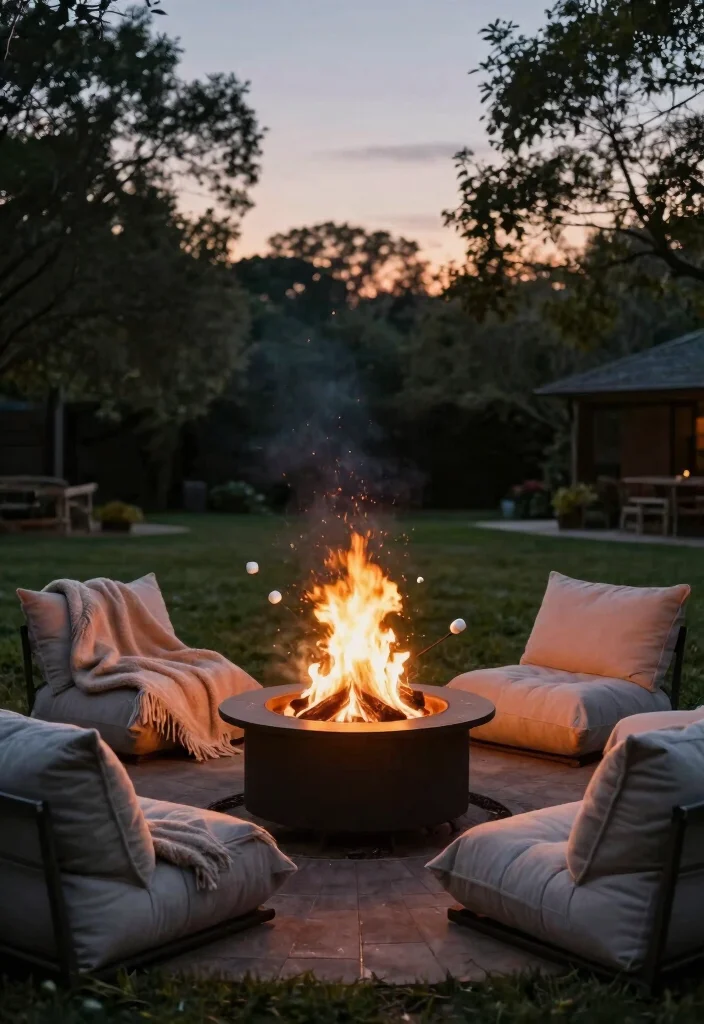
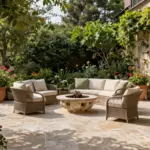
Create a cozy fire pit gathering spot in your outdoor play area, perfect for storytelling and roasting marshmallows. This inviting space can become a favorite nighttime retreat for children and their friends.
To set up your fire pit, choose a safe area away from flammable materials and install a secure fire pit. Arrange comfortable seating around the fire, using benches or cozy chairs. Keep materials handy for roasting marshmallows and making s’mores to enhance the experience. Always supervise children when the fire is lit for safety.
Steps to create your fire pit area:
– Choose a safe location for the fire pit
– Arrange comfortable seating for gatherings
– Prepare materials for fun fire-side snacks
– Ensure supervision during fire activities
This fire pit gathering spot will create memorable experiences filled with stories and laughter.
15. Outdoor Music Corner
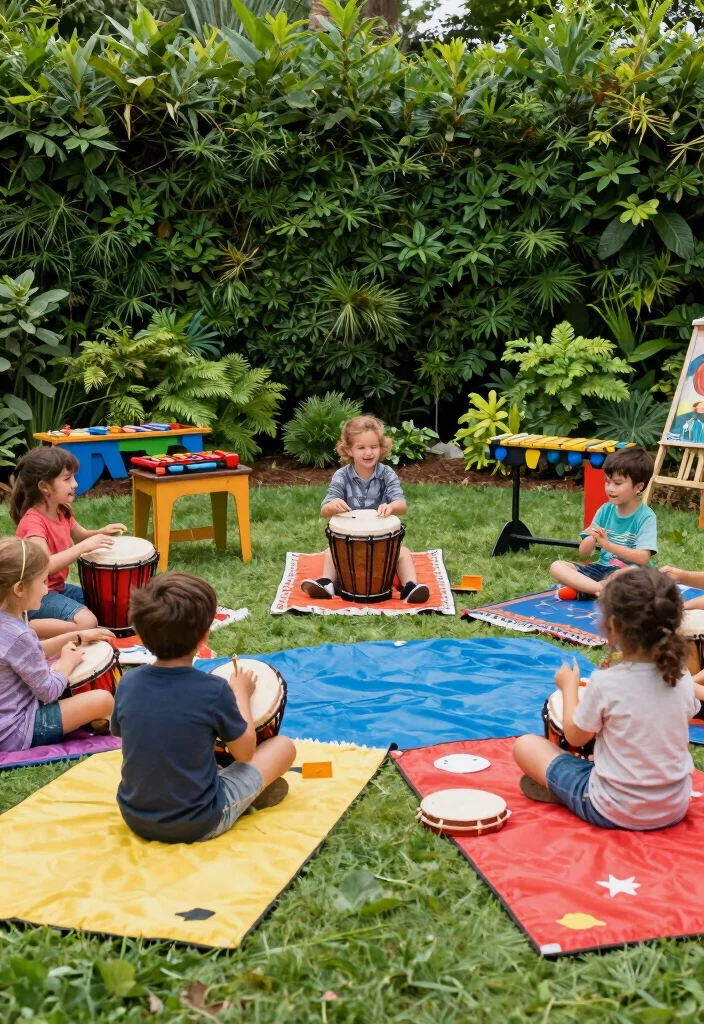
Set up an outdoor music corner in your play area, allowing kids to explore their musical talents while having fun. This vibrant space encourages creativity and collaborative play.
Include instruments like xylophones, drums, and tambourines made from natural materials. Encourage children to create their own instruments using pots, pans, or even simple items like flower pots and sticks for drumming. Create a whimsical stage using colorful mats or blankets where kids can perform. Promote group play and music-making sessions for a dynamic experience.
Steps to create your music corner:
– Include a variety of instruments for exploration
– Encourage DIY instrument creation for fun
– Designate a stage area for performances
– Foster teamwork through group music play
This outdoor music corner will entertain kids while developing their rhythm and creativity, promoting social interactions.
Fun fact: Kids who play music outdoors spend up to 40% more time in active play. A simple outdoor music corner—xylophones, drums, and DIY pots—turns impromptu jams into cooperative, creative moments.
16. Nature Scavenger Hunt
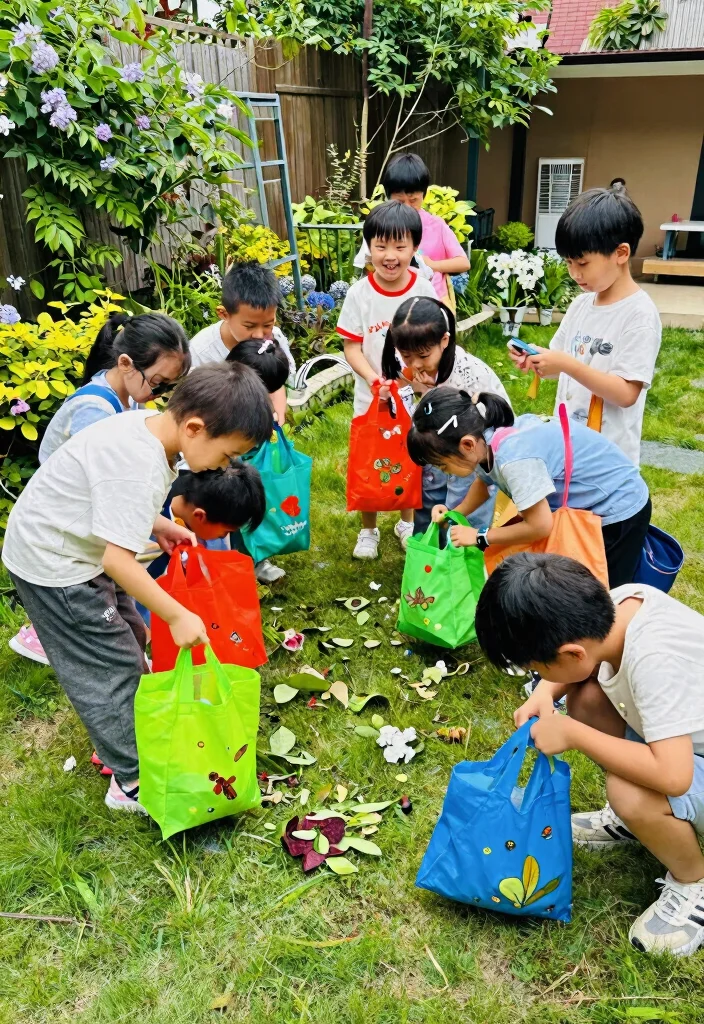
Organize a fun nature scavenger hunt in your outdoor play area to educate and entertain kids simultaneously. This engaging activity helps children connect with nature and sharpen their observational skills.
Start by preparing a list of items found in your backyard, like specific leaves, flowers, or insects. Ensure the area is safe and that everyone knows to explore respectfully. Provide bags or baskets for collecting items, encouraging kids to take notes or draw pictures of their finds. Promote teamwork and sharing during the hunt for an enriching experience.
Steps to set up your scavenger hunt:
– Create a list of local nature items to find
– Ensure safety and respectful exploration
– Provide collecting tools for treasures
– Encourage collaboration for a shared adventure
This nature scavenger hunt will turn into an educational quest, deepening kids’ appreciation for the environment while providing hours of fun.
Conclusion
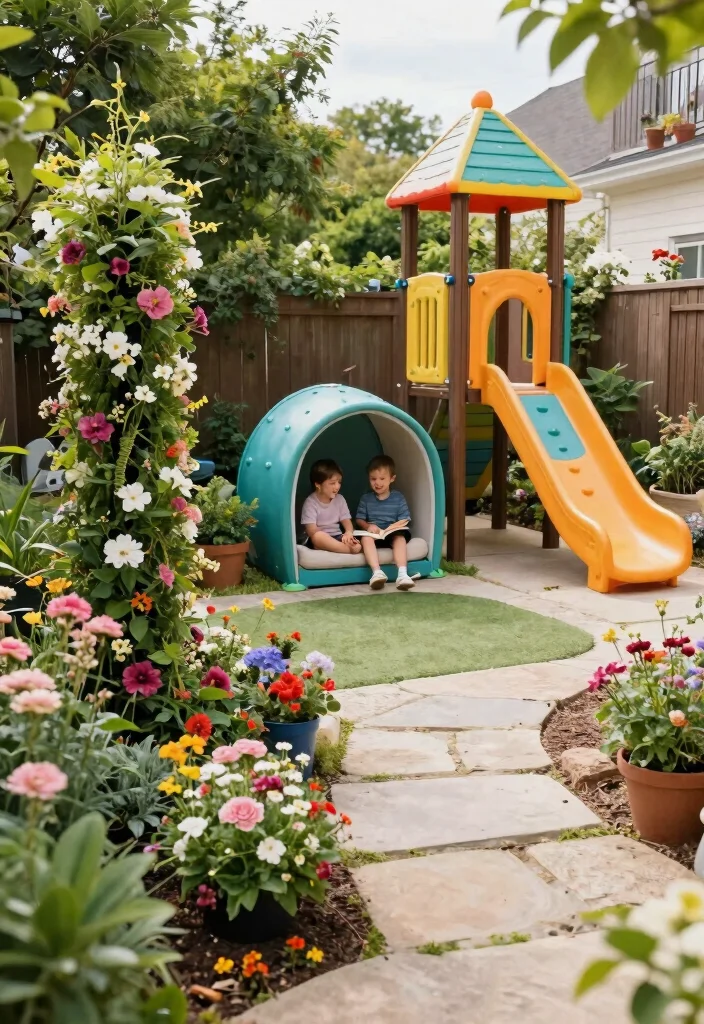
Creating a small outdoor play area for kids can be a wonderfully rewarding project that combines creativity, nature, and fun. By incorporating unique elements like a vertical garden or cozy reading nook, you can craft a space that sparks joy and learning.
Encouraging children to explore, engage, and play outdoors nurtures their love for nature while developing essential skills and creativity. Dive into these ideas and start transforming your backyard today!
Note: We aim to provide accurate product links, but some may occasionally expire or become unavailable. If this happens, please search directly on Amazon for the product or a suitable alternative.
This post contains Amazon affiliate links, meaning we may earn a small commission if you purchase through our links, at no extra cost to you.
Frequently Asked Questions
How can I design a small outdoor play area that uses vertical gardening to save space?
Absolutely—designing a small outdoor play area with vertical gardening is a smart way to maximize a tiny yard and create engaging vertical gardening play areas for kids. Here’s a practical plan to get you started.
First, map the space and define zones for play, watering, and storage. A wall or fence is ideal for a vertical setup, keeping ground space open for activity.
Then choose vertical elements such as a raised herb wall, hanging planter pockets, or a simple trellis with climbing plants. These become kid-friendly features without crowding the floor.
Make it multi-use: add a small chalkboard or whiteboard on a sturdy planter panel, attach nature-number/letter tags, or install a corkboard for nature notes. This ties garden play ideas into the design.
Finally, focus on safety and maintenance: pick child-safe, non-toxic plants, use smooth-edged materials, and ensure fixtures are securely anchored. Keep pathways clear and provide simple water or sensory stations nearby to enhance backyard activities.
What are some creative garden play ideas I can fit into a vertical gardening backyard?
Here are some engaging garden play ideas that fit a vertical gardening backyard without stealing ground space.
Turn a vertical herb wall into a pretend kitchen—hang kid-friendly utensils and a small chalkboard on the planter panel for menus and recipes.
Install a hanging pocket plant rack at kid height so they can pick herbs to sniff, snip, and learn about textures.
Mount a low climbing trellis or arched frame with kid-safe grips to encourage active play while showcasing climbing plants like nasturtium or beans.
Set up a slim water play station along the fence with small cups, funnels, and containers to spark curiosity and experimentation.
Paint a nature scavenger hunt board on weatherproof wood and attach it to the vertical structure to blend garden play with learning.
How can vertical gardens improve the kids outdoor space without making it feel crowded?
Vertical gardens can dramatically improve your kids outdoor space by adding color, texture, and learning opportunities without sacrificing ground area.
Why it works: ground space remains open for running, sandbox play, or picnics while the vertical wall provides exploration, climbing, and hands-on gardening at kid height.
Tips to keep it feeling spacious: choose compact, modular planters and mount them close to a fence or wall, use light-colored finishes to brighten the area, and rotate plants seasonally to keep the scene fresh and engaging.
With the right balance, your backyard activities stay dynamic and the garden play ideas stay practical.
What safety tips should I follow when building a small vertical garden play area in the backyard?
Safety comes first when creating a vertical garden play area. Here are practical tips to keep kids safe while enjoying their space.
Choose non-toxic plants and avoid those with sharp edges or thorns. Keep toxic or choking hazards out of reach.
Anchor all structures securely to prevent tipping, and use smooth-edged materials with rounded corners to reduce scrapes.
Provide a soft ground surface under play elements (rubber mulch, bark, or grass) to cushion falls, and keep heavy items and tools out of reach when not in use.
Establish clear rules for climbing and watering, supervise young children, and perform regular checks for loose screws or rot in wooden components. A well-constructed setup supports ongoing backyard activities and safe garden play ideas for kids.
What quick-start steps can I take this weekend to begin building a vertical gardening play area for kids?
Here’s a simple weekend plan to start a vertical gardening play area for kids without overhauling your entire yard.
Step 1: Measure sun exposure and choose a location that gets adequate light and has a nearby water source. Decide where the small outdoor play area will be centered.
Step 2: Pick a vertical system—recycled pallet walls, modular planters, or a lightweight trellis kit—that fits your space and skill level.
Step 3: Gather kid-safe materials: sturdy mounting hardware, weatherproof planters, non-toxic paints or stains, and soft ground cover for underfoot safety.
Step 4: Install the vertical structure against a wall or fence and create a simple play zone nearby with a chalkboard, a small water station, and a few accessible tools.
Step 5: Choose beginner-friendly plants (basil, mint, colorful flowers) and set up a basic maintenance plan. As you progress, you can expand with more garden play ideas and turn it into a thriving garden play ideas hub.
Related Topics
small outdoor play area
vertical gardening
playground design
kids outdoor space
backyard activities
garden play ideas
creative play areas
easy DIY
family friendly
nature play
seasonal fun
compact gardens