
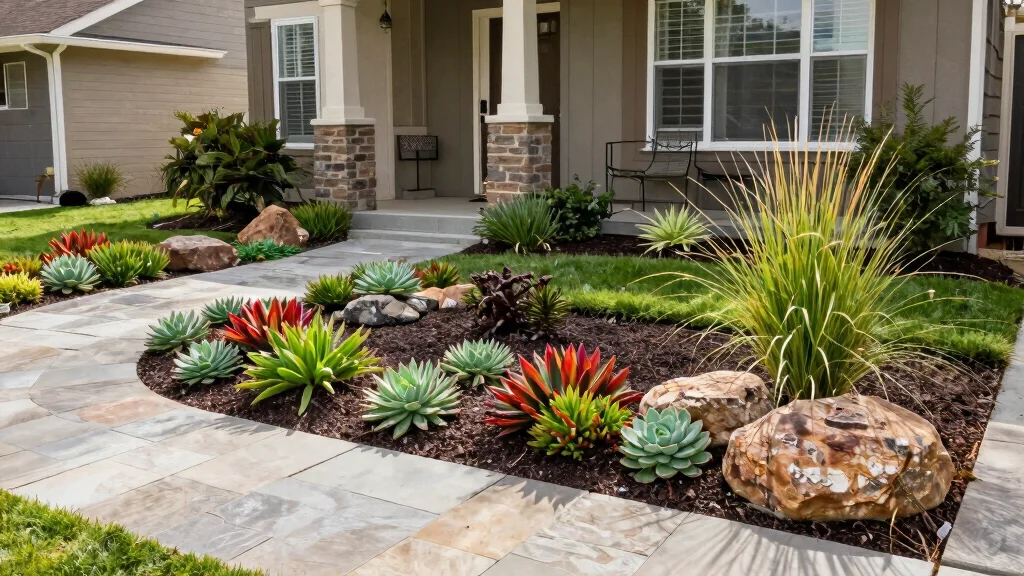
Creating a beautiful front yard doesn’t have to be a labor-intensive task. In fact, I’ve been on the lookout for low maintenance landscaping front yard ideas that are not only stunning but also easy to maintain. If you’re like me and wish to enhance your outdoor space without the endless upkeep, this post is just for you.
Whether you’re a busy professional, a parent juggling multiple responsibilities, or simply someone who prefers to spend more time enjoying your garden rather than working in it, you’ll find plenty of inspiration here. I’ve gathered 18 ideas that incorporate drought-resistant plants and easy garden design techniques, ensuring your front yard remains beautiful without demanding too much of your time or effort.
What can you expect from this guide? You’ll discover practical tips on using rock gardens, xeriscaping, and ornamental grasses that not only boost curb appeal but thrive with minimal watering. From container gardening to edible landscaping, these ideas will transform your front yard into an inviting oasis while keeping maintenance at bay. Let’s dive in!
Key Takeaways
– Drought-Resistant Plants: Focus on selecting plants that require less water, helping you save time and resources while keeping your garden vibrant.
– Hardscaping Options: Incorporate stones, gravel, or pavers to reduce maintenance and create clean, attractive pathways and features.
– Easy Garden Design: Embrace minimalist designs that focus on structure and form, minimizing the need for extensive plant care.
– Container Gardening: Use pots and containers to add pops of color without digging into the ground, making it easier to rearrange or replace plants.
– Customizable Elements: Integrate unique features like water installations or decorative lighting to enhance your space’s charm without increasing upkeep.
1. Xeriscaping for Water Conservation
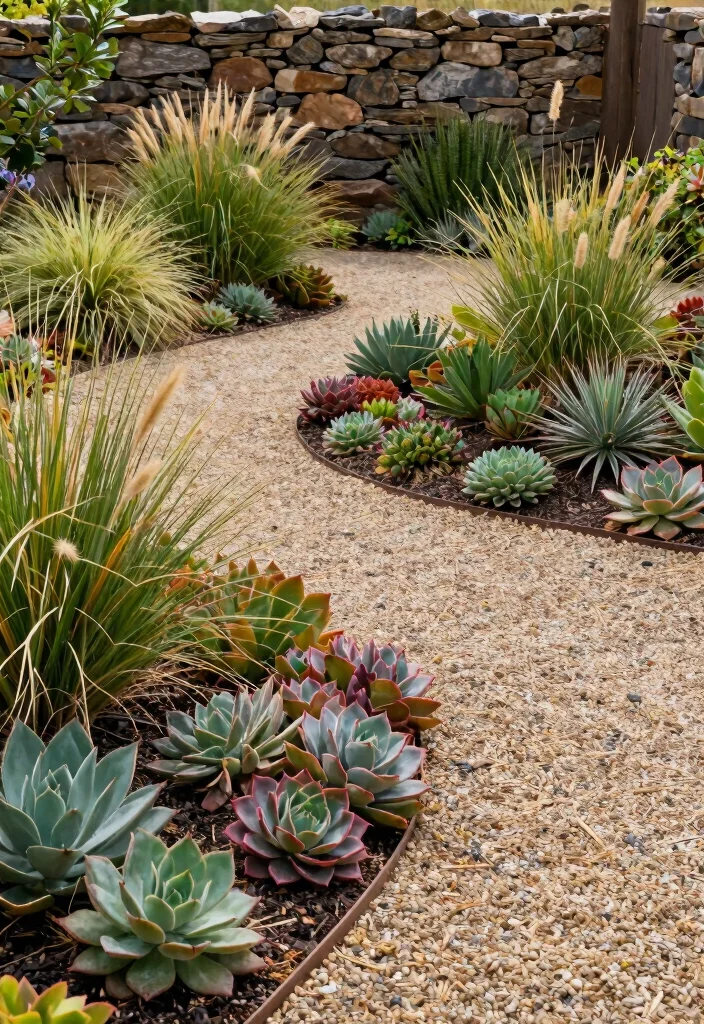
If you’re looking to reduce water usage while enjoying a vibrant landscape, xeriscaping might be your answer. This method uses drought-resistant plants tailored to your local climate, ensuring beauty without the constant need for watering. The beauty of xeriscaping lies in its sustainable nature—it can significantly lower your water bills while requiring minimal upkeep.
Start by choosing plants that are native to your region, as they thrive with little water. Organize your garden by grouping plants with similar watering needs to enhance efficiency. Don’t forget to apply mulch to retain moisture and keep weeds at bay.
Key steps to implement xeriscaping:
– Select native plants suited for your climate.
– Group plants with similar watering needs together.
– Use mulch to conserve moisture and suppress weeds.
This approach not only beautifies your yard but also promotes sustainability, allowing you to enjoy a lush landscape with minimal effort.

【Perfect Pebbles Size】These stones are packaged in a 2 pounds bag. Its approximate 3/8inch dimension makes it ideal for succulent and cactus plants as well as any type of vase or planter

【Jade Bean Pebbles Size 】: 1/5" average size is perfect for small applications(The size is 4mm to 6mm)

【Package & Size】Package: 2 pounds colorful pebbles. Size:3/8 inch(0.5-1 cm). Perfect size is ideal for decorating succulents, cacti and other small potted plants
2. Rock Gardens with Succulents
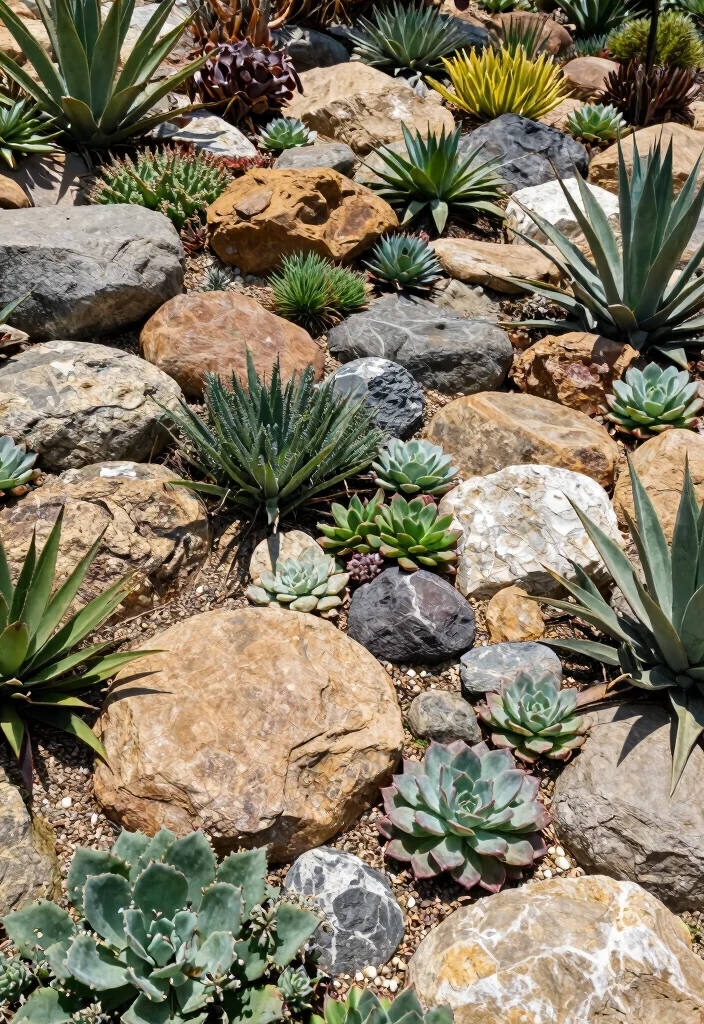
Rock gardens offer a stunning, low-maintenance solution for homeowners. By mixing drought-tolerant succulents with various rocks, you can create an eye-catching landscape that requires very little care. The key is to choose a harmonious combination of plants and stones that complement each other beautifully.
When designing your rock garden, consider incorporating different succulent shapes and heights to create visual interest. Opt for local stones that blend naturally with your surroundings. Additionally, arranging rocks at varying levels can add depth and character to the garden.
Elements to include in your rock garden:
– Choose a variety of succulents for visual diversity.
– Use native stones for a natural look.
– Create levels with larger rocks for added depth.
With minimal watering and no mowing, a rock garden transforms your front yard into a beautiful space that’s easy to maintain.
Easy to grow perennial, drought tolerant full sun or full shade

TALL, ELEGANT PERENNIAL GRASS: Our perennial plants grow 36-48 inches tall and 24-36 inches wide, returning each year with soft, feathery plumes that add texture and movement. Its upright growth enhances landscapes from spring to late fall, making it a standout for outdoor living and decorative spaces. Ideal for gardens, borders, and pathways, it brings refined elegance to any setting.

NATIVE PRAIRIE INDIANGRASS SEEDS: Heirloom, non-GMO open-pollinated North American native grass seeds with high germination rates; adapted to USDA zones 4-9
3. Hardscaping Enhancements
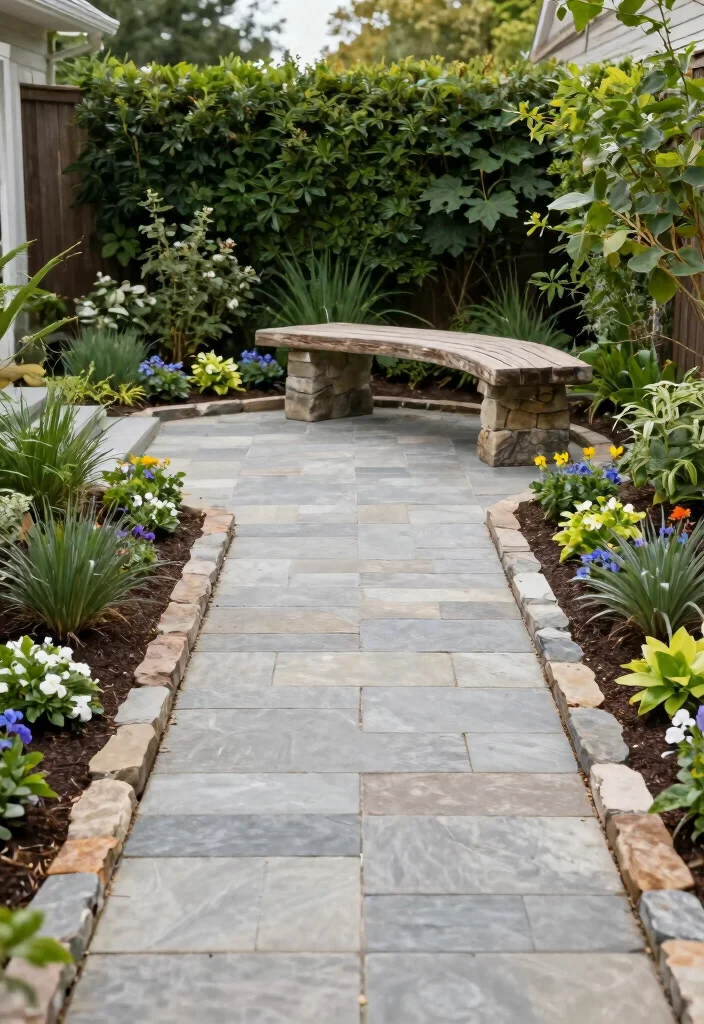
Adding hardscaping elements can elevate your front yard’s appeal while cutting down on ongoing maintenance. Features like stone paths, patios, and retaining walls not only provide structure but also enhance the overall design of your landscape.
Think about incorporating paved pathways to guide guests while reducing grassy areas that require mowing. Create cozy seating spots with benches or patios to enjoy your garden. Use decorative borders made of stone or wood to frame flower beds and add a polished appearance.
Consider these hardscaping features:
– Add paved pathways for easy navigation.
– Include seating areas for relaxation and enjoyment.
– Use decorative borders to enhance flower beds.
By integrating hardscaping, you create visual interest and minimize the time needed for upkeep, allowing you to savor your outdoor space.

Package: Total 6 bundle of artificial geranium flower, Pot not included.


12 Bundles for Dense, Natural Displays: Ample quantity ensures full, vibrant coverage in large planters or garden beds. Mix bundles for DIY projects or cohesive landscape designs
4. Drought-Resistant Perennials
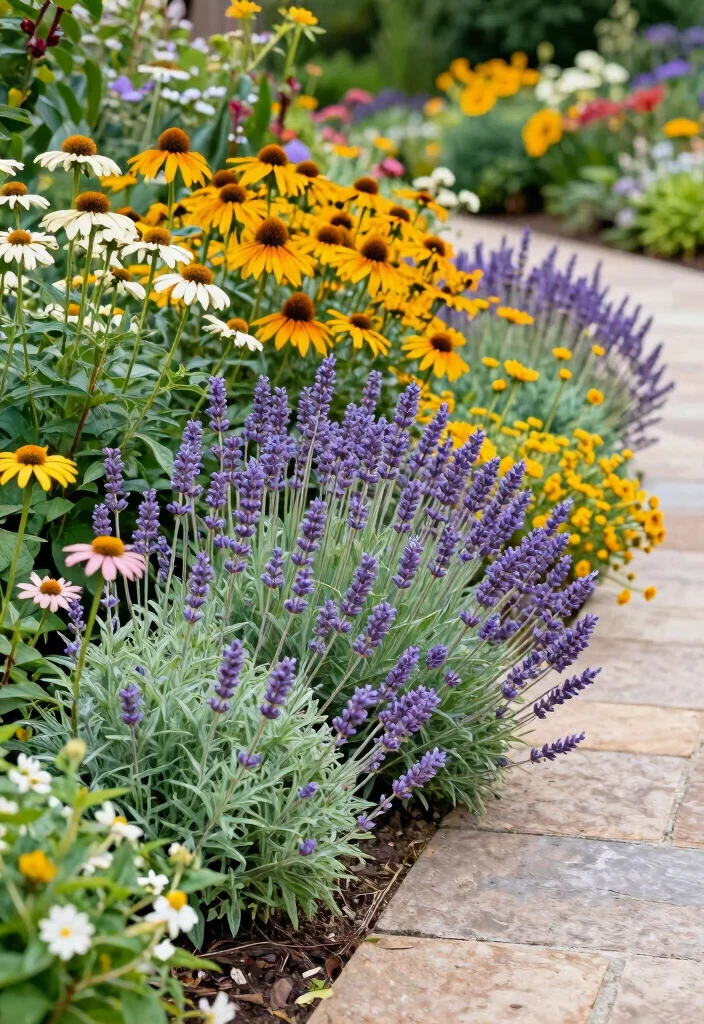
Incorporating drought-resistant perennials can lead to a vibrant, colorful front yard that thrives year after year with minimal effort. These resilient plants flourish in dry conditions and adapt well to various soil types, making them an ideal choice for low maintenance landscaping.
Some top choices for drought-resistant perennials are lavender, which offers stunning blooms and a pleasant fragrance, coneflower for its pollinator-friendly qualities and bright colors, and sedum, a low-growing succulent perfect for ground cover.
Popular drought-resistant perennials:
– Lavender for beautiful blooms and fragrance.
– Coneflower (Echinacea) to attract pollinators.
– Sedum as a low-growing ground cover.
By mixing these perennials with hardscape elements, you can achieve a breathtaking garden that flourishes with minimal care.

DURABLE AND ECO-FRIENDLY: Crafted from 100% recycled PPE plastic, our gravel paver system delivers exceptional strength and longevity; This set includes 22 units with a 1-inch depth, covering an area of 65 square feet
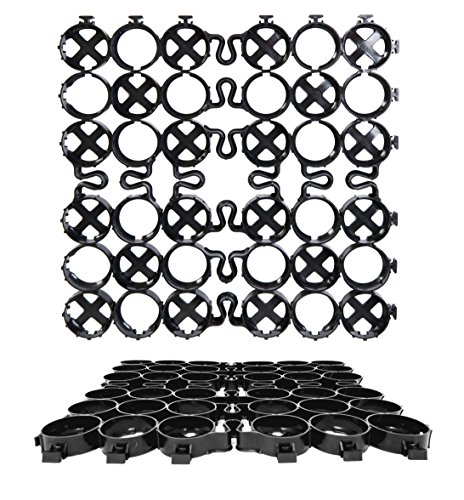
EASY TO USE: Our lightweight permeable pavers are easy for any level of DIYer to install; Feel proud of your own outdoor home improvements!

【INSTANT GARDEN PATHWAY】Create a beautiful, natural stone walkway in seconds without the hard work. These pre-assembled mats require no digging, mixing cement, or heavy lifting. Simply lay them down on grass, mulch, gravel, or soil to instantly define a path and keep your shoes clean and mud-free.
5. Minimalist Landscape Design
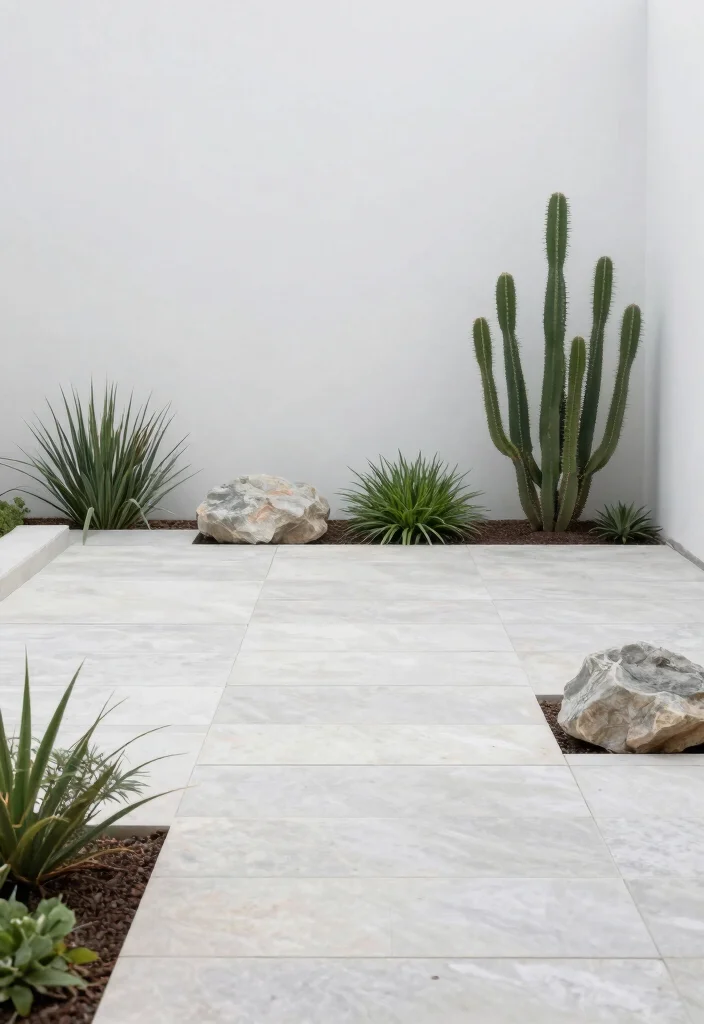
Minimalist landscape design focuses on simplicity and clean lines, making it a great option for low maintenance gardens. By reducing clutter and emphasizing key elements, you can create a spacious and inviting feel in your front yard.
To achieve a minimalist look, limit your plant varieties to a few key selections that repeat for cohesion. Incorporate negative spaces to allow for visual impact and easy maintenance. Using geometric shapes in your hardscape can add a modern touch to your design.
Tips for a minimalist design:
– Limit plant varieties for a cohesive look.
– Create negative space for visual impact.
– Use geometric shapes for modern aesthetics.
This style not only looks fantastic but also simplifies upkeep, allowing you to enjoy your garden without the burden of heavy maintenance.

🌹 【Realistic Look】- Each wheat grass in the bundle gives the appearance of a real, natural plant. Artificial plants are a practical alternative to real florals and will remain fresh-looking and beautiful year after year!

Package: Total 6 bundle of pink geraniums artificial flowers realistic, Pot not included.
How To Choose the Right Drought-Resistant Plants for Your Low Maintenance Landscaping Front Yard
When selecting plants for your low maintenance landscaping front yard, choosing drought-resistant varieties can significantly reduce water usage and upkeep. Here’s how you can make the best choices:
1. Climate Compatibility
Choose plants that thrive in your local climate. Research native plants as they are naturally adapted to your area’s weather conditions. They require less water and maintenance, making them an ideal choice for easy garden design.
2. Soil Type
Understand the soil in your yard. Different plants have varying soil preferences, such as sandy, clay, or loamy soils. Conduct a soil test to determine pH and nutrient levels, helping you pick the right plants that will flourish without extra care.
3. Sunlight Exposure
Assess the sunlight your front yard receives throughout the day. Some plants require full sun, while others thrive in partial shade. Make sure to select drought-resistant plants that match the sun exposure in your yard for optimal growth.
4. Growth Habits
Consider the growth habits of the plants. Some might spread out wide, while others grow tall. Choose plants that fit your desired aesthetic, spacing, and overall curb appeal. This will help you avoid overcrowding and allow each plant to shine.
5. Maintenance Requirements
Even drought-resistant plants need some care. Choose varieties that align with your willingness to maintain them. Check if they require minimal pruning, deadheading, or special care to stay healthy. The goal is to create maintenance-free gardens that look great year-round.
6. Visual Appeal
Don’t forget about aesthetics! Select a mix of colors, heights, and textures to enhance the beauty of your front yard. Look for plants that bloom in different seasons to keep your garden lively and colorful throughout the year.
Pro Tip: Make a list of your favorite drought-resistant plants and visit a local nursery. Ask for their input on which varieties thrive best in your specific area, ensuring your choices will succeed.
By following these steps, you’ll be well on your way to creating a stunning, low maintenance landscaping front yard that not only looks beautiful but also conserves water. Enjoy your gardening journey!

CONTEMPORARY DESIGN: This animal plant pot adds an adorable touch to any space. You can use this cute planter as a display piece indoors on your deck, desk, or table or outdoors on your porch or patio.

【Pebbles Size】These stones are packaged in a 2 pounds bag. The size is about 1/5 inch, it is perfect for succulent and cactus plants, as well as any vase or planters
【Package & Size】Package: 1 pound colorful pebbles. Size:3/8 inch(0.5-1 cm). Perfect size is ideal for decorating succulents, cacti and other small potted plants
6. Ornamental Grasses
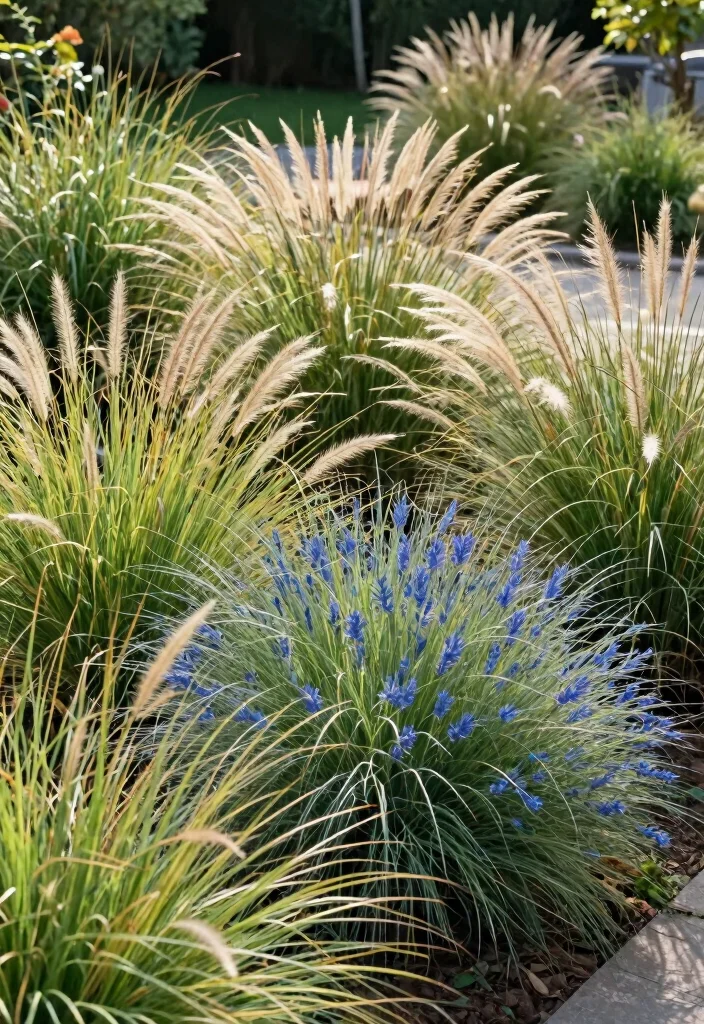
Ornamental grasses are a wonderful addition to any front yard, bringing texture and movement with minimal effort. These plants thrive in poor soils and resist drought, making them perfect for low maintenance gardens.
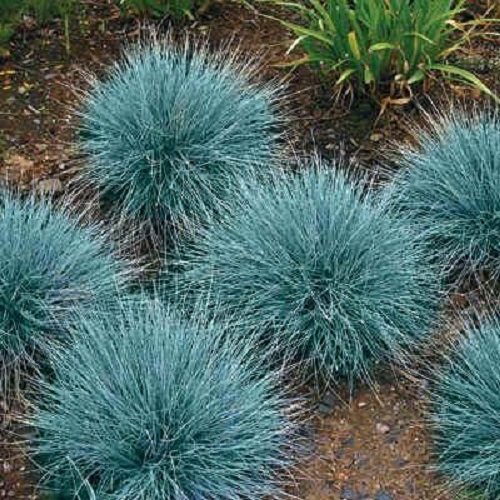
When selecting grasses, consider popular choices like Miscanthus, known for its elegant height and lovely plumes in late summer, Blue Fescue for its compact form and cool color, and Pennisetum, recognized for its fluffy flower heads.
Popular ornamental grasses:
– Miscanthus for tall, graceful plumes.
– Blue Fescue for a cool, compact look.
– Pennisetum with fluffy flower heads.
Grouping these grasses can create a stunning focal point that needs little watering once established, making your garden beautiful year-round.

HEAT TOLERANT GRASS SEED - Our cool-season grass seed mix contains tall fescue and Texas bluegrass. This turfgrass mix performs best in full sun to lightly shaded growing conditions and has the ability to tolerate heat up to 100°F.

STRIKING SMOKY PURPLE-BLACK PLUMES: This Black Fountain Grass features fuzzy, smoky purple-black flower spikes that emerge in late summer, creating a stunning contrast with its deep green foliage. The plumes add a dramatic touch to your garden that lasts well into the fall.
STRIKING SMOKY PURPLE-BLACK PLUMES: This Black Fountain Grass features fuzzy, smoky purple-black flower spikes that emerge in late summer, creating a stunning contrast with its deep green foliage. The plumes add a dramatic touch to your garden that lasts well into the fall.
7. Container Gardening
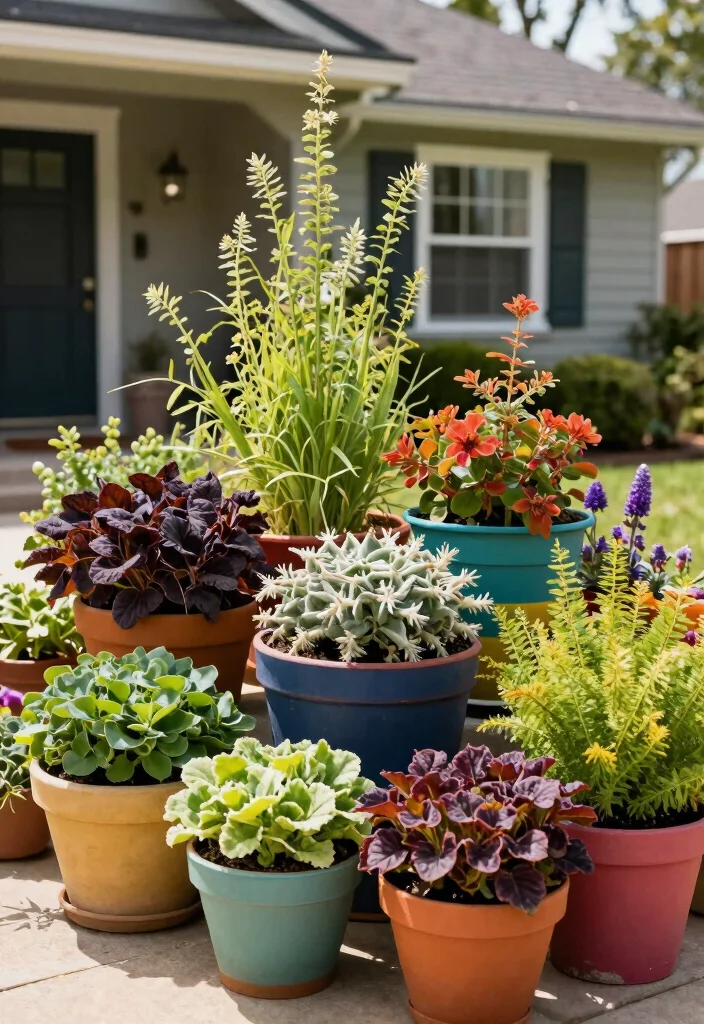
Container gardening offers a stylish way to enhance your front yard without the commitment of traditional planting. By using pots and planters, you can easily rearrange plants and refresh your garden’s look whenever you wish.
To create a low maintenance container garden, pick drought-resistant plants like succulents and native flowers. Consider self-watering pots to reduce the hassle of regular watering. Mixing different plant shapes and colors in containers can also create a visually stunning display.
Tips for successful container gardening:
– Choose drought-resistant plants for easy care.
– Opt for self-watering pots to simplify maintenance.
– Mix textures and colors for visual interest.
Container gardening allows you to enjoy a beautiful front yard with minimal upkeep, offering flexibility in design.
Fun fact: a well-planned container garden can cut watering by up to 60% in hot months. Use drought-resistant plants and self-watering pots to keep your low maintenance landscaping front yard thriving. Mix shapes and colors to refresh the look without extra work.
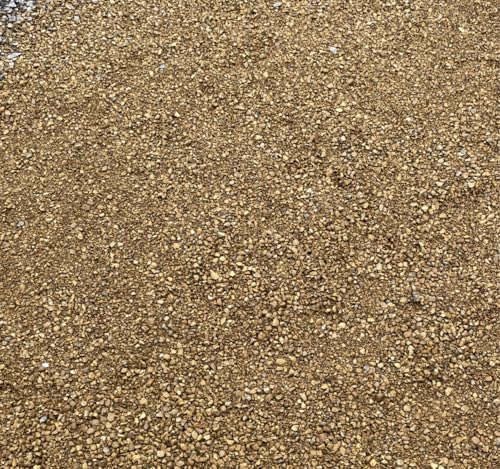
NATURAL DECOMPOSED GRANITE – Finely crushed natural granite with a warm, earthy appearance for pathways, patios, garden areas and landscaping projects.

Long-Lasting Use: Made of high-quality, weather-resistant plastic, this landscape edging is both sturdy and flexible enough to hold pebbles, mulch, and other materials in place
NATURAL DECOMPOSED GRANITE – Finely crushed natural granite with a warm, earthy appearance for pathways, patios, garden areas and landscaping projects.
8. Native Flower Beds
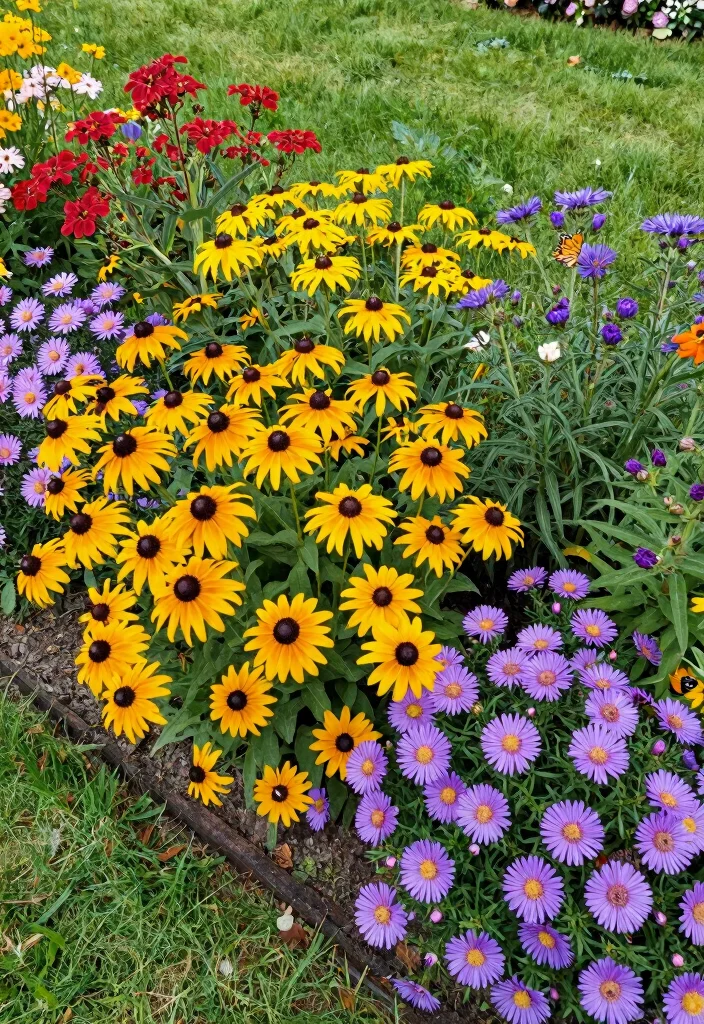
Creating flower beds with native plants can significantly decrease maintenance while adding vibrant color to your front yard. Native flowers are well adapted to your local climate and soil, making them resilient and easy to care for.
Popular native flowers include Black-eyed Susans, which attract pollinators with their bright yellow blooms, Coreopsis for a cheerful splash of color, and Aster, known for its late-season blooms extending color into autumn.
Top native flowers to consider:
– Black-eyed Susans for vibrant pollinator attraction.
– Coreopsis for cheerful, hardy blooms.
– Aster for late-season color.
By featuring these native plants, you enhance curb appeal while supporting local wildlife, creating a thriving ecosystem in your front yard.

Package: Total 6 bundle of artificial geranium flower, Pot not included.

Package: Total 6 bundle of artificial geranium flower, Pot not included.

Package Includes: 12 bundles of outdoor artificial flowers, each bundle featuring eucalyptus leaves. Faux flowers heads are detachable, stems are bendable and foldable
9. Gravel or Stone Ground Covers
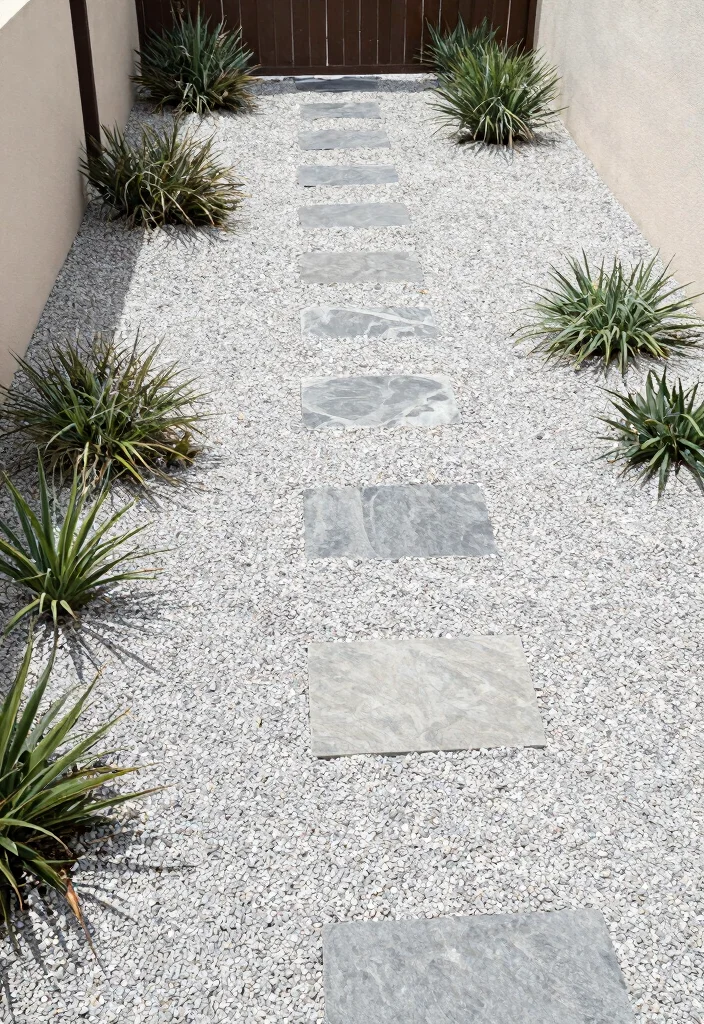
Using gravel or stone as ground cover is a fantastic way to achieve a low maintenance front yard. This alternative to traditional grass lawns prevents weed growth and requires very little watering, making it ideal for drought-prone areas.
Consider using large gravel beds for a minimalist look, enhancing them with drought-resistant plants. Decorative stones of varying sizes and colors can add visual interest. Integrating gravel pathways helps connect different areas of your yard while showcasing your landscaping.
Ideas for gravel or stone ground covers:
– Create large gravel beds for minimalist appeal.
– Use decorative stones for added visual interest.
– Integrate pathways to connect garden areas.
This approach provides a clean, modern finish while significantly reducing maintenance time and effort.

Garden DIY: Our pebble rocks for bonsai plants are the affordable,no hassle choice for DIY gardeners looking to decorate a meditation garden, reflection garden, fairy garden

【Perfect Pebbles Size】These stones are packaged in a 5 pounds bag. Its approximate 3/8inch dimension makes it ideal for succulent and cactus plants as well as any type of vase or planter
10. Edible Landscaping
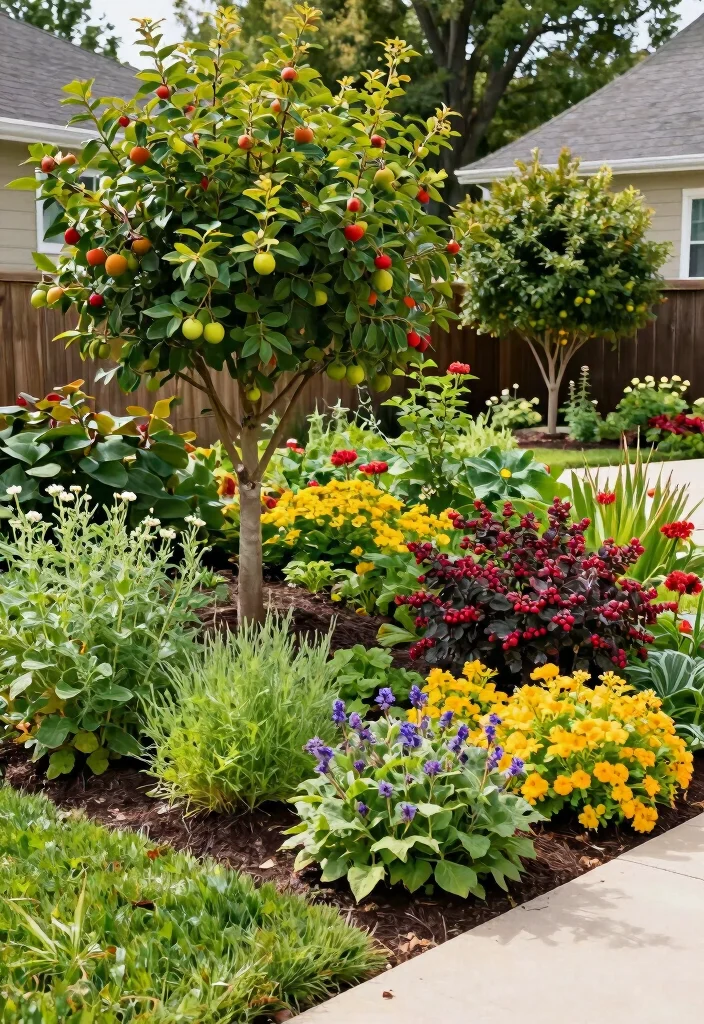
Edible landscaping beautifully combines aesthetics with function by incorporating edible plants into your front yard. This approach not only enhances curb appeal but also provides fresh produce with minimal maintenance once established.
When designing your edible landscape, consider planting dwarf fruit trees for smaller yards, using herbs as border plants for fragrance and beauty, and incorporating berry bushes that serve as attractive hedges throughout the seasons.
Tips for edible landscaping:
– Plant dwarf fruit trees for compact spaces.
– Use herbs as borders for scent and beauty.
– Incorporate berry bushes for seasonal interest.
By blending edible plants into your landscape, you can enjoy beauty and the rewards of fresh produce right at your doorstep.
11. Shade Gardens
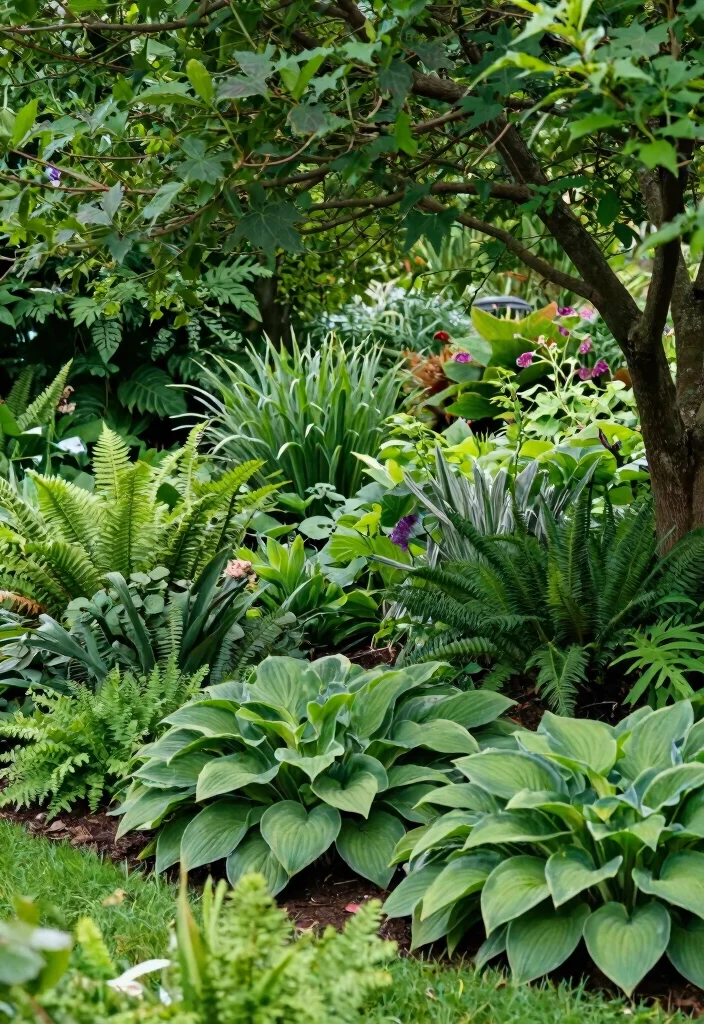
If your front yard has shady spots, creating a shade garden can turn a challenging area into a beautiful retreat. Many shade-loving plants are drought-resistant and thrive without much additional watering, making them easier to maintain.
Successful shade garden plants include Hostas for their lush foliage and variety of colors, ferns for adding texture and greenery, and Astilbe, known for its vibrant flowers that brighten shaded areas.
Great plants for shade gardens:
– Hostas for lush foliage and color.
– Ferns for texture and greenery.
– Astilbe for stunning, colorful flowers.
By embracing the shade and wisely choosing these plants, you can create a serene and appealing front yard that thrives effortlessly.
12. Vertical Gardens
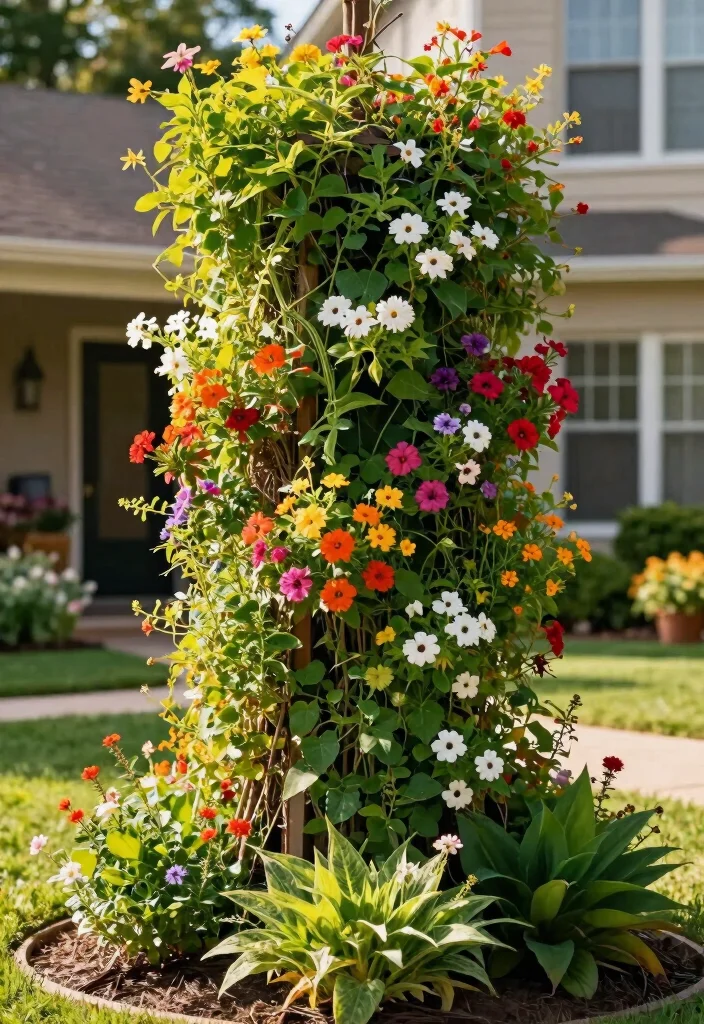
Vertical gardens provide an innovative way to maximize small front yard spaces while minimizing maintenance. Growing plants on walls or trellises allows you to create an eye-catching vertical landscape that occupies very little ground space.
To establish a vertical garden, choose appropriate structures like trellises, grids, or wall-mounted planters. Opt for low-maintenance plants such as ivy or flowering varieties like clematis. Incorporating irrigation systems, like drip hoses, can ensure consistent moisture for your plants.
Tips for setting up a vertical garden:
– Choose the right structure for support.
– Select low-maintenance plants for ease.
– Incorporate irrigation systems for moisture consistency.
Vertical gardens not only save space but also introduce a unique design element that draws the eye upward, creating a striking impact in your front yard.
13. Seasonal Color with Annuals
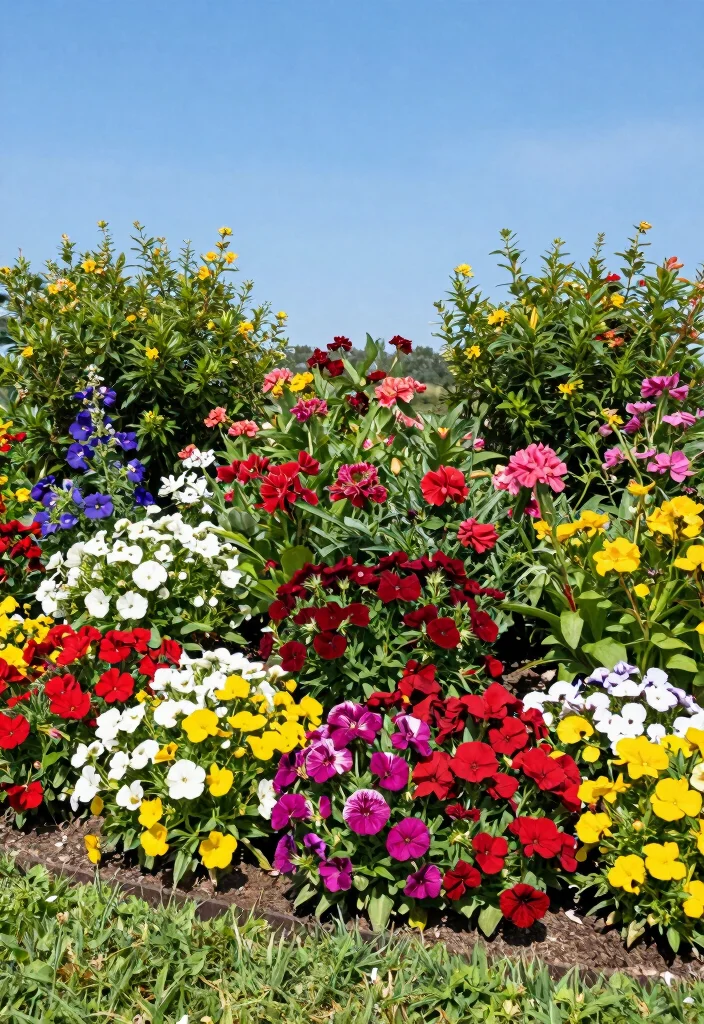
Incorporating annuals into your front yard can bring vibrant seasonal colors that can be easily replaced each year. They’re a fantastic way to add lively pops of color while keeping maintenance requirements low.
To maximize the effectiveness of your annuals, plan for different bloom times by selecting varieties that flower at various times throughout the seasons. Utilize them in borders to fill gaps in your perennial areas, or consider using containers for easy movement and replacement.
Strategies for incorporating annuals:
– Plan for different bloom times for continuous color.
– Use annuals in borders for filling gaps.
– Consider containers for easy movement and replacement.
By thoughtfully selecting annuals, you can keep your front yard looking fresh and vibrant all year round with minimal maintenance.
14. Incorporating Water Features
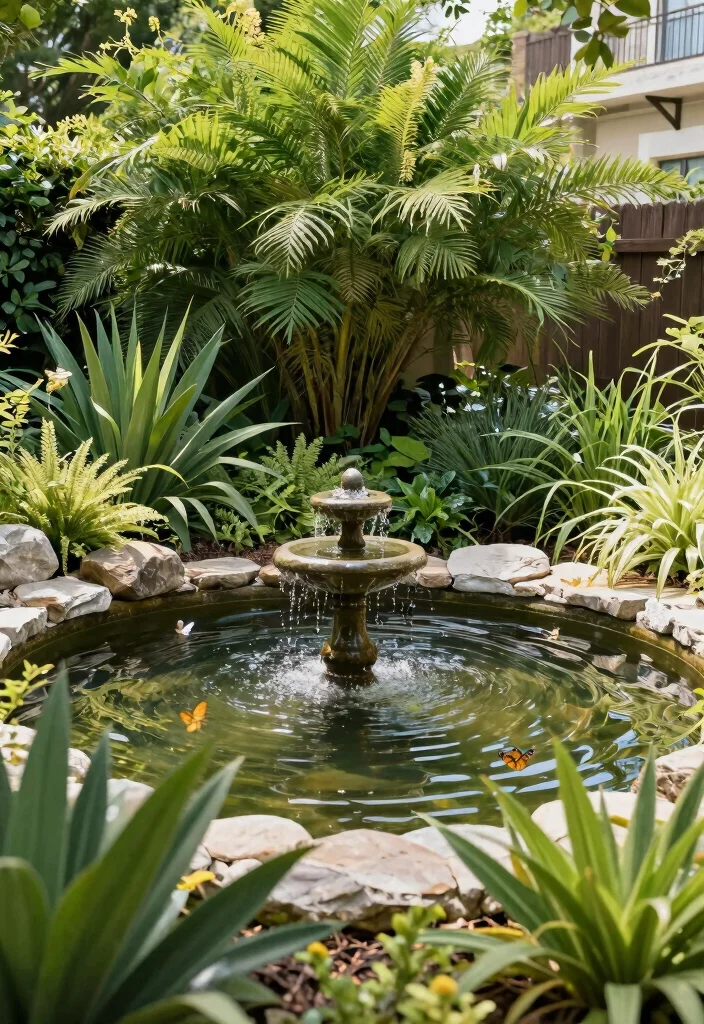
Water features can add a peaceful touch to your front yard while being surprisingly low maintenance with the right design. A simple pond or fountain can create a serene ambiance and attract birds and butterflies.
For a low-maintenance water feature, choose self-contained designs to minimize the need for pumps and plumbing. Incorporate native plants to blend the feature seamlessly into your landscape. Keep it simple—a small fountain can make a significant impact without much upkeep.
Key considerations for water features:
– Opt for self-contained designs for ease of maintenance.
– Use native plants for natural integration.
– Keep the design simple for big impact.
By adding a water feature, you enhance your garden’s charm while creating a tranquil environment that enriches your outdoor living space.
15. Customizable Landscape Elements
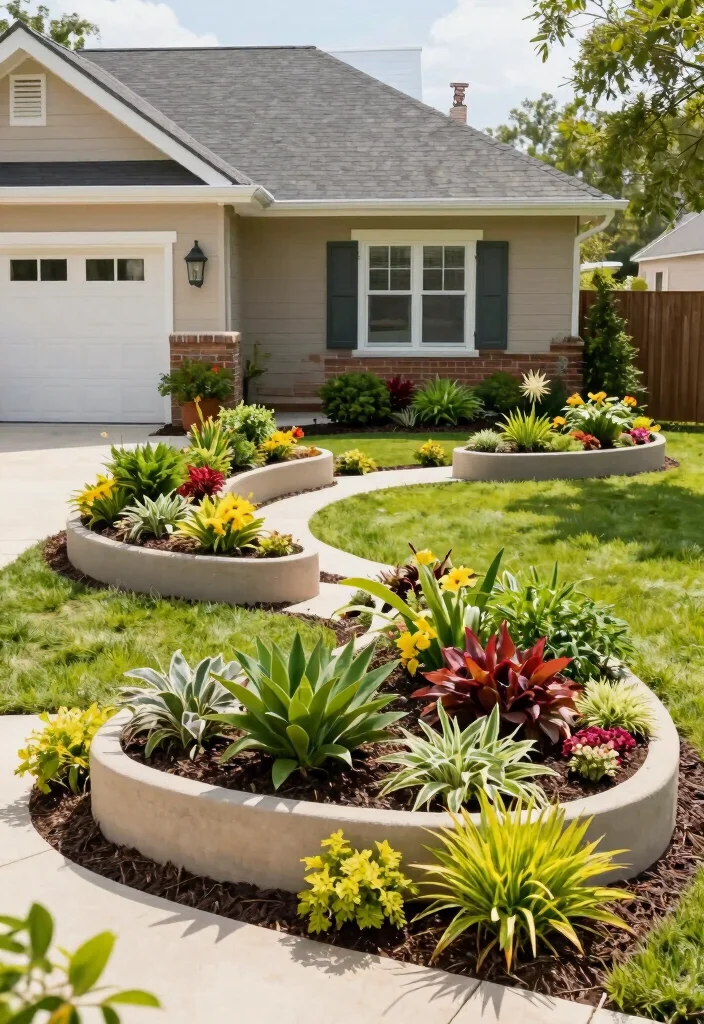
Customizable landscape elements, such as modular planters and movable garden beds, offer flexibility and ease of maintenance in your front yard. These features allow you to change your garden layout and plant selection effortlessly.
Consider using modular planters that can be rearranged or expanded based on your evolving tastes. Movable garden beds are perfect for seasonal changes, allowing you to switch plants easily. Decorative pots can add personality and be placed in different areas for enhanced appeal.
Options for customizable elements:
– Use modular planters for design flexibility.
– Incorporate movable garden beds for easy seasonal changes.
– Add decorative pots for added personality.
With these customizable features, you can maintain a fresh look in your garden while enjoying the benefits of low maintenance.
Low maintenance landscaping front yard ideas actually make life easier. Modular planters and movable garden beds let you rearrange your space, switch plants with the seasons, and keep your yard looking fresh with minimal effort.
16. Low-Maintenance Lawn Alternatives
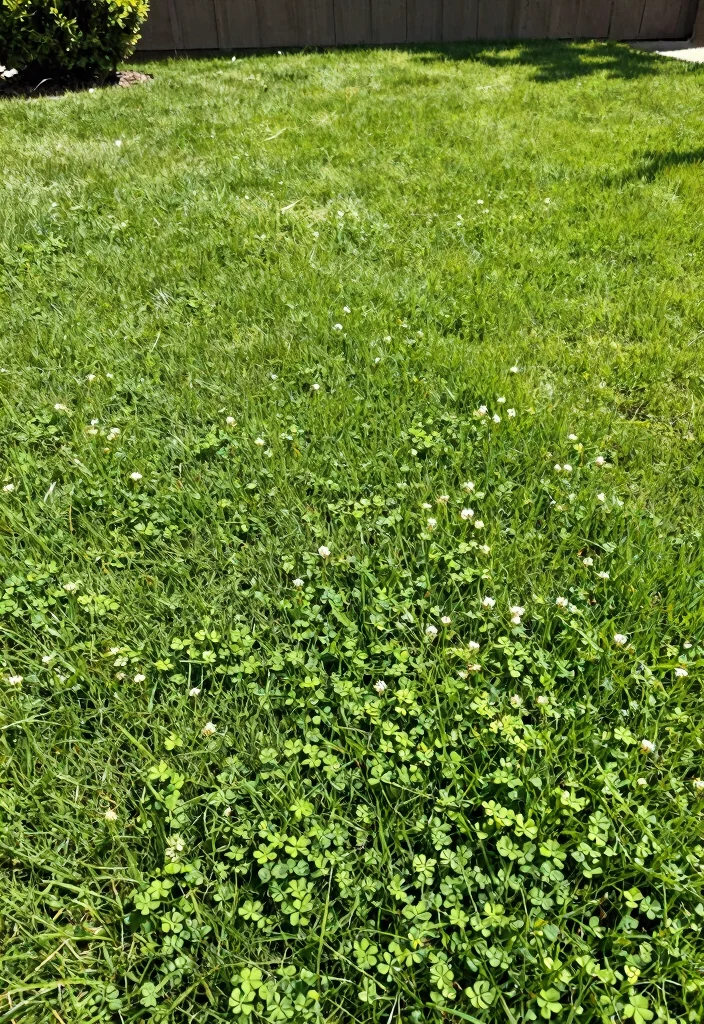
If you’re tired of the upkeep associated with traditional lawns, consider low-maintenance alternatives that provide beauty without the hassle. These options offer lush greenery and visual appeal while requiring less water and mowing.
Explore alternatives like clover, which is a hardy ground cover that stays green, Dichondra—a low-growing plant that tolerates some foot traffic—and Buffalo grass, a drought-tolerant option that needs little care.
Low-maintenance lawn alternatives:
– Use clover for a hardy, green ground cover.
– Try Dichondra for low-growing beauty.
– Consider Buffalo grass for drought resistance.
These alternatives can drastically reduce your yard care chores, allowing you to enjoy a beautiful landscape without excessive labor.
17. Brightening Up with Lighting
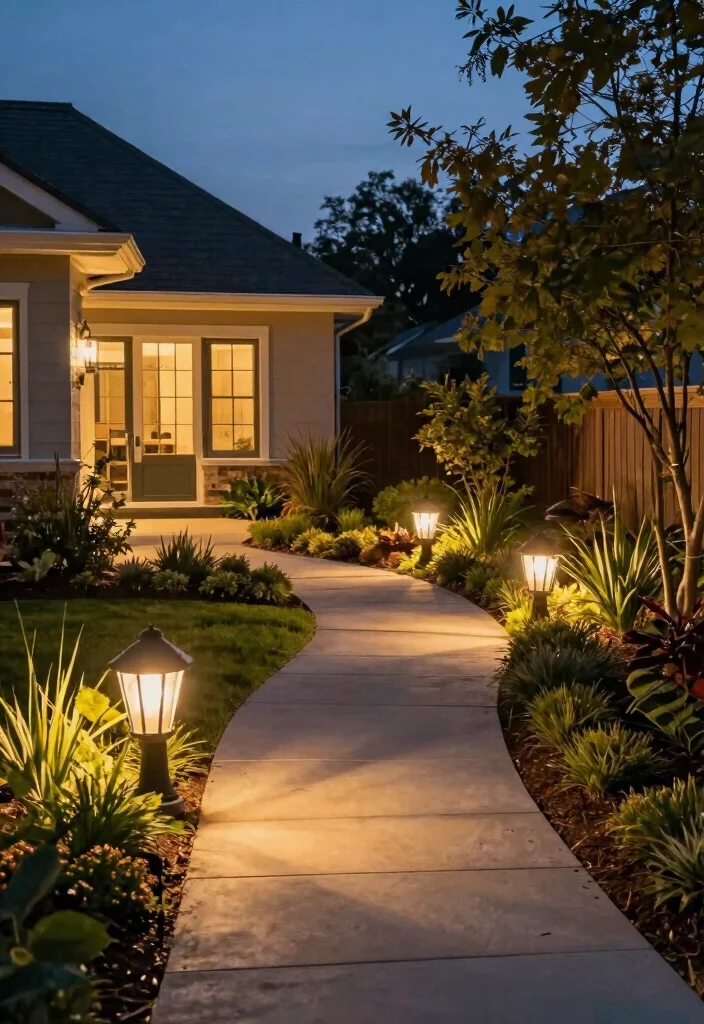
Adding outdoor lighting to your front yard enhances safety and adds charm to your landscape during the evening. Low-voltage lighting options are particularly well-suited for low maintenance landscaping.
Consider installing solar lights that charge during the day and illuminate at night without wiring. Path lights can safely guide visitors while beautifying your walkways. Spotlights can highlight specific plants or features, creating focal points in your garden.
Lighting ideas to consider:
– Use solar lights for easy installation.
– Add path lights for safety and beauty.
– Install spotlights to highlight garden features.
By strategically using lighting, you can transform your front yard into a cozy, inviting space that shines brightly at night with minimal upkeep.
18. Combination of Elements for a Cohesive Look
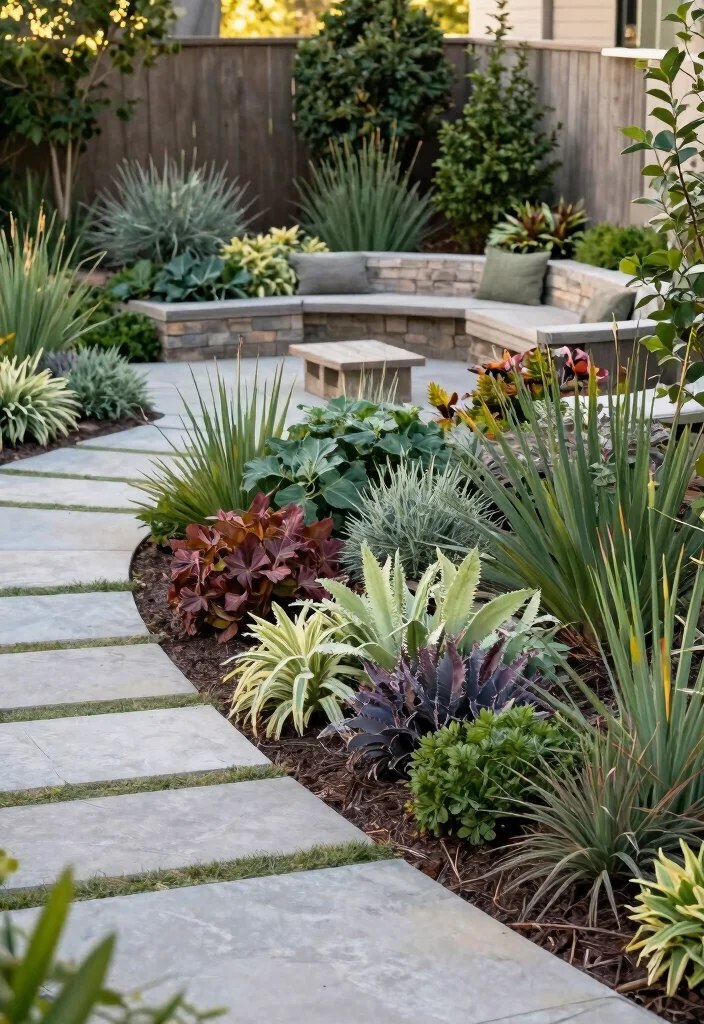
The most appealing low maintenance front yards often combine various elements like drought-resistant plants, hardscaping, and unique features. This layered approach creates a cohesive look that enhances beauty while simplifying upkeep.
Try mixing hardscape and softscape by using stones or pavers alongside plants for balance. Add a focal point, such as a striking sculpture or water feature, to tie the design together. Creating distinct zones for seating, gardening, and pathways can also add interest.
Combinations to explore:
– Mix hardscape and softscape for visual balance.
– Add a focal point for design cohesion.
– Create zones for diverse functionality.
This thoughtful layering results in a visually compelling yard that’s easy to maintain while providing an engaging experience.
Combine drought-resistant plants, smart hardscaping, and a clear focal point to craft a low maintenance landscaping front yard that lasts. Plan distinct zones for seating, gardening, and pathways, so upkeep stays simple and beauty stays bold.
Conclusion
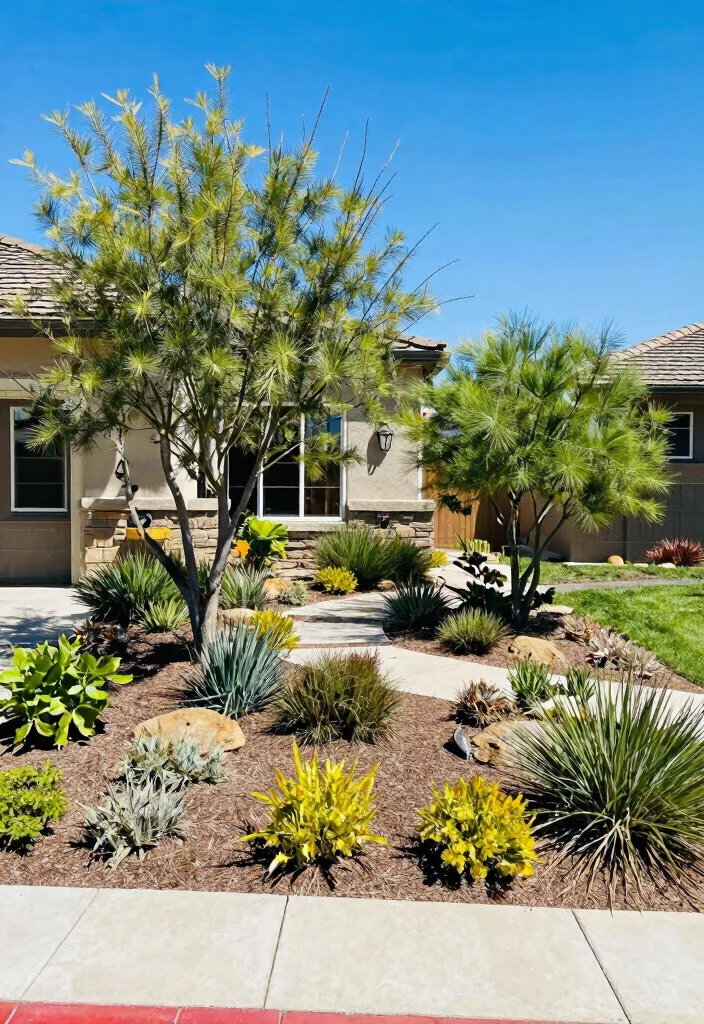
Embracing low maintenance landscaping for your front yard opens up a world of creative possibilities while reducing upkeep. From choosing drought-resistant plants to incorporating hardscape features and unique designs, these ideas help cultivate beautiful, inviting spaces.
With the right approach, your front yard can flourish and remain stunning throughout the changing seasons with minimal effort. So, dig in and start transforming your yard into a gorgeous, low maintenance paradise today!
Note: We aim to provide accurate product links, but some may occasionally expire or become unavailable. If this happens, please search directly on Amazon for the product or a suitable alternative.
This post contains Amazon affiliate links, meaning we may earn a small commission if you purchase through our links, at no extra cost to you.
Frequently Asked Questions
Question: What are the best low maintenance landscaping front yard ideas that stay beautiful year-round?
Great question. For a front yard that stays beautiful with minimal effort, focus on drought-resistant plants, smart hardscaping, and curb appeal tips. Here’s a practical approach to building a low maintenance landscaping front yard that stays attractive in every season.
Start by replacing most lawn with drought-resistant plants, groundcovers, and mulch. Plan simple, cohesive bed shapes and repeat plantings for unity—this is the essence of easy garden design.
Install a drip irrigation system to water efficiently and apply a 2–3 inch mulch layer to conserve moisture and curb weeds.
Add a year-round focal point, like an evergreen shrub or sculptural element, to maintain structure with minimal upkeep. For maintenance-free gardens, choose plants that thrive with minimal pruning and occasional seasonal mulch refreshes.
Question: How can I design an easy garden design for my front yard that requires minimal watering?
Designing an easy garden design that uses little water starts with a quick site check for sun and wind, then choosing drought-resistant plants suited to your conditions. Build simple, clean bed lines with a single focal point for front yard landscaping ideas that read well from the curb. Add a thick layer of mulch and a drip irrigation system to deliver water right to the roots. Use native or well-adapted species to reduce maintenance and keep irrigation minimal.
Practical tips: avoid over-planting, water deeply but infrequently in the early morning, and set a lightweight maintenance routine—weed monthly at first, then seasonally, and prune dead stems after bloom.
Question: Which drought-resistant plants are ideal for a front yard, and how do I care for them with low maintenance?
Excellent choices include yucca, lavender, sedum, Russian sage, agave, and blue fescue. For shady spots, mix in creeping thyme or other low-water groundcovers. Plant in well-drained soil and give full sun where possible. Care tips: water deeply and infrequently during establishment, then rely on rainfall or light irrigation; apply a 2–3 inch mulch layer; prune after flowering to maintain shape; fertilize sparingly in spring if needed. This approach keeps maintenance low while preserving color and texture.
Question: What curb appeal tips work best for maintenance-free front yard landscaping?
Keep curb appeal high with minimal upkeep by focusing on clean lines and reliable evergreen structure. Use a simple color palette of drought-tolerant perennials and repeat plantings for cohesion; mulch beds to reduce weeds; define borders with durable edging; incorporate a focal point such as a sculptural piece or specimen shrub; add low-water lighting to extend appeal after dark.
Practical steps: install crisp edging and a thick mulch layer; limit plant varieties to 3–4 that you rotate; choose native, low-maintenance species; add a few low-maintenance containers near the entry; use durable materials for paths and borders. This aligns with front yard landscaping ideas and curb appeal tips.
Question: How can I turn an existing front yard into a low maintenance, drought-resistant landscape?
Start with a plan: map sun exposure, drainage, and sightlines to the entry. Remove or reduce thirsty lawn and replace with drought-resistant plants and groundcovers, plus durable mulch. Create zones with low-water plantings around the path and entry, and keep the rest simple. Add a drip irrigation system or smart timer to water deeply but infrequently. Embrace maintenance-free gardens by selecting perennials that bloom across seasons and require only light pruning. Add focal elements and simple hardscaping—stone borders, gravel, or pavers—to reduce ongoing upkeep. This approach fits front yard landscaping ideas and low maintenance landscaping front yard goals.
Related Topics
low maintenance landscaping
drought-resistant plants
front yard ideas
easy garden design
curb appeal tips
maintenance-free gardens
beginner friendly
sustainable landscaping
xeriscaping
easy care plants
outdoor aesthetics
seasonal landscaping