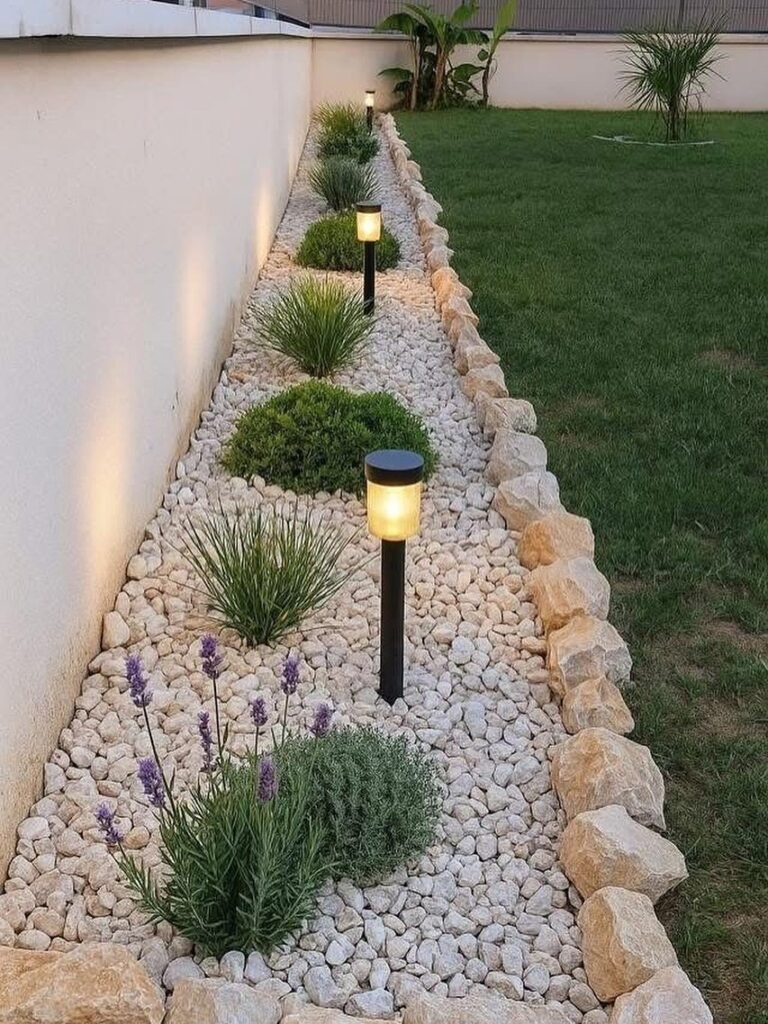
Country home landscaping can start with a wildflower meadow and move up to fieldstone and cedar for raised beds and edging, with most projects finished between Saturday morning and Sunday evening.
What decides which idea belongs in your yard is whether you need the space to work, to sit, or to grow.
The stock tank water feature that settles on compacted gravel is one example of how each entry here pairs a specific material with a specific problem, rather than dressing up a look.
1. Native Plants for Garden Beds
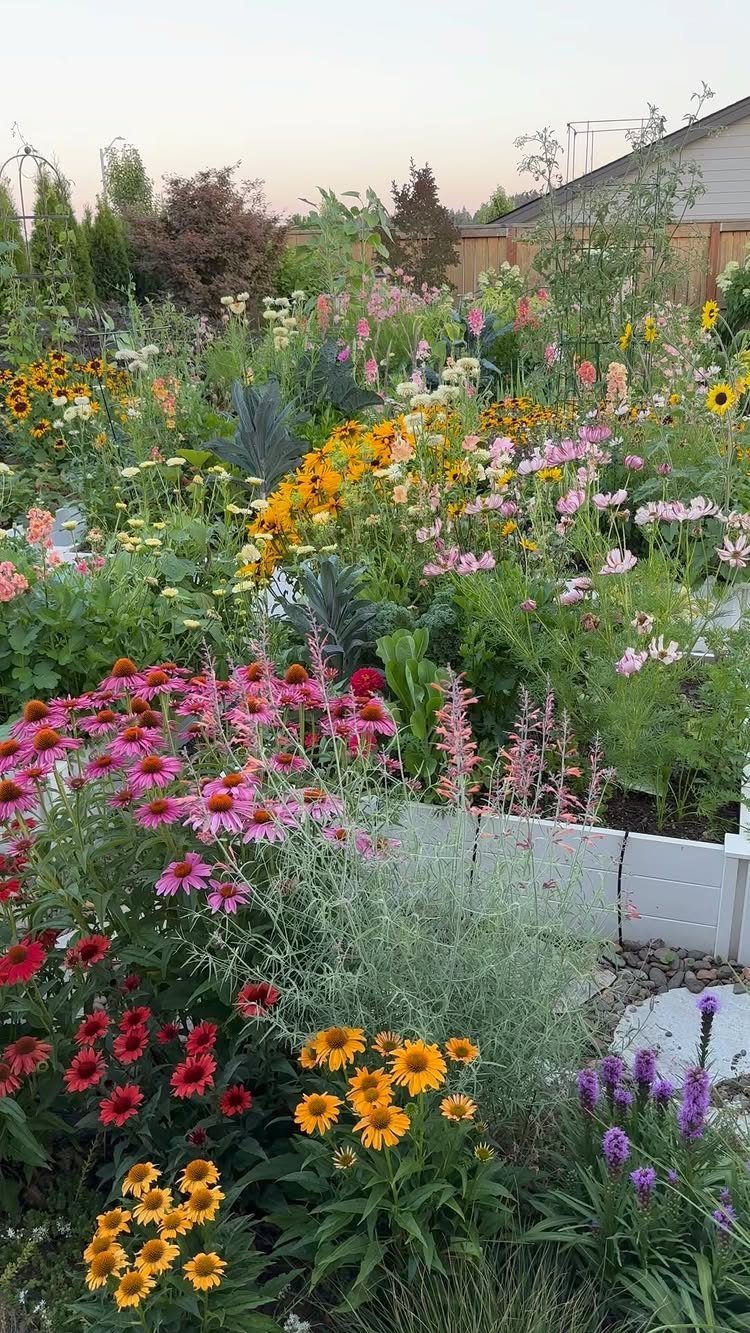
Native plants are the ones that already belong where you live, so they ask less of you once they are in the ground.
I would start with my county extension office’s plant list; they sort by sun, soil, and whether you want flowers for pollinators or just green that stays alive without fuss.
Coneflowers and black-eyed Susans handle most of the middle US, but what grows in your specific county is what matters. Check bloom times so you have color across the season, not one week of glory and then tired leaves.

EASYFLEX DECORATIVE NO-DIG LANDSCAPE EDGING: Get a beautifully landscaped yard without all the work of a dig-in lawn edging; simple installation without trenches or shovels; color may vary due to the unique manufacturing process.

𝐅𝐥𝐞𝐱𝐢𝐛𝐥𝐞 & 𝐄𝐚𝐬𝐲 𝐭𝐨 𝐈𝐧𝐬𝐭𝐚𝐥𝐥: Each panel measures 40" (L) × 5" (H), including 3" underground stakes for strong anchoring, leaving 2" visible above ground for a clean, low-profile border. The hammer-in design makes installation fast and effortless—perfect for creating neat, professional-looking edges without digging.

Durable & Flexible Material GTSABWAY garden edging is Made from high-quality metal, ensuring superior durability and flexibility. Easily shape it into straight lines,curves, circles, or unique contours ,without cracking,Can withstand all kinds of weather conditions, ensuring long-term durability and reliability. providing reliable Garden Border solutions.
2. Stone Edged Flower Beds
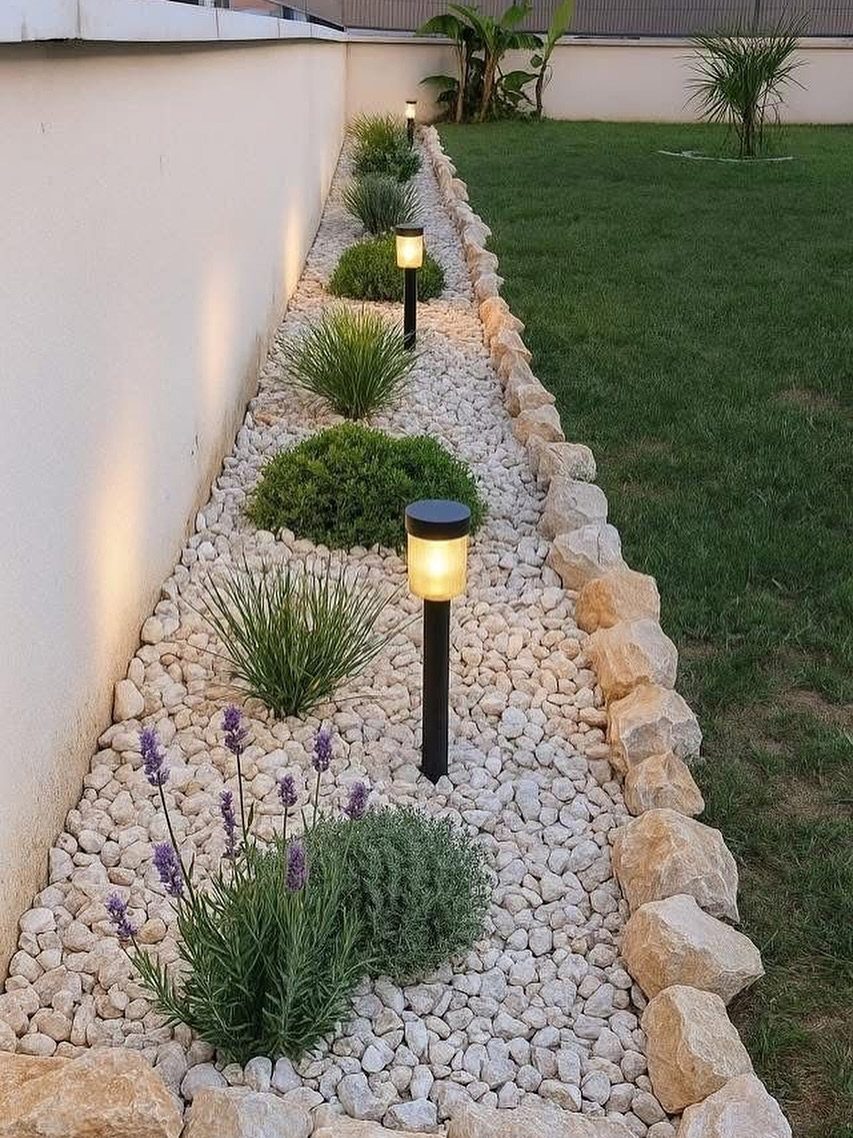
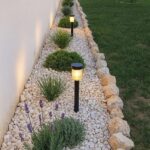
Rough stone edging buys you a cleaner line than bare dirt against grass, and it keeps mulch from washing into the lawn.
I like fieldstone for this because the irregular faces catch light and shadow; cut stone reads more formal than most country houses want.
Set stones half above grade, half below, or frost heave will shift them out of place over a winter or two.
Solar path lights tucked against the stone give you evening definition without wiring, though I would skip them if the bed sits where moonlight already does the work.

Easy Installation: The 8-piece fire pit ring insertion kit is easy to assemble and can be assembled in just a few minutes.Seamless design allows for easy installation and integration into your DIY fire pit project.Fixed with screws, it will not easily fall off during use. Let you have more time to enjoy the joy brought by flames.


Easy Installation: The 6-piece fire pit ring insertion kit is easy to assemble and can be assembled in just a few minutes.Seamless design allows for easy installation and integration into your DIY fire pit project.Fixed with screws, it will not easily fall off during use. Let you have more time to enjoy the joy brought by flames.
3. Fire Pit Area

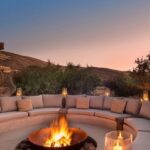
A fire table under a pergola gives you smoke control and a surface for drinks, which a ground pit does not.
Built-in benches save you from storing chairs, but they commit the space to one layout; I would only build them in if I knew where I wanted people facing.
The pergola overhead means you can hang a light or let vines climb, though I would keep the top open enough that sparks rise free.
Stone around the fire itself, not wood, for the obvious reason. Grass right up to the edge is fine if you are careful; I would still keep a gravel ring for the embers that escape.

7,500+ PURE LIVE SEEDS – Get a generous 1 oz. mix of Northeast regional wildflower seeds, designed to cover up to 100 sq. ft. when planted according to the recommended seeding rate.

100% Pure, Non-GMO Seeds - No fillers, favorites only! Includes 19 easy-to-grow species: Siberian Wallflower, Shasta Daisy, Lance Leaf Coreopsis, Sweet William, Foxglove, Purple Coneflower, Blanket Flower, Blue Flax, Perennial Lupine, Mexican Hat, Gloriosa Daisy, Black Eyed Susan, Candytuft, Gayfeather/Blazing Star, Maltese Cross

17 Northeast Native Wildflower Seeds - This premium wildflower seed mix features Blue Wild Indigo, Eastern Columbine, Gayfeather, Golden Alexander, Joe-Pye Weed, Black-Eyed Susan, and Aster. Native flower seeds selected for Northeast meadows.
4. Wildflower Meadow
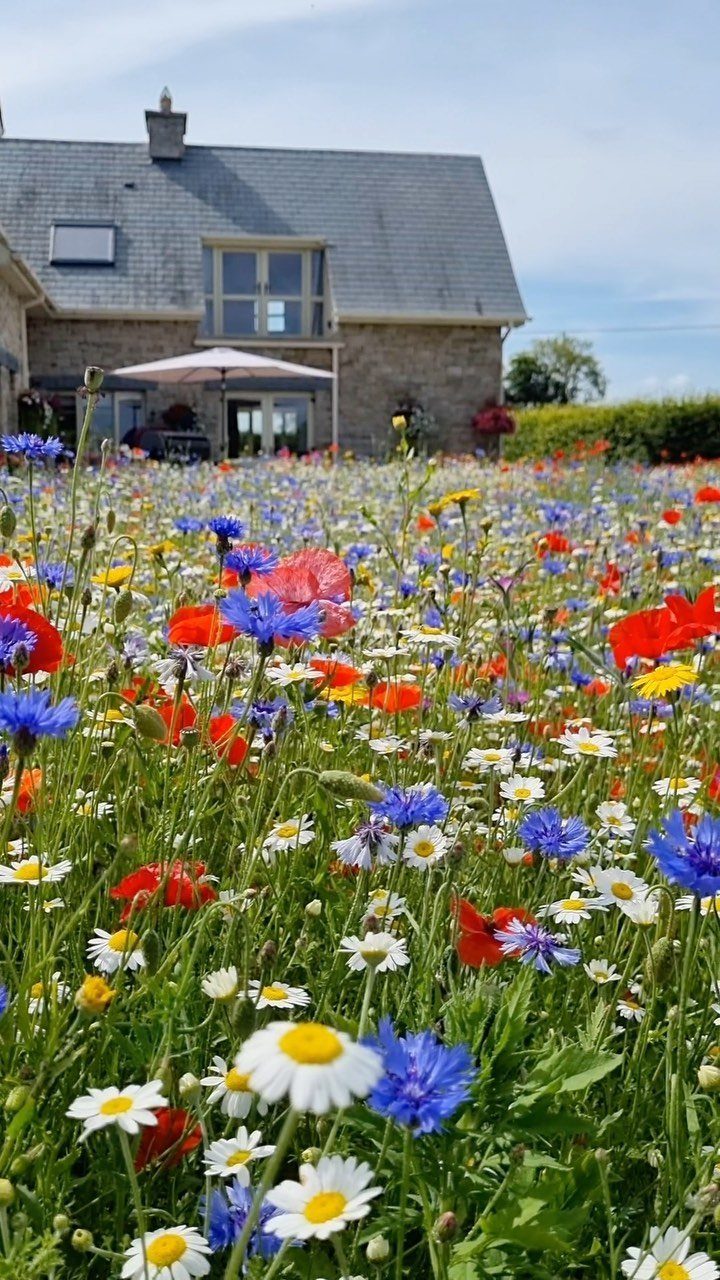
A wildflower meadow is seed, not sod, and what you save in labor you spend in waiting.
Sow in spring and expect a full season before anything looks like a meadow; the first year can look weedy while roots establish, and there is no shortcut.
I would choose a regional mix with annuals for quick color and perennials that return, so the second year improves rather than repeats.
Mow once in late fall to knock back woody growth, then leave it. The pollinator value is real, but so is the fact that you cannot walk through it like lawn; put your path to the door somewhere else.

【Unmatched Brilliance & Color Variety】- Transform your fire pit into a stunning centerpiece with our high-luster, reflective glass. Choose from a wide spectrum of single colors like Plutinum, Onyx Black, Cobalt Blue, or our exclusive pre-mixed designer blends (e.g., Aqua Blue, Cobalt Blue & Platinum). Unlike standard lava rocks, these glass rocks sparkle brilliantly under sunlight and create a mesmerizing, jewel-like dance of light when reflecting the evening flames.

Made by durable power-coated steel, built with the highest quality components and stainless-steel burner, decorative wind glass shield included and work with 20lb LP tank (tank no included). Whether on a deck, patio, or in the backyard, this tabletop fire pit will definitely create a soothing ambiance anywhere you want to be whatever family and friend's activity.

5. Pea Gravel Pathways
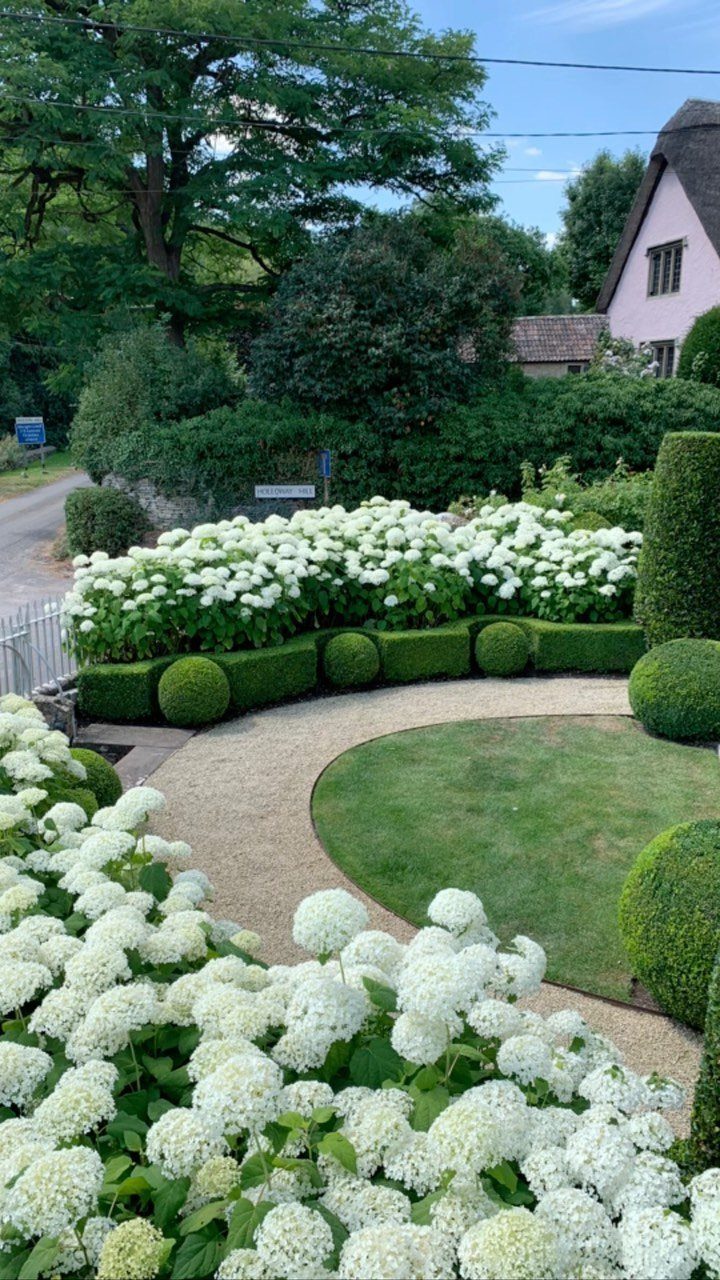
Pea gravel crunches underfoot and drains fast, which matters where clay holds puddles.
I would edge it with steel or a buried timber to keep the gravel from spreading into the lawn; without an edge, you are raking it back twice a summer.
A curve that follows the lawn’s shape looks less like a driveway and more like a garden decision.
Boxwood and hydrangea alongside give structure, though I would plant the hydrangea back far enough that falling gravel does not bury the lower stems.
Refresh the surface as it works into the soil below; pea gravel slowly sinks and thins, and once you see bare spots the path is already halfway gone.

INNOVATIVE DESIGN: Solar pathway lights adopt an integrated lamp head design, using highly transparent acrylic material and surface-cutting technology, making the lamp head present a diamond-like effect. The light projects 3 ft radius wide-coverage starburst patterns onto the ground at night. This lighting effect is design for decoration.

【Unique and Enchanting Design】Solar outdoor walkway lights are designed to provide an attractive pattern, also as a focal attractive in your planter for outdoor plants and lights up your garden at night. Enhance the beauty of your path, garden, patio, lawn, yard, walkway and planter with the distinctive water-ripple pattern of our solar pathway lights. Its enchanting touch will surely captivate anyone who sees it

Customizable Curb Appeal: Our pathway lights solar powered with 3 Color Temperatures (3000K, 4500K, 6000K). Tired of that cheap, blinding blue-white light? Switch from Warm Glow (3000K) for a cozy, landscape vibe, to Natural White (4500K) for modern gardens, or Bright Daylight (6000K) for maximum security. The solar driveway lights feature an anti-glare focusing lens for optimal light distribution
6. Rustic Fencing
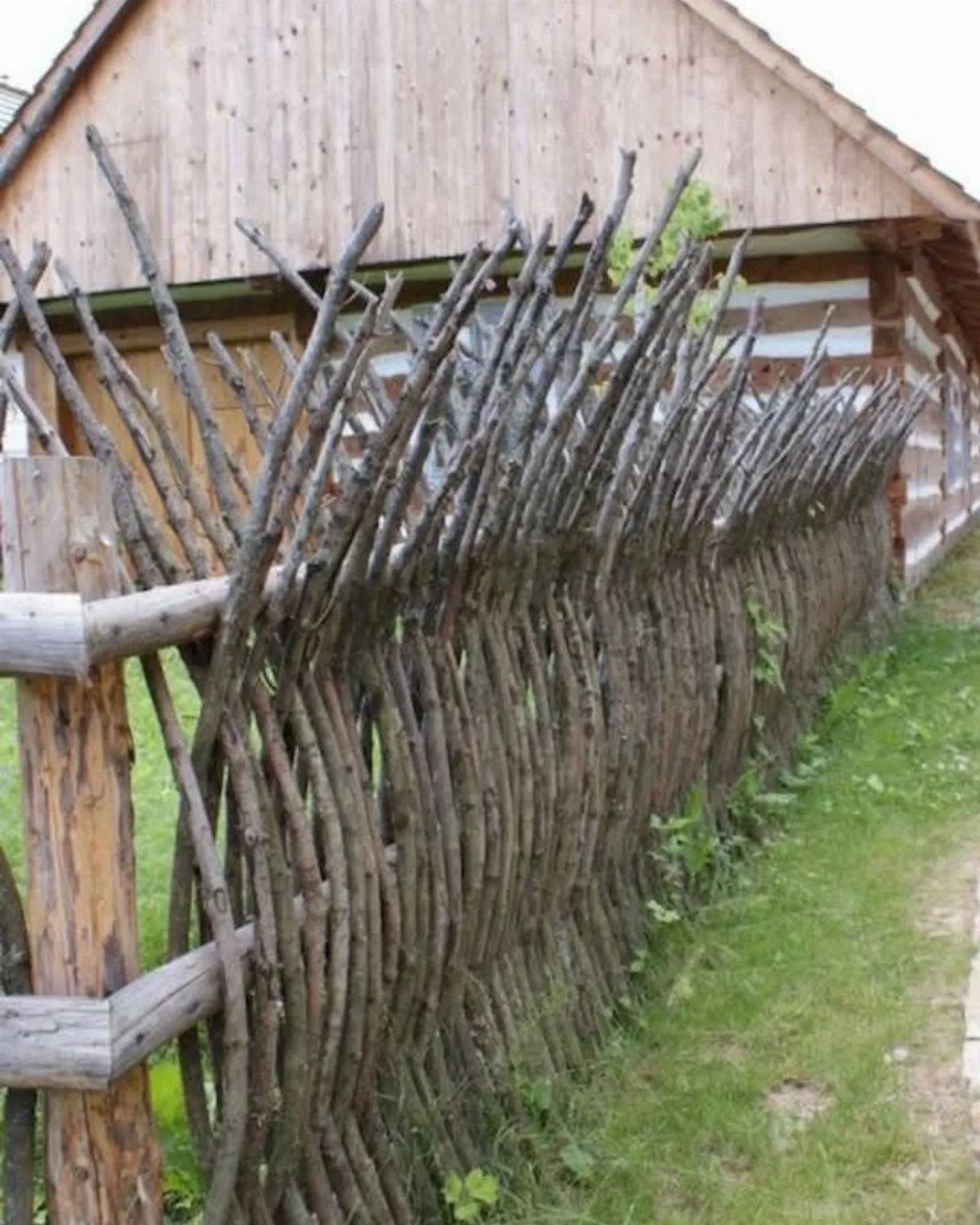
Woven branch fencing, sometimes called hurdle fencing, uses what the land already grows; hazel and willow bend without snapping, which is why they have been used for this for centuries.
I would weave green wood, not dried, because it bends without snapping while you work it; once it seasons in place the shrinkage tightens the weave rather than loosening it.
The example runs in front of a log cabin, where anything smoother would look out of place, but I think it works just as well to break up a plain yard into rooms.
The bottom rail rots first; I would set it an inch off the ground to buy another season or two.

🌼 “American Meadow Magic” Wildflower Seed Mix: Our signature PlantMe blend features 25 diverse wildflower varieties, specially curated to create a stunning, natural meadow right in your own backyard. Experience the magic of a flourishing, colorful ecosystem.

Blends a mix of over 20 annuals and perennials, native to North America

LARGE 1 OUNCE PACKET: Embark on a wildflower journey with our generous 1 ounce packet, bursting with over 15,000 pure live seeds! Transform 250 square feet into a vibrant haven for nature.
7. Raised Garden Beds
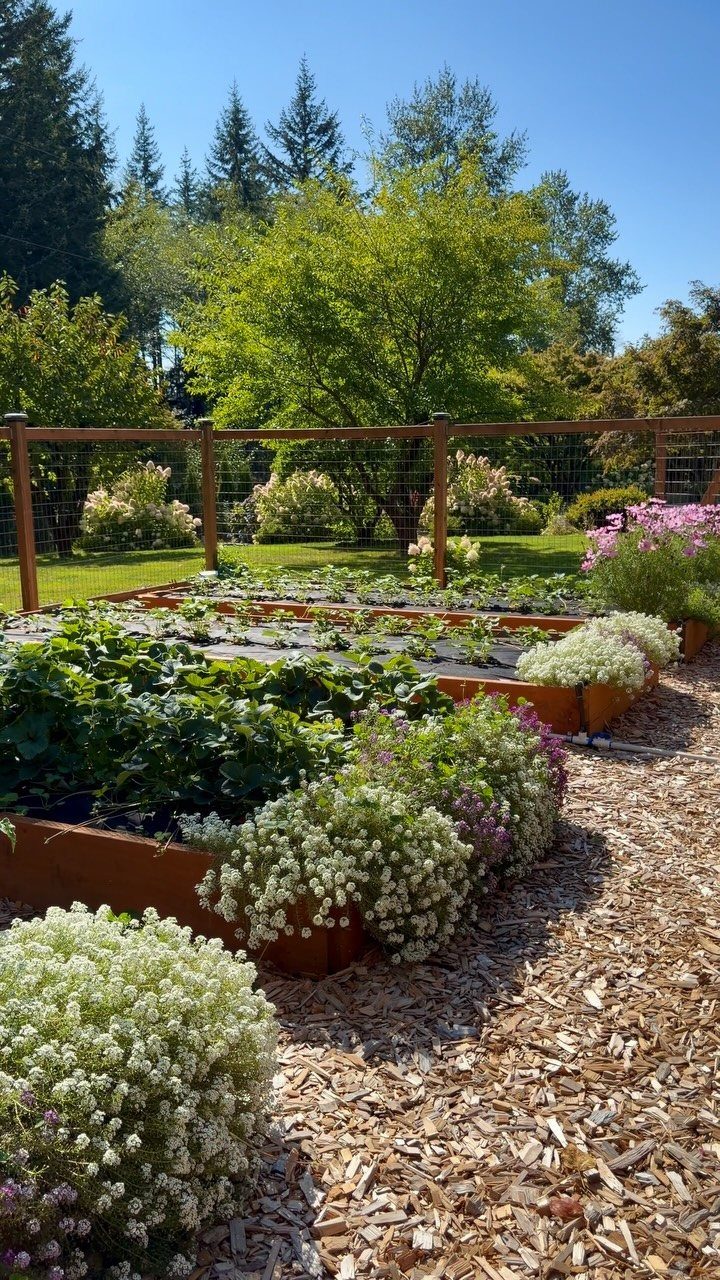
Raised beds lift the soil enough to warm faster in spring and save your back.
Cedar or redwood holds up against rot without the chemicals pressure-treated pine carries; I would line the inside with landscape fabric to slow the wood from darkening where soil touches.
Wood chips under the beds keep mud off your knees and give you a clean place to set tools.
Fill with a mix of topsoil and compost; bagged raised bed mix is easy but costs more than building your own blend.
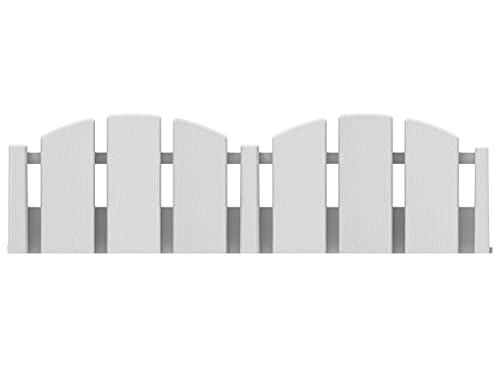
EASYFLEX DECORATIVE NO-DIG LANDSCAPE EDGING: Get a beautifully landscaped yard without all the work of a dig-in lawn edging; simple installation without trenches or shovels
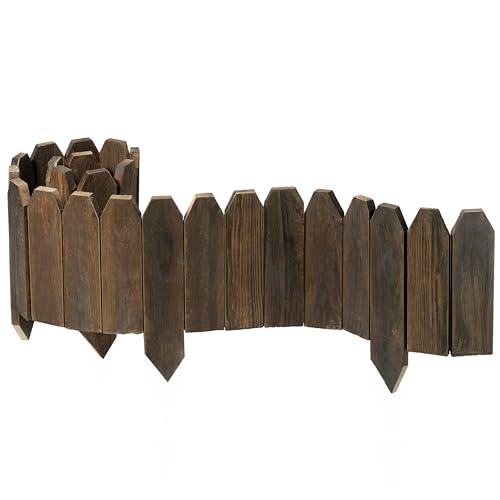
Charred for Durability:Our wooden edging is treated with high-temperature carbonization to resist moisture, rot, and cracking—perfect for withstanding changing seasons in any outdoor space.

Realistic Faux Stone Texture: Our landscape edging boasts a lifelike stone texture with detailed surface patterns that add depth and a polished look to your outdoor space. It beautifully enhances garden beds, lawns, pathways and flower beds, bringing a natural, decorative touch to any yard.
8. Garden Seating

A bench with cushions turns a flower bed border into somewhere you actually stay.
I would anchor the legs on a gravel pad or stepping stones so the wood does not sit in wet grass and rot; a rug works because the ground beneath it drains, not because grass alone supports it.
String lights need a tree branch or a steel pole driven into the ground; hanging lanterns with battery candles are what I prefer to wiring for a spot this small.
The table holds a drink, not a dinner, and that is the right scale for a garden nook.

[Practical & Beautiful Design] The fire ring has mesh design allows for durability and good airflow for a bonfire. It's also avoids sparks and embers from flying out. The cutouts in fire ring look amazing when illuminated during an evening bonfire. Enjoy hours siting around this outside fire ring with family and friends [Note: There is no bottom to this ring.]
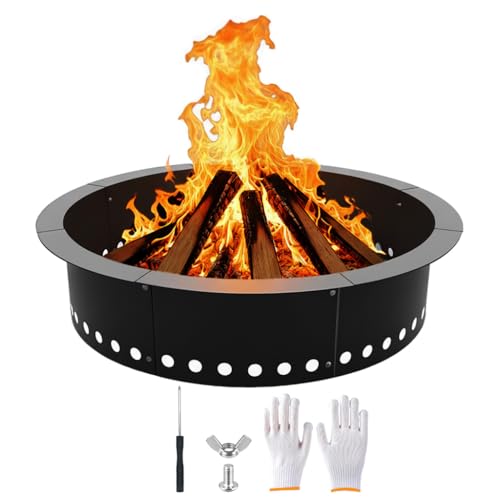
🔥Effortless Tool-Free Assembly:Skip the tool hunt! Our fire pit ring kit features innovative wing nuts for a truly tool-free installation. Simply hand-tighten for a solid, secure fit. We even include a mini screwdriver for the initial setup and a pair of work gloves to protect your hands, getting you from box to bonfire in just minutes.

Pure Natural Lava Rocks: Lava stone comes in a variety of sizes from 0.2" to 0.3". Volcanic rock is truly natural, available in black and red. No fillers, chemicals or colors added
9. Stock Tank Water Features

A stock tank pool costs less than a built-in and moves with you. Black paint absorbs sun and warms the water, which I like for cool evenings; galvanized silver stays cooler and reads more utilitarian.
Set it on concrete or compacted gravel, not bare soil, or the rim settles uneven as the ground shifts.
The curved benches follow the tank’s shape and save space on a patio; I would seal the wood yearly if it sits this close to splashing.
A small pump keeps water from stagnating, though the tank works as a still reflecting pool if you prefer less maintenance.

28 Inch Rectangular Fire Pits: Designed for Onlyfire 28 inch tabletop gas fire pit and other 28 inch rectangular firepits. Cover size: 28.7in(L) x 9.2in(W) x 7.7in(H)
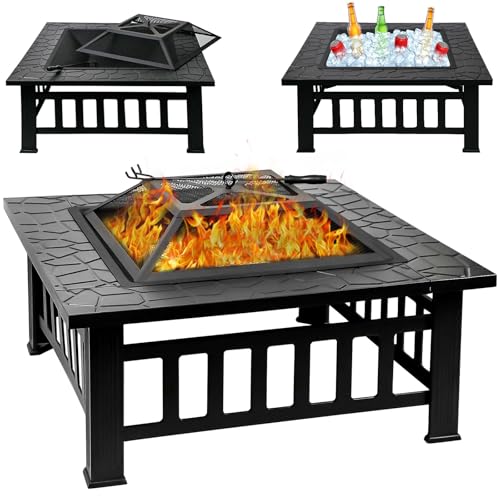
3-IN-1 VERSATILE DESIGN: 32-inch square fire pit functions as a wood burning firepit, BBQ grill, or ice bucket cooler, perfect for outdoor heating, bonfire parties, camping, and backyard gatherings

Powerful 60,000 BTU Heating: Enjoy efficient warmth on chilly nights with this high-heat 60,000 BTU output Ciays propane fire pit. The durable 304 stainless steel H-burner creates a denser flame pattern for consistent & effective heating. This gas fire pit will elevate your outdoor experience, reliability and safety.
10. Fruit Orchard Trees
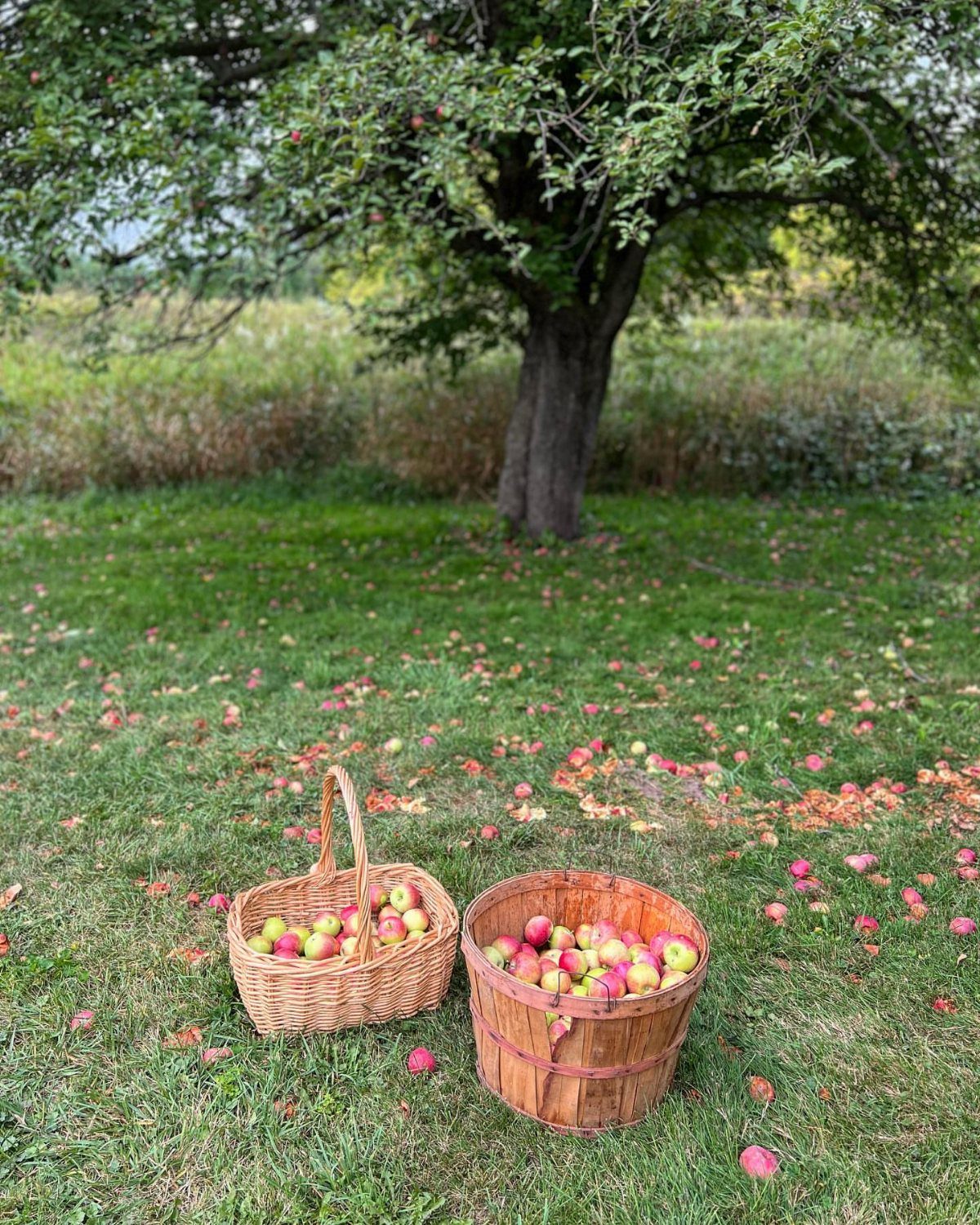
Dwarf apple trees bear sooner than standard ones and stay small enough to pick without a ladder, which matters if you are planting alone.
I would keep a mulch ring around the trunk to reduce mowing close to the bark and hold moisture where roots compete with turf.
Two varieties that bloom together give you better fruit set than one tree struggling to self-pollinate; your extension office lists which pollinate each other for your county.
Fallen fruit draws wasps and bruises if you wait; check weekly once color breaks.

Bright and Attractive design - When night falls, your yard illuminated by a brilliant starlight pattern, like a dreamy star falling to the ground, creating an extremely romantic atmosphere for your strolls. Outdoor solar lighrts not only illuminate yards and sidewalks keep people from tripping, they are an added decorative element to the yard landscape.

Our Solar Outdoor Lights is the perfect solution for adding beauty and illumination to your garden. Warm white solar lights provide a cozy ambiance and sufficient brightness, illuminate your pathway, walkways or yard

Solar garden lights: Each solar lights has 8 LEDs, adopt of the advanced, LED energy-saving, Ni-MH 600 solar lamp. 8-10 hours runtime with 8 hours of sunshine, save energy and be eco-friendly
11. Quaint Garden Sheds
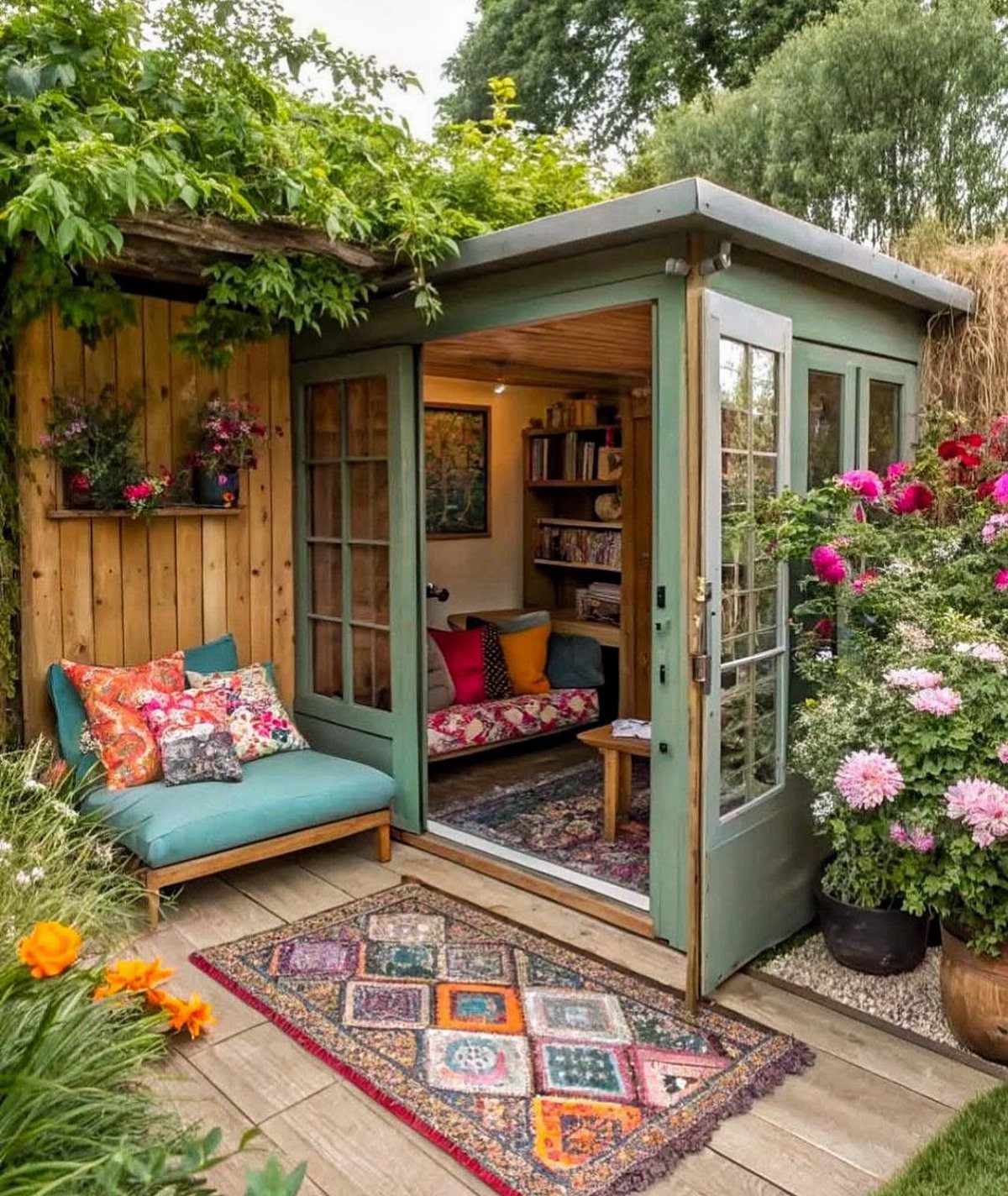
A shed as a reading room, not just tool storage, needs the same foundation you would give a small cabin: skids on gravel at minimum, or the doors bind as the frame racks.
French doors need more wall bracing than a single door; I would add a diagonal board inside the back wall to keep the opening square.
Paint in a color that already appears in your garden, not something new that competes; sage green fades into foliage rather than shouting for attention.
A daybed inside means keeping the roof tight and adding a small vent, or humidity will curl the books.
Emphasizing Simplicity and Practicality
Farmhouse landscaping works best when you resist the urge to fill every corner.
A single garden bench gives you a place to sit without the storage and upkeep of a full patio set. That restraint is the point: the style comes from what you leave out, not what you add.
A wide plant selection sounds appealing until you are deadheading in July. I would rather repeat a few reliable perennials across the bed than chase color from twenty different sources.
The wildflower meadow entry already covers how to handle that mix; what matters here is the discipline of stopping before the yard becomes a collection.
The "effortless charm" description gets used a lot, but the method behind it is deliberate. Choose plants that thrive on neglect in your county, let them grow together without sharp borders, and accept that some overlap is the goal.
The result reads as laid-back because the work was done up front, not because nature cooperated on its own.
Using Local Resources
The original farmhouses were built from what grew or lay within hauling distance. That constraint still works as a guide: local stone for edging, native plants for the beds, and wood that handles your winters without chemical help.
For materials, quarry yards within 50 miles usually stock the stone that matches your region’s geology; fieldstone in New England reads differently than fieldstone in Texas, and either looks wrong when it has to travel too far.
What makes this practical is that it adapts. Native plants suit the rainfall and soil they evolved with.
Local stone weathers at the same rate as the stone already on your property. I would not import cedar from the coast if black locust grows near me; both resist rot, but one belongs where I am building.
The biodiversity argument is real but secondary.
Pollinators find the plants they recognize. What saves you effort, the reduced watering and replacement, is what makes the choice stick year to year.
Creating Inviting Outdoor Spaces
A country landscape invites you outside by giving you somewhere to be, not just something to look at.
The fire pit area and garden seating entries already cover specific builds; what they share is the decision to size the space for actual use rather than maximum capacity.
The relaxed garden approach means letting plants touch and overlap. Different textures mingling, as the natural look suggests, only works if you chose plants with compatible habits; a thug and a delicate perennial in the same bed means one survives.
I would group by water need and sun exposure, then let the forms fall where they will.
Maintenance reduction is not the same as no maintenance. The meadow needs its fall mowing, the fruit trees their weekly checks once color breaks.
What you are buying with the looser style is fewer decisions per season, not zero hours. I think that trade is worth it for anyone who spends weekends on these projects and wants some of them back for sitting still.
Frequently Asked Questions
What is country landscape design?
Country landscape design uses native plants, local stone and wood, and outdoor spaces that fit the land rather than fight it.
The style draws from what was available within hauling distance of old farmhouses, so the materials look like they belong where they are.
What are some common features of farmhouse landscaping?
Native plants, rustic materials like fieldstone and rough timber, and functional outdoor spaces sized for actual use rather than maximum capacity. Pea gravel pathways, stone-edged beds, and restrained plant repetition keep maintenance to a weekend scale.