These 13 exterior siding ideas run from vinyl you can hang yourself over a weekend to stone and brick that demand skilled trades and a budget measured in tens of thousands.
The $0.70–$2.00 per square foot added for old siding removal is the kind of number that changes which material stays realistic once labor is broken out.
1. Stone with Wood Siding
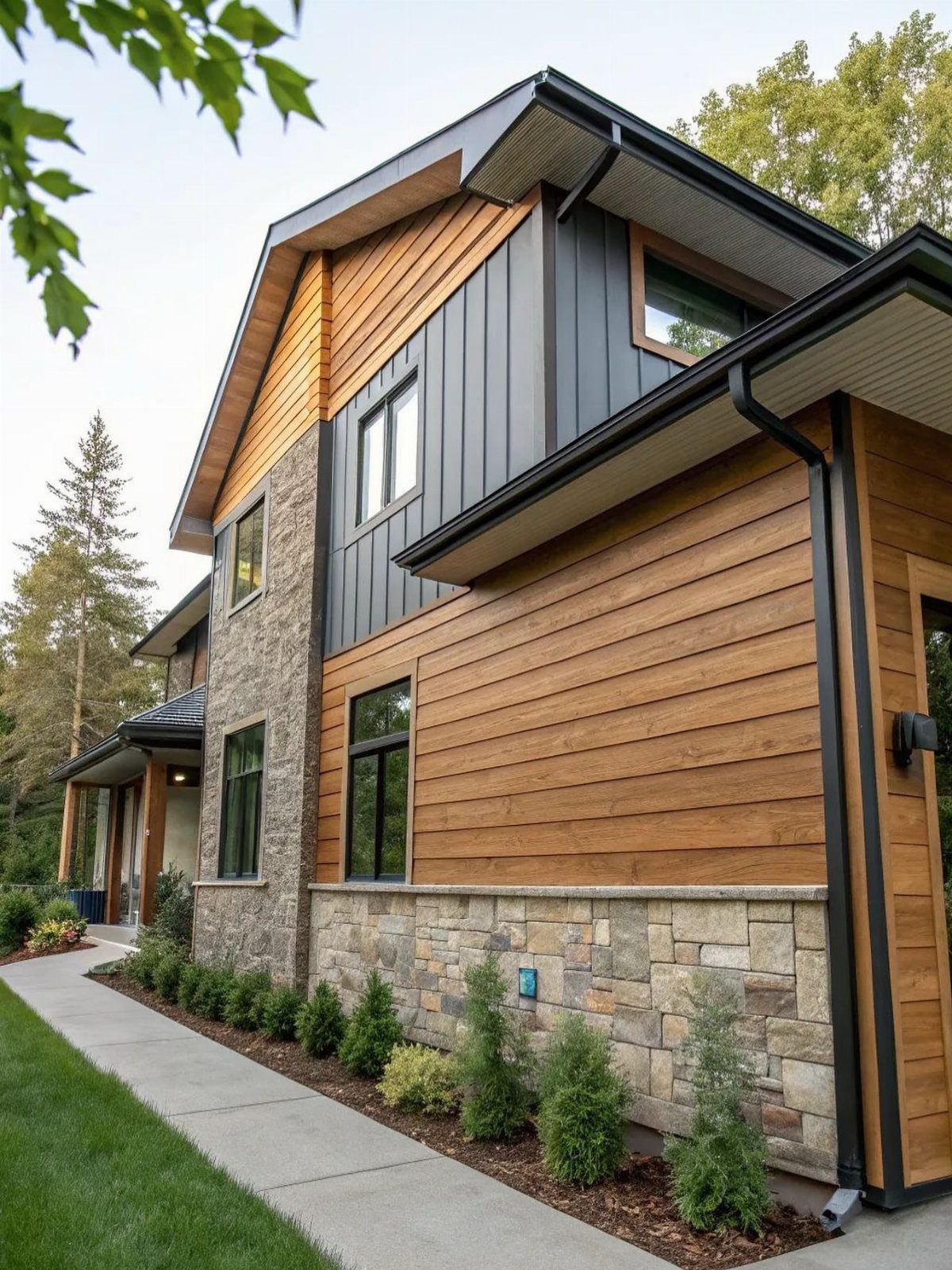
Stone with wood siding pairs a natural foundation layer with warmer horizontal boards above. The stone grounds the house visually and handles splashback from planting beds better than wood alone.
I would check that the stone extends high enough to clear your local frost line if you are in a cold zone, and that the transition line does not land right at eye level from the street.
The mix works best when one material clearly dominates; this split reads about 60/40 wood to stone, which keeps the stone from looking like an afterthought.

𝗛𝗜𝗚𝗛, 𝗤𝗨𝗔𝗟𝗜𝗧𝗬 𝗗𝗘𝗖𝗢𝗥𝗔𝗧𝗜𝗩𝗘 𝗕𝗢𝗔𝗥𝗗 & 𝗕𝗔𝗧𝗧𝗘𝗡 𝗦𝗛𝗨𝗧𝗧𝗘𝗥𝗦: These Board and Batten home shutters offer a rustic ambiance and simplicity perfect for farmhouse and beach style homes. Please note that these shutters are non functional, and are decorative only.

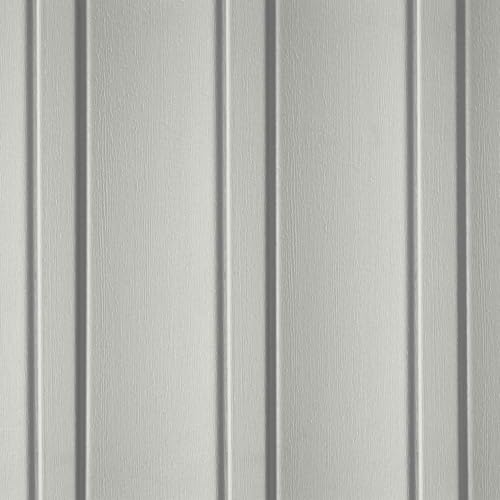
Most commonly used for whole house or accent applications
2. Board and Batten
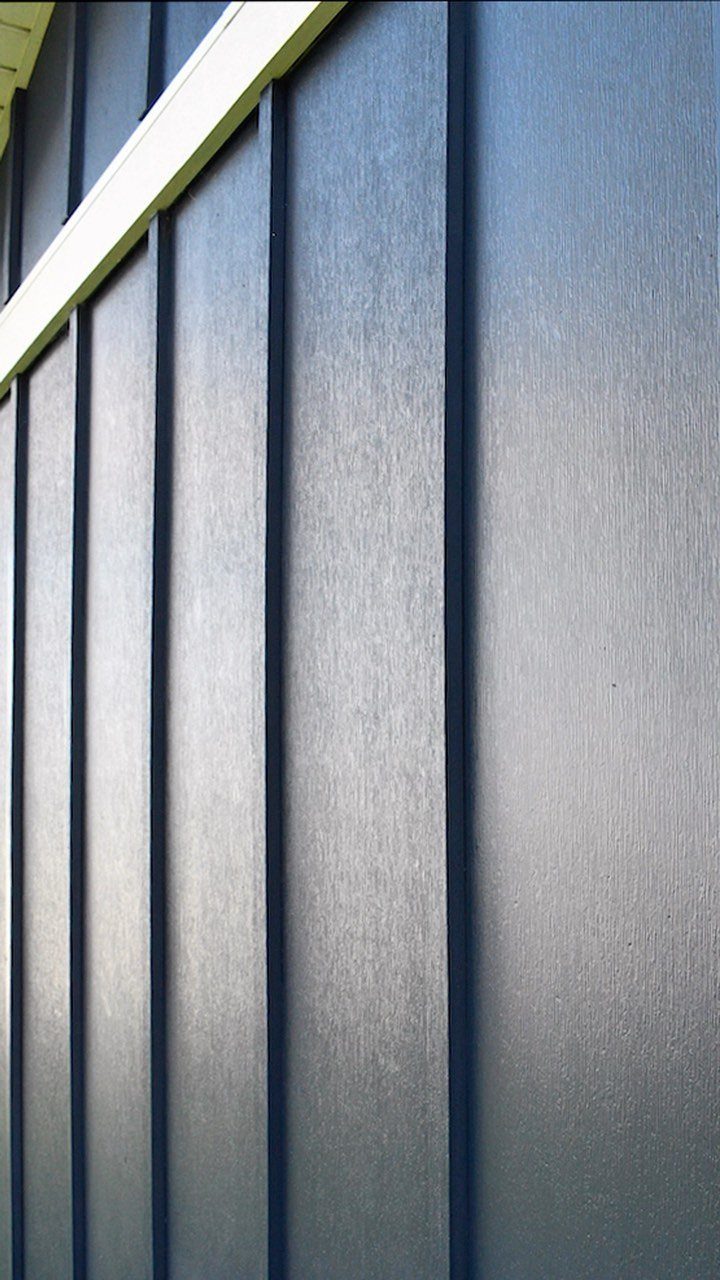
Board and batten runs narrow vertical strips over wider boards, creating that rhythmic shadow line you see on farmhouses and modern builds alike. It suits almost any gable or second story where you want height without fuss.
Dark colors hide the seams well, but light colors will show every gap as the boards shrink and swell.
If you are painting it yourself, budget for a solid stain rather than paint; it flakes less on vertical grain and you will touch it up half as often.
I would use real wood for the battens even on a fiber-cement field; the thin strips are where cheap reads cheap.

Package Include: 1 Pack x Fiberglass Chop Strands(Weight: 4.4LB/ Pack,Length: 3/4 inch,Material: Glass Fibers)
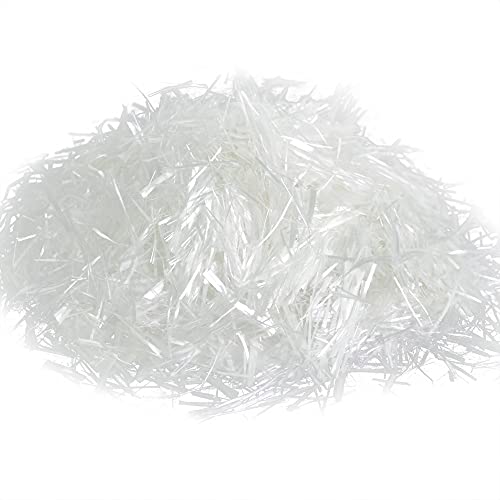
Anti-cracking: Mixing fiberglass and mortar together, the irregular distribution of fiberglass in the mortar enhances the toughness of mortar, and inhibits the formation of fine cracks

Superior Structural Reinforcement: Engineered with fiberglass, this additive significantly enhances concrete’s tensile strength and flexural modulus, reducing crack propagation by 40% compared to plain concrete . Ideal for high-stress applications like bridges, industrial floors, and precast panels .
3. Stone Veneer
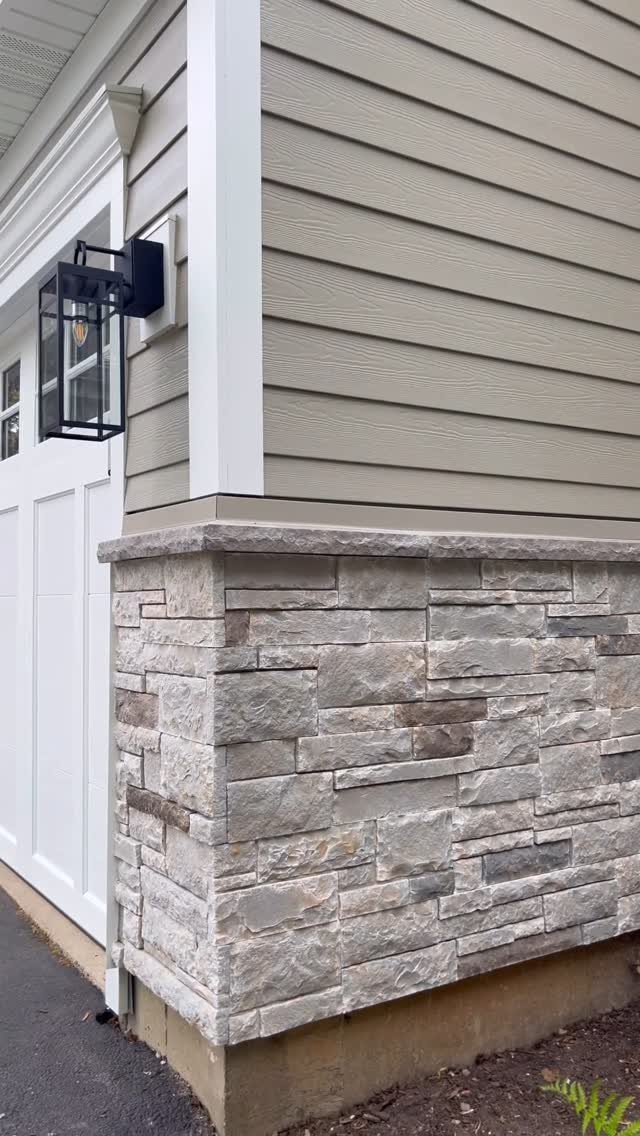
Stone veneer gives you the weight and texture of masonry at roughly a third the installed cost of full stone. Standard horizontal lap siding above the stone keeps the budget in check.
The transition matters most. Veneer sits proud of the wall plane, so your siding starter strip needs to account for that bump or you get a gap that collects water.
I would run the stone to a logical break, like the bottom of a window sill or a belt course, rather than stopping it arbitrarily mid-wall.
A lantern at the corner anchors where the 2 materials meet and draws the eye past any slight color mismatch.

FAUX STONE SIDING PANELS in Glacier Bay (Gray) – Low-height, random-length stacked stone look with strong linear patterns and minimal grout lines for a clean, contemporary exterior wall cladding.

LEDGESTONE FAUX STONE SIDING in Appalachian Ash (charcoal grey) – Varied-size stones in a strong horizontal ledge pattern with a rough, dimensional surface and natural shadow lines for authentic exterior wall cladding.

FAUX STONE SIDING PANELS in Sedona Bluff (warm reddish-tan) – Low-height, random-length stacked stone look with strong linear patterns and minimal grout lines for a clean, contemporary exterior wall cladding.
4. White-on-White

White-on-white reads clean from a distance but demands more upkeep than any other siding choice. Every water streak, spider web, and pollen film shows by June.
The photo saves it with contrast from the dark window frames and the warm stone pavers; without those, the house would float away.
If your trim, siding, and soffits are all white, vary the sheen, satin on the body and semi-gloss on trim, so the planes separate in sunlight.
I would also spend the extra on a paint with built-in mildewcide if you are anywhere humid; the alternative is washing it twice a year, and nobody does that.

Duel Function + Application: Acts as both a corner solution and a finished end piece. Use it to wrap corners for a beautiful transition, or to create a clean, professional edge where walls terminate – ideal for architectural details and exposed edges.

【PRODUCT MATERIAL】 Floor transition strips are non-toxic, odorless, healthy, and environmentally friendly. The surface is scratch-resistant, abrasion-resistant, dirt-resistant, easy to clean, and not easy to stain. Different from other similar products which are made of aluminum alloy, viny material is softer. The transition cover is beneficial to protect children or the elderly not to tripping.

【PRODUCT MATERIAL】 Floor transition strips are non-toxic, odorless, healthy, and environmentally friendly. The surface is scratch-resistant, abrasion-resistant, dirt-resistant, easy to clean, and not easy to stain. Different from other similar products which are made of aluminum alloy, viny material is softer. The transition cover is beneficial to protect children or the elderly not to tripping.
5. Light Coastal Colors Siding with White Trim
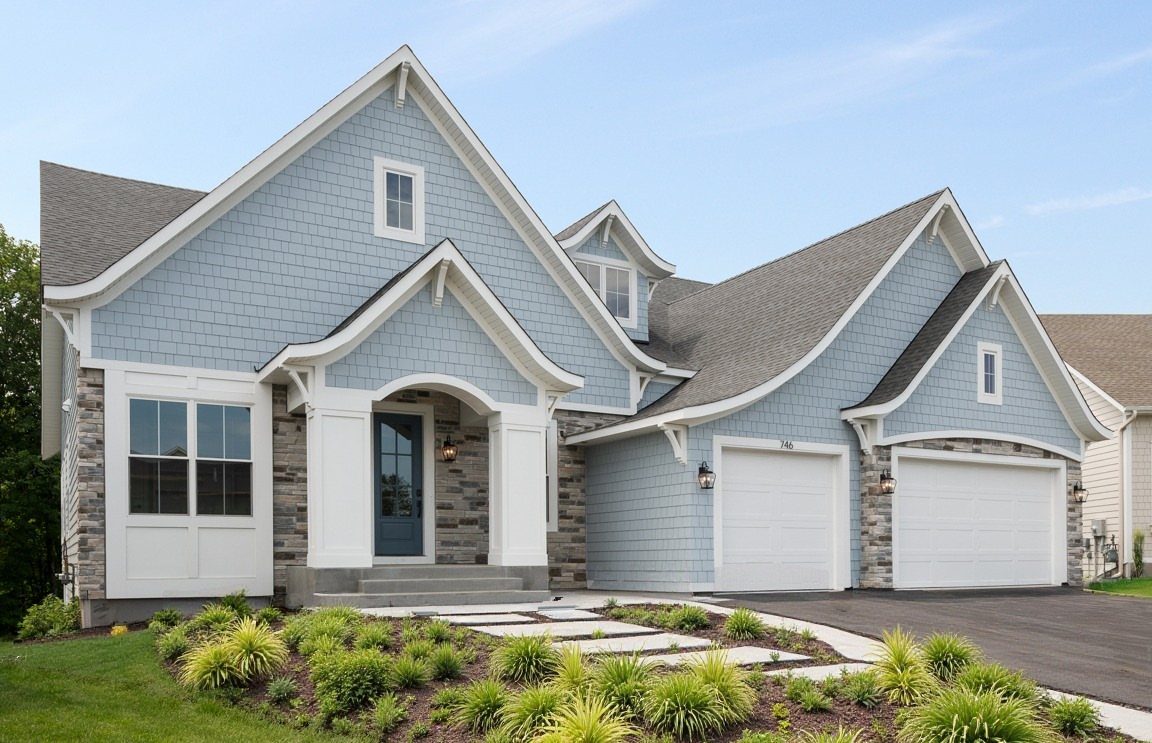
Light coastal colors with white trim borrows from Cape Cod and Carolina Lowcountry without needing the porch columns or the cedar shingles to sell it. Soft blue reads as neutral from the street, which matters if you might sell.
I would match the stone to your driveway or walkway rather than fighting it; the white trim does the bridging.
On a ranch or split-level, this palette stretches the house visually, low and horizontal. On a tall two-story, I might swap the blue for the same value in grey-green to settle the proportions.

EASY TO USE: Simply attach to your outdoor water hose and turn on to clean and restore. Light scrubbing will improve your results


Ample Quantity and Perfect Dimensions: Includes 20 white repair patches, each sized at 6.3 x 4.75 inches, along with a user manual. Provides plenty of material for various repair needs, ensuring you’re always prepared for quick fixes.
6. Sage Green Horizontal Lap Siding
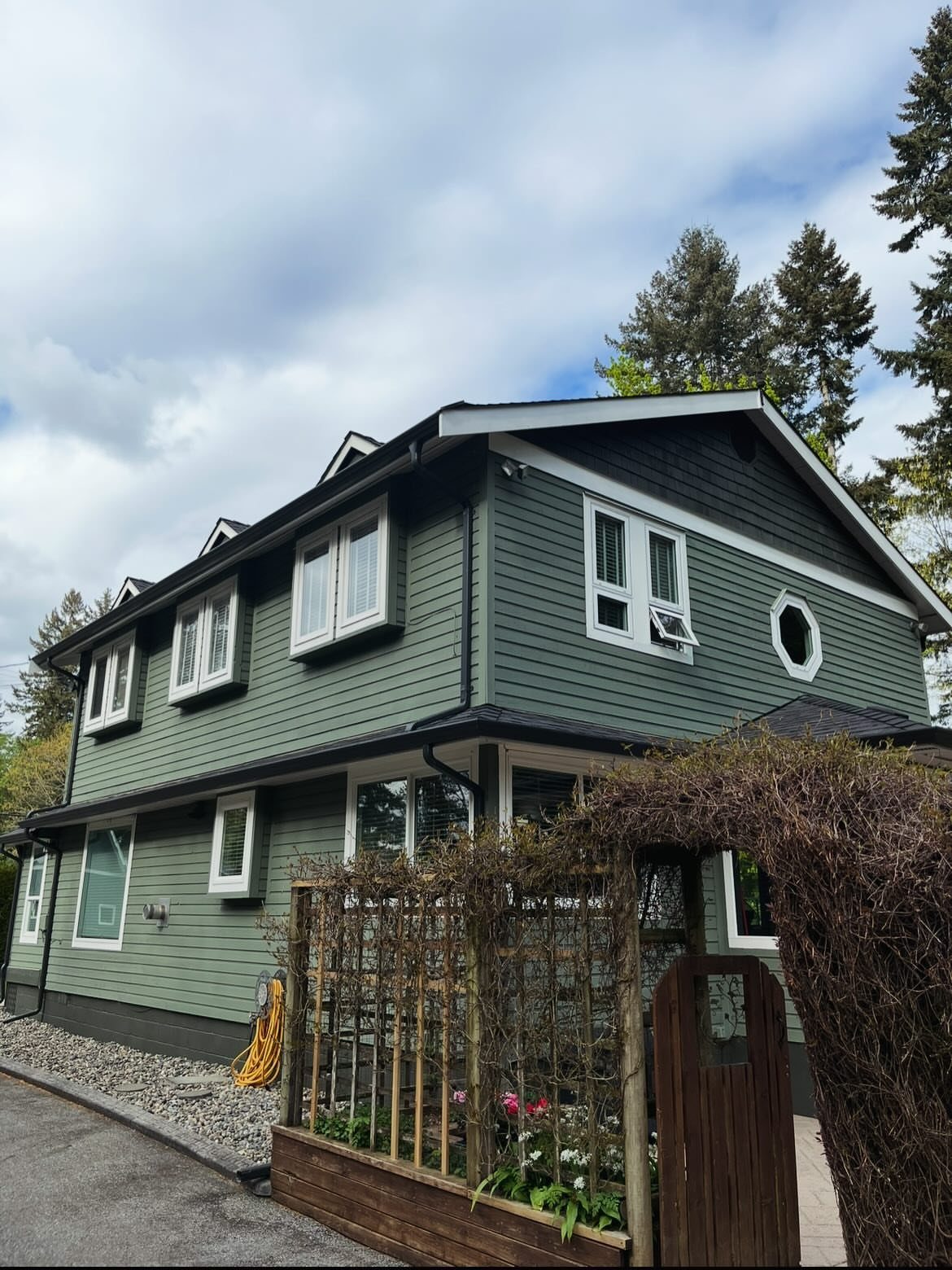
Sage green horizontal lap siding works with white trim and a dark roof to look settled and deliberate, not trendy. The arbor gate in the foreground is a nice touch, but the siding itself carries the house.
Horizontal lap is the default for a reason: it sheds water, forgives slightly out-of-plumb walls, and every siding contractor knows it.
The sage here has enough grey in it to stay quiet as landscaping matures around it; a brighter green would fight every leaf.
I would order samples and look at them in morning and evening light before committing; this color shifts dramatically.
If your roof is lighter than charcoal, the whole thing goes cottage instead of grounded, which may or may not be what you want.

LEDGESTONE FAUX STONE SIDING in Bucks County Gray (medium grey) – Varied-size stones in a strong horizontal ledge pattern with a rough, dimensional surface and natural shadow lines for authentic exterior wall cladding.

LEDGESTONE FAUX STONE SIDING in Rocky Mountain Clay (warm terracotta-tan) – Varied-size stones in a strong horizontal ledge pattern with a rough, dimensional surface and natural shadow lines for authentic exterior wall cladding.

FAUX STONE SIDING PANELS in Santa Fe (warm sandy tan) – Low-height, random-length stacked stone look with strong linear patterns and minimal grout lines for a clean, contemporary exterior wall cladding.
7. Classic Grey Lap Siding
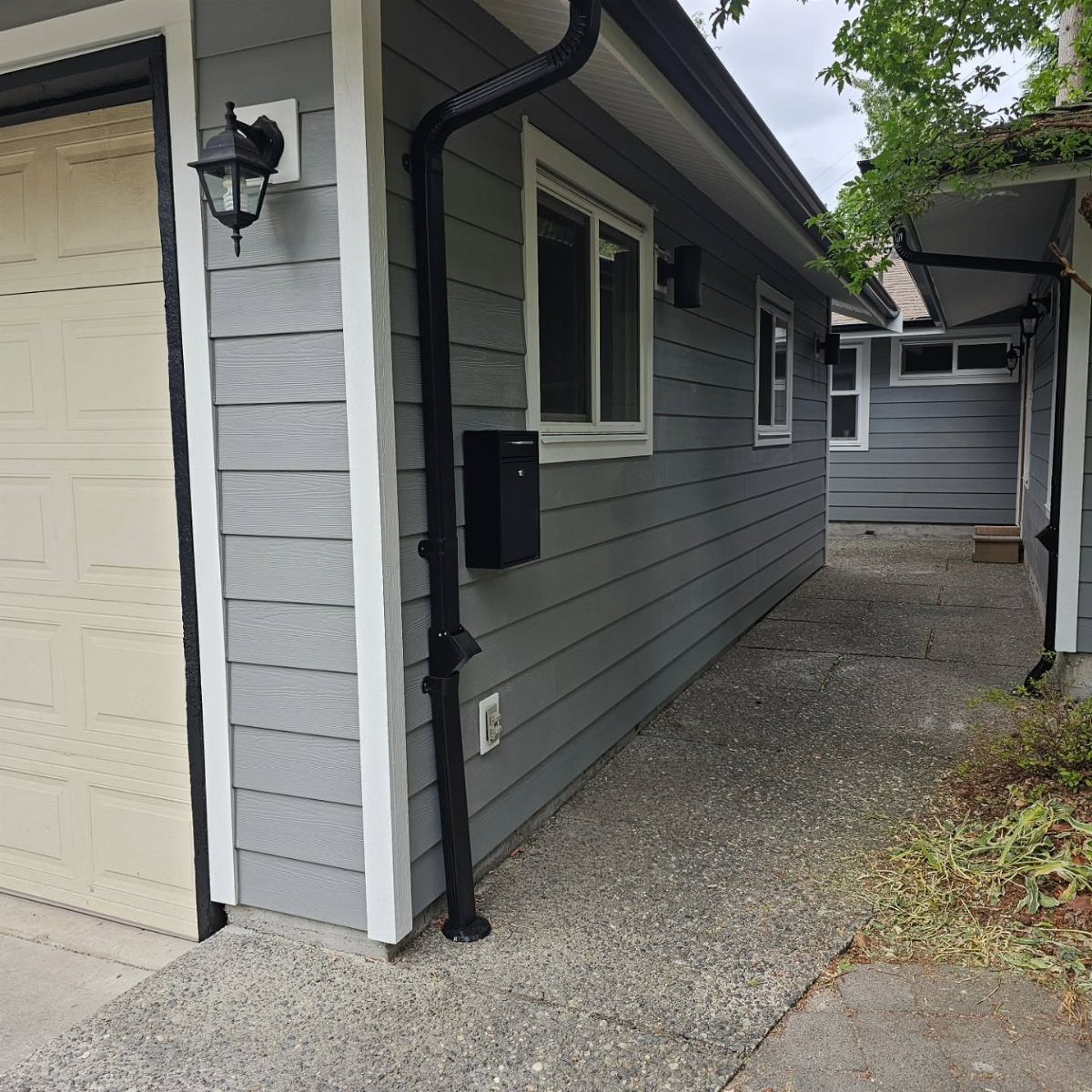
Grey horizontal lap siding with white trim is the safe choice that still looks considered, not default. A black downspout does the heavy lifting against grey lap siding; without that dark punctuation, the whole thing goes flat.
I would check my roof color against the grey before ordering. A warm grey with a cool black roof fights itself, and the mismatch shows from the street.
Charcoal or dark brown roofing settles this pairing immediately. If your walkway is aggregate like this one, pull a mid-tone from the stone for the siding so the house reads as one layer, not two.

Tru-Lock state-of-the-art locking system, Random seams

𝗛𝗜𝗚𝗛, 𝗤𝗨𝗔𝗟𝗜𝗧𝗬 𝗗𝗘𝗖𝗢𝗥𝗔𝗧𝗜𝗩𝗘 𝗕𝗢𝗔𝗥𝗗 & 𝗕𝗔𝗧𝗧𝗘𝗡 𝗦𝗛𝗨𝗧𝗧𝗘𝗥𝗦: These Board and Batten home shutters offer a rustic ambiance and simplicity perfect for farmhouse and beach style homes. Please note that these shutters are non functional, and are decorative only.

Patented PanelThermometer for precise installation True Texture finish
8. Dark Vertical Siding
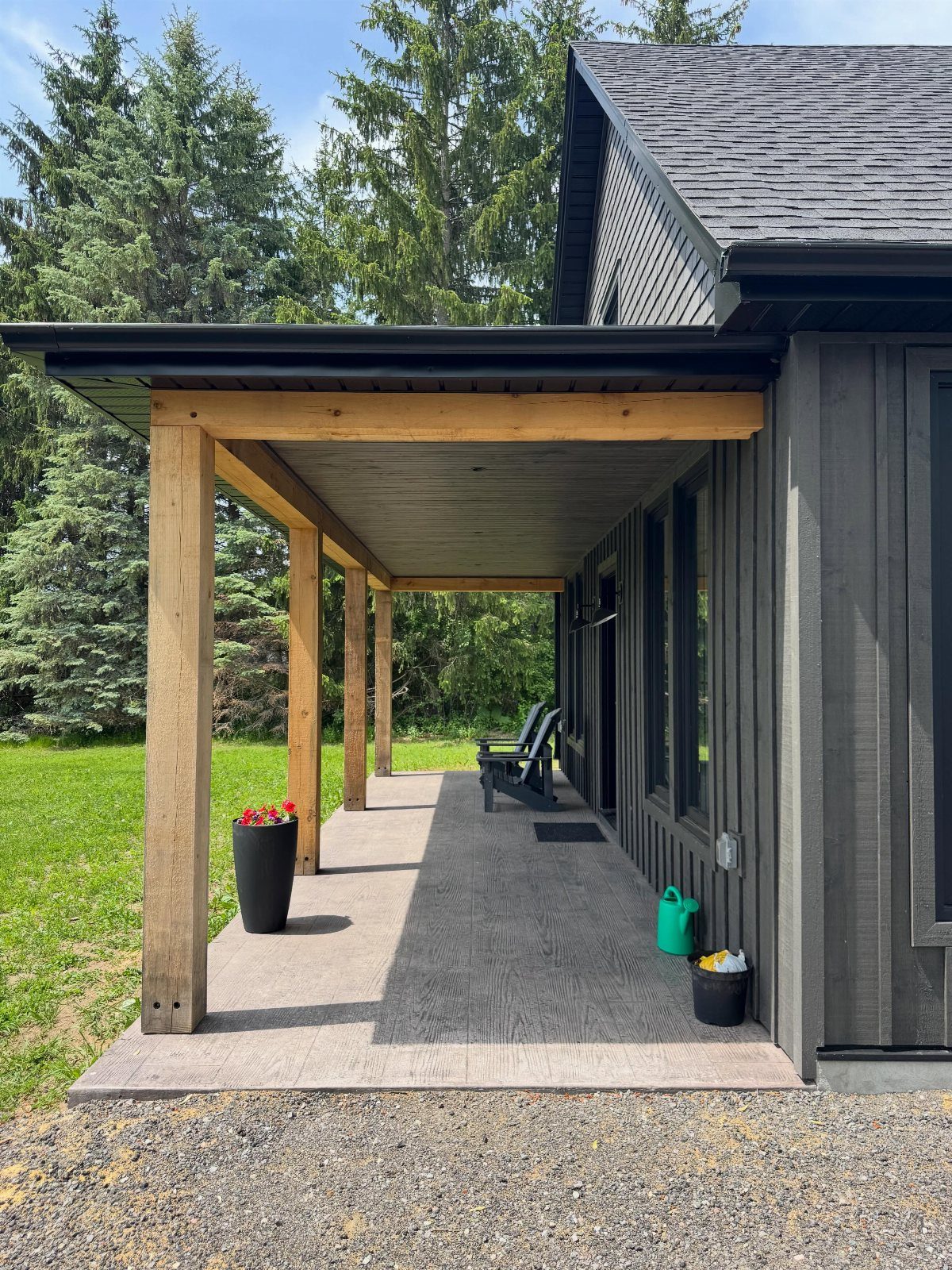
Dark vertical siding reads modern because the eye travels up, but the real move here is the natural timber against it. The warmth keeps the charcoal from reading as a bunker.
Vertical siding shows every wall imperfection; your sheathing has to be dead flat or the shadows betray you.
I would budget for a rainscreen gap behind it, especially on a south wall, because dark vertical boards trap heat and moisture together.
A concrete porch floor does quiet work under dark vertical siding; anything warmer would compete with the beams. If your porch is wood, stain it grey-brown and let the columns carry the warmth alone.

【Enhanced Crack Control】Mixing these 0.75-inch polypropylene fiber strands into your concrete or mortar helps distribute stress and improve material toughness, which inhibits the formation of fine cracks. This anti-cracking fiber additive enhances long-term durability for various construction and repair projects

Chopped Glass Fiber: A high-quality chopped glass fiber specifically designed to enhance the overall performance of concrete. The fiber has a length of 3/4 inch (approximately 19 mm) and a weight of 8.8 bl. It is easy to disperse and can be directly mixed with dry materials such as sand and cement, simplifying the construction process and improving efficiency.

Package Content: you will get 4 packs of concrete, each pack is about 2.2 pound ;Add more for high impact or severe freeze or thaw areas
9. Mixed Lap Siding and Stucco
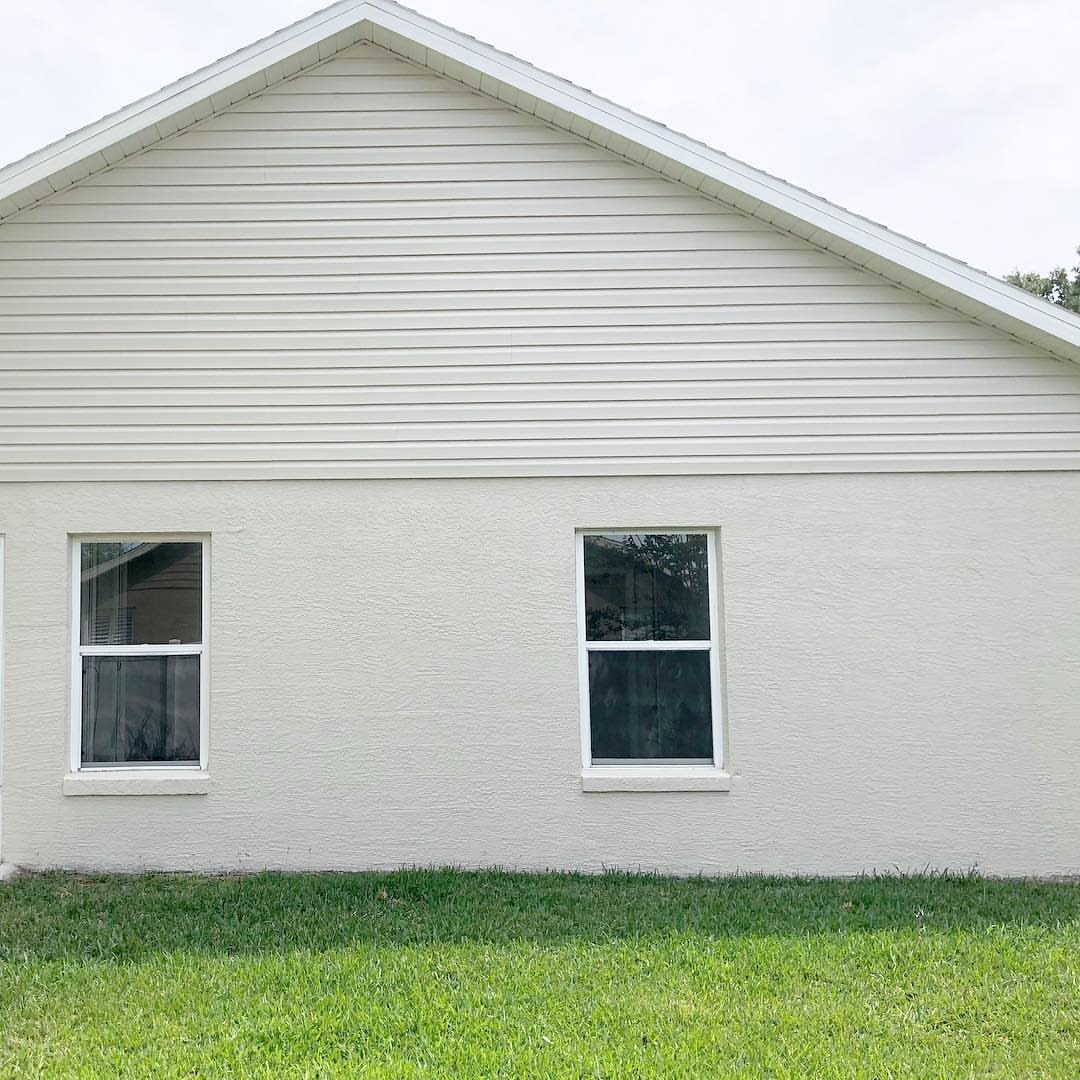
Lap siding above stucco splits the house by function; stucco below handles the abuse from lawn equipment and pets, while the lap stays cleaner higher up.
The break has to land at a natural line. Here it sits under the windows, which lets the white trim bridge both materials without a mid-wall seam.
I would keep the 2 colors within half a shade on the same card or the contrast turns the house into a diagram.
Stucco needs control joints at regular intervals; plan them into windows or corners, never arbitrary stripes across the field. 2 small windows over grass is a humble composition, but it works because the materials agree.

【PRODUCT MATERIAL】 Floor transition strips are non-toxic, odorless, healthy, and environmentally friendly. The surface is scratch-resistant, abrasion-resistant, dirt-resistant, easy to clean, and not easy to stain. Different from other similar products which are made of aluminum alloy, viny material is softer. The transition cover is beneficial to protect children or the elderly not to tripping.
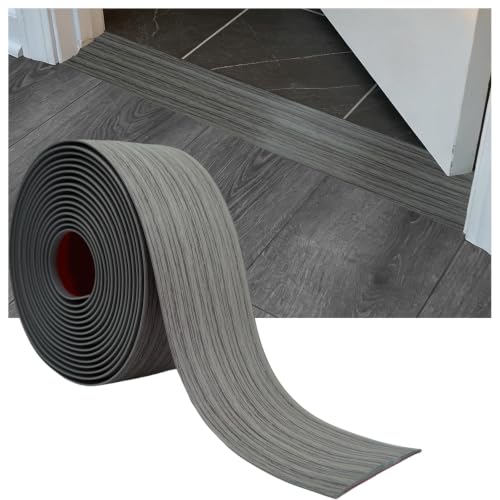
Durable Material:This durable, flexible transition strip is made from high-quality PVC vinyl. Overall Size: 76 mm x 1.5 m / 3 in x 5 ft (WxL), Maximum Thickness: 3.5 mm / 0.14 in.It perfect for covering carpet transition or floor gaps in doorways and between rooms

【PRODUCT MATERIAL】 Floor transition strips are non-toxic, odorless, healthy, and environmentally friendly. The surface is scratch-resistant, abrasion-resistant, dirt-resistant, easy to clean, and not easy to stain. Different from other similar products which are made of aluminum alloy, viny material is softer. The transition cover is beneficial to protect children or the elderly not to tripping.
10. Cedar Shake Siding
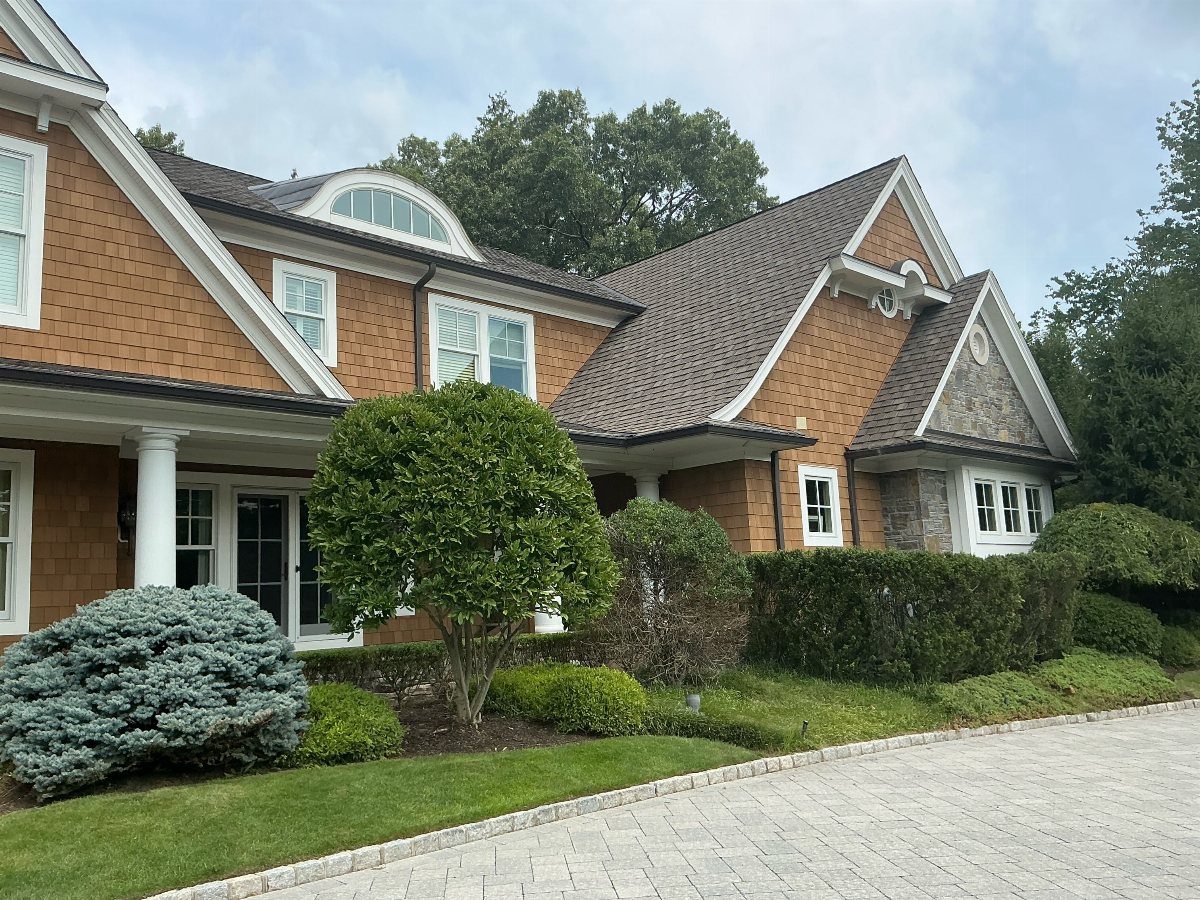
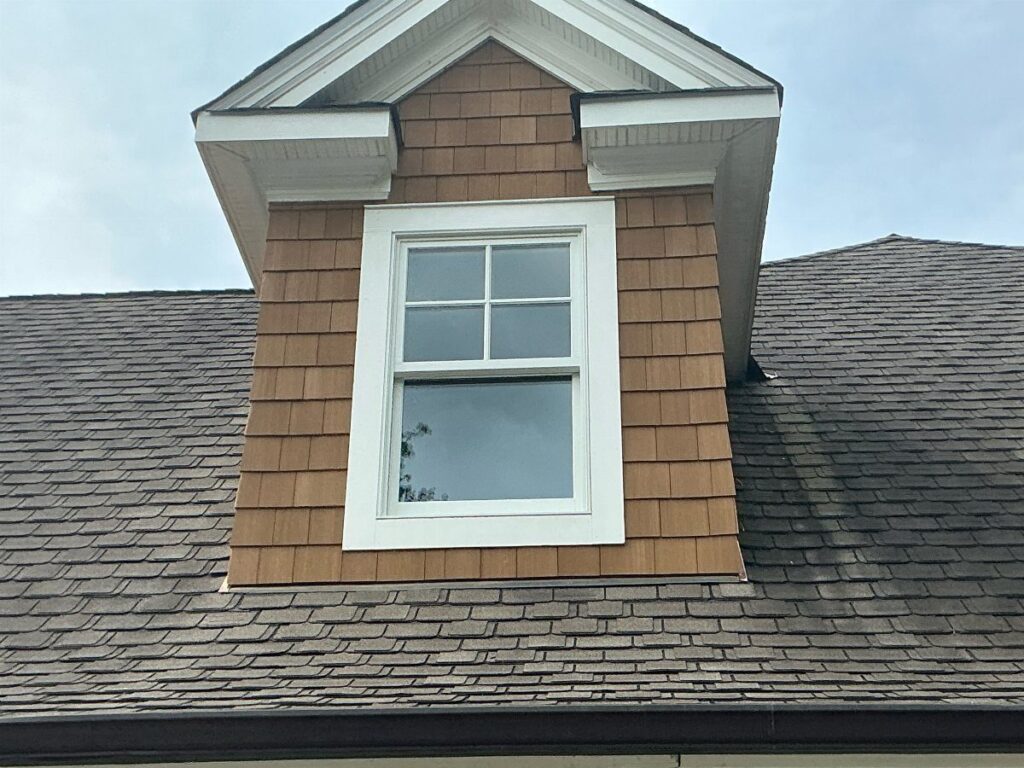
Cedar shake siding costs the most and takes the most work, but nothing else reads as immediate texture from the curb. The white columns and trim here give the eye a place to rest; all-shake would overwhelm.
I would budget for a solid-body stain, not a film-forming paint, and plan to recoat more often in full sun than in shade.
Uniform shakes are easier to install, but I prefer a staggered exposure for shadow variation; it costs more in labor and wastes more material.
If your house is not this scale, shakes can look like costume jewelry on a small facade. A single gable or an entry bump-out gets the point across without the commitment.

Siding for walls:exceptional durability is ensured with the use of pvc materials,Blemishes Tools

Made in USA: 24" x 50' and 0.016" thickness professional, contractor-grade, American-made aluminum trim coil. Smooth, one-sided Colonial White finish. Arrives pre-rolled in robust cardboard packaging.

The Builders Edge Surface Block for installing fixtures after the siding has been applied to the home, for use on 4 inch-10 inch siding
11. Wood-Look Horizontal Siding

Wood-look horizontal siding in this warm tone is almost certainly fiber-cement or engineered product, not cedar, and that is the point: you get the grain without the maintenance calendar.
The dark trim around these windows and the base is doing more than framing; it hides the joint lines where planks meet and grounds the whole wall.
I would run that dark band slightly above grade, not right to the dirt, or capillary wicking stains it fast.
If the product you choose has a pronounced grain, order extra for the cuts; the pattern repeat is obvious when 2 identical grains land next to each other.
Real wood weathers to silver-grey; this stays where you put it, which I count as honesty, not compromise.
12. Light Vertical Wood Siding
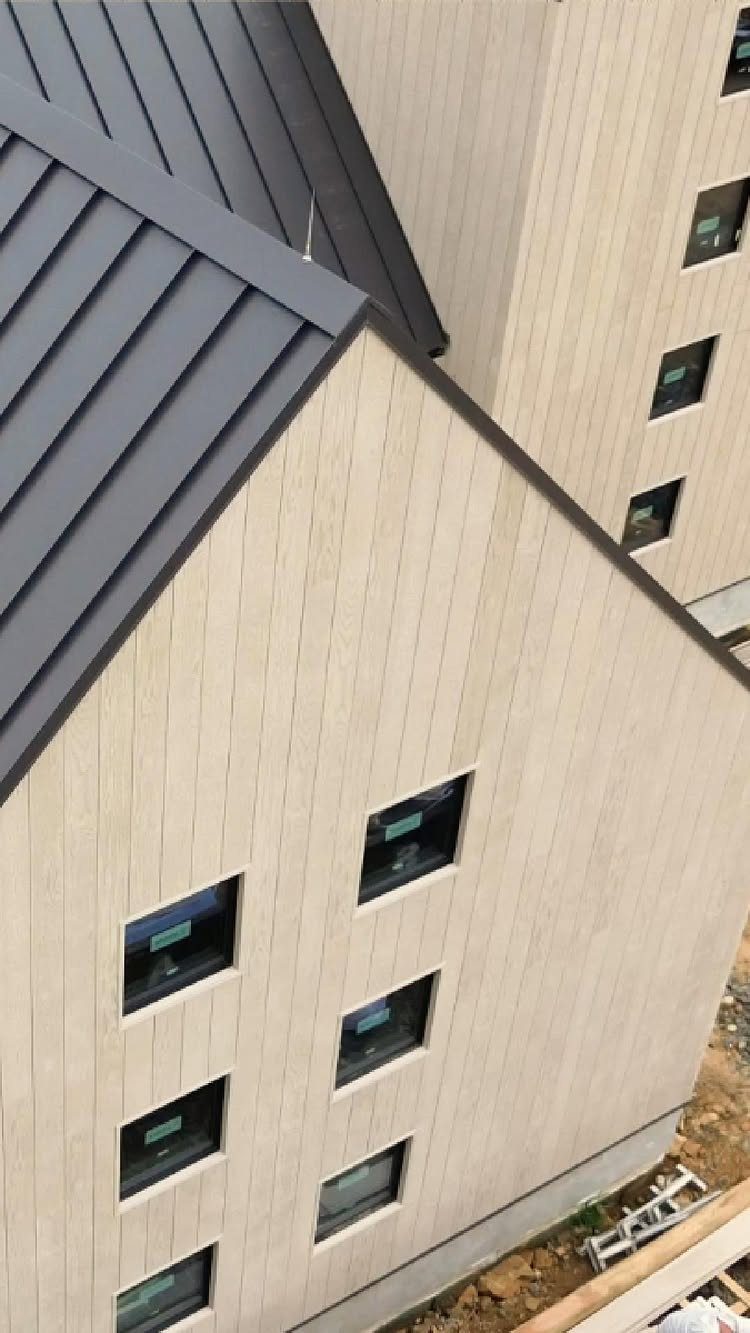
Light vertical siding with a dark metal roof is a pairing borrowed from rural sheds and modern Scandinavian buildings alike. The standing-seam roof here is the sharper material; the siding has to hold its own in texture or it disappears.
Vertical boards need backing that stops the waviness you get with wide, flat planks.
I would spec 1×6 or narrower, or a ship-lap edge, or both. The light tone here has enough yellow to stay warm; a cooler beige goes institutional fast against grey metal.
Small square windows suit this language; anything with divided lights would shift the whole thing toward cottage, which is fine if you want that, but it is a different house.
I would also plan the roof overhang carefully; too little shade and the light siding chalks, too much and the house goes gloomy.
13. Brown Brick Exterior
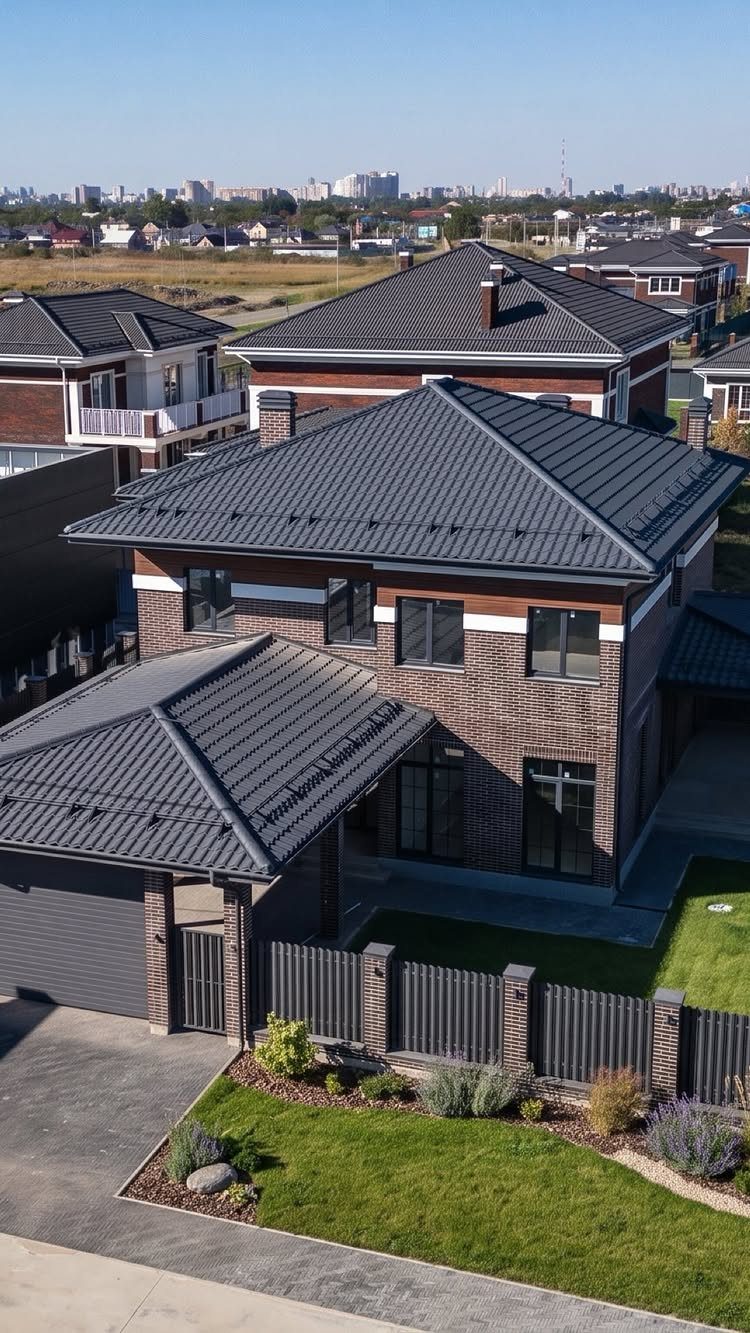
Brown brick on a full facade reads permanent in a way no siding swap can match.
The dark grey roof here settles the warmth of the brick rather than competing with it; a brown roof would go muddy, and black would read too stark against this tone.
Brick ties you to the grout color as much as the brick itself.
I would check the mortar in daylight before the mason leaves the site; grey mortar cools the wall, tan mortar warms it, and the wrong choice is expensive to fix.
The roof pitch and hipped shape here are doing work too; low-slope roofs with brick can look institutional, so the vertical wall area matters.
On a budget, this is not a DIY option.
Brick requires skilled labor, and the cost sits upfront for decades of near-zero maintenance. I would only commit if I planned to stay long enough for the payback to come from time, not resale premium.
Choosing the Right Siding
Start with how much maintenance you will actually do, not what you wish you would do.
Wood and fiber-cement will ask you back every few years with a paintbrush or sealant in hand; vinyl and metal just want a yearly rinse, nothing fancier than a garden hose or a careful pass with a low-pressure washer.
If you know you will not keep the calendar, pay more upfront for a material that does not ask it.
Your house style narrows the field fast. A rustic cabin almost demands log siding; contemporary builds can mix materials without looking busy.
Vinyl and composite wood sit at the budget-friendly end, while brick and cedar shake run higher; your total spend depends on square footage, labor, and whether you are stripping old siding first.
Climate matters in the details. Check that your choice handles freeze-thaw cycles if you are north of zone 6, and that the color shift from UV is something you can live with; sage greens and warm beiges move more than greys.
When it comes to the different types of siding, James Hardie manufactures the #1 brand of siding in North America. You can learn more about the material, or explore some of the design options you’ll have to create your own dream home.
Siding Maintenance Tips
Wash siding at least once a year. Wood or fiber-cement calls for a softer touch, a brush that will not scratch and soap that will not fight the finish; anything abrasive takes the coating with it.
Inspect in spring for cracks, warping, or mold. Catching damage early keeps water out of the wall assembly and postpones larger repairs.
Keep gutters and downspouts clear so water runs away from the house, not down the siding face. Trim back branches that rub or hold moisture against the wall.
If you are in full sun, plan to recoat more often than the shaded north side.
Cost Considerations
Most full replacements fall in a wide middle range once materials and labor are tallied; the spread reflects house size, regional labor rates, and whether the old cladding needs removal.
That spread comes from material choice and house size more than anything else.
Vinyl and composite wood are the least expensive options, with cedar shake and brick running higher. Removal of old siding adds $0.70–$2.00 per square foot on top.
Your own labor changes the math. Vinyl and wood lap siding are within reach for a careful weekend worker; brick, stone veneer to a high transition, and any material that needs a rainscreen gap behind it are pro territory.
Fiber-cement and engineered wood-look products split the difference: the boards go up like wood, but the dust requires respirators and the cuts eat extra material if the grain pattern repeats.
I would get 2 bids and ask each contractor to break out materials, labor, and removal separately. The line items tell you more than the total about where your money goes.
Frequently Asked Questions
What is siding on a house?
Siding is the exterior material applied to the walls of a house to protect the structure underneath and give the outside its finished look. It takes the weather first, sheds rain, blocks wind, and sets the style from the curb.
Most houses in the US wear one of a half-dozen materials: vinyl, wood, fiber-cement, metal, brick, or stucco, each with its own maintenance rhythm and price point.
How much does siding cost for a 3,000 sq ft house?
A full replacement runs into 5 figures once you factor in both materials and labor, and the final bill depends heavily on what you choose to put up and whether the old cladding has to come down first.
What type of siding is cheaper?
Vinyl and engineered wood keep the material bill low; they are the options I point people toward when the budget is the first thing we talk about.
Both are factory-finished, so you skip the paint cost upfront, and they install fast enough to keep labor hours down.
Wood lap siding can also run cheap if you are doing your own labor, though you will pay that back in maintenance over the years.
What are the different types of metal siding?
The common choices are aluminum, steel, and tin. Aluminum resists rust and stays light, which matters on older walls; steel is tougher against dents but can corrode if the finish fails.
Both give you a modern, industrial look and shrug off fire, mold, and pests. The downside is noise, rain on metal is loud, and neither material insulates well on its own, so budget for a good wrap underneath.