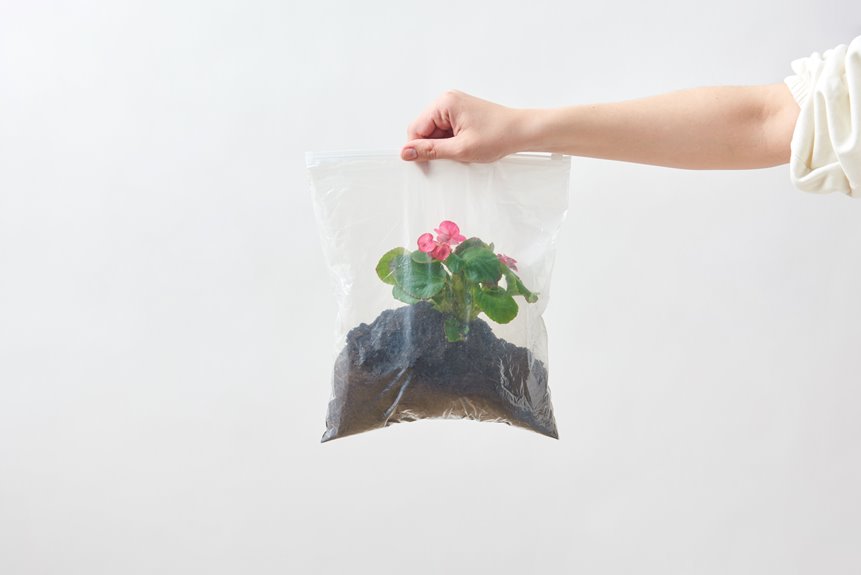
I’ve learned that potting mix and potting soil aren’t interchangeable. Potting mix is soilless, containing no actual dirt, while potting soil includes real garden soil. Mix consists of peat or coir, perlite, and vermiculite for drainage; soil tends to stay dense and waterlogged in containers.
Mix dries predictably, which helps prevent root rot, weighs noticeably less, and remains fresh for 1 to 3 years. Soil can suffocate roots, compacts quickly, and often lacks perlite altogether. You can identify the difference by checking labels for bark, perlite, or vermiculite, and by lifting bags—lighter options generally indicate better quality.
Additionally, I’ve found that proper soil selection is crucial for keeping container plants healthy.
Potting Mix vs. Potting Soil: The Critical Difference
Why does picking the wrong bag at the garden center matter? I’ve killed more seedlings than I care to admit by grabbing “potting soil” when I needed potting mix.
The critical difference is as follows:
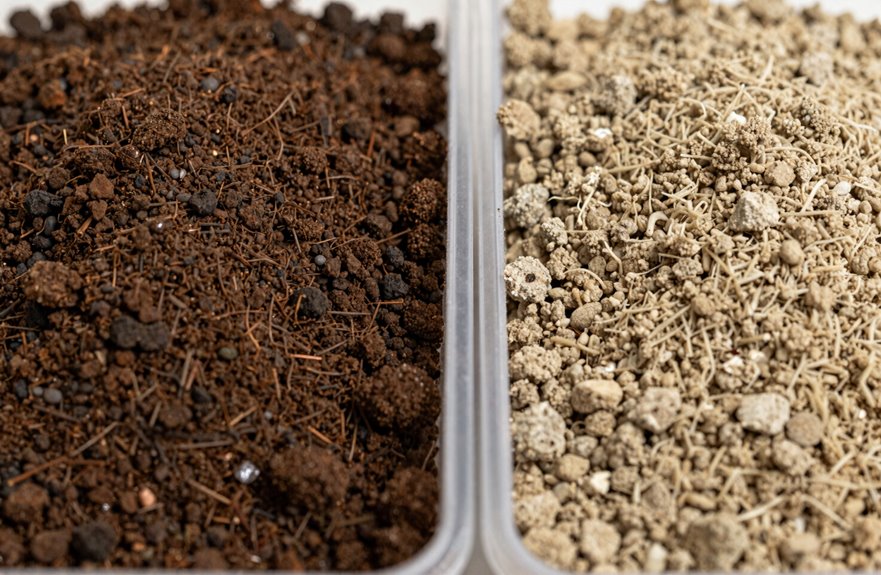
Potting mix is soilless; it contains no actual dirt, just peat or coir, perlite, vermiculite, and bark. It is lightweight, sterile, and designed specifically for containers. Potting soil contains real garden soil, making it heavy and dense.
This density can harm your plants. In containers, potting soil retains too much water, which can suffocate roots. I’ve experienced this with tomatoes rotting in July and herbs drowning in March.
Potting mix provides the drainage and aeration that roots need. It dries predictably, helping to prevent root rot.
Potting mix drains freely and breathes, letting roots thrive instead of drown.
Check the bag. If it lists “garden soil” or “in-ground use,” avoid it. Your plants will thrive with the right choice.
How to Spot Soilless Mix on Store Shelves
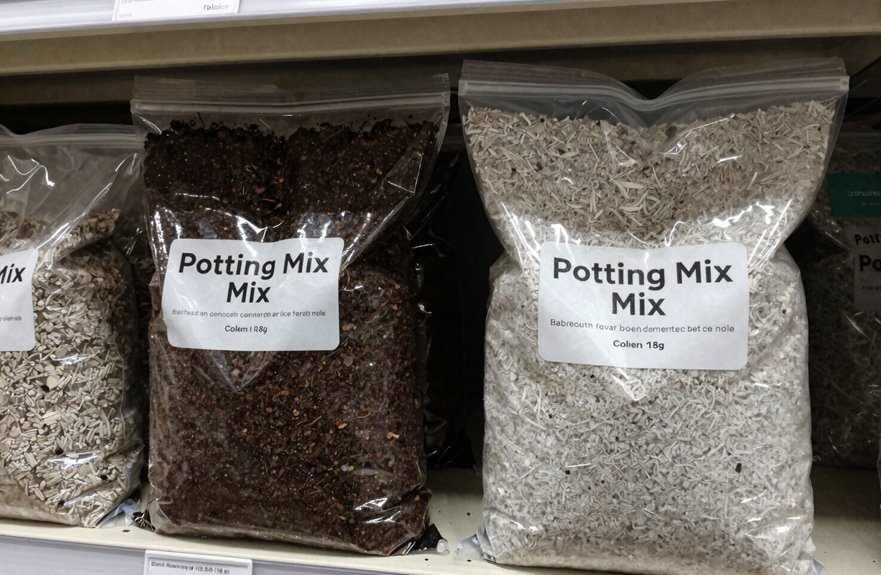
I used to stand in the garden center aisle, staring at twenty nearly identical bags, wondering which one wouldn’t harm my plants. Now I know exactly what to look for on the ingredient list.
A true soilless mix clearly displays its components. I flip every bag and scan for these telltale ingredients: bark, perlite, vermiculite, sphagnum moss, peat, or coir. These lightweight materials ensure proper drainage for my containers.
| Buy This | Skip This |
|---|---|
| Lists bark, perlite, vermiculite first | Says “garden soil” or “topsoil” |
| Mentions sphagnum or peat moss prominently | No ingredient list shown |
| Feels light when I lift it | Feels heavy, like actual dirt |
| From garden centers with knowledgeable staff | Vague labels from discount chains |
I have learned that when a bag hides its contents or emphasizes “soil,” I walk away. My plants deserve clarity.
Why Container Plants Need Lighter Mixes
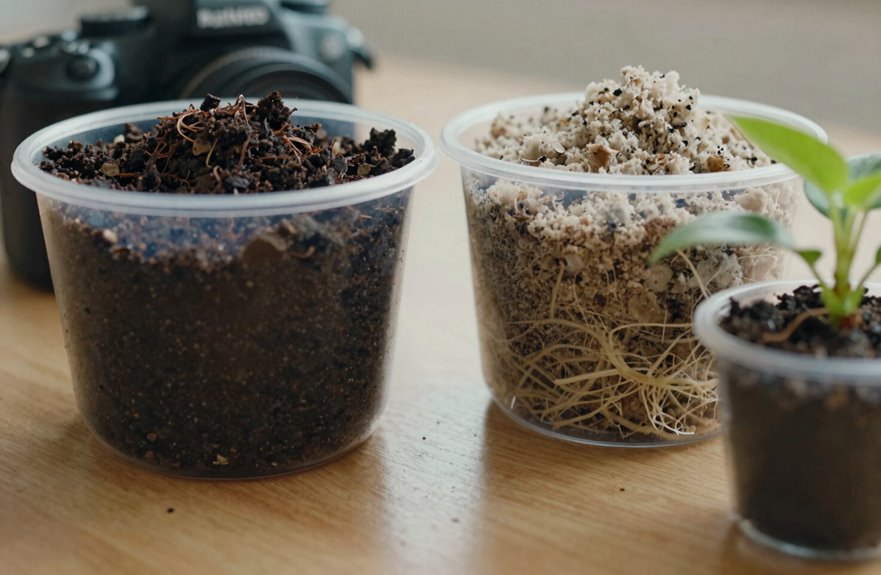
How often have you lifted a waterlogged pot and felt that sudden dread of rotting roots? I’ve been there, which is why I switched to soilless potting mixes years ago.
Why Weight Matters
Heavy garden soil suffocates roots in containers. Lightweight mixes—those fluffy blends of peat, coir, perlite, and vermiculite—solve three problems at once:
Heavy garden soil suffocates container roots; lightweight, airy mixes let them breathe.
- They improve aeration, allowing roots to breathe instead of drowning.
- They boost drainage, preventing that deadly moisture trap.
- They reduce weight on my balcony, benefiting my shelves.
The Science Is Simple
In confined pots, soilless potting mixes drain quickly. Ingredients like bark, pumice, and sphagnum create air pockets that heavy soils cannot match. Without this structure, repeated watering compacts everything, leading to root rot.
Your plants will certainly thrive with the right mix.
Which One Works for Seedlings and Indoor Plants
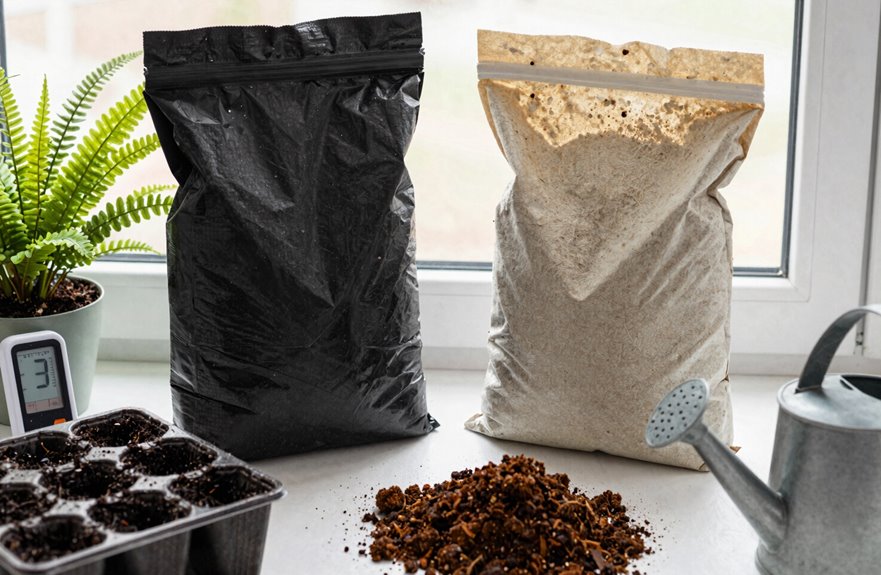
- It’s soilless, lightweight, and fluffy with perlite or vermiculite.
- Drainage remains consistent, allowing roots to access air instead of sitting in soggy conditions.
- There’s no unexpected density that crushes delicate seedling stems.
What to look for on the bag:
- Peat moss or coir, plus perlite and vermiculite (sometimes pine bark)
- Clear ingredient list—avoid mystery bags
- Never choose “in-ground” garden soil for containers
Proper drainage is essential for indoor plants. Selecting the right potting mix is a key step toward maintaining healthy growth.
When Cheap Potting Soil Wastes Money
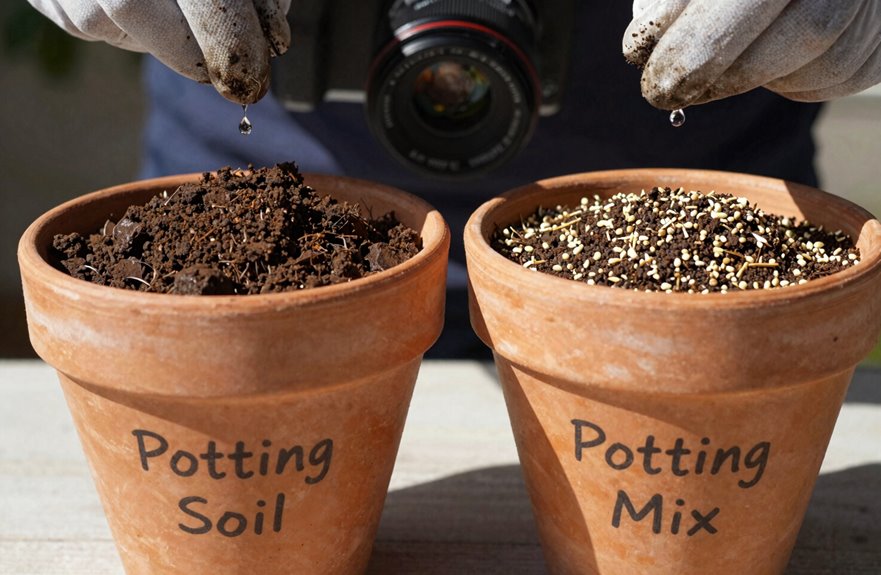
Why do so many of us reach for the cheapest bag on the shelf? I’ve done it too, thinking I was saving money.
The Hidden Costs
Cheap potting soil usually lacks proper potting mix ingredients like perlite, vermiculite, or pine bark. Without these, you get poor drainage and aeration. Water sits around roots instead of flowing through, leading to yellowing plants and stalled growth as roots drown in compacted dirt.
What You’re Really Paying
Budget options often deplete nutrients faster and compress within weeks. You’ll need to repot sooner, sometimes twice a season, resulting in more purchases than if you had started with quality soil. Additionally, mislabeled “soil” for containers forces a second purchase when your plants struggle.
That bargain bag often ends up costing double by summer’s end.
How Long Your Potting Mix Actually Lasts
I learned this lesson the hard way after finding a half-used bag in my garage from two summers back. That potting mix looked fine, but when I opened it, I noticed something was off. The peat moss had started breaking down, and the texture felt more like wet cardboard than a fluffy growing medium.
Shelf life is important. Your container media doesn’t last forever, especially when it’s loaded with organic matter like peat moss or coir. That material decomposes, which affects drainage and aeration.
Check your bags:
- Look for expiration dates (yes, they exist).
- Inspect texture—crumbly is good, compacted is bad.
- Smell for sour odors.
Most pros refresh their container media every 1 to 3 years. Your plants will show noticeable improvement with fresh potting mix.