
These 9 shed yard tool storage ideas run from a free pallet propped on scrap 2x4s to the Proslat 88102 PVC Slatwall system that costs per panel but rearranges without new holes.
What decides which one belongs on your wall is the material behind it: wood studs, corrugated metal, brick, or bare concrete each demand different anchors, and that constraint eliminates half the list before you pick up a bracket.
The 1.5 inch schedule 40 PVC pipe that fits most shovel handles is one detail you would not know until you measured; the post gives the diameter so you do not buy twice.
1. Wall-Mounted Tool Rack

PVC pipe cut to length and screwed to horizontal rails makes a rack that keeps long-handled tools upright and separated.
I would check the pipe diameter against my shovel and rake handles before buying anything; 1.5 inch schedule 40 fits most, but a flat shovel may need 2 inch.
On wood studs, lag bolts spread the load better than the self-tapping screws you need for corrugated metal.

YOUR ITEMS, YOUR WOOD – YOU SUPPLY IT: Supply 3/4" thick wood (e.g., 1x4 to 1x10 pine or plywood, sold separately) for custom-fit shelves that match your items.

Suitable for wood stud spacing of 16", 18" or 24". NOTE: The shelves can only be installed separately for 24" studs. Can NOT be mounted to metal wall.

YOUR ITEMS, YOUR WOOD – YOU SUPPLY IT: Supply 3/4" thick wood (e.g., 1x4 to 1x10 pine or plywood, sold separately) for custom-fit shelves that match your items.
2. Wall-Mounted Shelving

Narrow sheds waste the wall above your head. Shelves there hold pots, baskets, and the small stuff that otherwise covers your work surface.
I would mount the first shelf well below the ceiling to leave headroom, and use a level; a shed that already leans will make a crooked shelf obvious fast.

[SECURE L-SHAPE TIP] Prevent items from sliding off. Unlike straight pegs, our J-shaped pegboard j hooks feature a precise 90-degree upward angle acting as a safety stop. This design ensures your jewelry, keys, or retail merchandise stays safely on the hook, even when bumped.

Package includes 200 pcs pegboard hooks for a variety of hanging applications.

Colorstorm Peg Hooks do not have split barbs that damage peg holes
3. Pegboard with Hooks
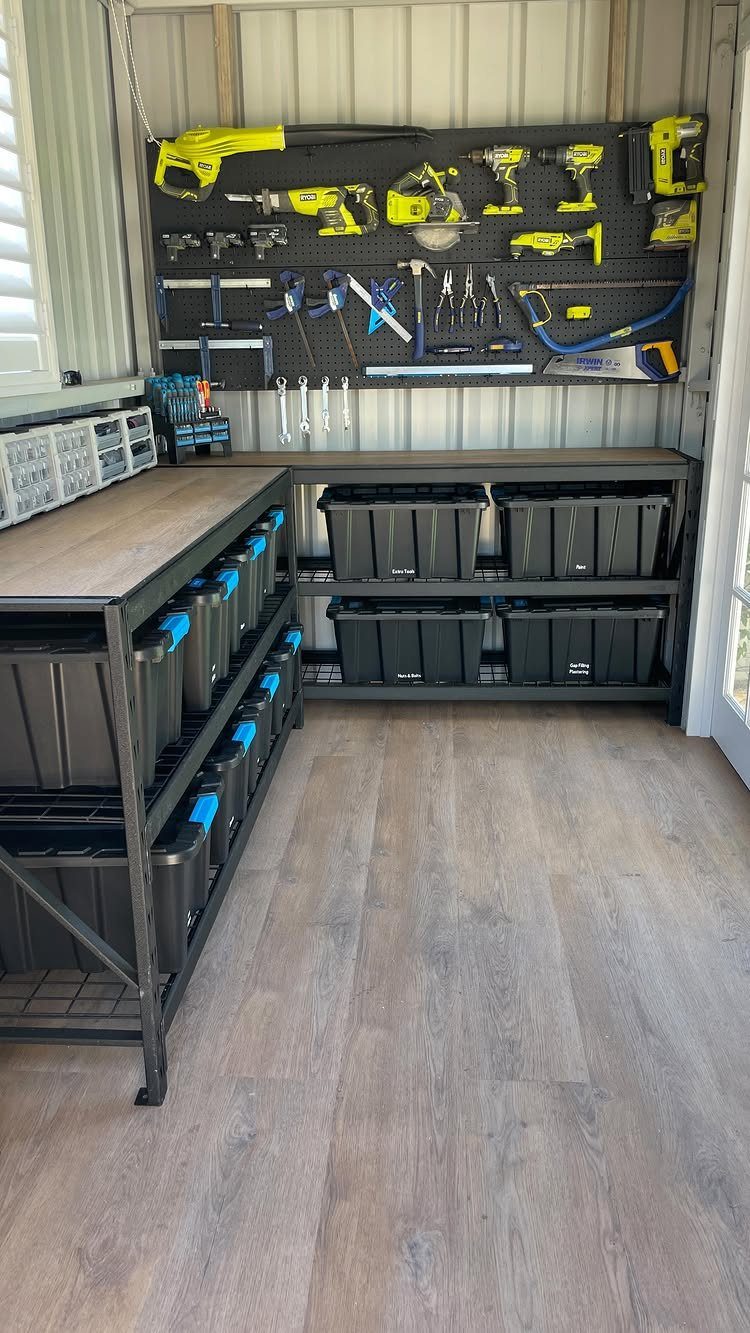
A pegboard wall turns any blank surface into adjustable storage. I prefer a black pegboard to standard brown; it hides oil stains and makes yellow or red tools easier to spot.
Hooks come in dozens of shapes, but I would start with the basic J-hook and add specialty holders only after living with the layout for a season.
The metal shed walls behind this one need furring strips or a framed backing; pegboard fastened directly to corrugated steel will crush where it spans the gaps.

Three racks, each pre drilled 16 inches on center and each with opposing modular tabs on both ends for the ultimate space saving clamp rack system! Simply attach one rack to your standard 16 inch on center wall studs and your ready to easily and quickly align the other two clamp racks using the opposing modular tabs as your guide. The racks fit together for a perfect fit on your wall, saving you valuable space and keeping your clamps organized!


Sturdily Built to Last for Years - The clothes rack is made of strong black malleable iron. The clothes bar will not get bent or deformed under heavy loads of clothes of more than 80 lbs thanks to its heavy duty iron pipes
4. Compact Tool Organizer

Battery-powered yard tools with their bulky housings eat more wall space than old corded ones. Mounting Ego units vertically by their handles keeps the motor and battery weight against the wall instead of cantilevered out.
I would check the rafter mounts too; blowers and string trimmers are light enough for overhead storage, but I would not hang a mower up there without confirming the joist rating.
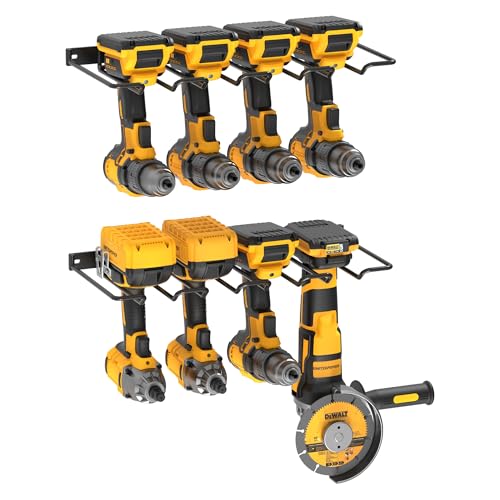
Garage Storage: Transform that mess workbench or wasted wall space into a compact, efficient power, hand tool storage and display area, Ideal for keeping all your commonly used project tools neatly organized and within arm’s reach

4-Outlet Power Strip:This garage shelf wall mount features an integrated 4-outlet power strip with a 6.5-foot cord for easy charging. Charge your tools directly on the shelf without the hassle of searching for outlets. By combining storage and functionality, this tool rack saves space while ensuring your power tools are always ready for use.
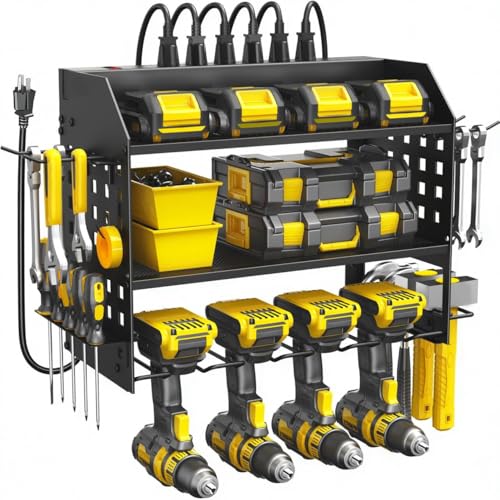
【Integrated 6-Outlet Power Strip】 The power tool organizer features a built-in 6-outlet charging station with a heavy-duty cord, allowing you to charge multiple cordless tool batteries (drills, impact drivers) simultaneously. No more tangled extension cords or searching for available wall sockets in your garage.
5. Proslat 88102 PVC Slatwall
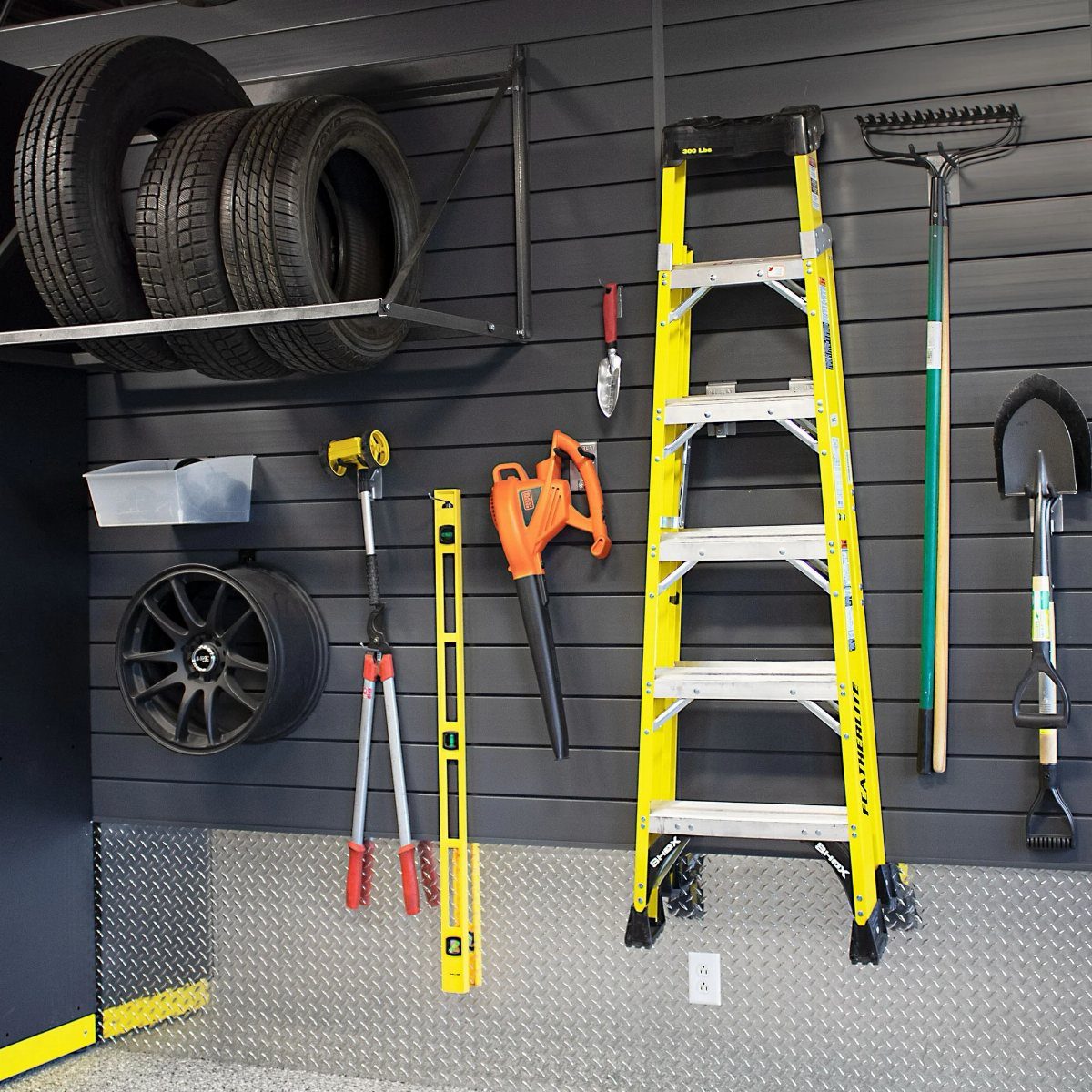
The Proslat 88102 PVC Slatwall is not cheap per panel, and the charcoal color masks scuffs better than the light gray alternative.
I like that the slats accept hooks, bins, shelves, or tire brackets without new holes; the layout evolves as the tools change.
Diamond-plate wainscoting below protects the lower wall from wheel and hose abrasion. I would install a horizontal chalk line first; these panels look wrong with even a slight tilt.

Goodbye Clutter, Hello Order:Tired of rummaging through messy piles of boxes and tools? Our slat wall paneling transforms unused wall space into a clean, organized storage system—keeping your garage, tool room, or shed neat, efficient, and clutter-free.

Industrial-Grade Durability: Constructed from industrial-grade PVC, our slatwall garage wall panels are waterproof, moisture-resistant, and easy to clean. With a load-bearing strength three times that of standard wall panels, slatwall panels offer a reliable storage solution for all your tools.

【Product Size & Easy Installation】 Each piece of our slat wall paneling measures 1*4ft, with a total of 8 pieces. The maximum size can be combined into 4*8ft. Our garage wall panels are easy to install. Just fix it to the wooden nail, drywall or brick and stone with a few screws at the corresponding position. And they can be easily cut and can perfectly fit your wall space.
6. Corner Tool Rack
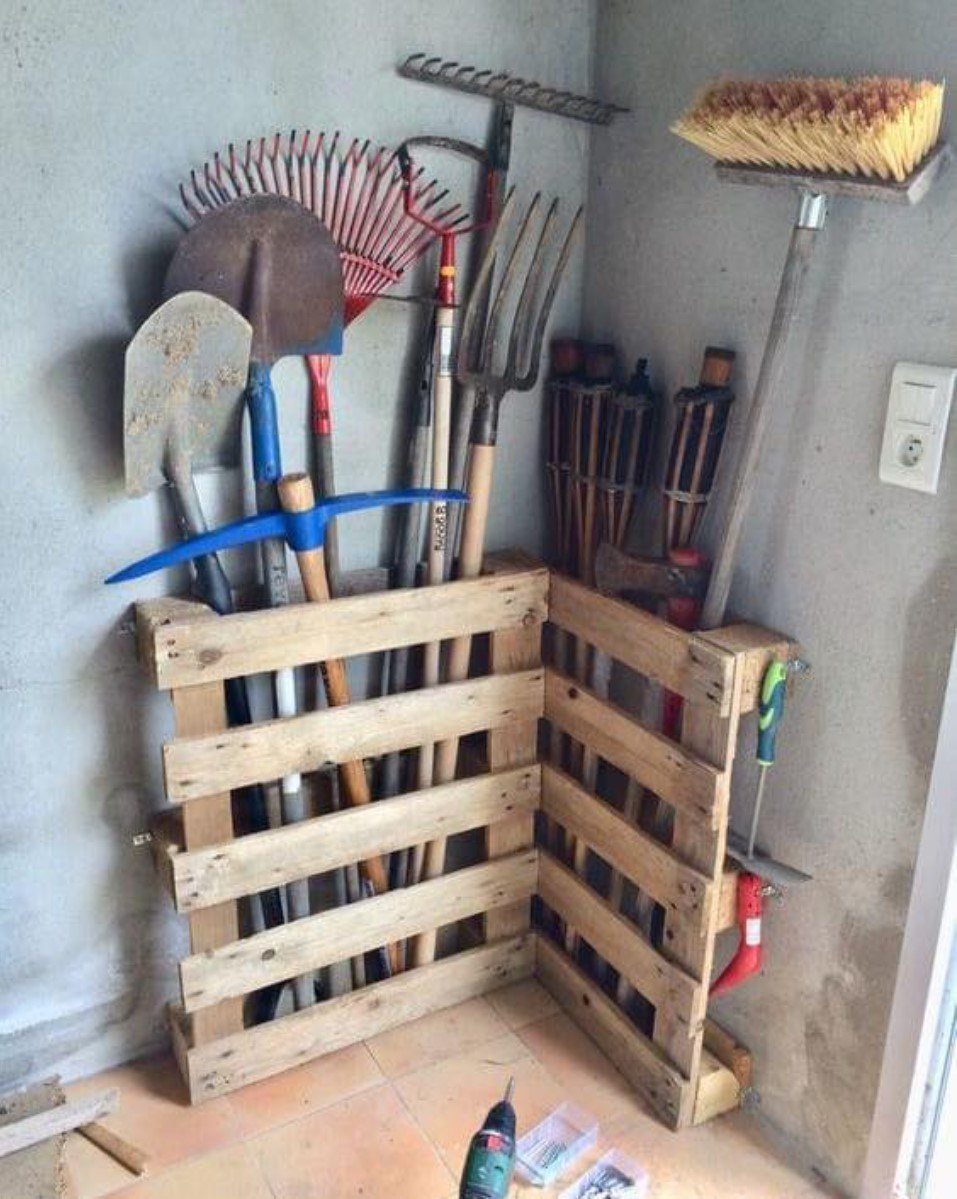
2 pallets screwed into an L-shape turn a shed corner into storage that does not block the center aisle.
The unfinished concrete behind the photo example means moisture will wick up through the pallet bottoms; I would set the whole unit on 2×4 runners or a concrete paver to slow rot.
The gaps between slats fit shovels and rakes naturally, but a broom handle may slip through; a single screw across that slot fixes it.
I would anchor the top of the upright pallet to the wall, especially if kids use the shed.
The Suncast Wheeled Tool Storage Rack is a compact and sturdy tool organizer. It can hold nearly 40 tools (20 large tools and 17 small tools, to be exact), and it has a few side-access slots for head-down tool storage.
— Bob Vila

【Premium Materials】Garden hose holder wall mount made of tough metal, rustproof and thickened, durability and last long. Ideal choice for outdoor hose storage.

HEAVY-DUTY SOLID STEEL CONSTRUCTION : Built to handle the toughest workshop environments. Crafted from premium industrial-grade steel with a rust-resistant finish, this robust 3-level storage rack securely supports massive weight without bending or sagging. Safely load up your heavy lumber, thick PVC pipes, and metal tubing with absolute peace of mind.

【Effective Uyilize Space】- GREENER Folding Metal Utility Rack is the perfect wall storage solution, preventing construction materials from spilling on the floor and keeping your garage organized for easy cleaning. Save space in your garage, basement, shed, or outdoor work space. Lumber racks are really strong storage solution for lumber, firewood, gutters, sheet metal, PVC, pipes, ladders, skis, snowboards, golf clubs, construction tools, old rugs and more!
7. Outdoor Pallet Storage

A single pallet stood on edge gives you a rack that lives outside the shed entirely, freeing floor space for the mower and wheelbarrow.
I would face the slats outward so the tools hang in the gaps; the solid deck side goes against the wall or fence for stiffness.
Pressure-treated lumber resists rot, but any pallet left on bare soil will absorb ground moisture through the bottom boards.
I would set it on a row of concrete pavers or scrap 2x4s to buy a few extra seasons. A coat of exterior stain on the cut ends helps too; those fresh faces wick water fastest.

Heavy Duty design, maxium support weight of 180lb for a pair of this shelf bracket. Designed to support 22 inches to 24 inches deep shelf. Matte black powder coat finish. resistant to corrosion and rust, durable. Creating a rustic, reclaimed, salvaged look,perfect for your home, office, garage, work space or anywhere else.

SPACE-SAVING WALL STORAGE: Make the most of unused wall space with this 2-pack of 46.45" x 12.5" heavy duty garage wall shelving. The wall mounted design keeps floors clear while providing ample room for power tools, storage bins, seasonal decorations, maintenance supplies, and other essentials. Ideal for garages, basements, workshops, sheds, and laundry rooms

Heavy Duty design, maxium support weight of 240lb for a pair of this shelf bracket. Designed to support 12 inches to 16 inches deep shelf. Matte black powder coat finish. resistant to corrosion and rust, durable. Creating a rustic, reclaimed, salvaged look,perfect for your home, office, garage, work space or anywhere else.
8. Freestanding Timber Garden Tool Stand
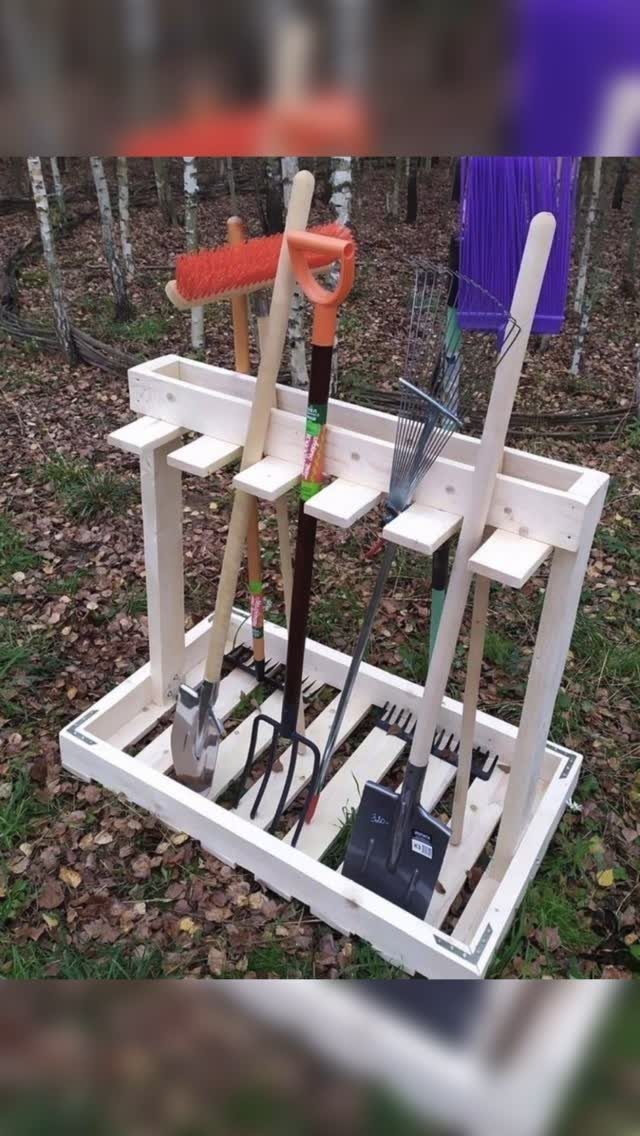
Individual slots keep long-handled tools from leaning into each other and tangling, which matters when you are grabbing the rake with gloves on and half an eye on the weather.
Pressure-treated 4x4s or cedar are the right call for the uprights if your stand sits on bare ground like this; standard pine posts will punk out in 2 wet seasons without protection.
I would cut the slots wide enough for a shovel neck but not so loose that a broom handle rattles; 2 inches is the width I would test first.
A cross brace low on the back keeps the uprights from spreading under the load.

DISPLAY YOUR ITEMS - These hooks are great for hanging and organizing necklaces and other jewelry.

SECURE J-HOOK DESIGN - Features 90-degree upward angled tips that prevent items from sliding, ensuring keys, retail merchandise, and small tools stay safely on the hooks even when bumped or disturbed during frequent access

50 Piece Bulk Set for Full Coverage This set gives you 50 heavy duty J hooks. Replace old ones or organize multiple areas without running short. Ideal for garage storage, workshop organization, and home hanging needs. From heavy tools to delicate jewelry, these hooks keep everything tidy and accessible
9. Integrated Brick Wall Tool Storage

Exposed brick gives you a wall that accepts masonry hooks directly, no backing board or furring strips needed.
I would use Tapcon screws or a similar masonry anchor rated for the tool weight; a spade hung by its handle puts more pull on the upper hook than you would expect.
A lean-to roof keeps most rain off, but brick still wicks moisture, so I would oil the metal hooks yearly to stop rust bleed onto the wall.
I like this setup best for the shed you already have with solid brick; drilling into block or veneer is a different job entirely and needs its own anchors.

4-OUTLET CHARGING STATION - This power tool organizer wall mount combines storage with a 4-outlet power strip and a 4.9 ft (1.5 m) cord - keep compatible chargers on the rack, so you can store your tools and charge batteries in the same spot

[High-Capacity Storage] The wall-mounted power tool organizer features 10 drill holders and a built-in power strip. Its double-layer structure keeps rechargeable tools organized, saving valuable bench space. Notably, the spacing between the middle tiers is significantly larger than typical offerings on the market.

Vertical Tall‑Layer Power Tool Organizer Wall Mount: Unlike horizontal multi‑column racks, this garage organizer wall mount uses upward‑extended layers. Retains full storage capacity and fits small wall spaces to save valuable floor area for your garage organization.
Evaluating Your Shed
Before buying a single bracket, I would measure the wall length and note where the door swing, window, and any electrical panel sit. Those fixed points decide what storage can go where.
I would also check the wall material: wood studs, corrugated metal, and brick each need different anchors, and nothing is more frustrating than realizing mid-project that your lag bolts will not bite.
The ceiling height matters too; a low shed loses usable space fast if shelves hang too low.
I would walk the interior with a tape measure and a notepad, marking where the floor is already claimed by the mower, wheelbarrow, or bulk items like fertilizer bags.
The gaps that remain are your real storage opportunity, and they are rarely where you first guess.

4FT x 8FT SLATWALL PANELS: Our durable PVC slat wall panel comes with 8Pcs-4ft x 1ft slatwall panels, offering a finished coverage area of 32 total square feet!Includes 48” side lids and H-trim for a nice, flat slatwall panel joint! Ideal for workshops, garages, tool sheds, gyms, offices, factories, craft rooms, laundry rooms, basements, gardens and more!
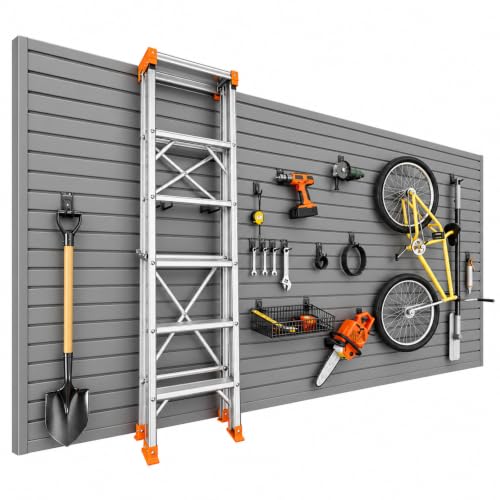
32 Sq Ft Wall Coverage: The 4 x 8 ft configuration creates a large slat wall paneling area for organizing tools, equipment, and supplies across an open garage wall.

Heavy Duty Slatwall Panels: The slat wall panels definitely made with thick and strong PVC material, compared to the traditional plastic wall panel, we have 3 times the load capacity and strength, the tool organizer can withstand the weight of all your tools is the right choice for your tool room.
Organizing Tips
I would group tools by how I actually reach for them, not by some perfect taxonomy.
The pruning saw lives with the loppers because both come out for the same weekend job; the drill and its bits stay together even if a purist would file the drill under power tools and the bits under hardware.
Zones need breathing room.
A shelf packed to its lip stops working because adding one item means moving six. I would leave a slice of each zone empty as working space, the same rule retailers use so they can restock without starting over.
Labels help, but I would keep them plain: "mower fuel and oil," not "petroleum products." The person reading them in dim light with dirty hands is you, once the season turns and you’ve forgotten where everything went.
Material Recommendations
For wall-mounted storage in a shed that sees temperature swings and humidity, I would skip standard particleboard.
It swells at the edges in 2 seasons and drops screws loose. Solid pine works if you seal all faces with exterior paint; leave the back raw and it will cup.
Pressure-treated 2x4s or 4x4s are the safe default for anything touching concrete or soil, though the greenish tint from treatment chemicals shows through light paint unless you prime first.
Metal shelving earns its place for heavy loads, but I would check the gauge; 20-gauge steel flexes under a full gas can, while 16-gauge holds steady.
The resin systems I have used resist moisture and never need staining, yet their brackets can fatigue if you overload them repeatedly.
I would match the material to the load and the wall behind it, not to what looks cleanest in the store aisle.
Frequently Asked Questions
What are the best storage solutions for a small shed?
Wall-mounted racks, shelving, and pegboards make the most of vertical space without eating floor area.
How can I organize my garden tools?
Group them by the jobs you do together, not by type. Wall-mounted racks keep long-handled tools upright, and a pegboard with J-hooks handles the smaller items you can adjust as seasons change.