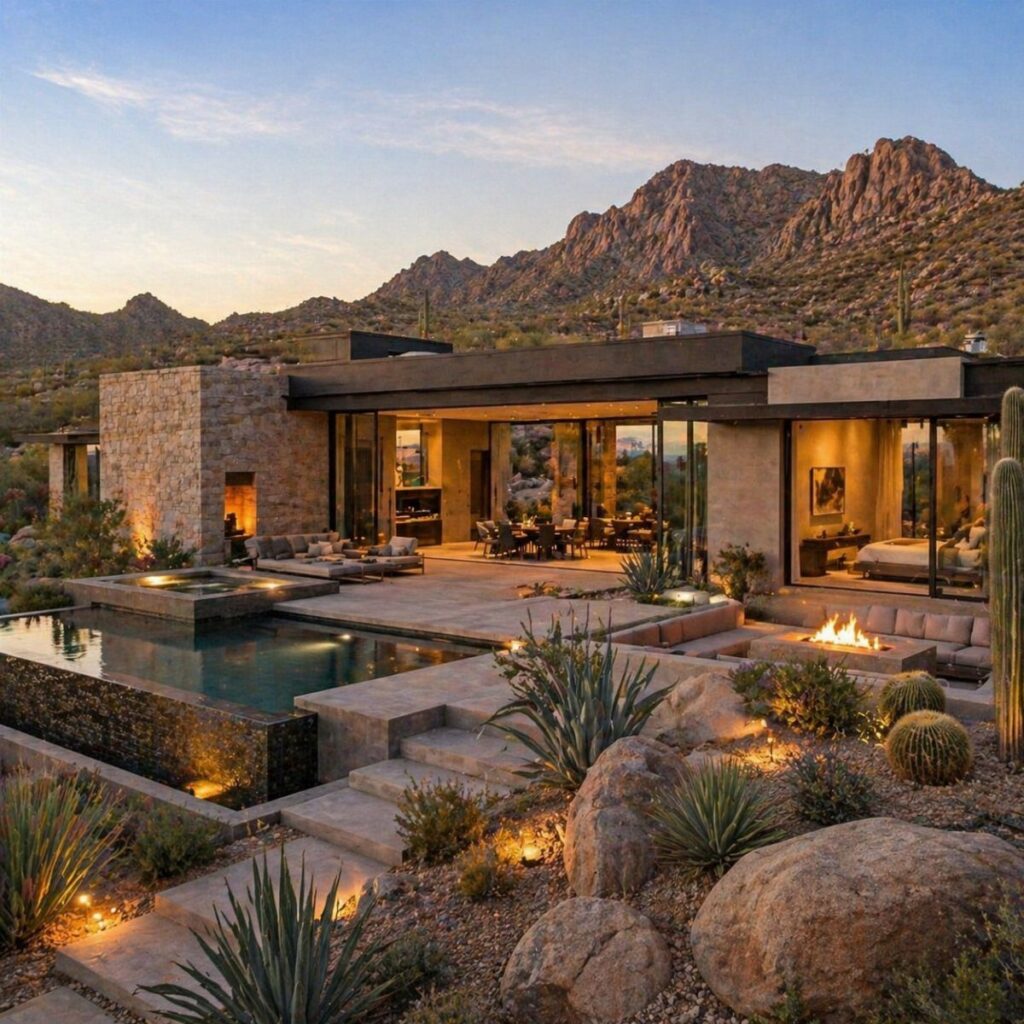
Desert home landscaping runs from a weekend of crushed gravel and raked stone to a dry creek bed trench and an agave that costs more than your dining table.
What decides which idea belongs in your yard is whether you are finishing a space you already use or building one you have not touched yet.
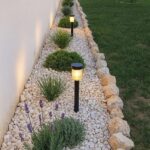
A 2700K bollard light at knee height, warm enough to keep crushed gravel from reading lunar, is the detail that separates a yard you walk through from one you sit in.
1. Stone Pathways and Patios
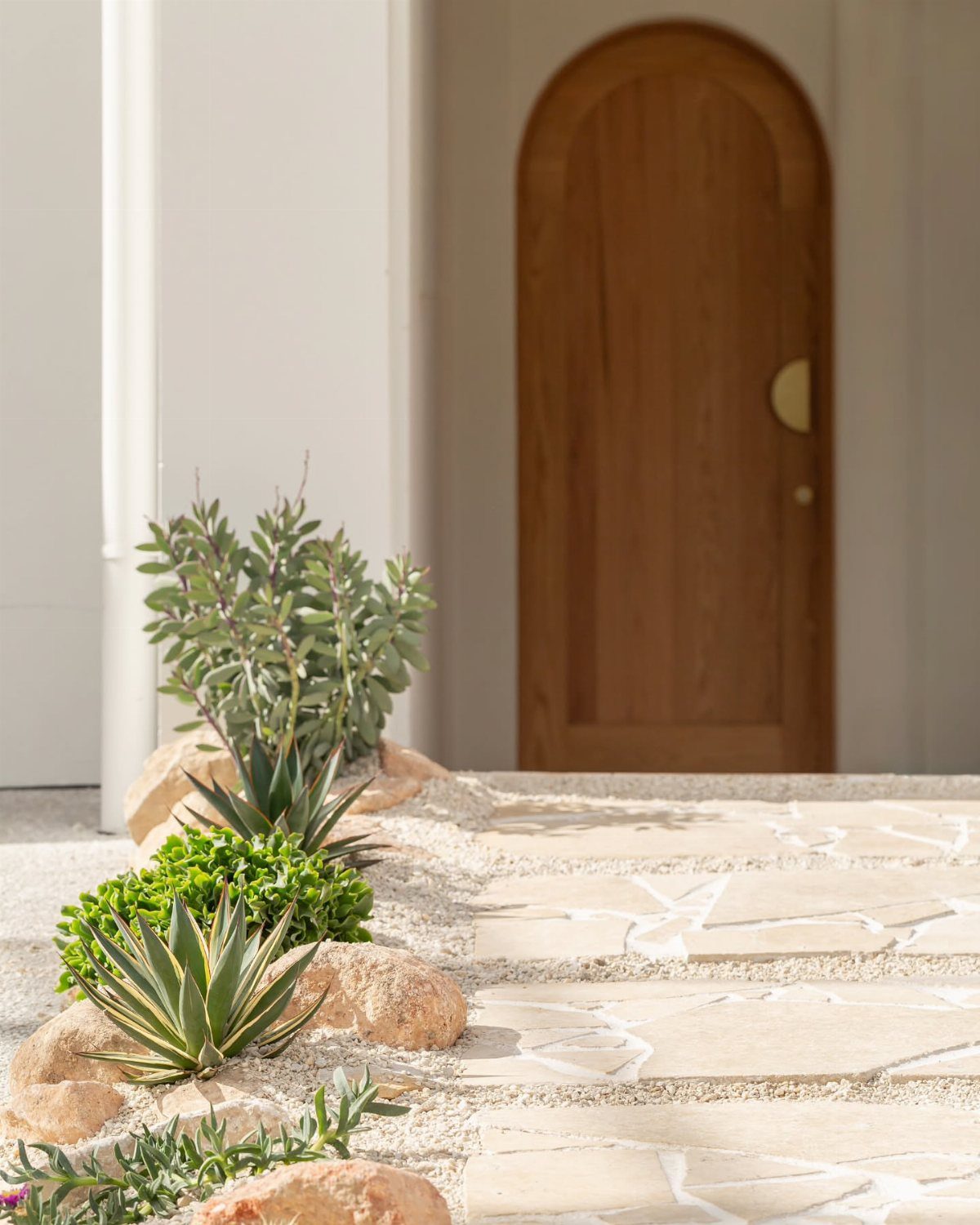
A flagstone path gives a desert yard its bones, turning scattered plants and gravel into something intentional. Irregular slabs on a bed of light gravel drain fast and stay put, which matters more in Tucson than in Portland.
Before you order stone, measure your walkable width.
A single path is comfortable for one person; a wider one lets two pass. The gaps between stones are where the gravel lives, so budget for both materials, not just the pretty top layer.
Sealing the stone is a choice I would skip; the sun will matte any wet look inside 2 seasons, and unsealed flagstone stays cooler under bare feet.

LARGE 2–3 INCH RIVER ROCK – Naturally rounded stones approximately 2–3 inches in size featuring an attractive blend of brown, tan, cream, gray and other natural earth-tone variations.

EXTRA LARGE 6–12 INCH RIVER ROCK – Natural Pigeon River stones approximately 6–12 inches with rounded and irregular shapes and attractive tan, cream, brown and gray earth tones.
LARGE 2–3 INCH RIVER ROCK – Naturally rounded stones approximately 2–3 inches in size featuring an attractive blend of brown, tan, cream, gray and other natural earth-tone variations.
2. Rock Gardens
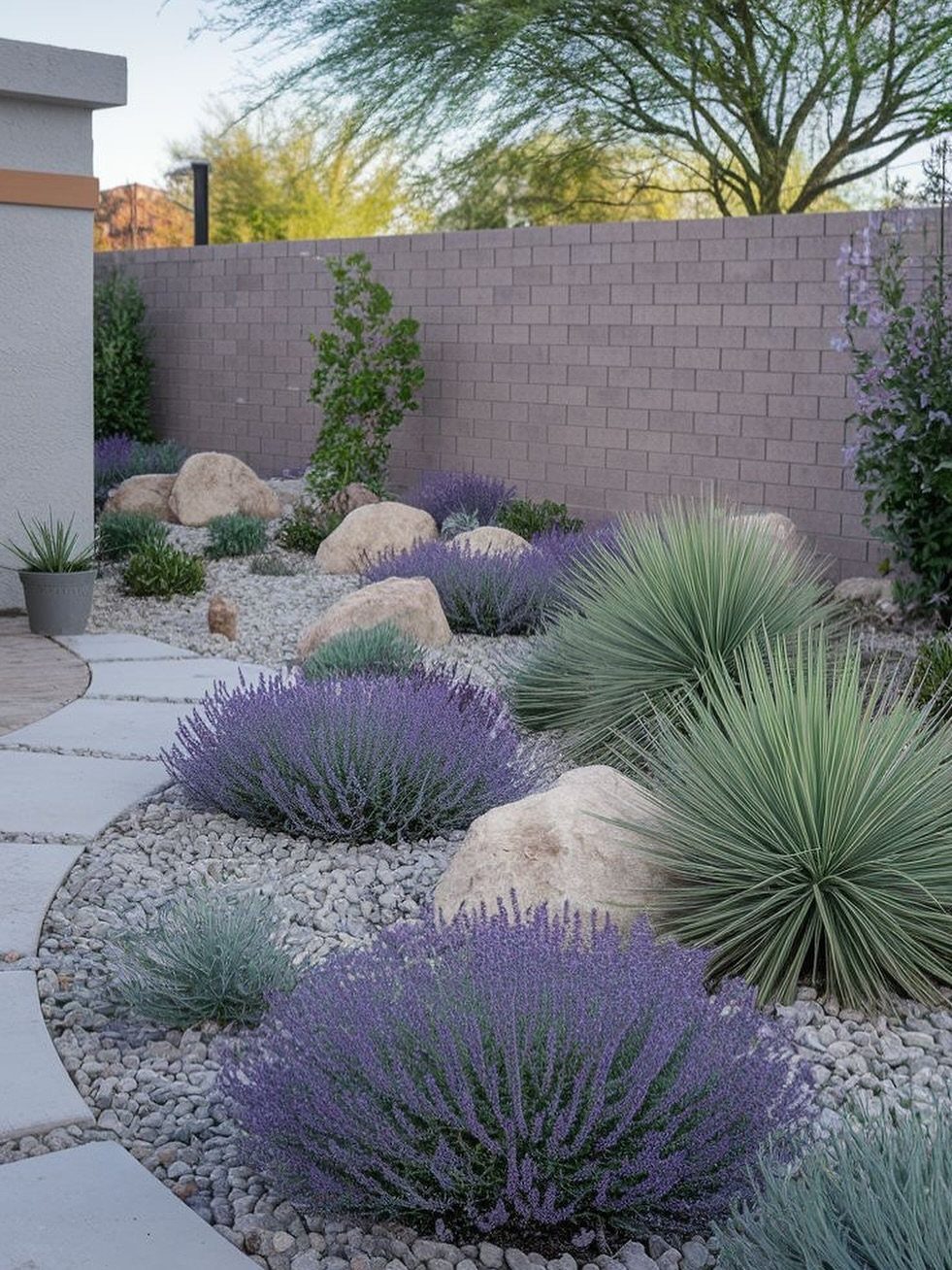
Rock gardens work because desert plants already want sharp drainage and hate wet feet.
The logic runs gravel mulch, boulders as anchors, and plants tucked into the pockets between. Soft shrubs against spiky agave give the eye relief; without both, you have a parking lot.
Boulders look planted when one-third of their mass sits below grade. Renting a mini-excavator for a Saturday saves your back and is worth the rental fee.
Round shrubs like Texas ranger or a similar Leucophyllum bloom after rain and need no supplemental water once established. I would place the largest rock first and build outward, not try to rearrange the heaviest anchor later.
Pro Tip: In a desert landscaping episode of Ask This Old House, the design team emphasized that the key to great hardscaping is mimicking the natural terrain.

RUBBER STEPPING STONES: Elevate your outdoor space with these lightweight simulated flagstone rubber pavers that offer the timeless beauty of real stone without the heavy lifting.

Vintage Charm: Natural gray finish features subtle color variation that replicates the look of weathered stone, adding visual texture to gardens, pathways, and outdoor spaces

【Natural Stone】Made from natural stone, each stepping stones preserves its unique texture and natural, irregular edges, adding distinctive beauty to your garden, pathway, or lawn. Each walkway pavers outdoor measures approximately 12''×16'' (typically within ±1.5in for size)
3. Crushed Gravel
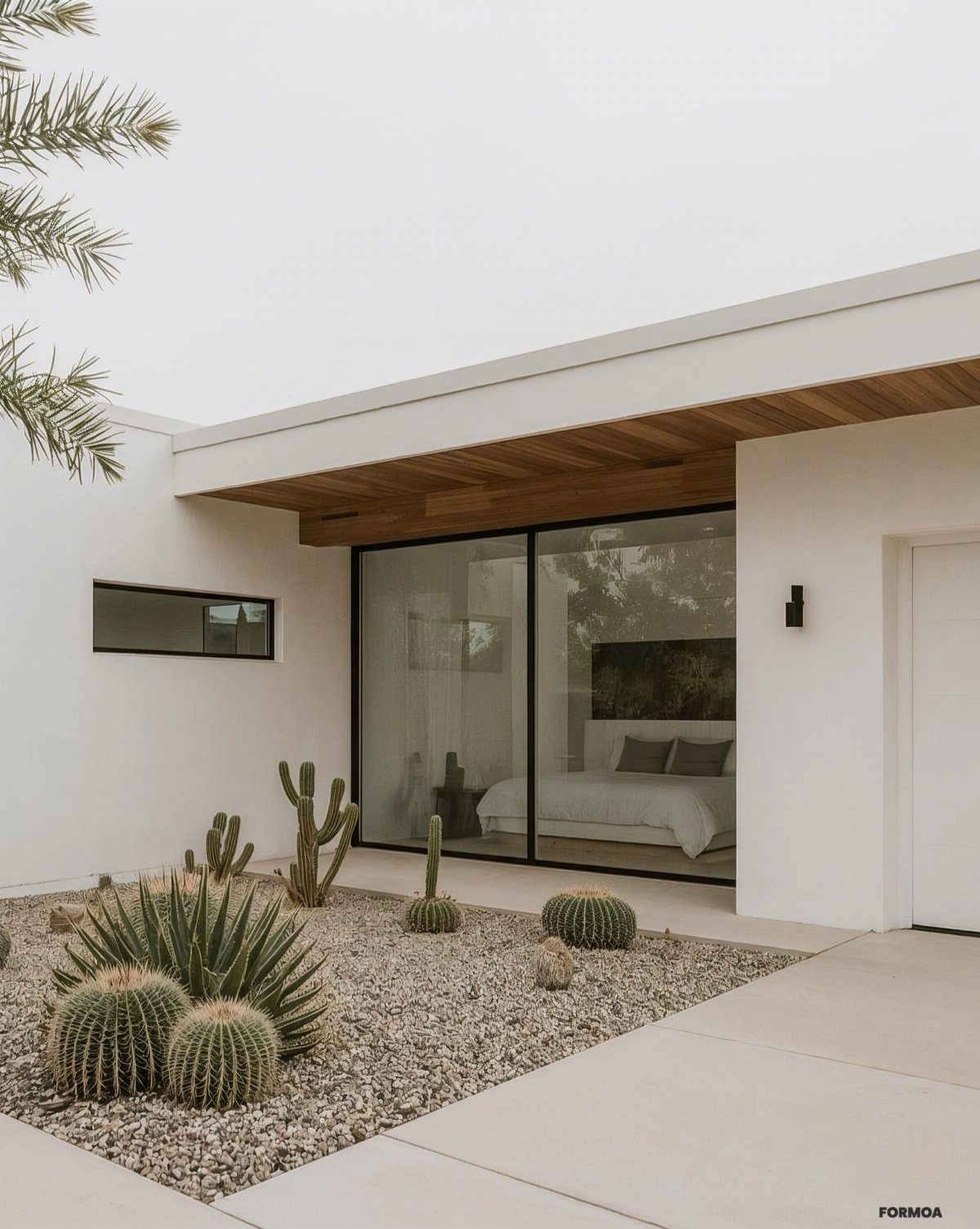
Crushed gravel is the desert’s default ground plane for a reason: it percolates monsoon rain, reflects heat upward into plants that like it, and costs less per ton delivered than you’d expect.
A light tone stays cooler than darker decomposed granite, which matters if you walk on it in July.
Barrel cacti and columnar specimens sit proud of the gravel line on small mounds, extra soil that guarantees drainage.
I would order gravel at a compacted depth that handles foot traffic, deeper if vehicles cross it. Rake it annually; wind and feet migrate stone toward edges and low spots, and the refresh takes an hour, not a weekend.


🌱【100% Natural Stones 】Maifan stone is a natural silicate mineral, containing many trace elements, which can balance the pH value of the soil and help plants grow better.
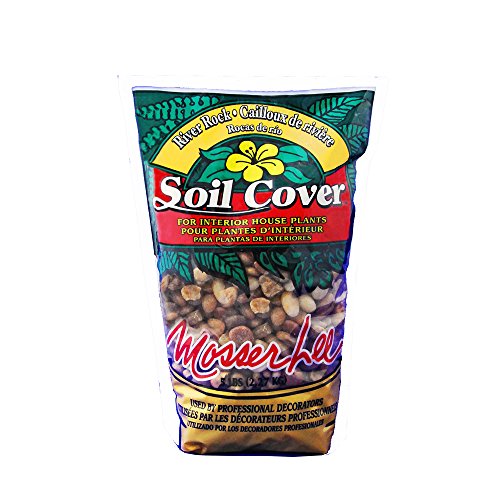
Covers soil of indoor and container plants.
4. Groundcovers, Mid-Height Shrubs, and Tall Structural Plants

Layered heights keep a flat yard from reading as a single plane. The recipe at work: purple groundcover hugging the walk, agave at rib height, saguaros and trees drawing the eye upward.
The metal planter with the address number is a smart move; it gives the mail carrier a landmark and buys you one sculptural piece that needs no water at all.
Saguaros are protected in Arizona; nursery-grown specimens small enough to transplant legally are available, but the price climbs fast with height. For most first-home budgets, I would spend on the structural plants last, after the groundcover and mid-layer are established.
A saguaro takes a decade to look like itself anyway; an ocotillo gives you vertical drama the first year for a tenth the cost.

Landscaping rock and stone is the perfect addition to any landscape, garden, potted plants, and more! Improve the overall look of your project with natural stone - Safe to...
5. Water Features
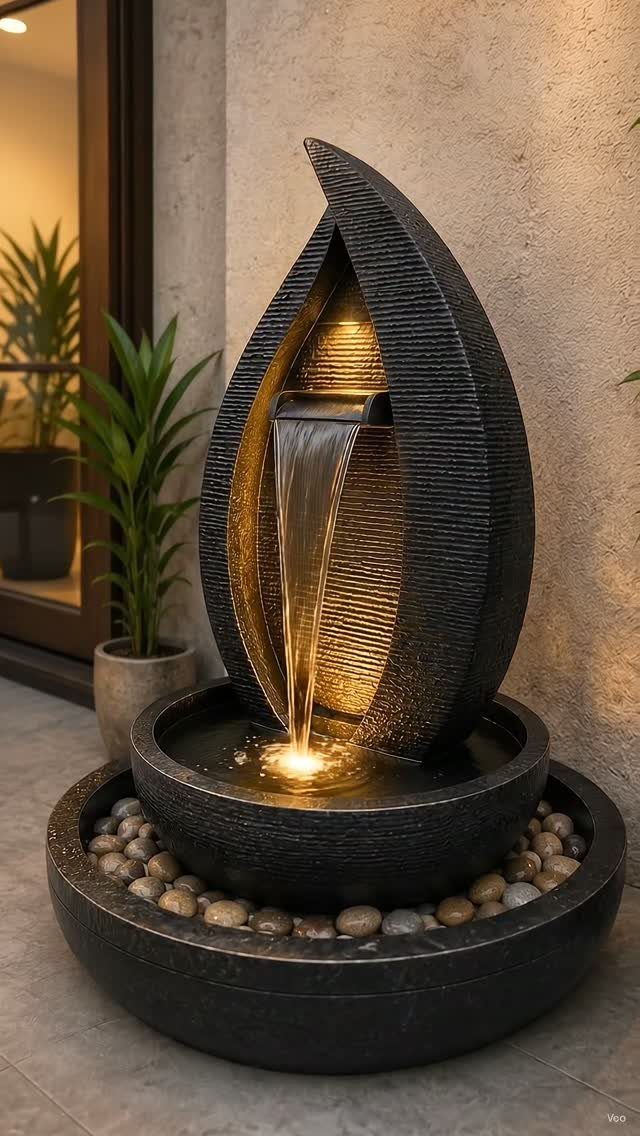
Running water in the desert reads as luxury because it is; evaporation here is measured in inches per week, not per month.
A small, recirculating fountain on a timer keeps the waste bounded. The warm light inside the stone turns it into a lantern after dark, doing double duty.
A fountain this scale needs a 110-volt GFCI outlet within cord reach or buried conduit; burying is worth the extra hour. I would place it where I sit, not where I walk past.
The sound drops off faster than you think, and a water feature you cannot hear from your chair is just a maintenance chore. Winterize it if you get hard freezes; even in Phoenix, a January night can crack a basin.

G4 low voltage bollard path lights - These LL LIGHTING LIVING brown bollard path lights are made for 12V low voltage outdoor lighting systems and bring 2700K warm white illumination to walkways, garden edges, patios, yards and lawn borders

【12v Led Pathway Lights】 Size: 17.71" X 2.56"(Including stake height), Upgrade your outdoor space with our 12V LED Landscape Lights. Emitting 2700K warm white light at 500 Lumens, these lights use a transparent glass lampshade and reflective cone design, ensuring you have light in the dark.

Non-Glaring Lampshade: The lampshade with unique mist surface treatment, Non-Glaring effect is better to mark your pathway and make your lawn, garden, yard or patio looks noble and elegant.
6. Outdoor Lighting
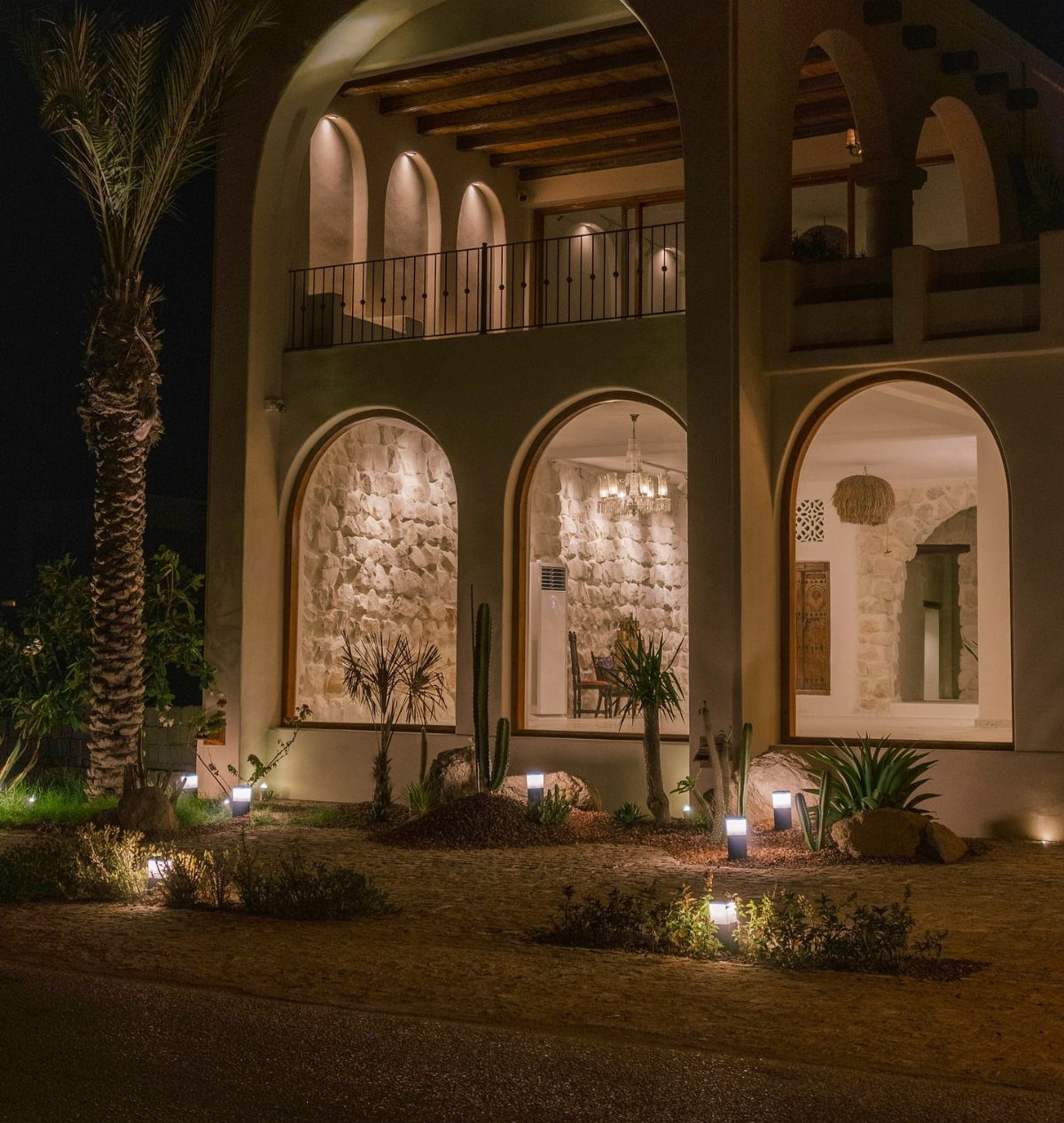
Bollard lights at knee height do one job well: they keep you from stepping on a cactus you did not see.
Spaced along a gravel path, casting pools of light that let your eyes stay dark-adapted. That is the trick for desert nights; a floodlit yard looks like a parking lot and erases the stars.
Low-voltage LED kits are mid-range in price and the transformer plugs into a standard outlet. I would buy the warmest color temperature available, 2700K or below; cooler light turns gravel lunar and makes green plants read gray.
Solar bollards are cheaper and simpler, but their output fades late on winter evenings. If you are out there after dinner, wire them.

NATURAL 1.5" RIVER ROCK – Naturally rounded river stones approximately 1.5 inches in size with beautiful earth-tone shades of brown, tan, beige, cream and gray for an authentic natural stone appearance.

Precision Plant Care: Specifically designed for succulents and cacti, these natural pebbles ensure optimal soil drainage and aeration, preventing root rot and promoting healthier growth in your delicate plants.

EXTREMELY VERSATILE. Decomposed granite can be used in a variety of projects, such as paths, driveways, patios, and many more projects.
7. Succulent Wall Feature

A vertical planter turns a blank patio wall into living texture without surrendering floor space to pots. Slatted wood tiers hold shallow-rooted succulents well; sedum, echeveria, and trailing string-of-pearls handle the lean soil and intermittent water this setup gives them.
I would line each pocket with landscape fabric to keep the planting mix from washing through the slats during hard rain. Drip irrigation threaded behind the slats beats hand-watering; a single emitter per tier is enough.
The wood needs to be sealed or it will gray and check within 2 seasons; I would use a penetrating oil, not a film finish that peels.

NATURAL 2–4 INCH RIVER ROCK – Smokey Mountain river stones approximately 2–4 inches with rounded and irregular shapes and warm tan, brown, cream and varied earth tones.

LARGE 2–3" ALABAMA SUNSET – Naturally rounded river stones approximately 2–3 inches in size featuring a beautiful blend of cream, tan, gold, brown, gray and other natural color variations.

1.5 INCH RIVER ROCK – Natural South Fork river stones approximately 1.5 inches with rounded and irregular shapes and an attractive blend of brown, tan, gray and natural earth tones.
8. Agave, Cacti, and Desert Perennials
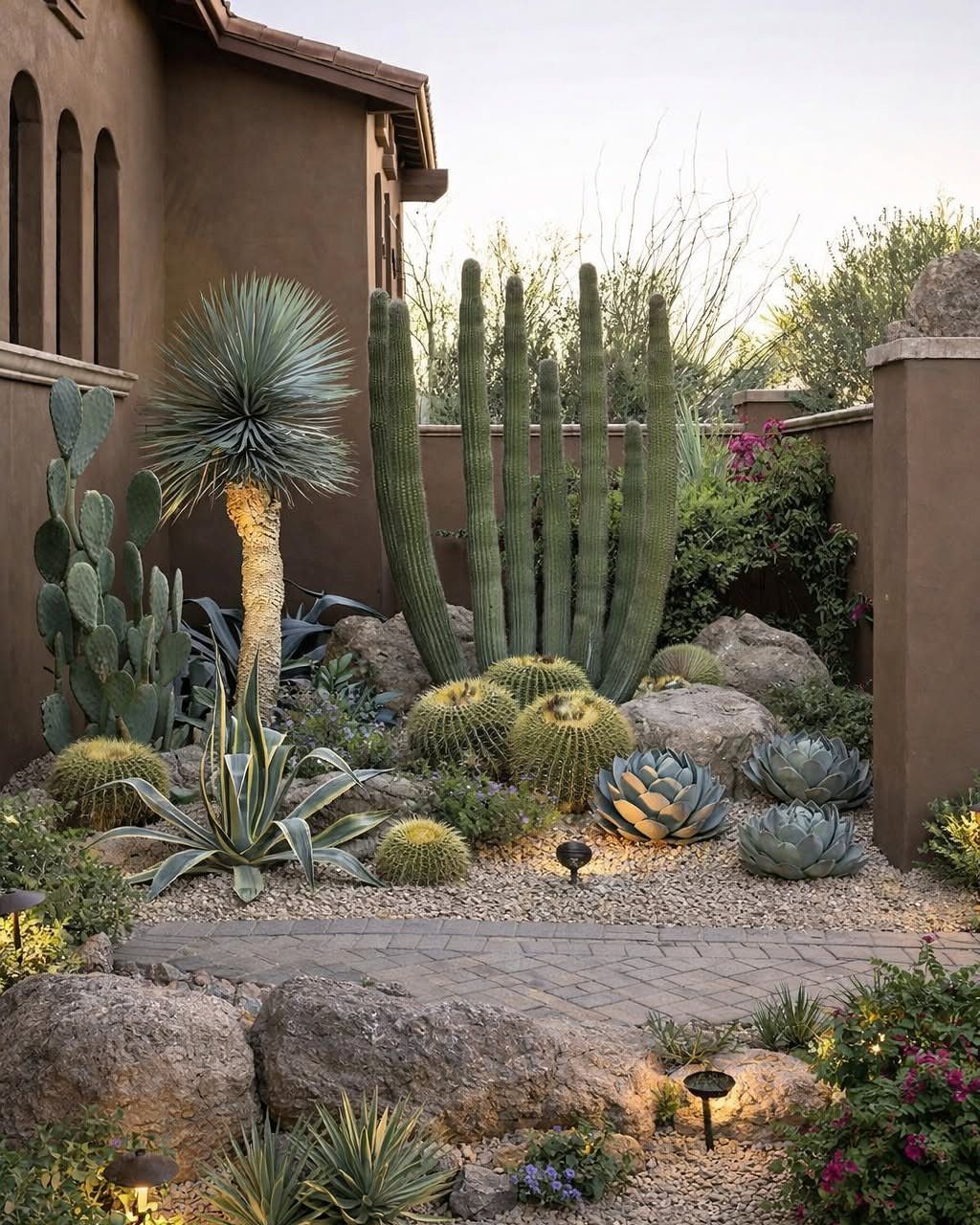
Desert plants like organ pipe cactus, golden barrel, and agave carry a composition without any soft foliage at all. The ribbed columns and radial spines give you architecture that never needs pruning.
These are slow growers bought at size, not raised from seed. Barrel cactus is the budget-friendly anchor of a desert bed; organ pipe, being columnar and less common, costs more per foot of height.
I would plant in spring so roots establish during active growth, and I would wear welders’ gloves; the spines go through leather garden gloves like paper. A yucca adds a trunk where everything else hugs the ground; one is enough.

Stepping Stone - Spoontiques’ stepping stones and decorative plaques are a lovely way to brighten up your indoor or outdoor space.

WITH GROUND STAKES: Each round step stone measures 39.9cm in diameter and comes with six ground stakes to secure to the bottom. Each stake is 9.5cm long and when installed correctly they provide extra stability and help prevent movement, no shifting.

Coastal Shell Design: Add seaside charm to your outdoor space with this shell-pattern garden stepping stone. Designed to elevate garden paths, walkways, patios, and yard displays, this decorative round accent brings a relaxed coastal feel to flower beds, entry areas, and backyard landscaping.
9. Dry Creek Beds
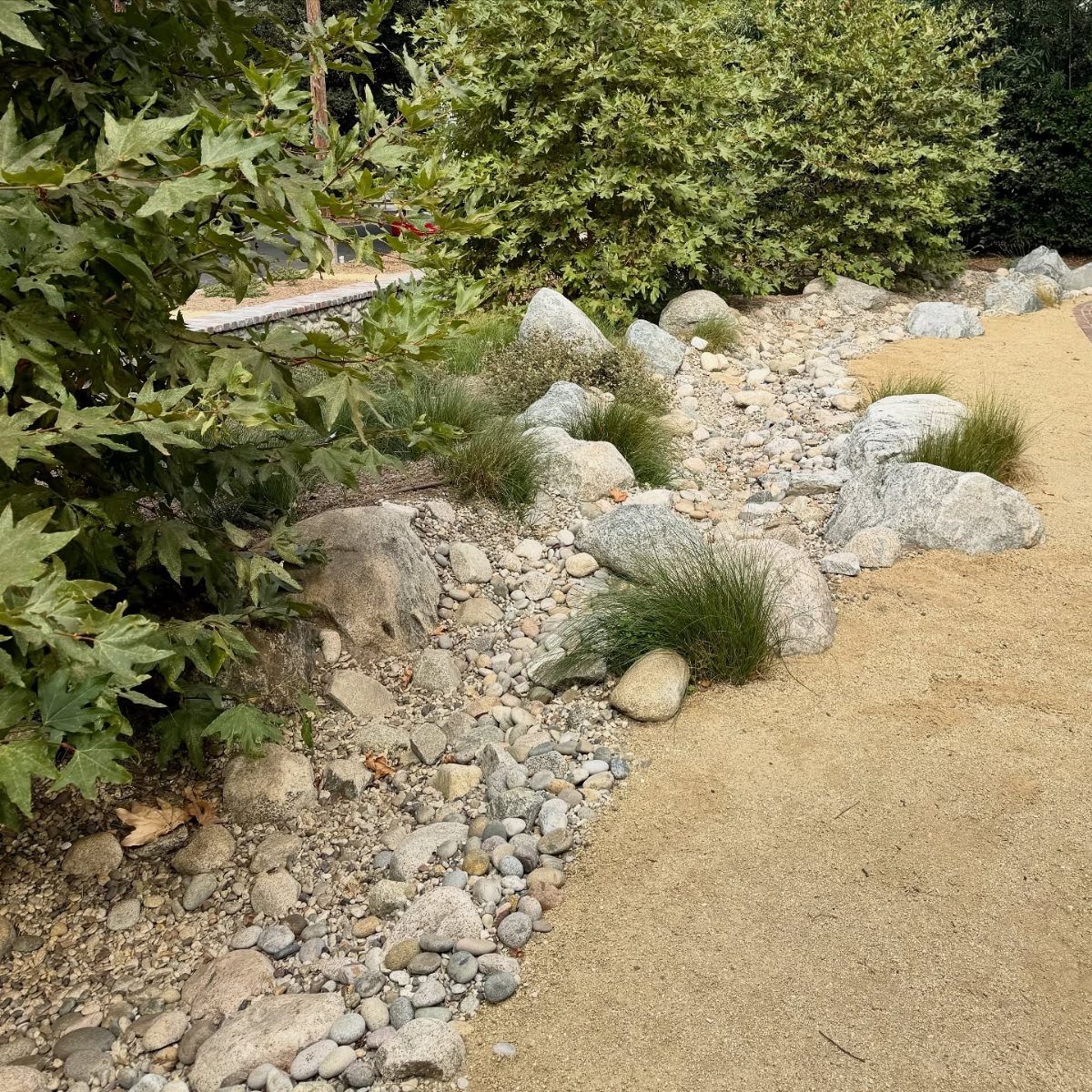
A dry creek bed carries storm runoff across the yard and gives it somewhere to sink in, turning a gully-washer into an asset.
A winding dry creek bed follows the natural fall of the land; forcing a curve uphill looks theatrical and traps water where you do not want it.
River rock on the bottom, boulders at the bends, and gravel fill between them make the channel read as real geology.
I would dig the bed below grade and slope it toward a basin or the street; standing water breeds mosquitoes even in desert heat. Ornamental grasses at the edges soften the stone without blocking the flow.
10. Synthetic Grass Artificial Turf

Synthetic turf next to a pergola gives kids a clean surface that stays green through August when Bermuda goes brown.
The pavers set into it keep the plastic from reading as a carpet; they break up the sheen and give you a path that does not crush the fibers.
I would check infill depth; too little and the blades mat, too much and it holds heat.
Quality turf runs higher than most ground covers but saves every weekend of mowing and watering; get a sample before you buy, since the cheap stuff looks plastic in full sun.
The perimeter needs a bender board or concrete mow strip to keep edges from lifting. I would hose it down monthly; dust and pollen settle in and the vacuum effect of desert wind does not clean it.

Authentic 10W Halogen Glow: Enjoy the classic, warm 2700K radiance that only true halogen technology can provide. Unlike LEDs that can sometimes feel cold or synthetic, our 10W halogen bulbs deliver a high CRI for vibrant, natural colors in your garden, creating a cozy and upscale nighttime ambiance

12V Low Voltage Bollard Path Lights - These GOLDEN STAR bollard path lights are made for 12V AC low voltage outdoor lighting systems and bring warm 2700K illumination to sidewalks, walkways, garden edges, patios and yard borders.

Die-Cast Aluminum & Real Glass: Crafted with durable die-cast aluminum and glass shades. Ensuring a premium look and consistent light output, keeping long-lasting performance in your garden or pathway
11. Fire Pit with Surrounding Gravel

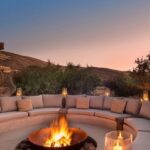
A concrete fire pit on gravel turns a patio into a room after sundown, and the surrounding stone keeps embers from finding anything that burns.
A rectangular fire pit echoes a house’s clean lines; a round pit reads softer and suits a more casual space.
Burning wood in built-up areas is increasingly restricted; I would check local ordinances before pouring.
A gas line, if you have one to extend, gives you instant flame and no smoke, but the install involves trenching and permits that add up fast.
Propane tank versions are portable and cheaper, and the tank hides in the pit base. I would place seating close enough for warmth but far enough that a stumble does not land in the fire.
Maintaining a Modern Aesthetic
Restraint keeps a modern desert landscape from sliding into chaos. Any leaf or stem that interrupts the line has to come off; the clean profile falls apart otherwise.
Gravel or crushed rock mulch needs raking to keep the surface even. Containers get wiped clean; dust film mutes their impact faster than you think.
The hardest part is leaving space empty.
Resist the urge to plug every gap with a new plant; the bare soil between them is doing visual work too. A few seasonal touch-ups, done when you notice the clutter, hold the look year-round without a dedicated weekend.
Choosing the Right Materials
Hardscaping material makes or breaks whether a desert yard reads warm or industrial.
I would stick to concrete slabs, smooth pavers, powder-coated metal edging, or crushed granite. These ground the eye and let the planting stay the event.
Warm tones matter. Charcoal gravel against a large square patio frames agave or barrel cactus like a deliberate composition; cool gray concrete without that warmth can read as parking-lot leftover.
Powder-coated metal edging in a dark neutral keeps the gravel bed crisp without introducing a color fight.
I would get samples in afternoon sun before ordering.
Desert light is unforgiving, and a tone that reads sand in the yard can turn pink on the pallet. The natural environment sets the palette; mimic it rather than contrast against it.
Planning for Accessibility
Accessibility belongs in the first sketch, not retrofitted after the gravel is down.
A curved path laid with flush pavers, no lip between stones, rolls a wheelchair or a walker without catching either. The transition from patio to path should be flush; even a half-inch catches a toe or a caster.
I would plan seating areas with the same logic.
Firm, level ground under chairs and benches, not soft gravel that shifts and tilts. The fire pit perimeter needs stable footing within reach of the warmth; a stumble on loose stone ends badly.
Path width matters for passing.
I would mark it out with hoses before cutting anything, and walk it myself at the pace of someone unsteady. What feels generous in plan reads right in use.
Frequently Asked Questions
What types of trees grow in desert environments?
Desert willow, mesquite, and palo verde all handle the heat and drought. Palo verde is the classic choice; it photosynthesizes through its bark when it drops leaves in dry spells, and the green trunk reads as sculpture even in dormancy.
I would plant any desert tree in fall so the root system gets a cool season to establish before the first summer stress.
What are the key elements of a landscape?
Plants, hardscaping, and water features are the 3 anchors, but the real work is in how they relate.
Varying heights do the work of making a yard feel finished: something low and spreading at ground level, shrubs that hit around waist or chest height, and one or two taller accents that pull the gaze up so the eye travels instead of resting flat.
Hardscaping gives the yard its bones and turns scattered gravel into something intentional, while water features do double duty as sound and light after dark.
What is the landscape like in the desert?
A well-done desert landscape reads warm and intentional, not barren. The natural palette is gravel ground plane, boulder anchors, and plants in pockets of sharp drainage.
The fix for the typical gravel-and-random-cactus failure is composition first: focal points, defined spaces, and color contrast delivered by plants and materials that also happen to save water.
Mimic the environment rather than contrast against it, and leave empty space doing visual work between elements.
What type of gravel is best for desert landscaping?
Light-toned crushed gravel is the default for a reason: it percolates monsoon rain, reflects heat upward into plants that want it, and stays cooler underfoot in July than darker decomposed granite.
I would worry less about matching a specific swatch and more about whether the tone carries warmth; a near-black gravel can set off an agave like a frame, but a flat cool gray tends to look like it was left over from a commercial lot.