I’ve watched a $180 pop-up turn into twisted steel at Bonnaroo because I skipped the basics. Here’s what you’ll actually spend:
$100–$300 gets you entry-level steel frames with 150–200 denier fabric that handles light wind for a season or two.
$300–$600 buys wind-tested gear with reinforced corners and 40+ mph ratings.
$600–$1,200 delivers custom canvas built to last a decade.
Additionally, that $10 pack of heavy-duty spiral stakes (angled 45 degrees at all eight points) is crucial for stability.
There’s one more price range worth knowing about.
Can a $50 Canopy Actually Survive a Festival?
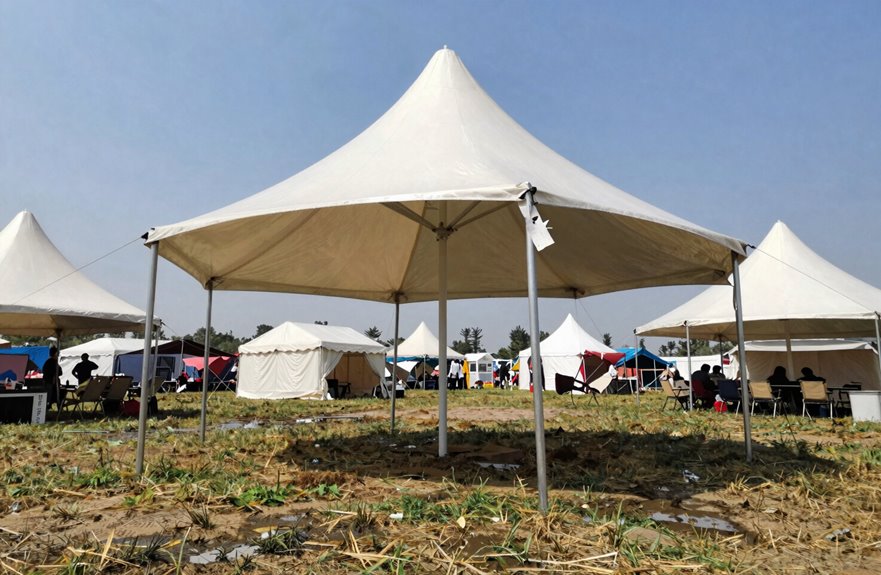
How much canopy do you actually need to survive a weekend in the mud and madness? I’ve seen a $50 slant-leg budget canopy endure three festivals with major storms, while $300 canopies crumpled like paper. The difference isn’t in the canopy cost; it’s in the anchoring.
The Real Secret
Ground stakes transform any festival canopy from a liability to a shelter. I learned this the hard way when my first “bargain” became a kite at Bonnaroo 2019. Proper storm protection demands:
- Angle your stakes at 45 degrees, pointing away from your canopy.
- Use all eight attachment points, not just the corners.
- Add guy lines when winds exceed 15 mph.
A budget canopy with serious anchoring outperforms expensive setups with lazy staking. Tarps can help, but they serve as backups, not the main solution.
The $10 Fix That Matters More Than Price
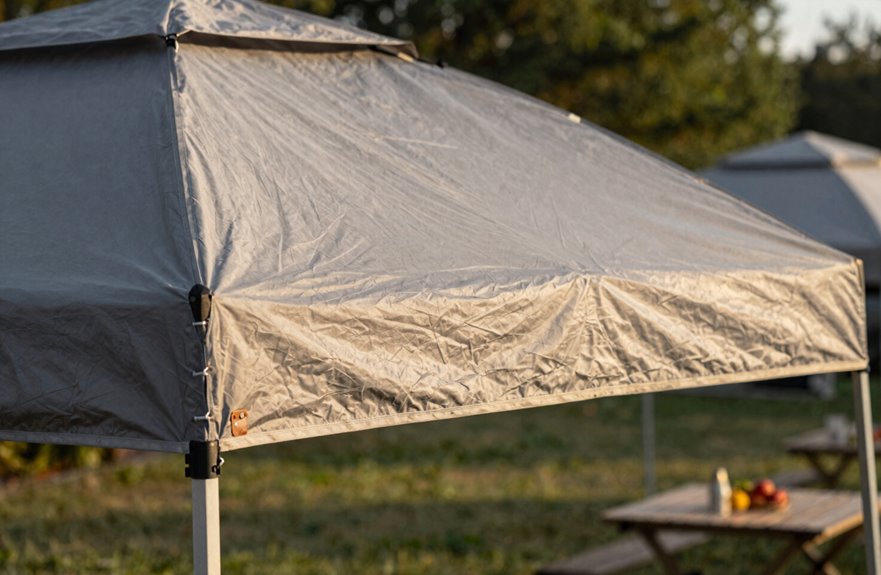
Why do I keep focusing on stakes when you asked about canopy prices? I’ve seen too many “deals” end up in the neighbor’s yard.
The reality is that ground stakes are more important than your canopy cost. I’ve learned this the hard way—twice.
The $10 Fix That Saves Everything
- Buy heavy-duty ground stakes (10 inches minimum, spiral-style preferred).
- Angle them 45 degrees away from your canopy legs.
- Use ratchet straps instead of the flimsy tie-downs that come in the bag.
Even budget canopies can withstand storms with proper anchoring. I’ve seen $80 setups outlast $400 ones because someone prioritized weather durability. To block sideways spray, tuck that extra tarp under your roofline.
Stop focusing on frame thickness. Shift your attention to what is anchoring your canopy.
100–$300: Where Steel Frames and Waterproofing Start
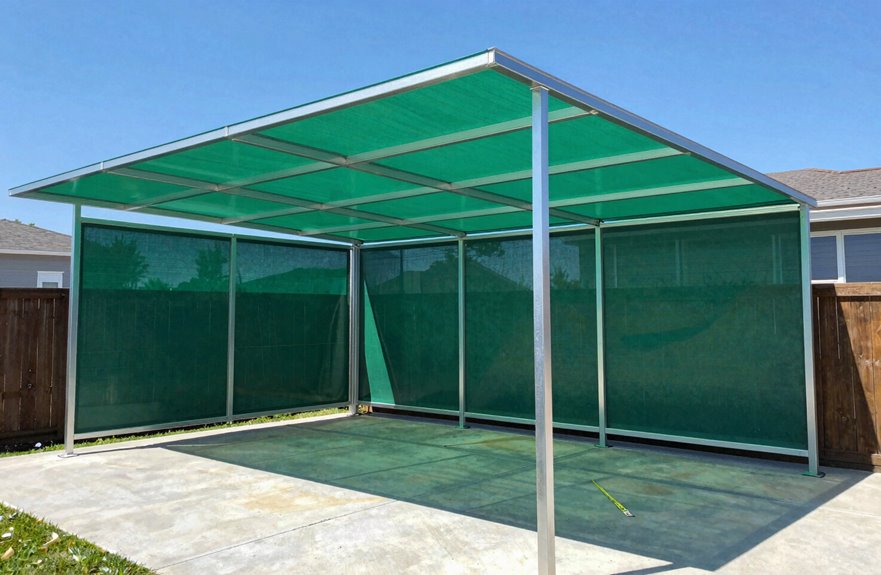
- Basic steel frames (usually 1-inch tubing) that handle light wind but won’t survive a storm.
- Standard waterproofing that beads water for a season or two before coating wears thin.
- Thinner fabric, often 150-200 denier polyester, is lighter but less tear-resistant.
Entry-level canopy models in this budget canopy tier trade longevity for affordability. My first $180 pop-up lasted three beach trips before the frame bent. For occasional tailgates or backyard parties, this price range offers solid value without straining your finances.
300–$600: Canopies Built for 40+ MPH Winds
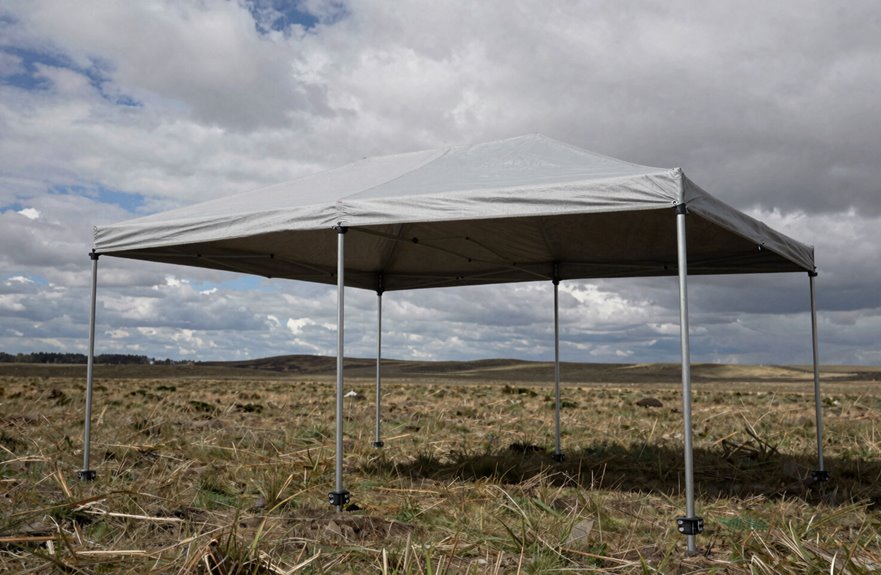
Three hundred to six hundred dollars is where canopies stop being disposable and start becoming gear you can actually trust when the weather turns nasty.
Between $300 and $600, canopies evolve from throwaway shelter to weather-tested gear you can stake your trust on.
Canopy wind resistance is not just marketing fluff; it is what keeps your setup from becoming a projectile. In this range, you’re getting wind-rated canopy designs with sturdy frames, usually made of steel or reinforced aluminum, and staking options that actually hold.
Look for these features:
- High-wind canopy materials—thicker fabric, reinforced corners
- Improved leg design and stronger connectors
- Optional sidewalls for extra stability
I once bought a “wind-resistant” model without checking the staking options. This was a mistake. Even quality canopies need proper anchoring—ground stakes, weights, or both—to achieve real wind performance. Compare frame materials carefully.
600–$1,200: Custom Prints and Decade-Long Durability
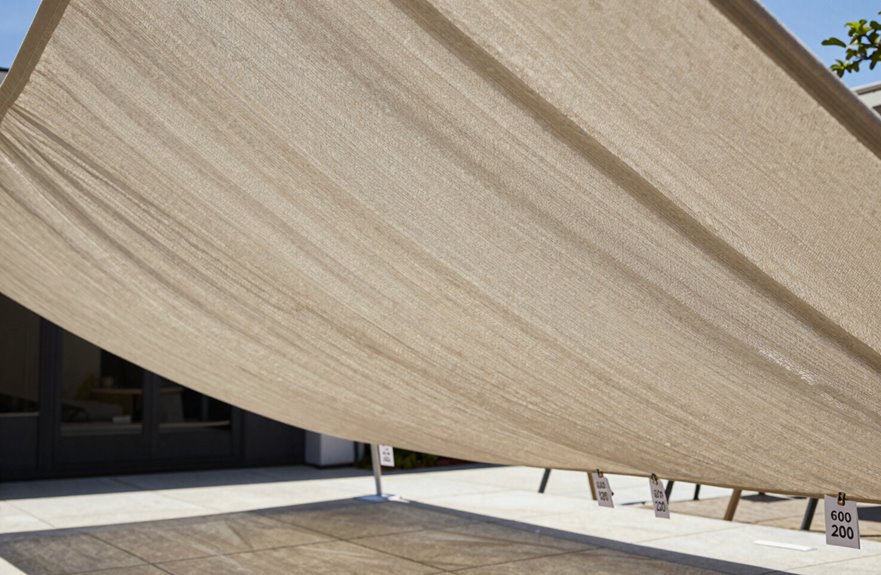
Where does a canopy transition from basic equipment to a representation of your brand for years? This occurs in the $600–$1,200 price range, where custom canopies become genuine investment pieces.
This tier offers canvas construction designed to last a decade, rather than just a season. The durability you pay for pays off through countless events.
Here’s what influences your final price:
- Printing method: Dye sublimation is more expensive than digital printing, but it ensures colors remain vibrant in rain and sun; cheaper prints often fade within a single summer.
- Design complexity: Some suppliers include basic design work, while others charge $50–$200 for detailed logos.
- Bundle strategy: Pairing your canopy with sidewalls or weight bags can reduce your per-item cost.
Expect a total of 10–12 days from proof approval to delivery.