
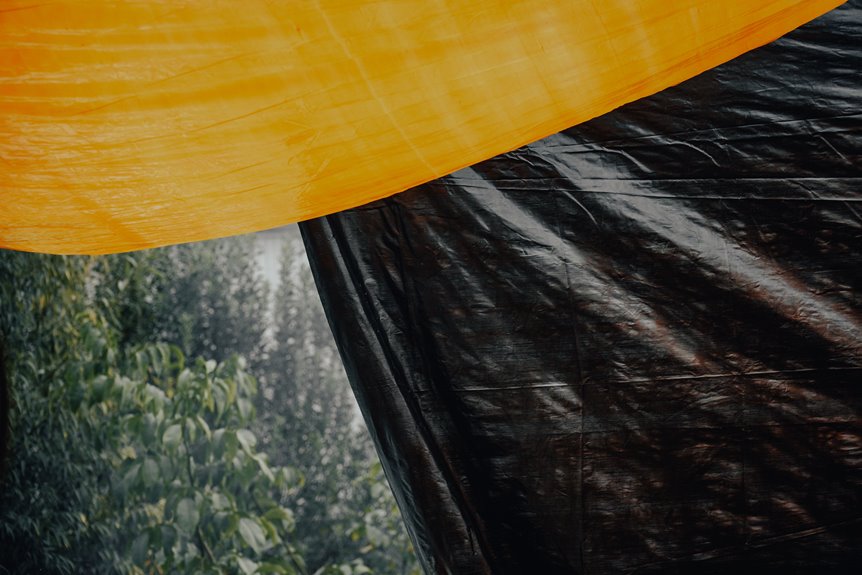
I’ve learned tomatoes need 30–50% shade cloth, not the 60% that stunted my plants or black mesh that cooked them from below. For most growers, white, pearl, or aluminet (the reflective silver material) performs better than black by 3–7°C at the same density. Cherry tomatoes prefer lighter 30–35% shade, while beefsteaks and heirlooms require 40–50% when temperatures are high. Deploy the shade cloth when temperatures reach 85°F (29°C), usually by mid-morning, and remove it late afternoon to prevent ripening from stalling. I’ve experienced cracking in beefsteaks at 104°F even with 30% shade, so it is important to monitor conditions closely. Proper shading involves more than simply placing cloth overhead.
What Shade Cloth Percentage Do Tomatoes Need?

How much shade do tomatoes actually need? Getting the shade cloth percentage wrong can significantly affect tomato yield.
Aim for 30–35% in mild conditions, but increase to 40–50% when high temperatures exceed 32°C (90°F). During a heatwave, I stuck with 30% and saw my plants struggle.
The cooling effect is significant. White shade cloth at 35–40% can lower canopy temperature by 3–7°C, more effectively than black cloth at the same shading levels. This temperature difference helps flowers set fruit instead of dropping.
Apply your shade when daytime temperatures reach 29°C (85°F), adjusting for cloud cover. Exceeding 50% can shrink leaves, shorten stems, and starve roots; I have tested those limits.
Do Cherry or Beefsteak Tomatoes Need Different Shade?
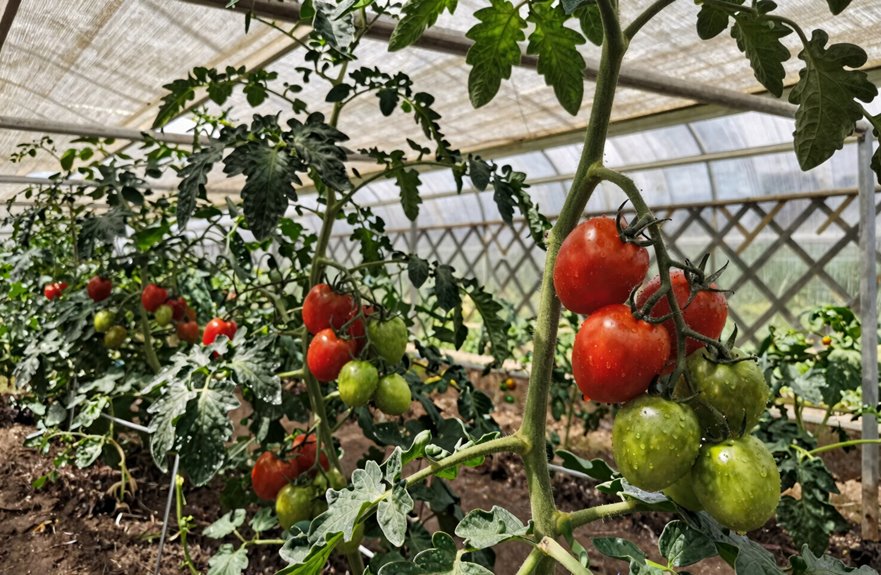
Why do cherry and beefsteak tomatoes require different shade strategies?
Cherry vs beefsteak: know your tomato
Cherry tomatoes need lighter shade cloth—about 30–35%—to maintain their sugar content. Using 50% shade on my cherries resulted in a disappointing taste. Beefsteak and heirloom varieties prefer 40–50% shade during hot weather to prevent cracking and sunburn.
Temperature shading requirements
Here are my observations:
- At 40°C (104°F), 30% shade still causes cracking in beefsteaks, so do not underestimate this.
- Cherries require lighter shading early in the season.
- Beefsteaks need stronger shade during peak heat.
Prioritize matching your shade cloth to the variety, then consider your climate. When done correctly, your tomato yield will improve significantly.
Which Shade Percentage Fits Your Climate?

I learned the hard way that picking the right shade percentage isn’t just about how hot it gets; it’s about matching your climate’s intensity to your tomato variety’s needs. When daytime highs push past 32°C (90°F), I use 40–50% shade for my beefsteaks and heirlooms; I drop to 30–35% for cherries or during milder early-season stretches. It’s a balancing act I’ve messed up before: too little shade causes your plants to fry, while too much delays ripe fruit and diminishes flavor.
Hot Climate Thresholds
In brutal heat zones, I reach for 40–50% density; this range is essential for your setup:
- Sunscald prevention: Thicker weave blocks intense rays that blister fruit shoulders.
- Temperature reduction: Research shows 30–50% shade drops air temps by 5–8°F (3–4.5°C), which helps prevent blossom drop.
- Yield protection: Less cracking leads to more marketable tomatoes when the mercury spikes.
I learned the hard way that black cloth cooked my plants from below. Now I use white or pearl blends that reflect heat while filtering light. Apply when highs reach 85°F, then peel back as the weather moderates. Your plants will benefit.
Mild Season Adjustments
So how do you know when to dial things back?
In a mild season, I learned that modesty is powerful. You don’t need heavy-duty protection; 30–35% shade cloth provides the right amount of temperature relief without blocking the sunlight your tomatoes need for sugar production and ripening.
My approach is straightforward:
- Watch the thermometer; I drape shade cloth when temps hit 85°F (29°C), not before.
- Pick white or pearl white; the reflectivity works better in cooler springs than black ever did.
- Stay under 40%; anything higher risks delaying harvests.
This lighter shade cloth helps prevent blossom drop and sunscald, lowering canopy temps by 3–7°C. I remove it on cloudy days as well; there’s no benefit in slowing growth when conditions are favorable.
Variety-Specific Matching
Why do the same shade rules fail so often? I’ve watched gardeners blame their “bad luck” when they matched the wrong shade level to their tomato varieties.
Cherry tomatoes prefer 30–35% shade, while beefsteak and heirlooms require 40–50% when peak temperatures exceed 32°C (90°F). I learned this after cooking my first Brandywine crop.
Quick Matching Guide:
- Check your local peak temperatures during flowering.
- Cherries: lighter shade (30–35%) preserves sugar.
- Beefsteaks/heirlooms: heavier shade (40–50%) prevents cracking and blossom drop.
- Adjust as temperatures shift.
Too much shade on cherries results in bland fruit. Too little on heirlooms can lead to failed fruit set. Match your shade level to your climate and variety to achieve the harvest you desire.
Will Shade Cloth Reduce Your Tomato Yield?
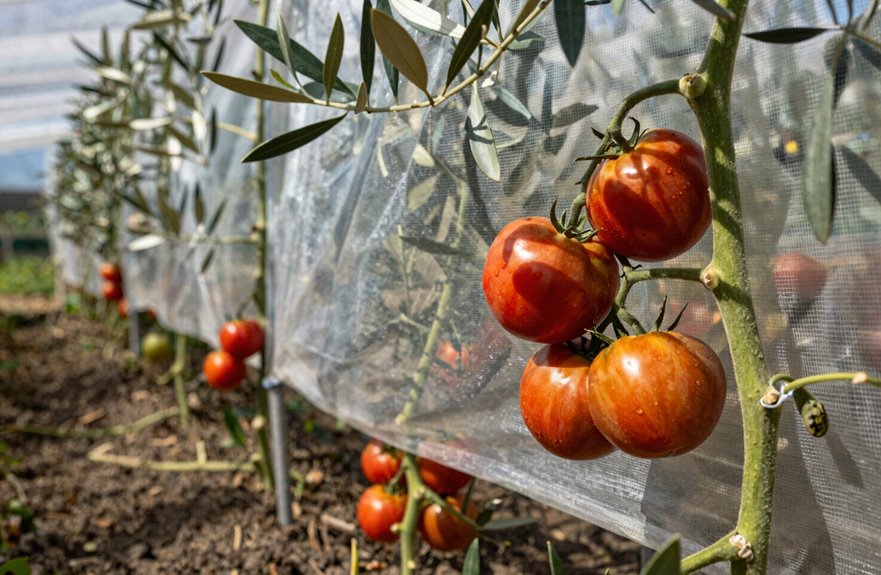
I’ve found that shade cloth isn’t just about blocking sun; it’s a balancing act between protecting your harvest and managing photosynthesis trade-offs that occur when light is reduced too much. Pay close attention to timing considerations, as leaving 30–40% shade during a cool spell can stall ripening and reduce your total yield at the end of the season. I once left mine up three days too long after a heatwave broke and noticed my cherries lag a full week behind the neighboring row. That was a valuable lesson.
Yield Protection Balance
shade cloth won’t automatically slash your harvest if you’re smart about it. I’ve seen moderate shading (30–40%) actually boost marketable yield by up to 35% in scorching conditions because it stops blossom drop and prevents sunscald. The sweet spot is a temperature reduction of 3–7°C without going overboard.
| Shade Level | Marketable Yield Impact | Best Use Case |
|---|---|---|
| 30–40% | Increases (up to 35%) | Hot climates, fruit-setting stage |
| 50%+ | Decreases after 3 weeks | Emergency heat waves only |
| White/pearl 35–40% | Best quality + yield | Peak summer, ripening period |
| Black 30–40% | Moderate improvement | Cooler regions, cost-conscious |
Timing is crucial. Shade during fruit-set and ripening, then pull it back. Your tomatoes will produce edible fruit rather than cracked casualties.
Photosynthesis Trade-offs
Here’s what actually works:
- Stay in the 30–40% range. This sweet spot protects fruit without significantly affecting photosynthesis.
- Pick white or pearl white; these colors cool plants with less disruption to photosynthesis than black.
- Try pearl white/red blends; studies show that 40% pearl plus 40% red reduces cracking and boosts marketable production.
In brutal heat, moderate shade cloth can improve yield quality by preventing blossom drop and sunscald. However, exceeding 50% shade will shrink leaves and starve your plants. I’ve made that mistake and learned that more shade isn’t always beneficial.
Timing Considerations
When should you throw that shade cloth over your tomatoes? Timing is crucial for optimal growth.
Apply shade when daytime heat reaches 85°F (29°C), particularly during the fruit-setting and ripening stages. Research indicates this can boost marketable yields by 15–30% when temperatures exceed 77°F (25°C). Leaving the shade cloth up all season can be counterproductive. Higher shade levels (40–50%) can delay ripening and reduce the sweetness of your tomatoes.
Here’s what works:
- Check your forecast and apply shade early in the morning before temperatures rise.
- Remove the shade cloth in the late afternoon to maximize light exposure.
- Skip shading during mild weather or cool nights, as it won’t help with temperature management.
Balancing protection with sunlight is essential for preventing yield losses associated with excessive shading.
How Does Shade Cloth Prevent Blossom Drop and Sunscald?
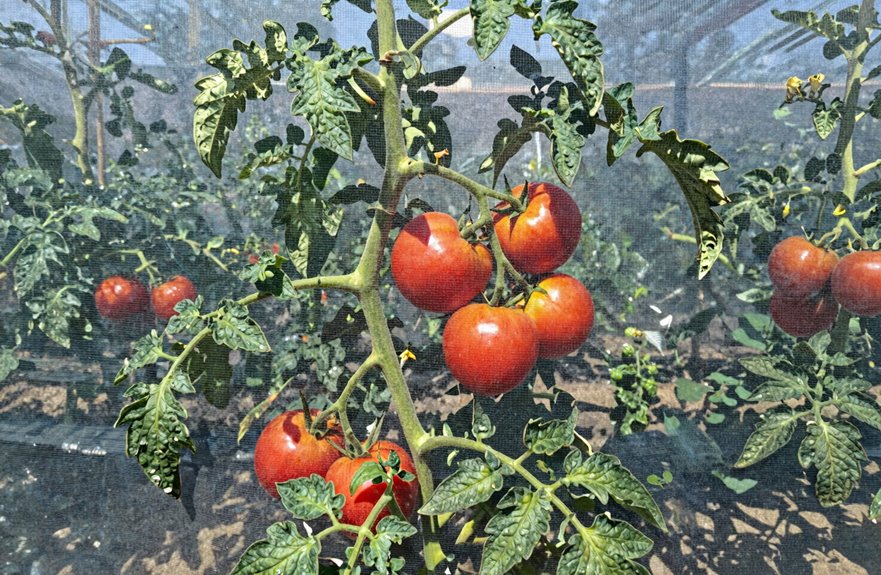
Why do my tomato flowers keep falling off before fruit forms? I’ve experienced the frustration of bare stems where fruit should be, and it’s often heat stress causing blossom drop. Shade cloth addresses this issue by lowering canopy temperature by 3–7°C, which helps keep flowers viable when daytime temperatures reach 32–35°C.
Tomatoes tend to abort blossoms when conditions are too hot and dry. Shade cloth reduces light intensity sufficiently to cool the environment without depriving the plants of necessary light. I prefer using 30–40% white or pearl white shade because it reflects heat more effectively than darker colors, which protects the pollen and allows for ongoing photosynthesis.
Additionally, the cloth slows down evapotranspiration, preventing blossoms from drying out. With reduced heat stress, there is an increase in marketable yields during peak summer months. Cooler flowers remain, and fruit sets more reliably.
When Should You Put Shade Cloth On?
So, how do you know when it’s time to pull out the shade cloth? I learned the hard way—waiting until my tomatoes were already wilting.
My Shade Cloth Timing Rules
- Hit the temperature threshold early. When daytime temps push past 85°F (29°C), especially in summer, I’m out there. That’s when fruit-set crashes and heat stress kicks in.
- Install by mid-morning (around 9 a.m.), then pull it off late afternoon as the sun weakens. This keeps my microclimate stable without overdoing it.
- Match your percentage: 40–50% for brutal heat, 30–35% for milder zones. I use white shade cloth at 35–40%. It delivers serious canopy temperature reduction, dropping it 3–7°C while bouncing light diffusely. No scorched leaves and no delayed ripening.
Get ahead of peak heat, and you can cut losses by up to 30%.
What Color Shade Cloth Cools Tomatoes Most?
How much does color really influence your efforts to keep tomatoes from cooking on the vine? It plays a significant role, and choosing the wrong shade cloth color can leave your plants struggling in the summer heat.
Here’s what I’ve figured out about shade cloth color and cooling effect:
| Shade Cloth Color | Heat Reduction | Best For |
|---|---|---|
| White shade cloth | 3–7°C cooler canopy | Hot climates, peak summer |
| Pearl white | Moderate cooling, quality balance | Balanced protection |
| Aluminet (reflective) | Maximum cooling | Extreme heat, priority on heat reduction |
White shade cloth reflects sunlight instead of absorbing it, which makes a noticeable difference. The 35–40% white cloth is my current choice. While Aluminet offers slightly better cooling, white shade cloth is more affordable and effective.
White or Black Shade Cloth: Which Cools Better?
When I first started growing tomatoes, I bought black shade cloth because it was widely available at the nursery. I soon learned that color significantly impacts cooling performance.
Why White Wins for Cooling
White shade cloth consistently outperforms black shade cloth for cooling by 3–7°C at the same shading level. The key factor is reflectivity; white cloth reflects sunlight away rather than absorbing it like black does. This reflectivity results in less heat buildup around your plants.
In hot climates, I now use 35–40% white shade cloth specifically for temperature reduction. While black cloth may perform differently in certain conditions, white cloth provides superior overall heat relief. Reflective options like white or aluminet stabilize microclimates better than plain black in high tunnels, effectively reducing heat load during critical periods.
Can Red Shade Cloth Improve Your Tomatoes’ Flavor?
I used to think shade cloth was just about keeping my tomatoes cool, but then I discovered something that transformed my understanding of color.
How Red Shade Cloth Works
Red shade cloth (around 40%) actually boosts lycopene—that antioxidant that enhances tomatoes’ flavor and appearance—by roughly 64.9 μg/g compared to unshaded fruit. Mediterranean growers effectively use this technique because red light stimulates spectral quality and photosynthesis simultaneously.
Finding Your Balance
For my cherry tomatoes, I use 30–35% shade. This provides enough heat protection without blocking excessive sunlight. In extreme heat, I layer red cloth with white or pearl underneath for optimal color development and cooling.
The result is deeper red fruit and no sunscald, leading to curious guests asking about my cultivation methods.
Is Your Shade Cloth Helping or Hurting?
I’ve learned the hard way that using any shade cloth haphazardly over my tomatoes can lead to poor results. If the cloth is too dark, I end up with bland, pale fruit in October; if it’s too light, I still deal with sunscalded shoulders in August. Getting the shade level right (30–40% for most hot climates, never exceeding 50%), selecting the proper color (white is better than black for cooling, while pearl white/red blends are ideal), and timing deployment precisely (when temperatures exceed 85°F, removing it later in the day) can determine success or disappointment. I will guide you through how I have aligned these three variables with my actual growing conditions.
Shade Level Selection
How do you know if your shade cloth is actually helping your tomatoes or affecting your harvest? I’ve learned this the hard way.
Finding Your Shade Level
- Start with 30–40% shade cloth for typical hot-climate growing.
- Bump to 40–50% during extreme heat waves.
This shade level provides real temperature reduction; I have seen my tunnel drop 5–8°F, which resulted in fewer sun protection emergencies and reduced Yellow Shouldering Disorder.
My Rookie Mistake
I once used 60% shade cloth, thinking more was better. My plants became leggy, ripening slowed, and the sugar content was flat. Excessive shading deprives tomatoes of the light necessary for photosynthesis.
When to Deploy
I put mine up when temperatures reach 85°F (29°C) and remove it later as light fades. Finding the right balance is crucial; protect the plants without blocking essential sunlight.
Color and Timing
Why does color impact gardening more than many realize? Shade cloth color directly affects your tomatoes’ health and harvest quality. White shade cloth at 35–40% drops canopy temperatures by 3–7°C better than black cloth, providing superior temperature protection without reducing light significantly.
Getting Timing Right
Timing is crucial. Here’s what works:
- Install shade when daytime temperatures reach 85°F (29°C).
- Remove it late afternoon to ensure proper ripening.
- Watch for extreme heat signals that require 40–50% coverage.
Over-shading can cause tomatoes to stall for weeks. White or pearl white shade cloth prevents sunscald, while proper timing avoids sluggish ripening and sugar loss. Balancing shade cloth color with smart timing can lead to successful summer harvests.
How to Build Shade Structures That Breathe
What happens when you trap heat under your tomatoes instead of shading them properly? I’ve cooked mine into mush, and you don’t want that. Breathable structures save your crop.
| Feature | Why It Matters |
|---|---|
| Open-frame pergola | Lets hot air escape upward |
| Vented roll-down sides | Adjusts for morning cool vs. afternoon scorch |
| 30–40% shade cloth | Blocks sun without suffocating plants |
| Modular shade system | Extends in July heat, retracts in September |
I build my high tunnel with lightweight, UV-stabilized white or aluminet fabric—40% works in brutal SoFlo summers. The key is airflow. I raise and lower panels daily, which takes two minutes, to match temperature swings. A modular shade means I’m not locked into one setup. My tomatoes stay cooler, I work smarter, and both benefit from better conditions.
Emergency Shade: Quick Ways to Deploy Cloth in Heat Waves
Sometimes the weather forecast is inaccurate, and I find myself scrambling at 10 a.m. with 95°F bearing down on plants that were fine yesterday afternoon. Heat waves require fast deployment, not perfect solutions.
Quick Setup Strategy
- Grab lightweight shade cloth—30–40% density, white or pearl white—to reflect heat and drop canopy temperature by 3–7°C without blocking too much light.
- Drape it over tomato cages, stakes, or hoops by 11 a.m., securing with clips or rocks. I remove it by 5 p.m. to keep ripening on track.
- Keep 40% aluminet handy; it’s my emergency backup that balances cooling with light transmission.
This rapid response protects tomato yield from blossom drop and sunscald when forecasts fail.
What Should You Ask Your Shade Cloth Supplier?
When shopping for shade cloth, I always start with two questions that can prevent future issues. First, I ask about the available shade percentages (30%, 35%, 40%, 50%) and whether they stock 40% aluminet or white options, as these can cool plants more effectively than black. Then, I inquire about UV stabilizers. I’ve learned that budget cloth with 1% or less deteriorates in three years, so I now require 2.5–3% in the HDPE resin for a lifespan of about a decade.
Shade Percentage Options
Why do so many growers end up with the wrong shade cloth? I’ve made that mistake too, guessing at shade percentages without asking suppliers the right questions. Here’s what I learned.
Start with the numbers. Tomatoes generally need 30–50% shade. I use 30–35% in mild or early-season climates, then switch to 40–50% during peak heat. Ask your supplier which percentages they stock in this range and how each performs under your region’s hottest temperatures.
Color matters more than I expected. White cloth, typically 35–40%, provides better temperature reduction than black; for instance, it can reduce canopy temperatures by 3–7°C compared to 1–4°C at the same shade level. I prefer 40% aluminet for keeping structure temperatures down, or 30% black when starting early. Always confirm the exact percentage rather than relying on the marketing name.
Get the data. Request specific temperature reduction numbers and any yield impact studies the supplier has conducted. Inquire about performance in high tunnels versus open-field settings, especially regarding sunscald, blossom drop, and fruit cracking in hot zones like Southern California. Ask for pre-production samples from the same batch as your bulk order and get details on UV stabilizer loading; I prefer HDPE resin at 2.5–3%, although budget options at ≤1% can suffice short-term. Verify color stability claims as some fade quickly, altering your effective shade percentage mid-season.
These questions are essential. I neglected them once, and it negatively impacted my tomatoes.
UV Stabilizer Details
I learned about UV stabilizers the hard way after watching a “40% shade” cloth turn into what looked like 20% by mid-July, with my tomatoes suffering while I wondered what went wrong. Now I ask suppliers three things before buying.
What to Request from Your Supplier
| What I Ask For | Why It Matters | What Good Looks Like |
|---|---|---|
| shade cloth UV stabilization percentage | Determines how long it’ll last in sun | 2.5–3% loading in HDPE resin (budget stuff’s ≤1%) |
| colorfastness testing results | Shows if it’ll fade and lose shade density | Documentation for your specific shade percentage |
| pre-production UV certificate | Proves the batch actually works | Certificate showing 1,000+ hours of cycle aging |
I also verify they use UV-stabilized yarns throughout, not just surface coating. I request samples from the same production batch and ask for tensile strength data after simulated outdoor exposure. This approach helps protect your harvest and your wallet.
UV Stabilizers and Mesh Grades: Reading the Specs
How can you determine if the shade cloth you’re purchasing will last or if it’s just going to deteriorate by your second growing season? I’ve learned that specifications are crucial.
Specifications separate lasting shade cloth from the kind that crumbles by your second season.
When comparing UV stabilizers, mesh grades, shading percentage, and HDPE resin, consider the following:
- Look for 2.5–3% UV stabilizer loading in professional-grade HDPE resin; budget options often have ≤1%. This is a red flag.
- Verify batch-to-batch color consistency to ensure uniform shading throughout the season.
- Match your shading percentage to your tomato variety and climate instead of opting for the cheapest option.
I once bought “stabilized” cloth that degraded in two years. Now, I check specifications first. Quality stabilization offers approximately 10 years of consistent performance, which justifies the higher initial cost.