
A shed exterior makeover can mean anything from a fresh coat of paint to a full green roof with layers of waterproof membrane and drainage mat, and the deciding factor is whether your shed is still storing tools or already becoming a room you walk into.
1. Paint Your Shed
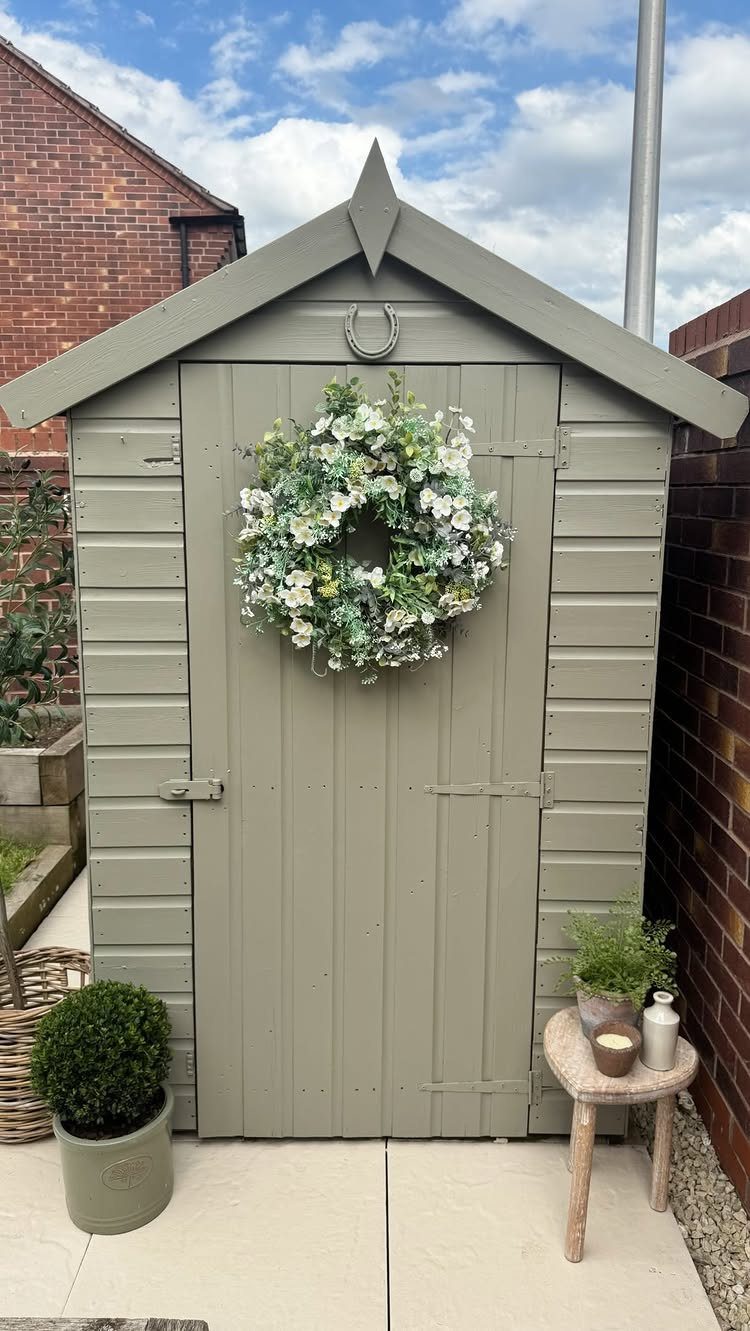
A fresh coat of paint is the fastest way to take a shed from forgotten to intentional.
The maker of the olive green example above skipped sanding and priming entirely and still covered the old surface in 2 coats, which tells me the product mattered more than the prep.
For a weekend job on a real budget, I would pick an exterior paint rated for bare wood and trim; the mid-range gallon is where I shop.
Lighter colors like sage or olive hide dust and blend with garden surroundings better than stark white, which shows every splatter and needs touching up twice as often.
Dark colors absorb heat and can warp thin boards over time, so I stick to mid-tones on anything that gets afternoon sun.

Why Choose Us: The barn door track is crafted from high-quality aluminum alloy with a black powder-coated finish, making it resistant to rust, moisture, and dust.Every track and roller is rigorously factory-tested and proven to withstand 100,000 open/close cycles — delivering smooth, quiet, and long-lasting performance.

450LB Max Capacity: Constructed with industrial-grade reinforced steel, our exterior sliding barn door hardware support doors weighing up to 450lbs (200kg), ideal for exterior sliding door

450LB Max Capacity: Constructed with industrial-grade reinforced steel, our exterior sliding barn door hardware support doors weighing up to 450lbs (200kg), ideal for exterior sliding door
2. The Backyard Pub
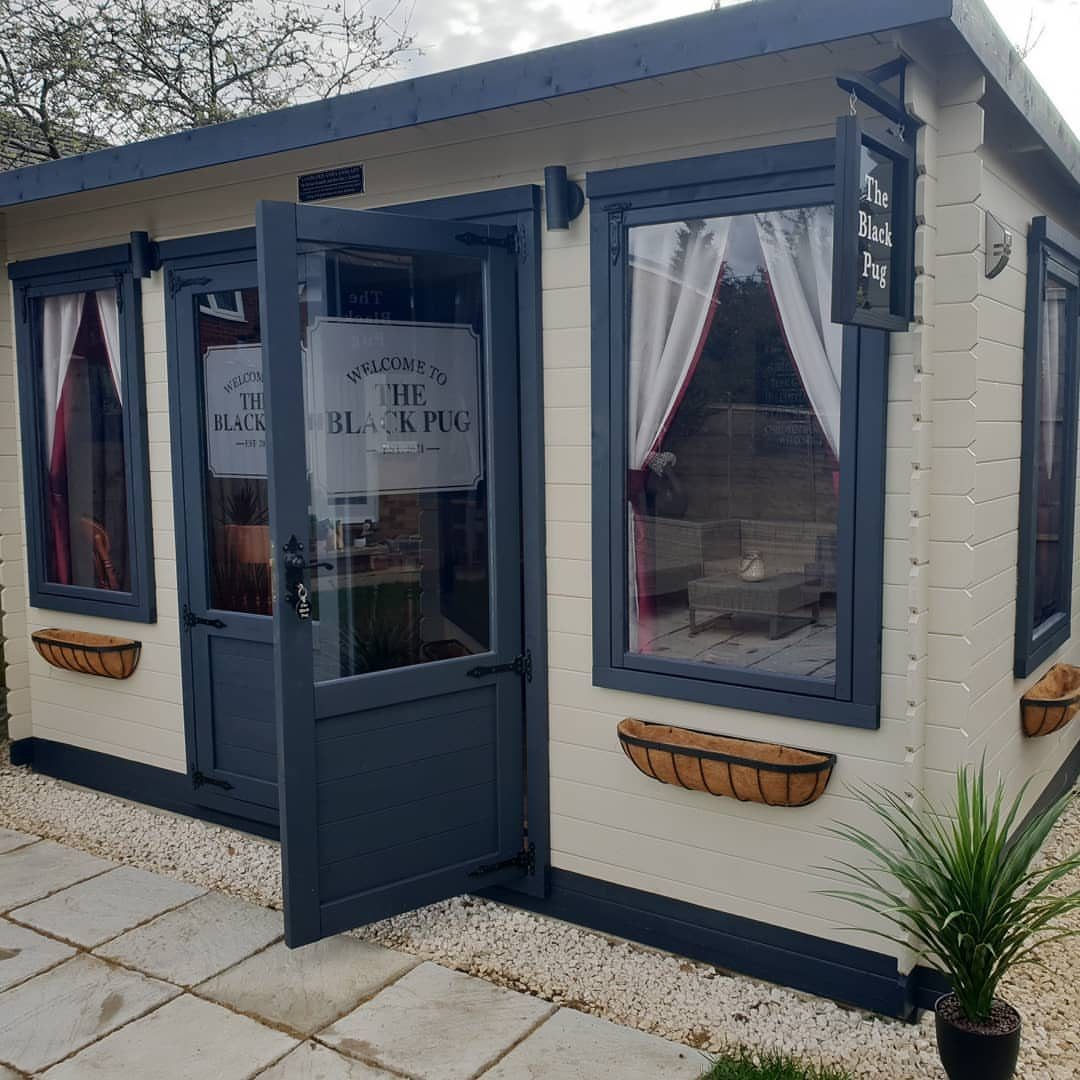
Converting a shed into a pub means committing to the fiction: a name on a sign, windows where there were none, and a landscape that sells the scene.
The cream and slate-blue example above sits on white gravel with stone pavers, which reads as intentional outdoor room rather than leftover structure.
I would skip the window if my shed walls are thin or my tool collection is basic, and paint a trompe l’oeil frame instead.
The gravel base is the easier half: a few bags from the hardware store, a few hours with a rake, and it drains better than bare dirt underfoot.

【Bright and Ventilated Design】The 10x14 FT outdoor storage shed has a front-opening door and a transparent window, which maximizes the brightness of the room and makes it convenient to access and organize items. 4 ventilation outlets facilitate air circulation and prevent the excessive humidity in the tool room from causing rust on metal tools.
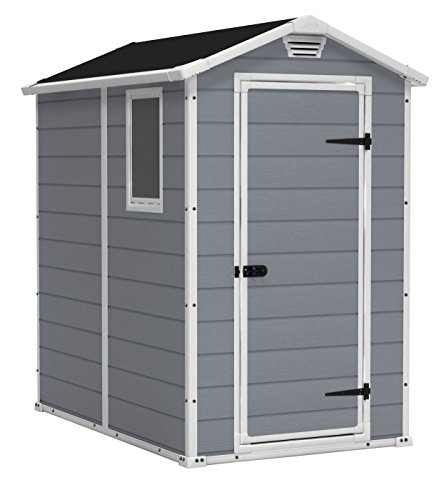
DIMENSIONS: Exterior: 51. 2 in. W x 75. 6 in. D x 78 in. H / Interior: 43. 7 in. W x 69. 7 in. D x 74. 8 in. H

3. Upgrade Your Shed Door
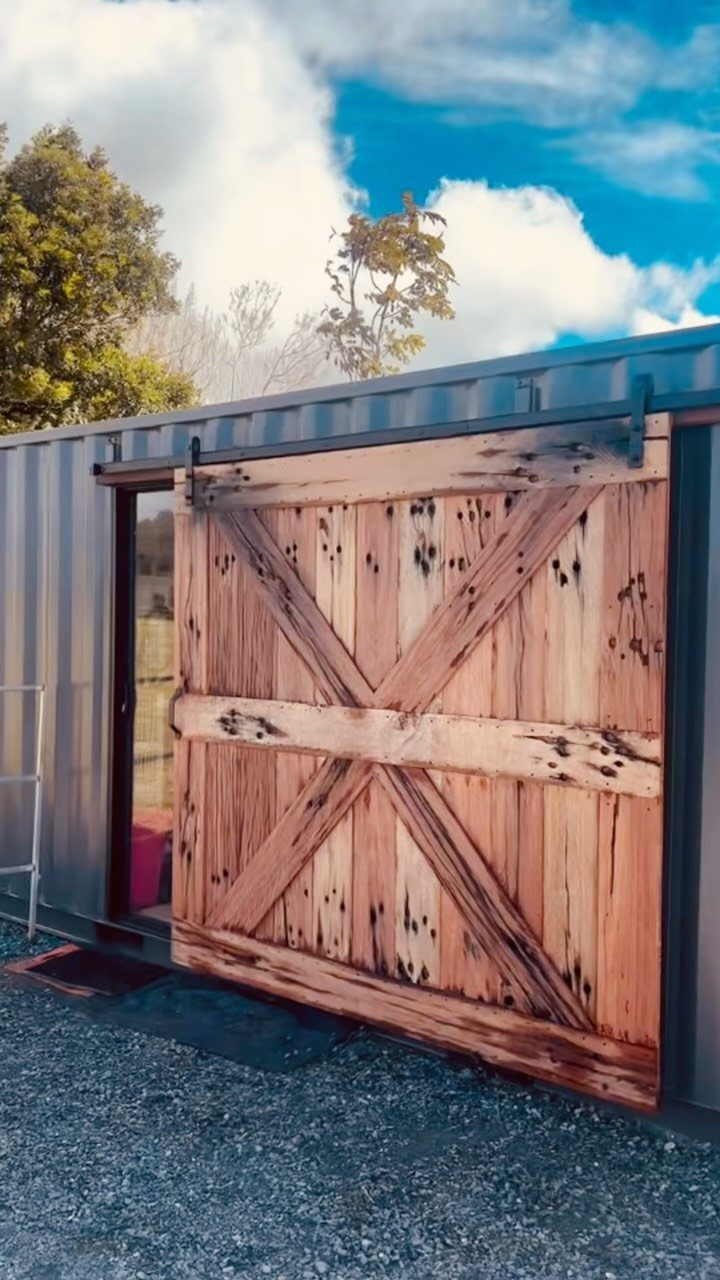
A sliding barn door on corrugated metal turns a storage box into something with personality. The visible hardware is what makes or breaks this look: exterior-rated track and hangers, not interior barn door kits that rust in one season.
I would measure my opening twice and order track wider than the door width so the panel clears the frame completely.
Rough-sawn and weathered wood forgives a hand-built frame; if I were building from new lumber, I would stain before assembly and let it gray naturally.
Weight is the limit here. A solid cedar door this size is heavy, and the track anchors need to hit studs, not just siding.

ELEVATE OUTDOOR STRUCTURES: Refresh barns, fences, sheds, and exterior surfaces with durable paint that delivers long-lasting color and protection.
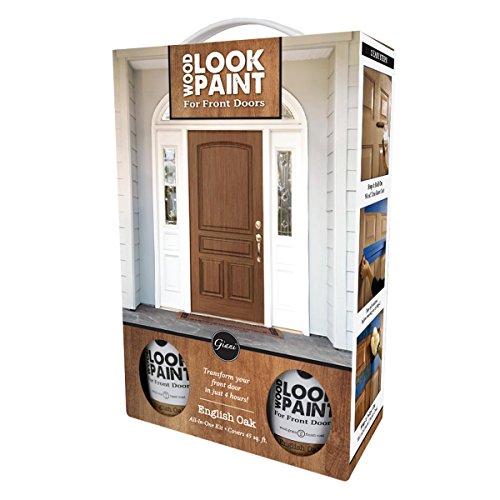
Add instant curb appeal to your home in just 4 hours
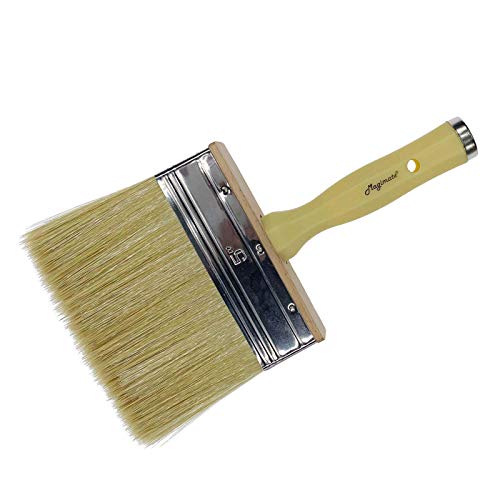
Brush Specs: 5” wide x 1” thick, soft synthetic filament blended with natural bristle. Hold more stain/sealer and paint smoothly, making your home improvement job a breeze.
4. Comfortable Furniture

Wicker and a small table turn a gazebo or open shed into a place you actually sit.
Half-walls with potted plants do the real work: they block wind, define the space, and keep the furniture from feeling marooned in the yard.
I would check that any piece I buy is resin wicker, not natural rattan, unless I want to haul cushions inside every rainstorm.
The round table suits a 3-chair setup because nobody sits at a head; I would go square for a larger group.
Budget reality: a resin wicker armchair is an investment, and I have found the mid-range is where comfort and a three-season lifespan overlap.

Self-Adhesive & Easy Installation: This self adhesive waterproof membrane features a peel and stick backing for fast, tool-free application. As a self adhesive epdm rubber roofing solution, it's perfect for DIYers and pros on any flat roof sheet

Superior Waterproof & Leak-Proof Performance Our self-adhesive roof waterproof tape features a high-density, impermeable rubberized asphalt core and durable blue PVC surface layer, forming an impenetrable barrier against water, moisture, and harsh weather. It effectively seals leaks at seams, cracks, joints, and flashing on corrugated metal roofs, flat roofs, RV roofs, skylights, and more, preventing costly water damage. The UV-stabilized outer layer resists sun damage, delivering year-round long-lasting waterproof protection.

Warmer Surface Gets Better Adherence: EPDM rubber protective layer has good waterproofing and weather resistance. High-adhesion self-adhesive layer ensures secure bonding with no peeling, developing greater tack over time to provide a lasting protective barrier for roofs.
5. Exterior Lighting
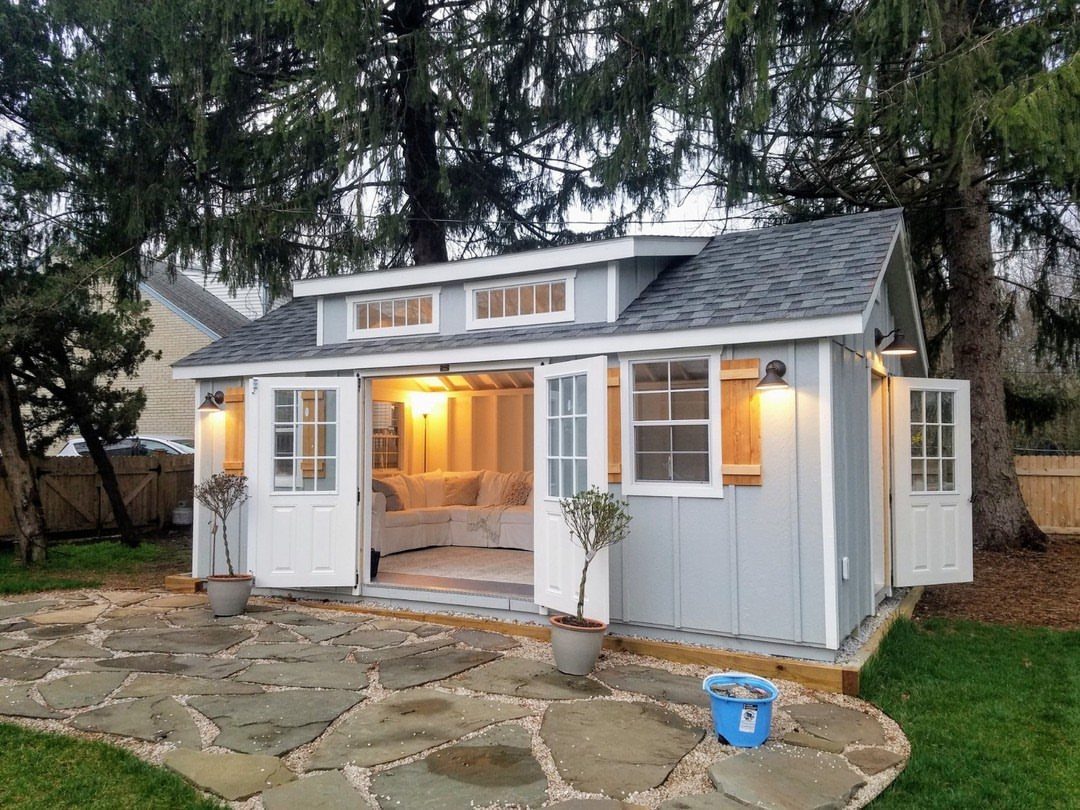
Barn lights mounted on siding extend usable hours and make a shed feel like part of the property, not an afterthought.
Warm light comes from fixtures with a color temperature around 2700K, which is the range I would shop; anything cooler reads as security lighting and kills the mood.
Hardwired barn lights need an outdoor-rated box and UF cable if you are running from the house, which is a half-day project or an electrician’s visit.
Solar equivalents have improved, but I would only use them if the shed face gets solid afternoon sun; otherwise the dim output by evening is not worth the savings.
Motion-sensor add-ons are cheap and suit a workspace shed more than a hangout one.

【Hand-Woven Rattan】The all-weather PE wicker makes the patio set for 2 more sturdy. The material is waterproof, and will not fade in humid climate or under strong sunlight. All cushion covers and cushion covers can be removed and hand washed. These reasons ensure its longevity

Modern and Ergonomic Design: The design of our patio furniture set is simple, stylish and Ergonomic. It is perfect to decorate your your yard, poolside, balcony, patio and indoor area. Provide great comfort for you while you are enjoying your leisure time

【Exquisite Handwoven Wicker】 This bistro table and chairs set of 2 is made of premium PE rattan, which gives the look & texture of natural wicker with the durability, weather and UV resistance, woven exquisitely by hand featuring sturdy powder-coated steel frame which offer extra support to stand tough against the elements for years of long-lasting use
6. Add a Green Roof
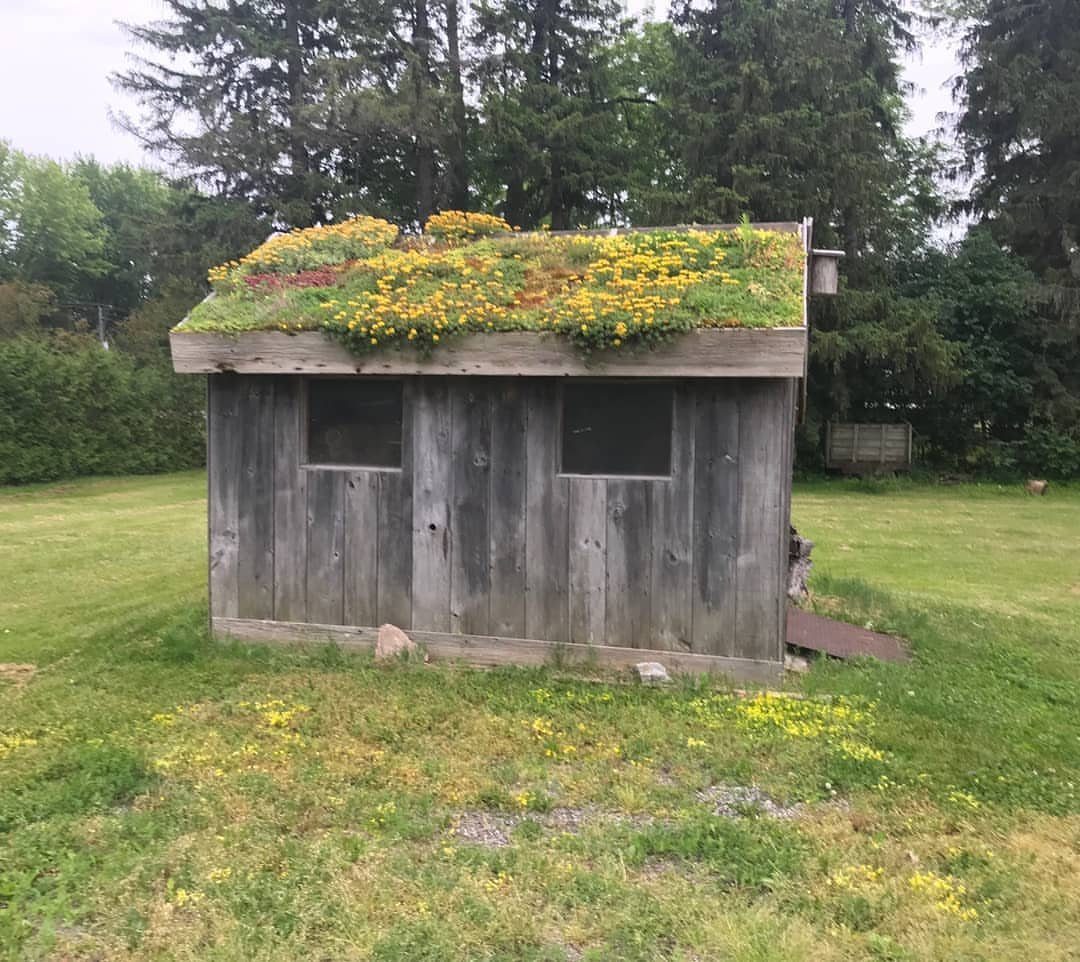
Succulents on a flat roof turn a shed into a garden feature that happens to store tools. Yellow-flowering sedum is drought-tolerant and shallow-rooted, which matters because a green roof gets heavy when saturated.
I would check my shed’s load capacity before I buy a single plant; most prefab sheds are framed for modest roof dead loads, and saturated soil blows past that.
The build is layers: waterproof membrane, root barrier, drainage mat, lightweight growing medium, then plants. A kit is the faster route, or I would build it myself with pond liner and crushed pumice for less.
The insulation benefit is real but modest, a noticeable difference inside in summer; I would do it for the look and accept the thermal bonus.
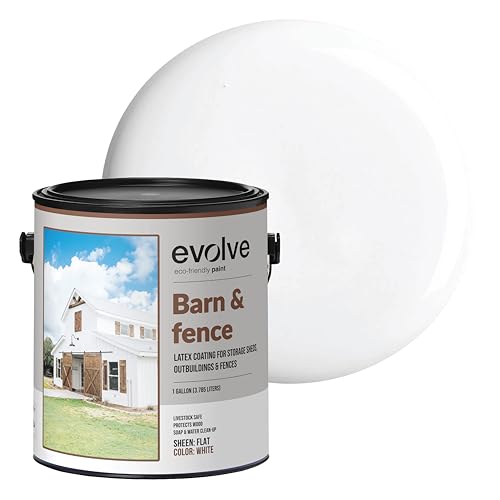
ELEVATE OUTDOOR STRUCTURES: Refresh barns, fences, sheds, and exterior surfaces with durable paint that delivers long-lasting color and protection.

ENAMEL FLOOR PAINT: Provide your floors with an extremely durable and long-lasting finish using California Paint ALLFLOR Porch, Patio and Floor Enamel Paint.

Ready to use, pre-mixed door and trim paint offers a fresh new look on interior or exterior metal, wood and fiberglass
7. Window Boxes with Flowers
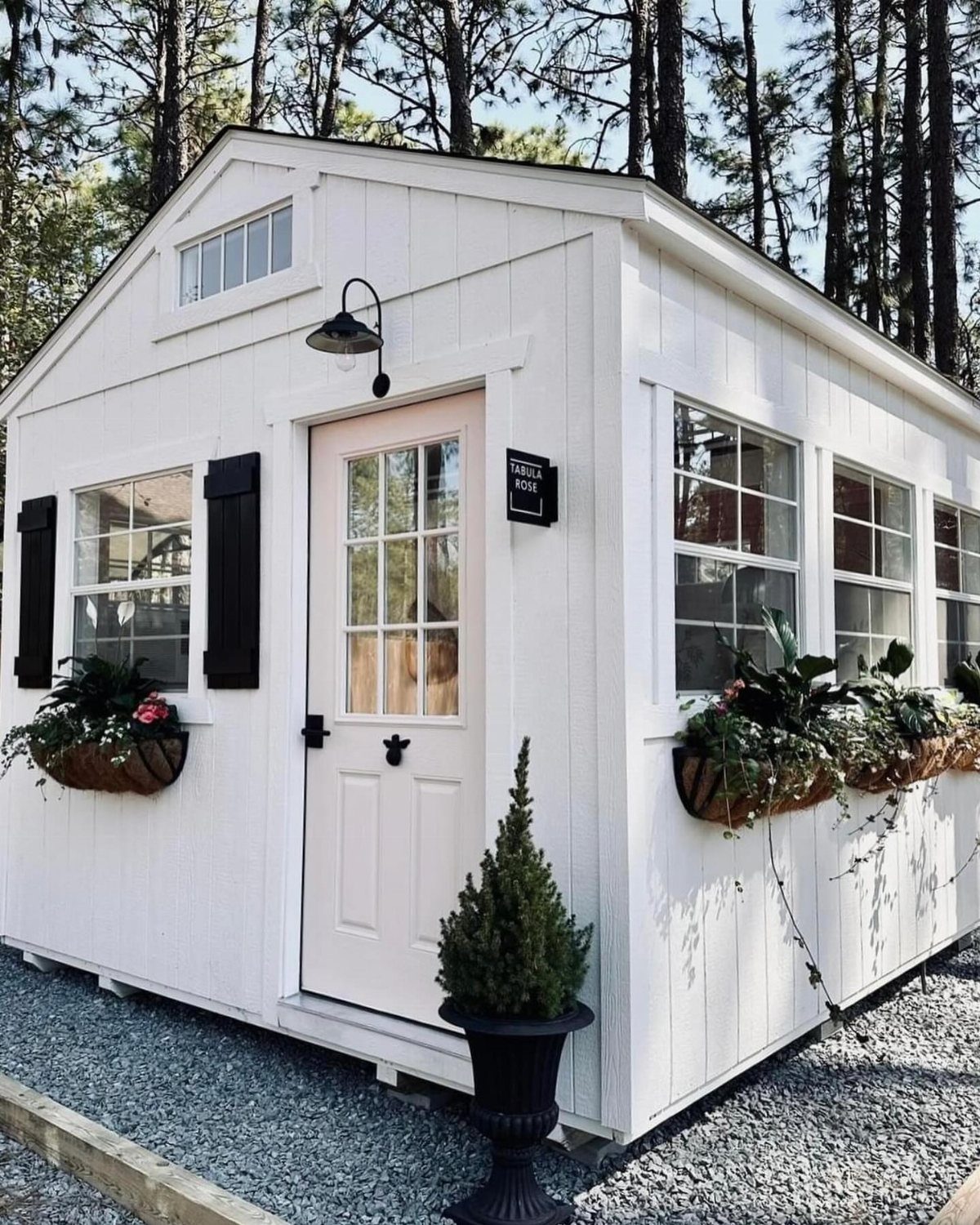
Window boxes soften a shed’s edges the same way they do on a house, and black shutters above make that connection deliberate.
I would build boxes from 1×6 cedar and line them with plastic to keep soil off the wood; a box wide enough for a few plants fits most shed windows without looking crowded.
Plant height matters more than flower color: trailing ivy in front, mid-height blooms in the middle, and something upright at the back so the box reads full from the ground.
Drainage holes are non-negotiable; rot sets in fast on a structure that already battles moisture.
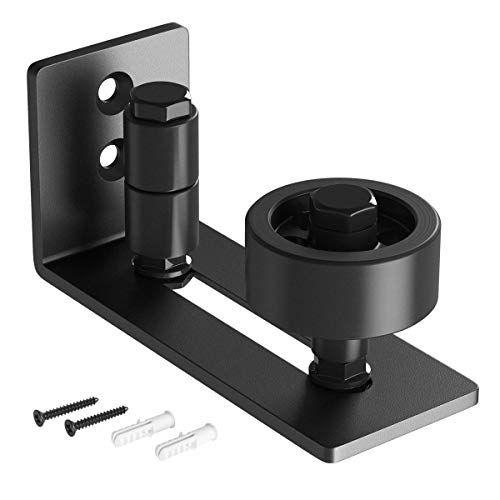
Brand: SMARTSTANDARD; Condition: Brand New; Material: Solid Steel and POM NYLON; Surface: Frosted black;

450LB Max Capacity: Constructed with industrial-grade reinforced steel, our exterior sliding barn door hardware support doors weighing up to 450lbs (200kg), ideal for exterior sliding door

Built for the Outdoors: With an anti-corrosion finish, this sliding door track is strong enough to withstand harsh outdoor environments, whether it's rainy or snowy. Ideal for sheds, stables, outdoor barns, and garages, providing years of protection and durability
8. Surround with Potted Plants
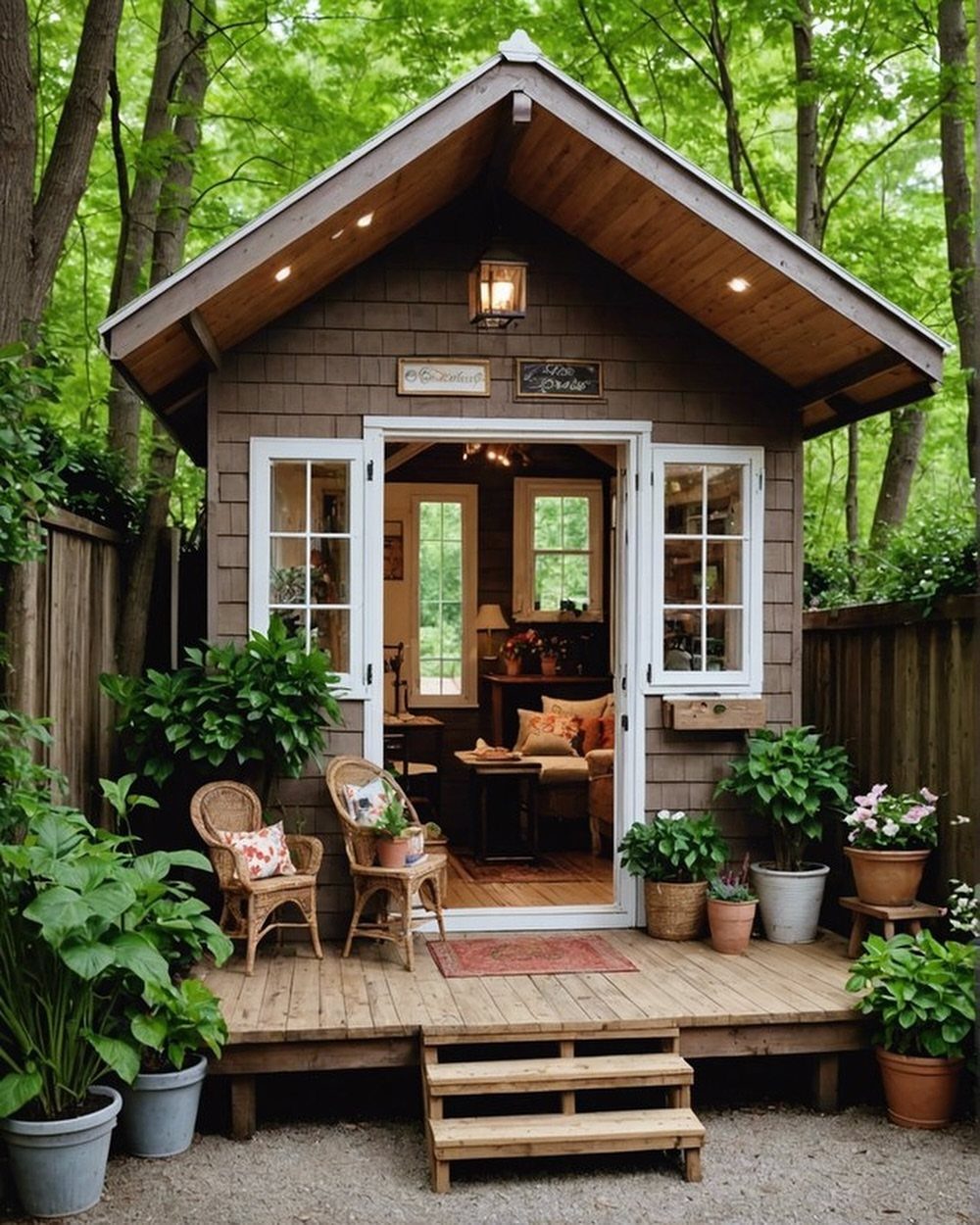
Potted plants let you green up a shed without digging into roots or drainage you cannot see.
Brown siding disappears behind ferns and palms in matching terracotta, which unifies the collection without matching exactly. I would cluster odd numbers, three or five, and set the tallest at the back corner to draw the eye toward the door.
Weight is the practical check: a terracotta pot with wet soil gets heavy fast, so I would stage them on pavers, not directly on soft ground that shifts all summer.
Move anything tender inside before the first frost, or treat the whole arrangement as annual.
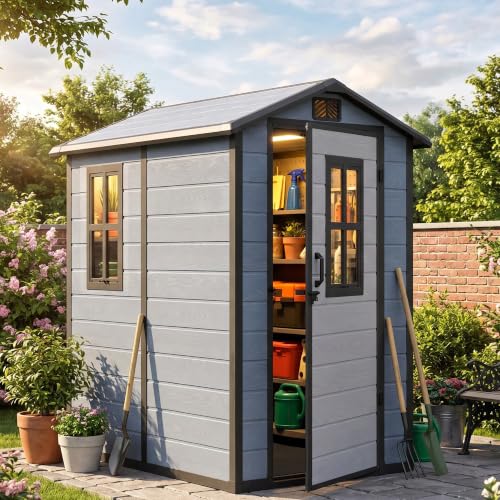
DOUBLE WINDOW DESIGN FOR AMPLE NATURAL LIGHT: Our DWVO tool shed features a unique door and window design with an additional side window, allowing the interior to be filled with natural light, making it easy for you to find your tools and work comfortably. (Our shed is dispatched in two packages. Make sure both are obtained before assembly. The accessory kit and clear instructions guide you step by step.)

10x15.5 FT 2-in-1 Storage Shed with Base Frame and Covered Side Bay, Solve Both Secure and Quick-Access Storage: The layout combines an enclosed storage room with an open covered shelter, giving you separate zones for tools, bikes and bins plus lawn equipment, BBQ supplies, firewood or a shaded work area. The included base frame creates a more organized installation platform

【Spacious Storage】This outdoor metal shed offers ample storage for tools,lawn mowers,bicycles,BBQ grills,and more.Its large capacity keeps your yard tidy and meets diverse needs,even doubling as a pet shelter or greenhouse.Stay organized effortlessly.
9. Decorative Door Wreaths

A wreath on a shed door signals that this small building matters to someone, which changes how the whole yard reads.
A grapevine base is the right choice for exterior humidity; foam forms mildew and wire frames show rust by late summer.
I would make or buy one with dried lavender, eucalyptus, and seed heads that age gracefully rather than demanding replacement before the season ends.
A wreath that fills the door without blocking the handle is the right size; hang it with a ribbon or hook that leaves no hole if you change your mind.
Sun bleaches anything fast, so I would face a wreath north or east if I wanted the colors to last past midsummer.

Solves A Leak In Your Flat Roof: Our peel & stick roofing underlayment serves as the second waterproof barrier, effectively blocking the infiltration of rainwater, snow into the building structure, solving water leakage problems in roofs, walls, basements, and other areas.
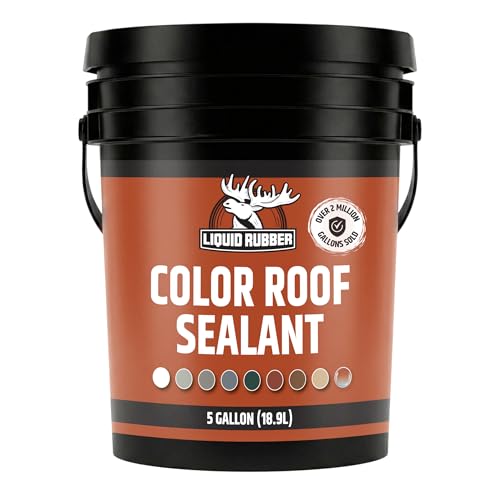
WATERPROOF ELASTOMERIC ROOF SEALANT: Liquid Rubber Color Roof Sealant is a liquid rubber waterproof coating designed for flat roofs, low-slope roofs, and metal roofs. Forms a seamless, flexible membrane that helps stop roof leaks and water intrusion while protecting the roof for years to come

Made of high-quality Reinforced EPDM synthetic rubber, the self-adhesive roofing membrane delivers outstanding flexibility and weather resistance. With 63 mil thickness and 12.56 LBF/IN peel strength, it forms a tough waterproof barrier against moisture penetration.
10. Paint a Colorful Floral Mural

A mural turns the biggest blank surface into the reason people walk over.
Sunflowers painted directly on bare wood soak up paint and give that muted, folk-art finish; I would prime first if I wanted colors to pop the way they do on a canvas.
Exterior acrylic or barn paint is the material, not interior latex, and a clear coat after adds maybe 2 seasons before the first touch-up.
I would sketch with chalk, not pencil, since graphite bleeds through light colors. The skill level is real but overstated; large shapes and bold outlines forgive a hand that is steady, not trained.
Plan for a free weekend, a modest brush and paint budget, and a wall that faces away from afternoon sun so the work lasts.

Resort-Style Deep Seating: This outdoor patio seating set invites you to enjoy upgraded comfort with its thick, lofty cushions and ergonomic design. The patio chairs support 350 lbs each, and the loveseat holds 700 lbs for lasting relaxation

Utilize Your Outdoor Area: Homall 4 pieces patio furniture sets can easily meet your needs to conduct a conversation in your porch, balcony or other outdoor space. Bathing the sunshine or having a rest after working, it can also enriches your leisure time with your family and friends.

Simple and Elegant: Each wicker patio Chairs and love seat features a handsome checkered pattern for a beautiful, classic style. Great for various outdoor living spaces such as patios, decks, backyards, and poolside areas
Budget-friendly Makeover Tips
A shed makeover does not need a four-figure budget. The fastest return comes from paint, and the mid-range exterior gallon is where I shop for coverage that lasts without the premium markup.
Built-ins beat freestanding cupboards every time; they cost only lumber and an afternoon, and painting them the same color as the walls hides the storage completely.
Floating shelves at window height fake a sill and keep floor space open. For the exterior, a small weatherproof cabinet framed on the back wall adds storage without stealing from the front view.
Window boxes built from 1×6 cedar and lined with scrap plastic cost less than store-bought and last longer. The common thread: work with the shed’s bones instead of adding new footprints.
Maximizing Shed Functionality
Most sheds die from clutter, not rot.
I would lose the freestanding cupboards first; they eat floor space and collect dust behind them. Built-ins painted to match the walls disappear visually and hold more per square foot.
Shelves at window height read as architecture, not storage. The space under a pitched roof is dead air until you plank it; a loft platform with a curtain in front hides seasonal gear without a door swing to dodge.
Hooks for yoga mats or long tools keep the floor clear for whatever the shed becomes next. A compact desk or chair turns the same footprint into office or retreat without a renovation permit.
Even a small exterior cabinet on the back wall, framed and weatherproofed, buys back interior room. The shed is small; every vertical surface should earn its keep.
“If the shed is too small for humans to stand up comfortably in, then your options are limited for a hangout space. But it can still provide valuable storage and look great on the outside once you fix it up.”
Importance of Maintenance
Paint is maintenance, not just cosmetics.
Exterior-grade paint or stain with UV resistance is the spec; it buys years before the next coat. I would hit trim with a contrasting color while I am at it, since that is where water first finds a seam.
Summer humidity and winter freeze-thaw move wood more than people expect; the coating that flexes lasts longer than the one that hides cracks. Inside, the same discipline applies.
Organized storage means you see the walls and catch leaks or pest damage early. A loft platform stuffed past capacity stresses rafters you cannot see; I would rather add the exterior cabinet and know what I have.
The green roof entry above names the load risk outright, and most prefab sheds sit closer to that edge than owners realize.
Check capacity before you plant, and check paint before it fails. The fix in year three is brushwork; in year eight it is boards.
Frequently Asked Questions
What are common shed design mistakes?
Neglecting maintenance tops the list; exterior paint with UV resistance buys years, but once it fails, water finds seams and rot follows fast.
Poor placement against afternoon sun warps thin boards if you paint them dark, and clutter from freestanding cupboards kills more usable space than most owners realize.
I would build storage into the walls and check the roof load before adding anything heavy, green roof included.
How to cover up the bottom of a shed?
I would run skirting or cluster potted plants around the base rather than digging into drainage I cannot see. Ferns and palms in terracotta unify the look without matching exactly, and brown siding disappears behind the green.
What are some creative ways to decorate my she shed?
Paint is the fastest transformation; mid-tone sage or olive reads intentional and hides dust better than stark white.
Window boxes built from cedar and lined with plastic soften edges, and a wreath on grapevine base signals someone cares about this small building.