
These ideas run from a few dollars in paint and potting soil to a couple hundred for gravel, string lights, and a tabletop fire pit, and the one that fits your yard depends on whether you need seating, structure, or just something alive against a fence.
I would start with the hard number in my pocket, then match the project to the spot that annoys me most on the way to the grill.
Two to three strands of Edison-bulb string lights across a standard patio already turns the space usable after dark for less than the cost of a single store-bought bench.
1. String Lights
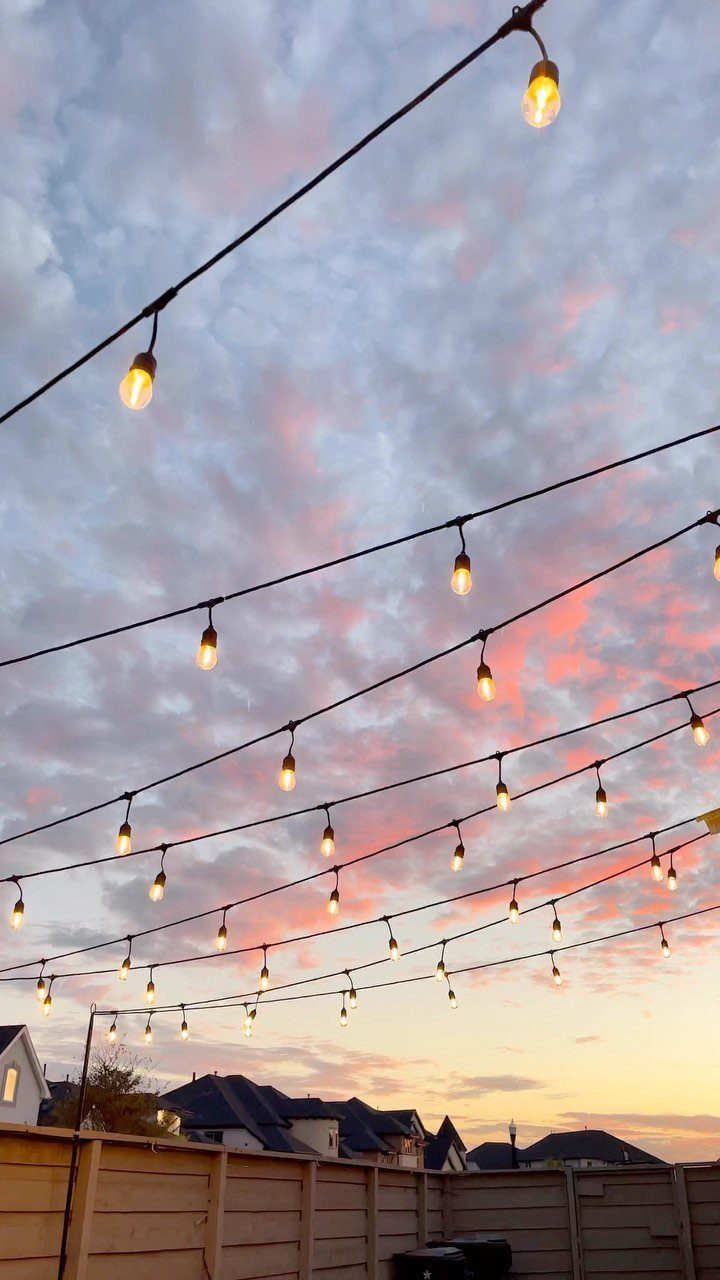
String lights turn a backyard into usable space after dark, and the strands you want for this are the basic incandescent or LED fairy sets sold in hardware-store garden sections.
I would pick Edison bulbs over cool white every time; the warm amber flatters skin tones and food alike.
Check your outlet situation before you buy. Battery-powered strands work anywhere but dim faster, and solar depends on your sun.
Plug-in strands need a GFCI outlet or an outdoor-rated extension cord. Plan on two to three strands to cross a standard patio in a zigzag or a single V.

Build Your Own Custom Bench – Create a completely personalized bench by using your own 2x4 lumber cut to your desired length (between 24" and 72"). Perfect for patios, decks, entryways, or fire pit areas.

【Beautiful Decoration】Choose from timeless black, white or carbonized to match your outdoor style.The wagon bench’s smooth wood grain and simple design fit right into outdoor space—whether your space is modern, rustic, or anything in between.

【All Weather Durability】Heavy-duty powder-coated metal keeps this outdoor backless bench safe from rain, sun, and humidity—no rusting, fading, cracking, or peeling
2. DIY Benches from Pallets
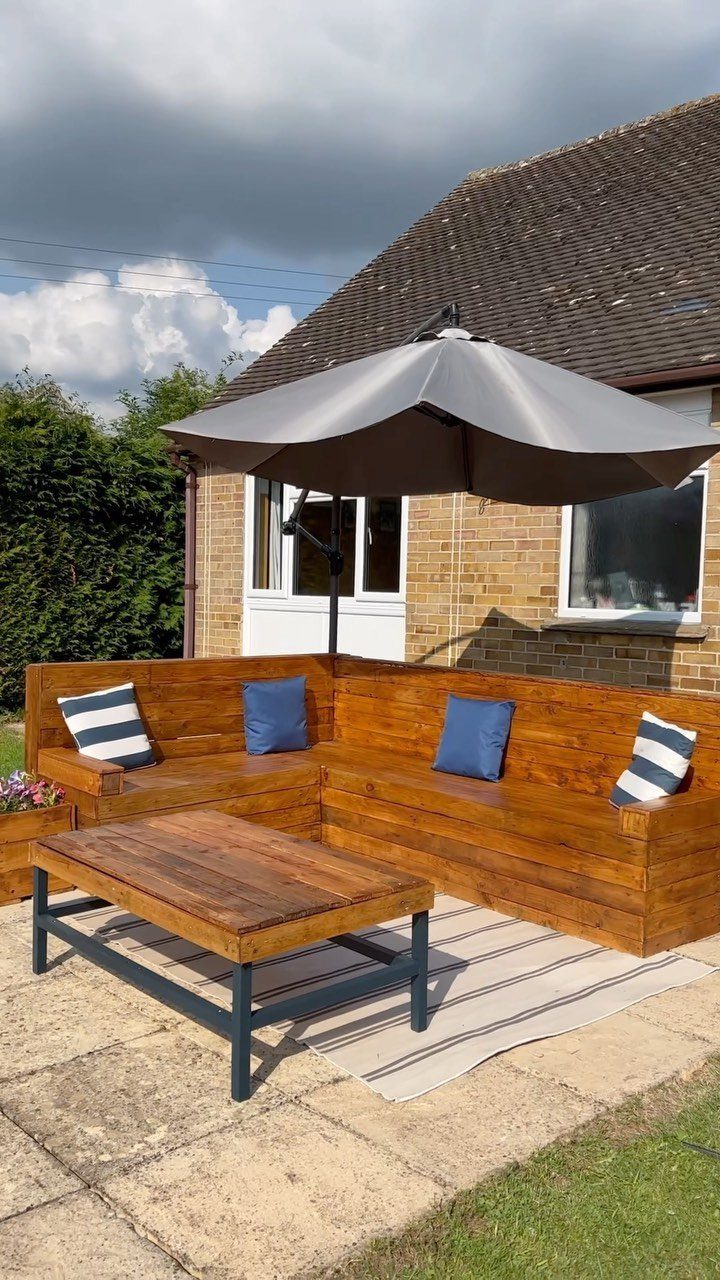
Pallets cut in half and stacked build an L-shaped bench with almost no lumber cost beyond screws and stain.
I would sand every surface to rough grit at minimum so no splinters survive. Pallet wood carries splinters and whatever the pallet held.
Stack two high for seat height, three if you want storage underneath. A cantilever umbrella is a smart add; the base sits off to the side instead of dead center where your foot traffic runs.
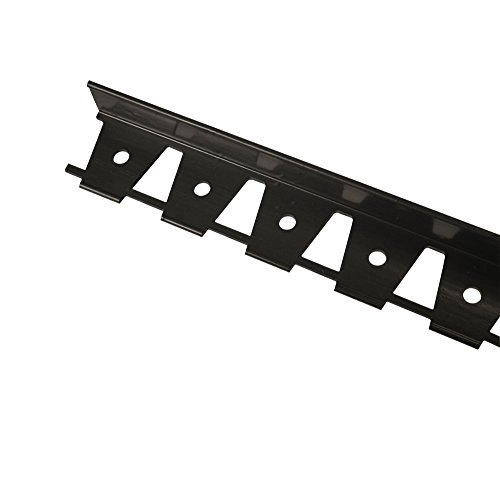
SNIP TO FLEX PAVER, BRICK, OR LANDSCAPE EDGING: Create a beautifully landscaped yard and paver designs without having to hire a professional with easy to install commercial grade edging

【Landscape Edging Kit】 -- Includes 3 rolls of landscaping edging (33ft each) and 150 spikes, offering flexible layout options for various landscaping length needs,instead of having to take out long and heavy edging and cut it
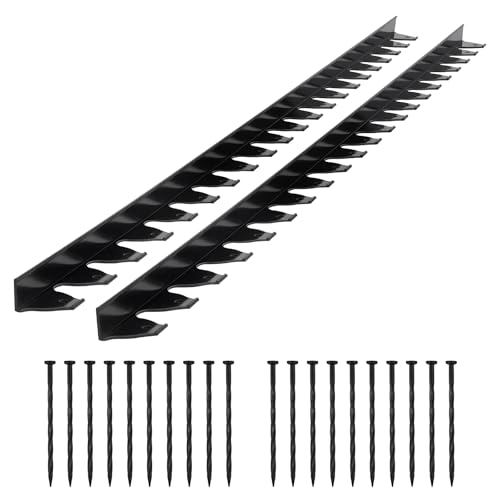
6 ft Garden Edging: This 10 packs of 6 ft plastic garden edgings, totaling 60 ft, make it ideal for shaping clean, customized boundaries around flower beds, gravel paths, or mini garden zones. At 1.6 in high, it's ideal for home landscaping projects.
3. Gravel Garden Path

A gravel path needs 2 decisions up front: how wide and what keeps the gravel from migrating. Square pavers set in tan gravel with wood edging; the edging is doing the work of holding shape.
I would run the path 30 to 36 inches wide for one person with a wheelbarrow, 48 inches if two people walk side by side.
Dig down deep enough, lay landscape fabric, then compacted base rock and gravel on top in equal layers. Keep pavers flush with the gravel surface, not raised; that means less tripping and easier mowing along the edge.

【Durable Quality, Energy Efficient】 Brightown led outdoor lights for patio, with commercial-grade wire and 32 shatterproof weatherproof LED bulbs (3 ft space)(2 spares), reduce electricity consumption by over 90% compared to incandescent bulbs. These outdoor patio lights can be linked up to 24 strings to brightly illuminate large areas year-round, and the long-lasting bulbs ensure extended use.(Not rechargeable, no remote control included)

48 FT Outdoor String Lights: 2W patio string lights with 15+1 plastic LED bulbs and 2W bulbs are much brighter than 1W. This hanging string light emits a soft 2700K warm glow, creating a comfortable and cozy ambiance in your backyard for a happy time

Commercial Grade and Energy Saving: 105 FT S14 Patio string lights with 33+2 pcs shatterproof 1 W E26 base bulbs. 80LM Brightness equivalent to 11 watt traditional bulbs, brighter and slash electric bills by 90% with our outdoor string lights
4. Planters from Old Tires

Old tires as planters cost paint and potting soil, nothing more. Paint them bright colors, stack them or keep them single, fill with blooming annuals and set them in gravel against a fence for a clean backdrop.
I would scrub each tire with dish soap and a stiff brush before painting.
Leftover road grime repels paint. Use exterior latex or spray paint made for plastic; one coat of primer, two of color.
Drill drainage holes in the bottom if they are not already there. The rim faces down or in; the tread wall is what you see.
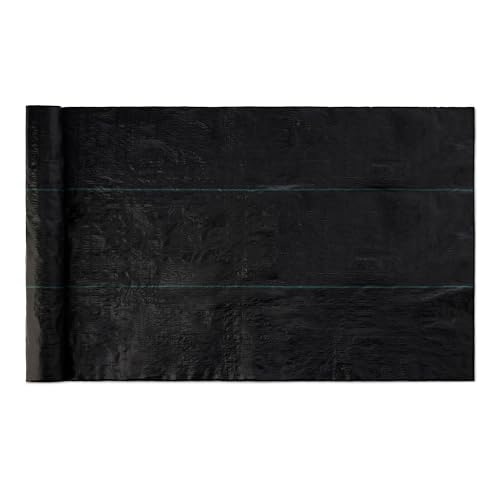
50x3-foot heavy-duty weed control fabric for helping prevent unwanted weed growth

Professional Grade Weed Barrier: LAVEVE weed barrier fabric is made of woven polypropylene material. Its high-density and permeable characteristics effectively stop weed growth and protect soil health so your plants can grow well.
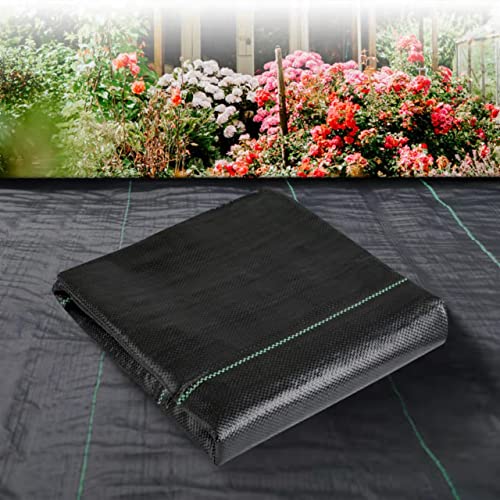
Premium Weed Barrier Fabric:Weed barrier landscape fabric is a type of geotextile fabric that is commonly used in landscaping and construction.With excellent weed control properties, providing a clean and tidy landscape.Very strong and durable,Pro landscape weed barrier will provide you with premium weed protection for a very long time.
5. DIY Water Feature from Bowls

3 bowls in graduated sizes, each bubbling water into the next, make the feature.
River rock fills the gaps; square pavers frame the edge. The maker notes this scale stays quiet enough not to fight conversation.
A small recirculating pump runs each bowl; plan on a modest price for one rated to lift water a short distance.
The bowls need to sit level or water tracks to the low side and empties the upper bowl in an afternoon.
I would set the pump in the lowest bowl and run tubing up through the others. Solar pumps work if the spot gets afternoon direct sun; otherwise, a GFCI outlet and outdoor cord.

Classic Appearance: The bold colors will provide pops of color to your home.Its curved silhouette and raised details offer up a touch of classic character.Bring antique charm to your space

DURABLE & LIGHTWEIGHT: Designed for versatile use, these plastic planters for indoor plants are perfect for cultivating flowers, herbs, and vegetables. Their lightweight design makes them easy to move and handle, whether indoors or outdoors.

Large 16 Inch Planters:Set of 3 pack 15.7 inch large plant pots designed for medium to large plants such as monstera, fiddle leaf fig,palms,snake plants and small trees.Spacious design allows roots to grow freely and supports healthier plant growth.
6. Shelves Vertical Gardening

Metal wall shelves turn a vertical surface into growing space when ground is scarce. Black shelves on white tile, loaded with potted green plants and hanging planters above.
I would check the wall material before buying brackets. Tile needs a masonry bit and anchors rated for the shelf load; painted drywall needs a stud finder or toggle bolts.
Shallow shelves suit small nursery pots and keep weight down. Water drains through; I would leave a gap at the wall or the grout stains in a season.
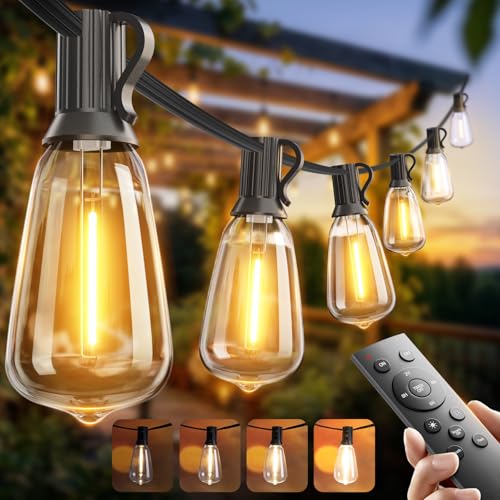
【Remote Control – Adjust Lights Without Getting Up】Sit back and use the remote to turn your lights on/off and fine-tune the brightness. Easily move from a gentle evening glow to bright lighting for cooking, gatherings, or game night, all without walking over to the outlet. The maximum remote control range is 50 feet.

Commercial Grade and Energy Saving: 24 FT S14 Patio string light with 8+1 pc shatterproof 1 W E26 base bulbs. Brightness equivalent to 11 watt traditional bulbs, brighter and slash electric bills by 90% with our outdoor string lights

Breathtaking Italian Bistro Style Lighting : Each strand features 15 vintage-inspired hanging sockets with shatterproof E17 LED edison bulbs, spaced 3.11 feet apart for a captivating, even glow. Enjoy brighter, energy-efficient outdoor lights that enhances every outdoor moment with timeless charm and lower electricity costs.
7. Mix Different Flower Colors
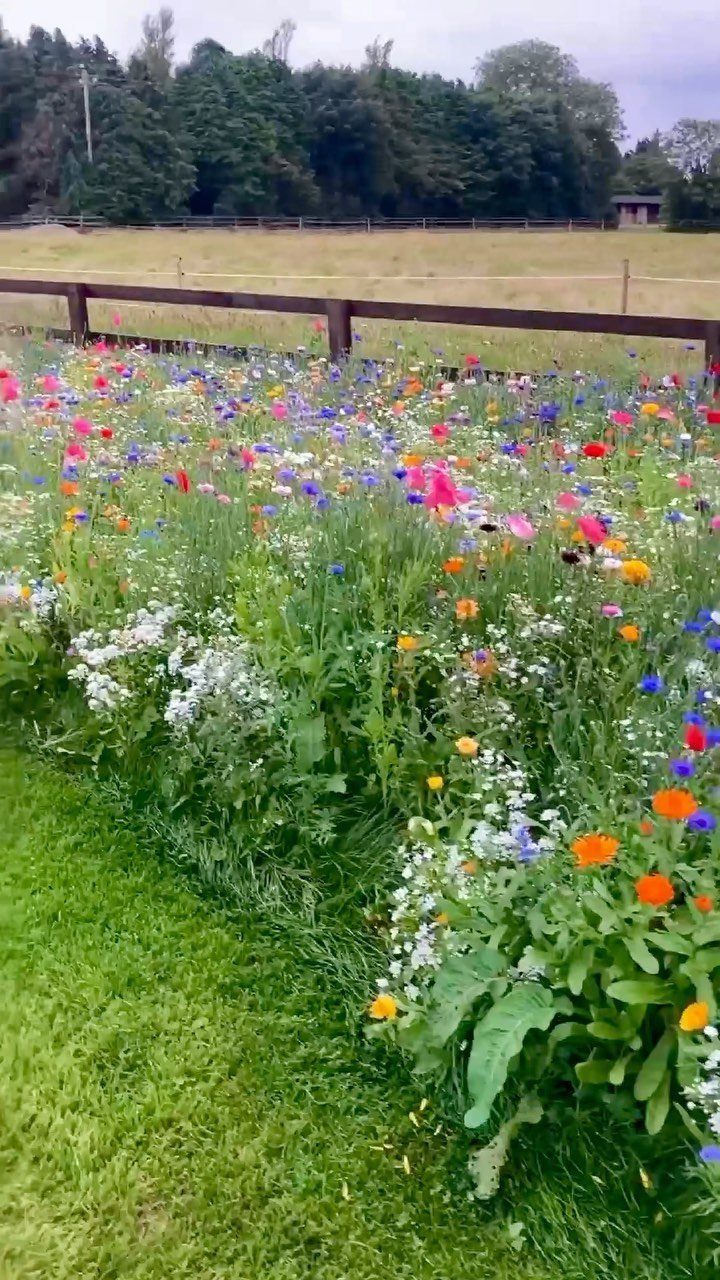
A mixed-color flower border reads as intentional when you limit the palette to warm tones, cool tones, or a single bridge color that carries across both.
Orange sits between warm red and cool purple on the wheel, so a mix of orange, purple, pink, and white reads as planned rather than accidental.
I would decide the palette before buying a single packet.
Seed mixes labeled "wildflower" often default to a random rainbow that muddies in August. Buy single-color packets or seedlings in your chosen shades, and plant in drifts of one color so each reads as a patch, not a dot.

100% Nature Acacia Wood Material: Made of 100% natural acacia wood, which is characterized by its high stability and resistant to deformation, this bench is guaranteed to have a long service life. Moreover, the 47.5 inch acacia wood bench is large enough for two people to sit together.

DURABLE CONSTRUCTION: Crafted with a sturdy, all-steel design and a weather-resistant finish to add dependable seating inside or outside

[REAL STONE APPEARANCE] The look and heft of carved stone without the cracking, chipping, or weight of solid concrete. Cast from natural stone powder and recycled resin for authentic texture and lasting durability.
8. White Stone Garden Border
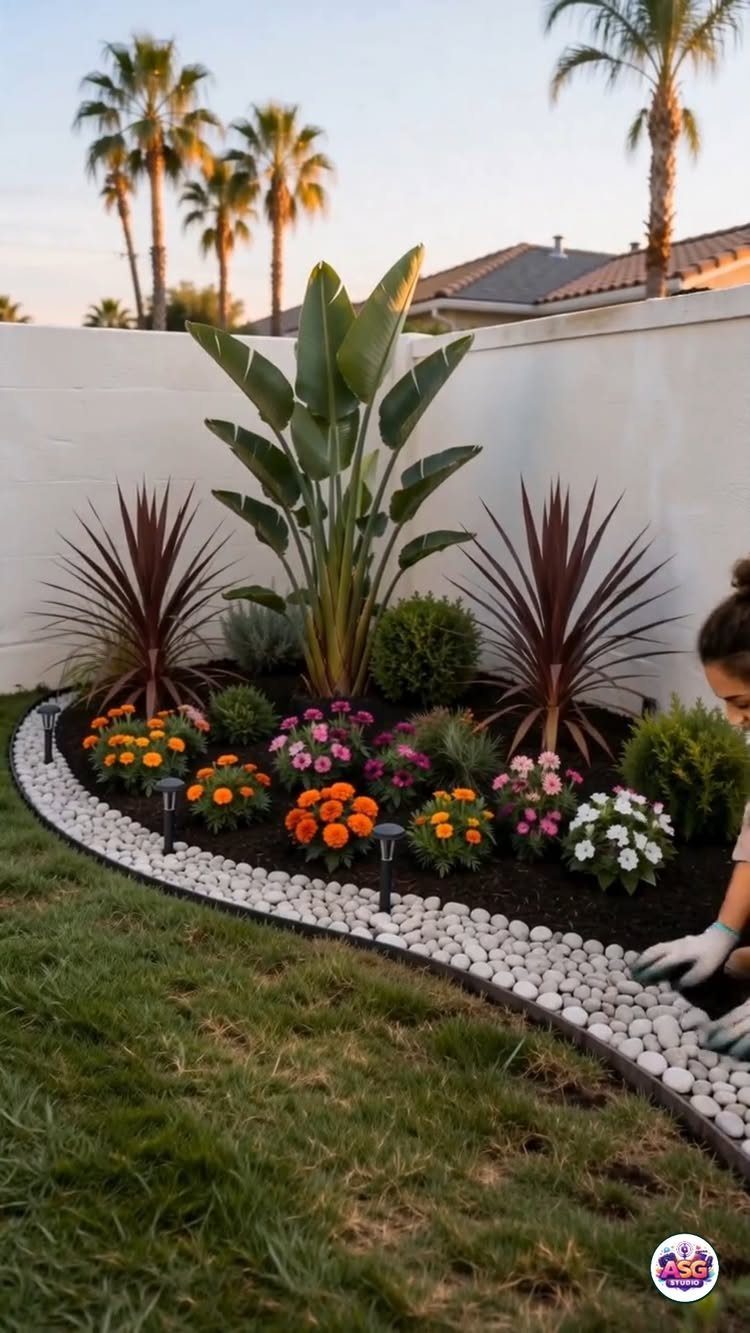
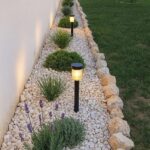
White stone edging buys a clean line between lawn and bed without the heft of concrete or brick. A curved border follows the bed shape rather than forcing a straight edge where none belongs.
I would dig a shallow trench first, lay the stones edge-to-edge, then backfill with native soil tamped firm.
Pea gravel or crushed white marble both work; marble stays brighter longer but costs more. The stones need to sit flush with the lawn surface, not proud of it, or your mower catches them every pass.

【Durable & Flexible Plastic Material】Made of high-quality, weather-resistant rubber, the MIXC garden edging border is designed to bend and shape easily to your landscaping needs. Whether you’re installing in straight lines, curves, or circular beds, the soft yet sturdy material can be trimmed as needed to match your garden layout. Great for long-term outdoor use in all seasons.

Size:Quibbay flexible landscape edging is 2 inch height and 50 ft length, with 75pcs 6.5 inch spiral edging stakes. Garden edging is great for landscape edging,flower beds, garden pathways, tree rings and grass.
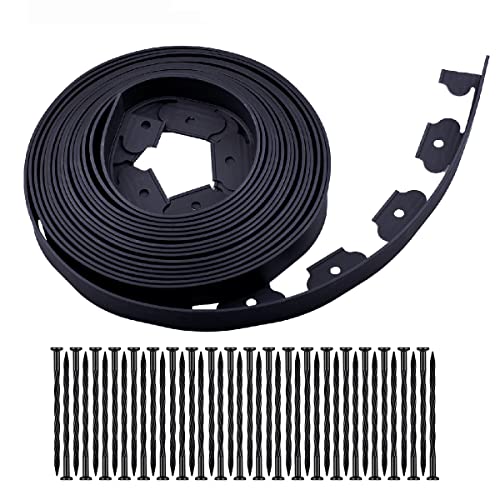
PRODUCT DIMENSIONS:480*2 *2 inches,lawn edging kit suitable for landscape edging,flower garden and grass lawn for the yard
9. Tabletop Fire Pit
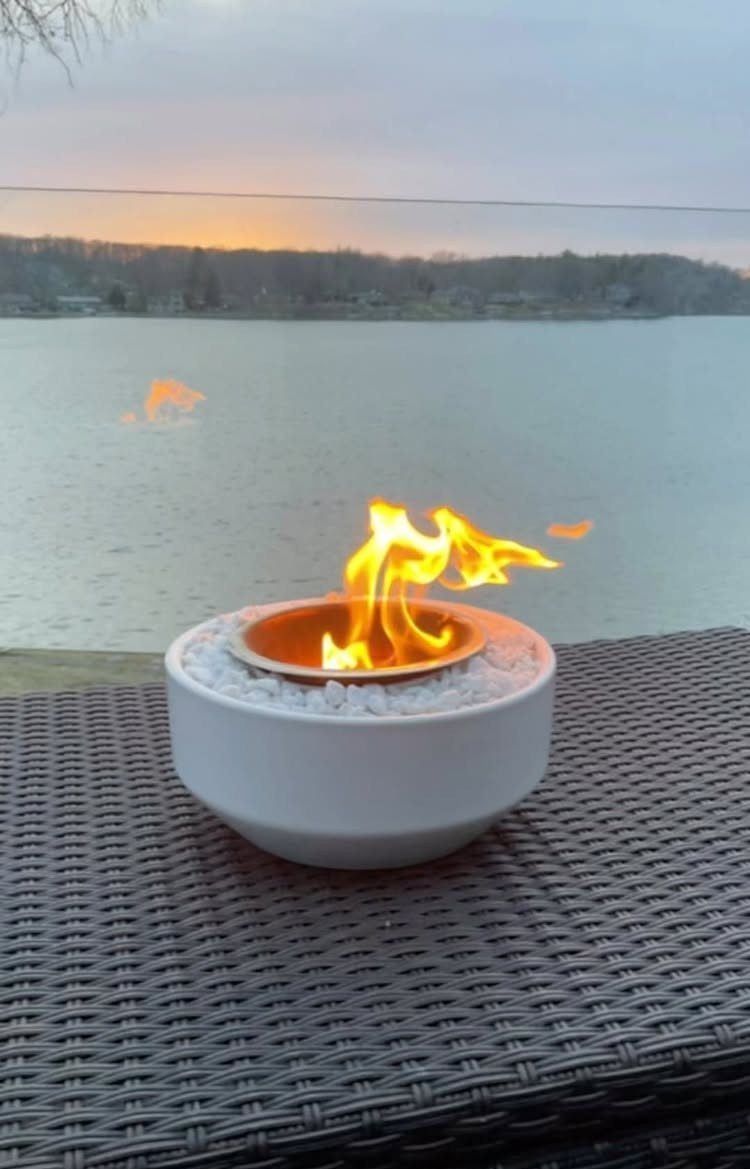
A tabletop fire pit runs on propane from a canister hidden in the table base or below, and a ceramic bowl style keeps the flame low enough for faces close around it.
I would pick this over a full fire pit when the yard is small or the seating is already arranged around a table.
Check local burn ordinances first; some counties ban open flames in summer dry spells regardless of size. The pebble fill is ceramic or lava rock, not river stone, which can trap water and crack when heated.

【Premium Weed Barrier Fabric】 Weed barrier landscape fabric is a type of geotextile fabric that is commonly used in landscaping and construction. With excellent weed control properties, providing a clean and tidy landscape. Very strong and durable, Pro landscape weed barrier will provide you with premium weed protection for a very long time.

【Superior Weed Control】Vanver 3.2 oz heavy-duty landscape fabric is designed to be sturdy and durable to inhibit weed growth, allowing you to eliminate tedious weeding, save more time and labor, and enjoy a hassle-free gardening experience!

Weed Control Friendly: Made of heavy-duty professional grade polypropylene material, durable, sturdy and corrosion resistant. Prevents unwanted weeds from germinating without chemicals. Keeps your soil healthy and doesn't harm the ecosystem of your yard while allowing your plants to thrive
10. Hanging Painted Wall Planters

Plastic bottles cut in half, painted, and hung by twine turn a blank wall into a vertical garden for nearly zero cost.
Acrylic craft paint sealed with clear spray holds up outside; I would keep the design simple so the plant inside stays the focus, not the face.
Poke drainage holes in the bottle bottom before filling with potting mix. Twine or wire through the cap end carries the weight; I would use wire for anything heavier than a small soda bottle.
These dry out fast in sun, so pick succulents or herbs that forgive skipped waterings, and mount where you will actually walk past to check them.

【Retro Design】Engage a retro style to match home decors, rugged appearance and imitation wood barrel design of complements many different styles of decor. with these barrel flower pots you can feel the quiet rural comfort when planting.

Elegant, Glazed Design – Features the stylish look of ceramic with a glossy finish and horizontal brush lines that enhance your plant’s natural beauty; available in bold, vibrant colors to suit any decor.

DURABLE & LIGHTWEIGHT - Made from polypropylene plastic, these plant pots are sturdy and lightweight. Matte finish resists scratches, dirt and fingerprints.
11. Wire Grid Vertical Planter

A wire grid screwed to stucco or siding gives modular slots for small pots, and a black grid disappears behind green foliage so the plants read as floating.
I would check the wall can take the load before buying; stucco needs masonry anchors, wood siding needs lag bolts into studs.
The pots hook through their own drainage holes or sit in grid-mounted clips.
Shallow pots suit herbs and succulents; anything deeper needs a deeper grid spacing or the pot tips. Water drains straight through, so I would mount high enough above any surface I care about staining.
Planning and Design Tips
A plan keeps the budget intact because every dollar is spoken for before you spend it. I would start with a hard number, then list what the yard actually needs for how you live in it, not how it photographs.
Seating for four, a path that drains, a border that defines the bed: rank them in order of daily use, and build until the money runs out.
Sketch the space to scale, even roughly. Sketching a patio to scale on graph paper shows fast whether a bench fits or crowds the grill.
I would carry that paper to the nursery and to the hardware store; it stops impulse buys that look small in the aisle and swallow half the budget.
DIY Projects
DIY rewards the hours you put in, not the dollars. I would build raised beds from dimensional cedar or pine, screwed simply and left to silver, before buying assembled boxes at triple the lumber cost.
The same hours turn scrap wood into birdhouse blanks or stepping-stone molds from shallow pans and quick-set concrete.
Painted rocks and mosaic scraps cost almost nothing and read as personal because they are.
I would hand a brush to anyone in the house who wants in; the pieces that turn out odd become the ones you keep. Family-made garden art ages better than purchased pieces because the memory carries it.
Cost-effective Materials
Gravel, mulch, and what you already own do the heavy lifting in a cheap yard.
I would spread pine needles or shredded bark between plants before paying for dyed mulch; both suppress weeds and hold moisture, and pine needles acidify slowly where azaleas or blueberries grow.
Perennials cost more once than annuals do every spring. I would plant them where they want to live, not where the plan demands, because a thriving clump divides on its own schedule and fills neighboring gaps for free.
Solar path lights skip the trenching and the outlet hunt; they store their own power and owe you nothing on the electric bill.
Old furniture with outdoor paint becomes seating faster than new construction.
Garage sales and curbside piles are where I look for solid wood pieces, skipping anything with pressboard or hidden rot so the savings can go toward plants that fill in around them.
Frequently Asked Questions
What is the cheapest way to landscape a backyard?
Gravel, mulch, and materials you already own do the heavy lifting for the lowest cost. DIY projects like pallet benches, painted tire planters, and plastic bottle wall planters run on labor instead of dollars.
How to estimate landscaping costs?
Start with a hard number written down, then list what the yard needs for how you live in it, ranked by daily use.
Sketch the space to scale on graph paper, even roughly, and carry that paper to the nursery and hardware store to stop impulse buys that look small in the aisle and swallow half the budget.
Can AI design my backyard for free?
Take a photo from the back door and feed it to a landscape AI, asking for the exact feature you want: a gravel patio with fire pit, a curved mulched border with seating, whatever you have in mind.
The render still needs to be turned into actual plants and materials.