Curb appeal fixes range from a quick pressure washer rental to a full brick porch rebuild, and the deciding factor is whether you own the wall you are drilling into.
Renters get the same visual lift from planters, a painted door, and wall-mounted trellises they can take with them; owners can anchor iron railings into masonry and veneer a concrete stoop in thin brick.
The 2700K LED path lights and the two-quart door paint job work for either, but the projects that need permits, trenching, or structural anchors belong to the owner column alone.
1. Add Potted Plants
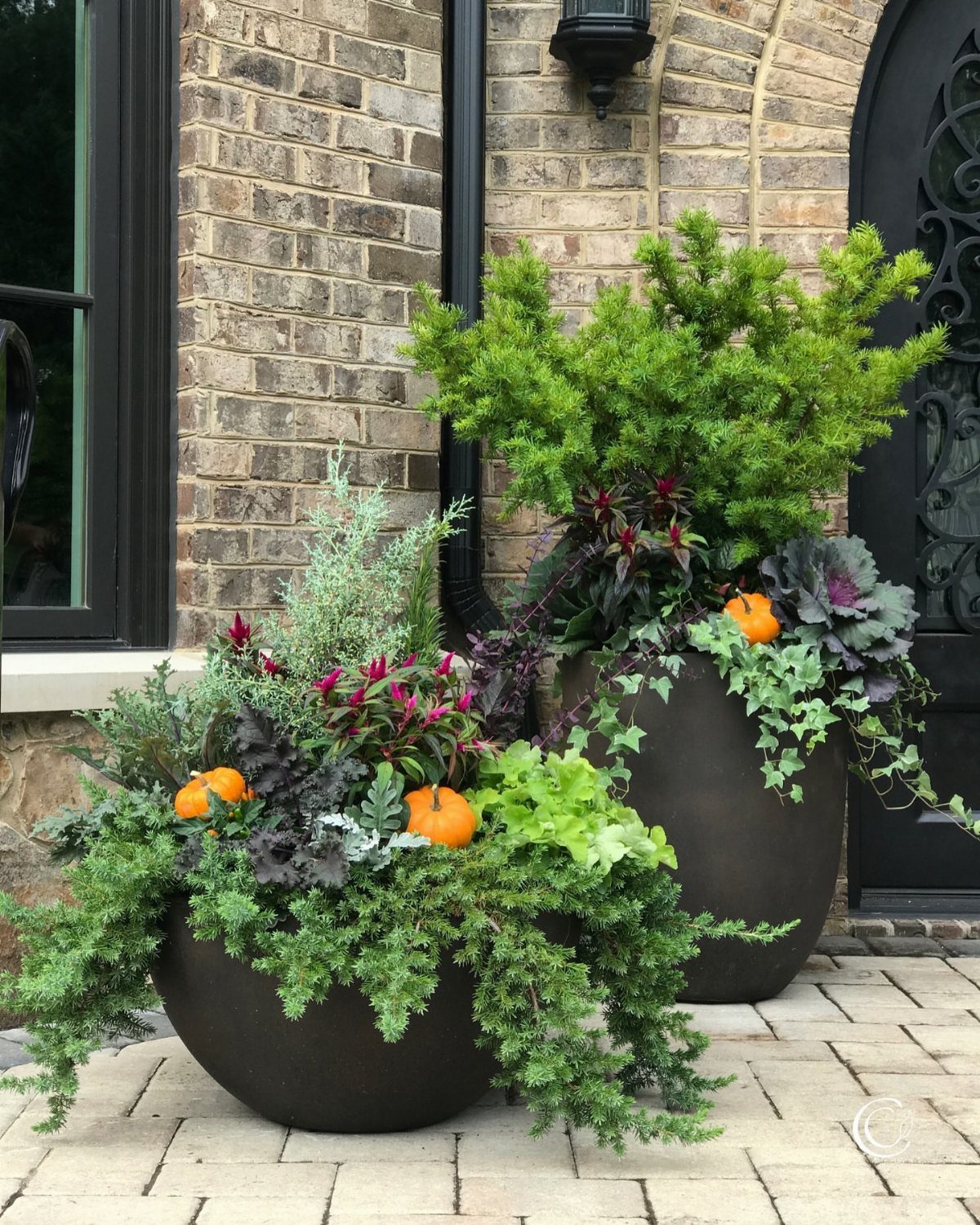
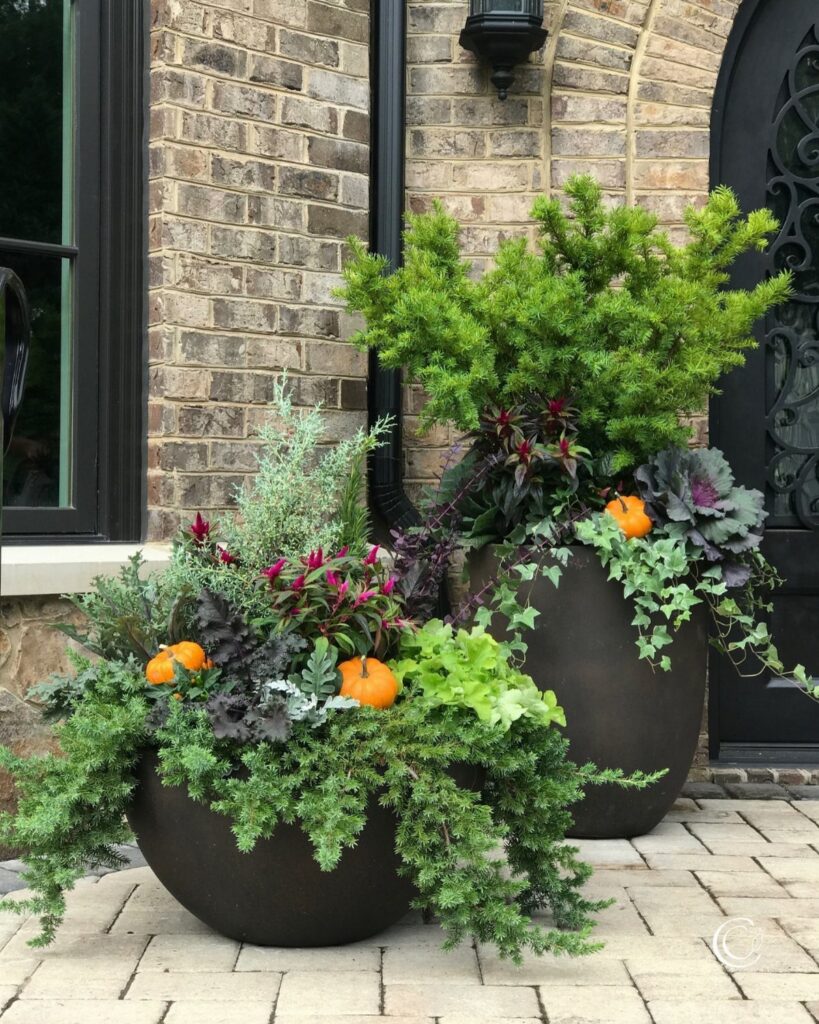
2 large planters flanking a door give you structure without digging into rental soil or permanent beds.
I would go with resin or fiberglass pots in a dark finish; they look like stone at 5 feet but I can still move them alone when the season changes.
Fill with one upright evergreen anchor, one trailing spill, and one seasonal round-out. A fall swap of pumpkins works the same trick in autumn; in spring I would use pansies or early violas for the same pop against dark foliage.
Check that your stoop or landing can take the weight wet. Saturated soil in a planter that size is heavy enough that I move mine before watering, or use a wheeled saucer.

[BEST GRIP ON TEXTURED SURFACES – HOME OR RV]: Designed for strong traction on concrete, brick, stone, and textured steps—helping reduce slips on outdoor stairs, porches, decks, and RV steps in rain, snow, mud, and dust.

PRODUCT PACKAGING:A Box Of 100 Pcs Packed, The Area Is About 14.5 Sq.ft, The Size Of Each Soft Tile Is 8.85'' X 2.36'' X 0.12'' , 4 Pcs set is a test set, Also available in a 17 Pcs set, The Area Is About 2.38 Sq.ft; 80 Pcs set, The Area Is About 11 Sq.f

【Eco-friendly and durable material】 This Orange Red faux brick wall tile is made of inorganic modified clay, which is both eco-friendly, heat-resistant, acid and alkali resistant, freeze and thaw resistant and weather-resistant. Its material is lightweight and sturdy, not easy to fall off, suitable for long-term use. Whether it is indoor kitchen, living room, or outdoor garage, garden wall, can easily meet the challenges of various environments, and maintain the lasting beauty.
2. Brick Front Porch
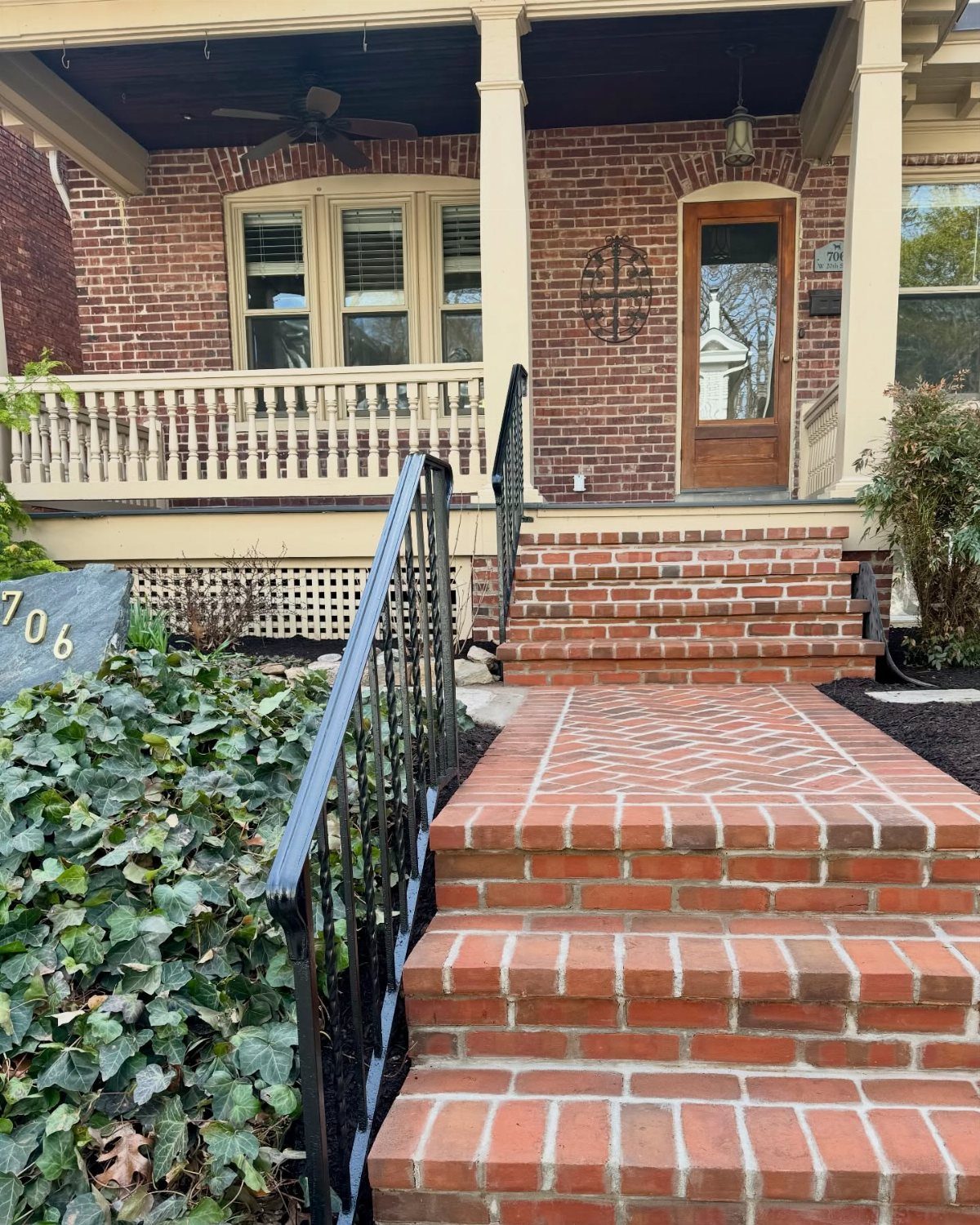
Brick underfoot reads as finished in a way concrete never quite manages. Herringbone at the threshold costs more than running bond, but I think it earns its money where people actually pause.
If your existing stoop is concrete, you can veneer it in thin brick rather than rebuild.
The product runs thin and adheres with modified thinset. I would not try this over cracked or heaving concrete; fix the base first or the veneer cracks with it.
Wrought iron railings like those shown need drilled anchors, not surface mounts, if anyone in the house uses them for balance.

MADE IN AMERICA & CUSTOM-FABRICATED: This Wrought Iron Handrail Railing is meticulously crafted in the USA and features a custom-fabricated design. With a black handrail and a wall mount handrail design, it adds elegance and safety to your indoor or outdoor stairs, providing support and stability for your family. Interior Exterior installation hardware included

IMPORTANT: Please measure your metal posts carefully before purchasing your repair mount. Your railing must be removable for these handrail brackets to work. Your outdoor railing posts must be hollow to use this mount. Made specifically for core drilling a railing back into the concrete. What’s included is a 1” flange tube with support rod to slide inside the existing 1” railing post. This support bar is welded in place and does not come out. Size reminder to measure your square post’s outer dimension= 1” x 1” to ensure compatibility with the bottom part of the new flanges tube=1” x 1” outer dimensions. Support rod slides inside your existing railings posts.

MADE IN AMERICA & CUSTOM-FABRICATED: This 5-Ft Wrought Iron Handrail Railing is meticulously crafted in the USA and features a custom-fabricated design. With a black handrail and a wall mount handrail design, it adds elegance and safety to your indoor or outdoor stairs, providing support and stability for your family. Interior Exterior installation hardware included
3. Fresh Mulch and Seasonal Flowers
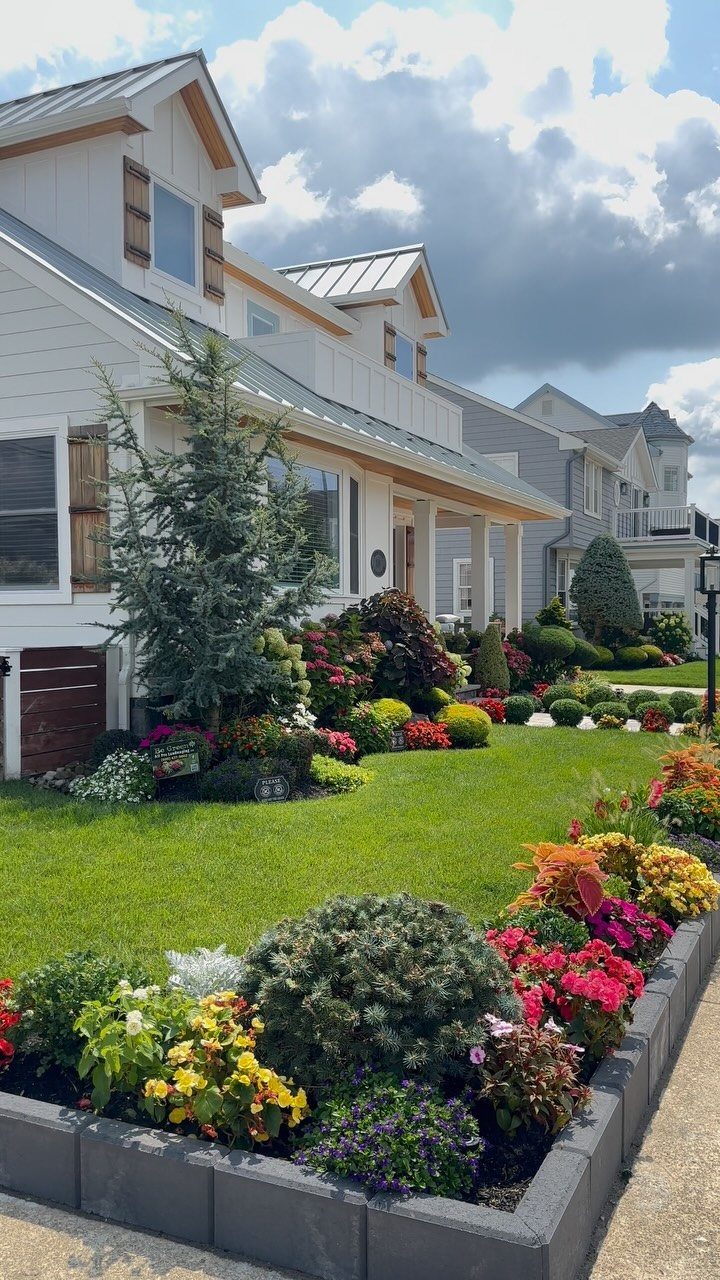
Dark mulch against a light house is the fastest ground-level reset I know.
For a modest front bed, one weekend and a modest budget makes the whole planting look intentional again even if the shrubs are the same ones you had.
I would refresh mulch in late April, after the soil warms but before summer heat sets the weeds. 2 inches is my depth; more starves roots of air and invites rot in humid climates.
The seasonal flowers in that bed are likely annuals swapped out with the seasons. If you want lower maintenance, I would skip the constant rotation and spend the money on one good structural shrub that looks right year-round.

Room For Statement Plants: The 18.7" tall profile, 13" top, 8" bottom, and 9.5-gallon capacity provide ample growing space for small trees, monstera, snake plants, and other greenery, creating an attractive vertical display outdoors.

BALANCED ENTRANCE DISPLAY – Place one matching planter on each side of a front door, porch step or patio entrance for a coordinated look. The pair also works well along balconies, covered porches and garden paths.

Spacious Large Planter: With its generous 30-inch height, this oversized planter offers ample room for roots to thrive, supporting healthy growth for indoor or outdoor plants. Ideal for tall palms, lush ferns, vibrant flowers, or small shrubs, it provides the space to create your own green sanctuary—whether as a striking solo piece or grouped into a natural privacy screen
4. New Garage Door

A garage door takes up a large share of the street-facing facade on many houses, so its condition sets the tone for everything else.
I would not put full glass on a south face in Arizona or inland California.
The heat gain is real, and the tint only cuts glare, not temperature. In cooler or shaded sites, I think it is the best-looking upgrade, though the price jumps well past a standard insulated steel door.
If your door is sound but dated, paint formulated for exterior fiberglass or steel and a Saturday is the cheap fix.

Unique Starburst Lighting Effect with Crackled Glass Design - Featuring a premium crackled glass lens, these solar lights create a unique starburst lighting pattern on the ground, adding decorative charm and elegant ambience to your garden, yard, walkway, or landscape lighting setup.

【Unique & Ornamental】The Low Voltage Path Light with a unique appearance. The interior bubble design makes the Sidewalk Light look more crystal and clear. Light your garden at night and decorate your garden during the day

(Deep-Set Eyes and Vine Pattern)These Halloween pumpkin pathway lights feature a jack-o'-lantern inspired design with deep-set eyes and vine details. Four lighted pumpkin yard stakes add a warm festive glow to lawns, walkways, gardens, porches, driveways, and party entrances.
5. Outdoor Lighting
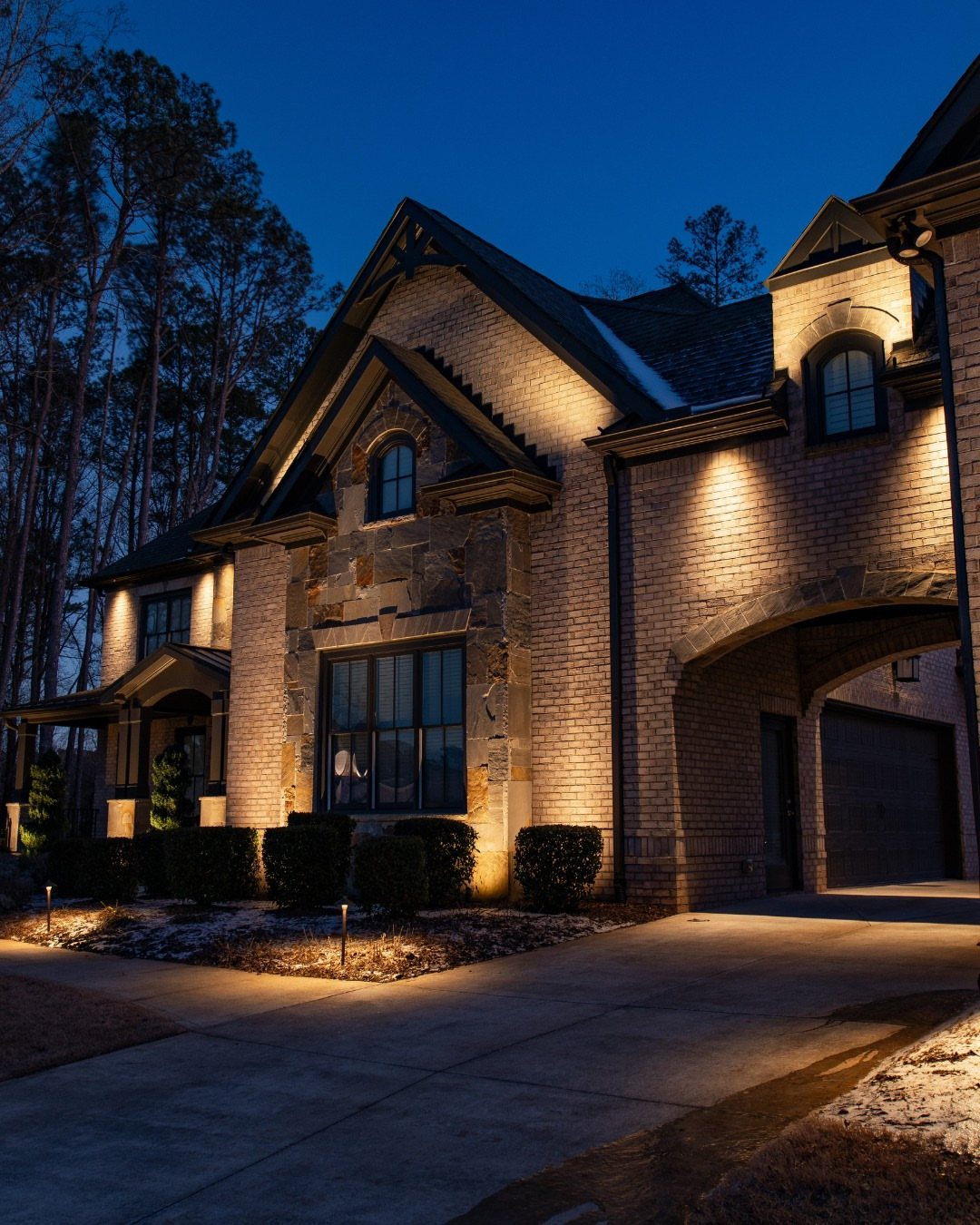
I would use 2700K LED fixtures; anything cooler reads institutional on residential masonry.
Path lights low to the ground belong along the walk edge, not in the lawn where mowers find them. I set mine close enough for continuous pools of light without runway effect.
The whole job is low voltage, so you are running 12-gauge cable from a transformer, not trenching for 120V. A timer or photocell saves the manual switch I always forget.

Decorate Your Warm Home- This attractive and unique Hanging Skull Planter shows off your potted plants, while saving you more space on your patio. Our Hanging Skull Planter is designed with great attention to details and adorned with paisley accents, bringing an interesting decoration to your home. You can hang on your plants on your outdoor patio wall with this Hanging Skull Planter while creating a festive condition for your planter growth.

BUILT FOR RESISTANCE: The wooden barrel planter is made from high-quality resin, offering excellent weather resistance. Moreover, the wood planter is waterproof, preventing issues like cracking, fading, and leaking, ensuring long-lasting durability.

THREE SIZES INCLUDED: Dimensions: Small: 11 in. D x 11. 1 in. H / Medium: 14. 2 in. D x 14. 7 in. H / Large: 17. 2 in. D x 17. 4 in. H
6. Update House Numbers
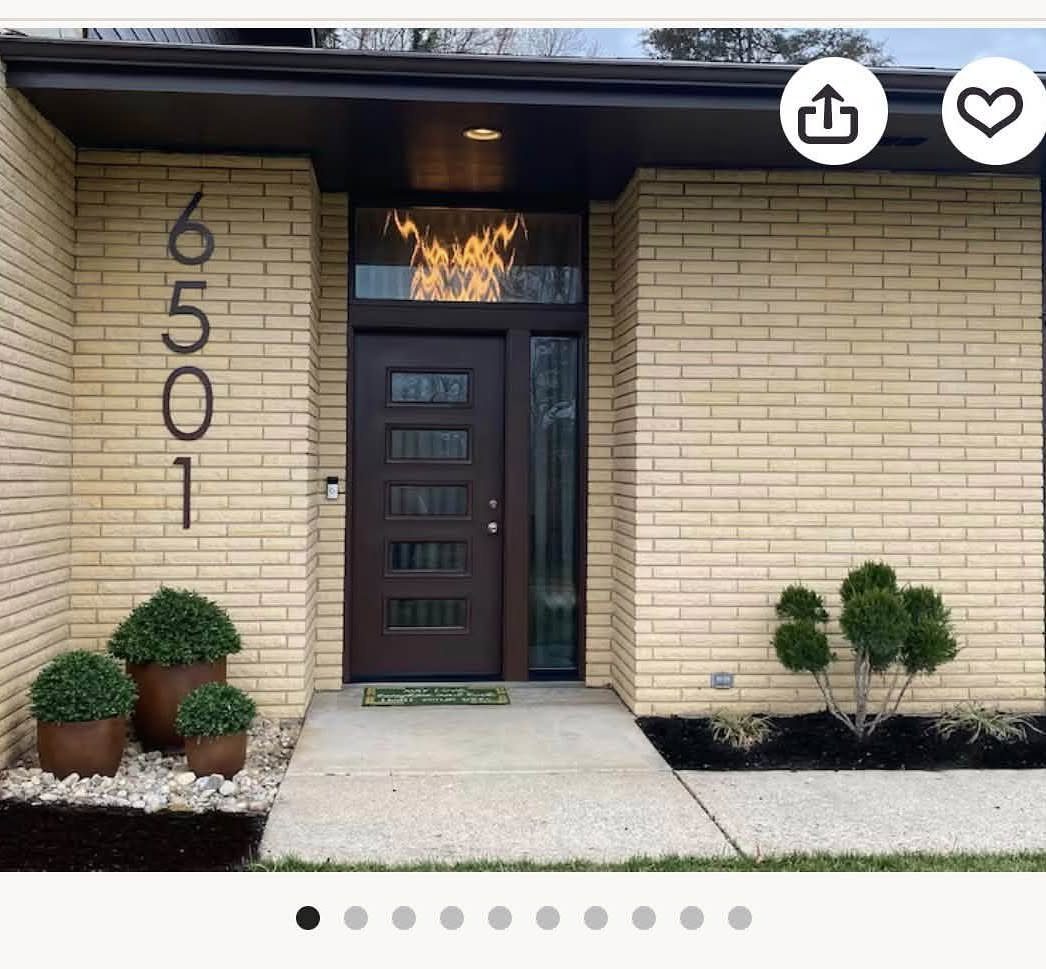
I would choose a font with stroke weight heavy enough to read from the curb; thin modern faces disappear at distance.
Brass or copper would patina, which I like on older homes but not on clean contemporary lines.
Drill into mortar, not brick, when you can; it patches cleaner if you move.
A number that size needs screws long enough for solid hold in the substrate behind it. I would skip backlighting unless your entry is genuinely dark; most houses get enough spill from the porch fixture.

Superior Grip & Traction: Enhance safety with our high-grip anti-slip tape, perfect for stairs, steps, ramps, and decks. Designed for outdoor use, it prevents slips and falls on concrete, wooden, and metal surfaces.

Product Size: 39.37"X7.09"/ 100cm x 18cm. Including 14Pcs, and covers 27 sq.ft.
7. Pop of Color Front Door

A painted front door is the single afternoon that changes how the whole house reads from the street. I would pick a color 2 steps bolder than I think I want; from the curb it loses half its saturation.
Check the existing finish first.
Bare wood needs primer; a sound painted surface just needs scuff and topcoat. Exterior acrylic on a door takes a morning to touch-dry, so I would start early enough to close it by night.
Brass hardware against blue-green or deep red is the combination I would choose. If your door gets direct afternoon sun, a south-facing dark color can blister in a season; go lighter or plan to repaint every few years.
A new front door is a splashy way to improve your home’s curb appeal but it doesn’t always have to be a huge project. A coat of paint can do the job or just adding a storm door can do the trick.
MADE IN AMERICA & CUSTOM-FABRICATED: This 4-Ft Wrought Iron Handrail Railing is meticulously crafted in the USA and features a custom-fabricated design. With a black handrail and a wall mount handrail design, it adds elegance and safety to your indoor or outdoor stairs, providing support and stability for your family. Interior Exterior installation hardware included.
MADE IN AMERICA & CUSTOM-FABRICATED: This 3-Ft Wrought Iron Handrail Railing is meticulously crafted in the USA and features a custom-fabricated design. With a black handrail and a wall mount handrail design, it adds elegance and safety to your indoor or outdoor stairs, providing support and stability for your family. Interior Exterior installation hardware included.

HEAVY-DUTY WROUGHT IRON: This single-post ornamental handrail is crafted from durable wrought iron, offering greater rigidity and reliability than aluminum. Its well-welded structure ensures strong load capacity, providing a secure and comfortable grip for your family
8. Add a Trellis or Arbor

Vertical structure on a flat wall gives the eye somewhere to travel. Thin ironwork lets the plant stay the story, not the frame.
I would set anchors into masonry, not siding, for anything that will carry weight wet.
Clematis roots want cool shade at the base and sun on the vine itself; that placement against a north-facing wall would need a different plant, or a bed of low groundcover to keep the roots dark.
A freestanding arbor over a path needs posts set well into packed gravel, not dirt alone. I think the wall-mounted version suits renters better; you take it with you and patch 2 bolt holes.

Not dimmable: This is non-dimmable g4 led bulb, can't work with any dimmer. You may need to leave 1 or 2 halogen bulbs in fixture. Otherwise there's not enough load for your transformer or power supply and the led bulbs would flicker and buzz.

5W 250lm Landscape Path Lights for Garden: With built-in 5W LED chips that emits 250lm of light, this low voltage path lights provides 2700k warm white downlight with an lighting diameter of 3ft, no need to worry about any harsh glare, create a welcoming glow along your garden, path and yard

High Brightness Landscape T3 G4 LED Bulbs. G4 Bi-pin base for easy plug-and-play installation. 300 Lumen output in 3 Watts. It equivalent to 20-30W JC type halogen bulbs, which could provide up to 85% energy savings right away.
9. Modern Pebble Pathway
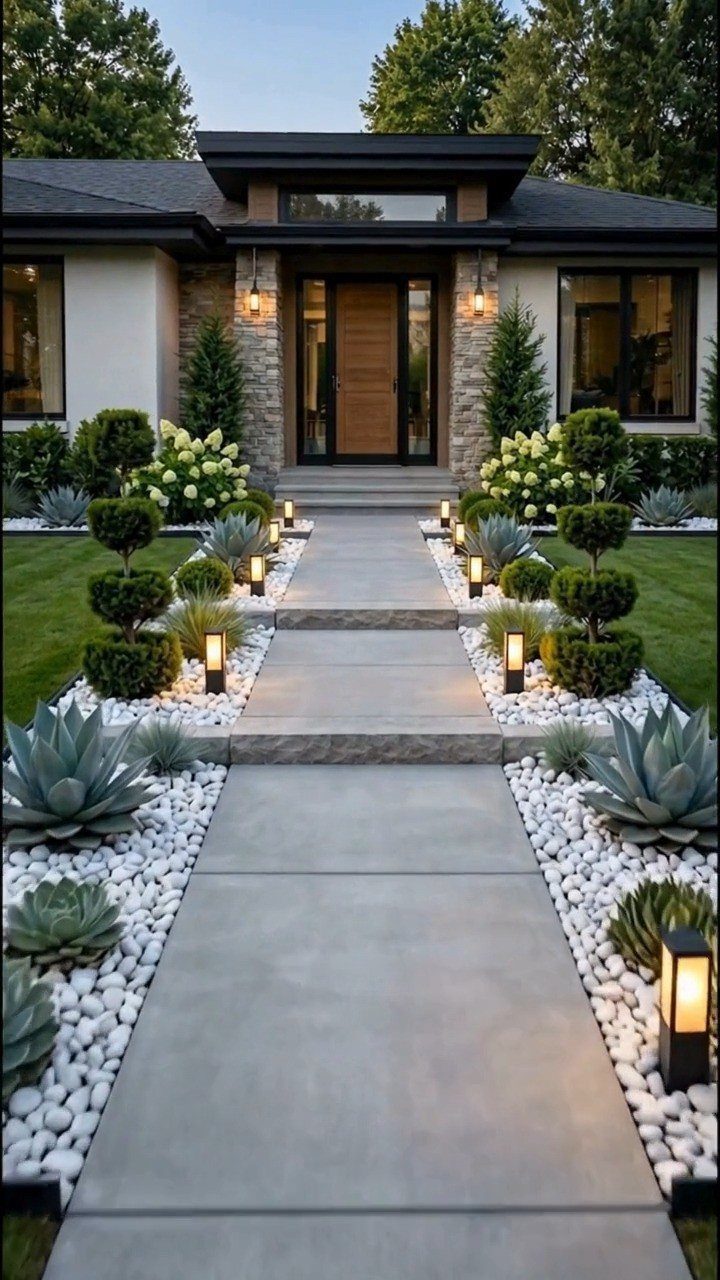
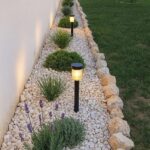
The gap between concrete and lawn is where weeds creep in and mowing gets fiddly. Filling it with stone instead of grass solves both, and the pale rock reflects light up into the plants at night.
I would use river rock, not pea gravel; the smaller stuff migrates into lawn and path.
A narrow strip stays neat without looking like a dry riverbed installation. Edging keeps it in place; steel strip set flush with the concrete is what I would use, not the raised plastic kind.
The agave wants sharp drainage, so the rock bed suits it. In zones colder than 8, I would swap in sedum or low ornamental grass that takes wet winters without rotting.
Importance of First Impressions
Buyers decide fast.
Studies on home sales put the first impression window at roughly 7 seconds, and the front door sits right in the middle of it. A fresh entry signals maintenance; a tired one raises questions about what else got skipped.
The return on exterior spending tends to beat interior work because the buyer sees it before they ever step inside.
Landscaping, paint, lighting, and hardware all factor into that snap judgment, yet none of it requires a full renovation. Most of the projects that move the number are weekend-scale jobs: mulch, a painted door, clean fixtures, visible house numbers.
The seller who waits until listing week to think about curb appeal is already behind. I would start the season before I planned to sell, so the plantings fill in and the paint cures without rush.
Budget-Friendly Updates
A pressure washer rental buys the look of years off siding and walks for less than a good dinner out.
Paint for a front door takes 2 quarts and a brush if the surface is sound; primer adds little only where bare wood shows.
House numbers, a mailbox refresh, and clean windows sit in the same sub-fifty zone the Family Handyman list tracks.
Landscaping at budget scale means working with what is there. Cut back overgrowth, edge the lawn line, and add mulch rather than ripping out mature plantings.
Annuals for color rotation cost more over time than one structural shrub, though a single flat of pansies in spring still rings up cheap at the garden center.
The projects that read as expensive, like a brick porch or new garage door, have cheaper proxies. I would spend the money where the eye lands first, and cheat everywhere else.
DIY Vs. Professional Help
I draw the line at anything that carries weight someone might fall against, or anything wired to the house.
Low-voltage lighting I do myself; 12-gauge cable and a transformer are straightforward. Anything at 120V means permits and trenching I would hire.
Paint, mulch, planters, and number mounting are squarely DIY. The pebble strip between walk and lawn is manual labor, not skill.
A garage door replacement, or a full brick stoop rebuild, I would get quoted; the door is heavy, the stoop needs compaction and drainage I cannot see from the surface.
Veneer over concrete goes wrong when the base is cracked and someone hopes thin brick will hide it; I would fix the slab first or skip the project.
The crack telegraphs through in a season. Fix the slab first, or pay someone to assess whether it is fixable at all.
Frequently Asked Questions
What to do to increase curb appeal?
Start with a pressure washer on siding and walks, then add dark mulch to beds and paint the front door a color bolder than you think you want; from the curb it reads half as saturated.
Fresh house numbers, clean fixtures, and 2 large planters flanking the door finish the job without touching permanent beds.
Can you upload a picture of your house and change the exterior for free?
Virtual design tools are not something I use; I prefer to plan with a tape measure and a sketch on graph paper. I stick to physical projects I can finish in a weekend on a real budget.
What can I put on the outside of my house?
Resin or fiberglass planters with evergreen anchors and seasonal spillers, a trellis in thin ironwork against masonry, low-voltage 2700K path lights, and updated house numbers drilled into mortar rather than brick.
Flush steel edging along a pebble strip keeps the line between walk and lawn crisp without the headache of trimming grass.
How can I redesign the exterior of my home?
Mix paint, landscaping, and targeted structural updates rather than a full renovation. A brick-veneered stoop, new garage door, or modern lighting changes how the house reads without gutting what is there.