
These 11 deck garden planter ideas run from a single resin pot you carry up the stairs yourself to built-in boxes that demand cutting into structure and waterproofing joists.
The deciding factor is how much of your deck you are willing to alter: renters and weekend projectors stay portable, while owners planning to stay put can build in permanence.
That weight question shows up everywhere; three or four drainage holes raised on pot feet, not one, is what keeps a large statement pot from becoming a puddle.
1. Container Gardens

Container gardens are the starting point most deck gardeners actually need: individual pots you can move, swap, or bring indoors when the weather turns.
Check the weight before you commit. Glazed ceramic gets heavy fast; resin or fiberglass gives you the same look with a fraction of the load to carry up the stairs.
I would set my largest pots where I do not have to lift them far, and keep the portable ones for seasonal color I know I will rotate.

Made with Recycled Materials: A blend of recycled plastic, stone powder, and wood dust, PSW Pots are eye-catching and long-lasting for mindful gardening.

MADE WITH RECYCLED MATERIALS: A blend of plastic, stone powder, and wood dust, this 16” planter is eye-catching and long-lasting for mindful gardening.
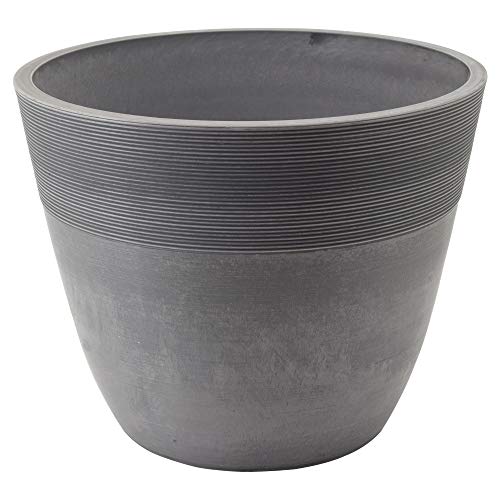
Made with Recycled Materials: A blend of recycled plastic, stone powder, and wood dust, PSW Pots are eye-catching and long-lasting for mindful gardening.
2. Railing Planters
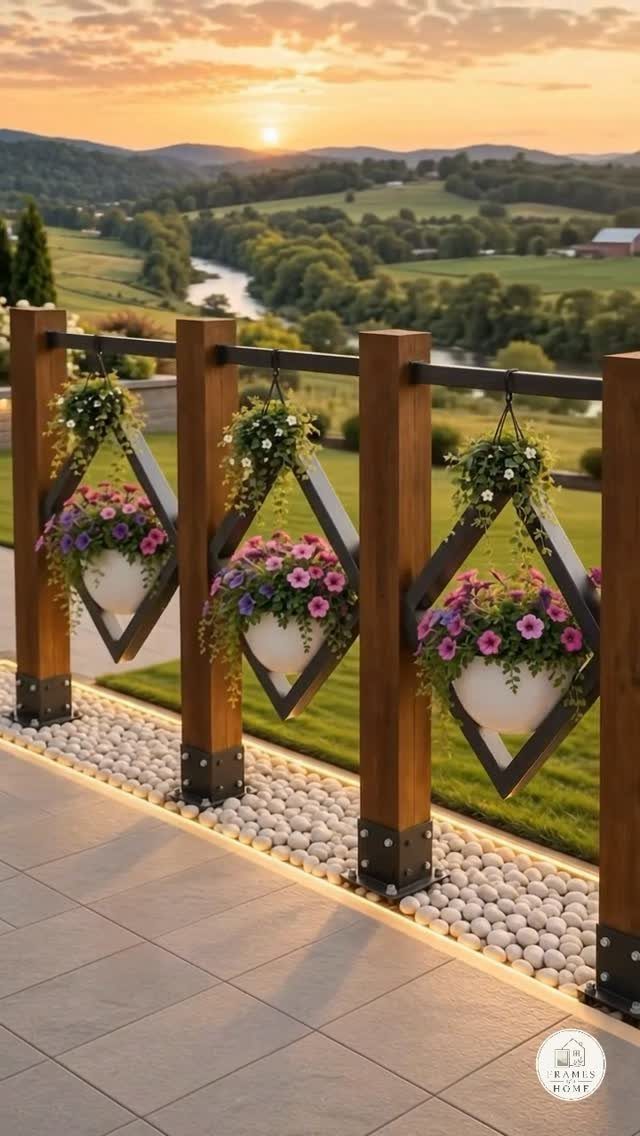
Railing planters claw back floor space on a deck that barely has it. Diamond frames hang the pot outside the rail entirely, so your walking surface stays clear and the view opens up below.
Before buying, measure your rail width and check whether the bracket or frame fits it; a universal claim usually means universal for 2×4 or 2×6 rails, not the custom profile some modern decks use.
Under-rail lighting is a separate project, but the wiring channel is easier to plan now than to add later. I would skip the lights unless I already had a transformer out there for something else.

【TALLER PlANT SAUCER】 With a 4.25 inch depth, these thick durable sturdy plastic plant saucers are the deepest on the market. The tray size of each Flower pot trays is 25" at the top and 22.5" from bottom.

HAND HAMMERED STAINLESS STEEL, ANTIQUE COPPER FINISH: The body is stainless steel, hammered by hand so the surface breaks the light rather than sitting flat, then given a hand applied antique copper finish under a clear coat. Not solid copper

MATERIAL: Made of the food grade PP resin, with security non-toxic, solid and corrosion resistant
3. Large Statement Pots
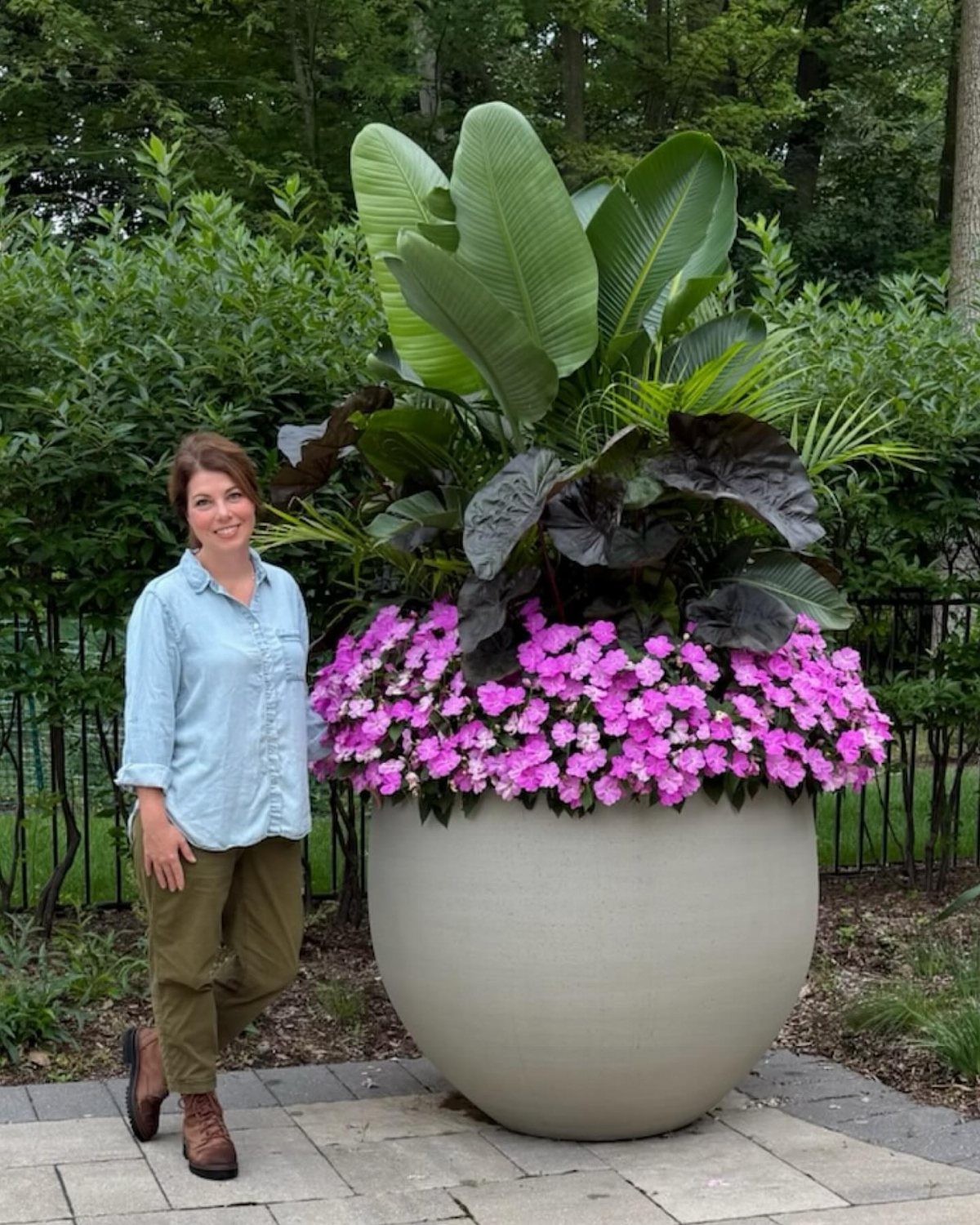
A pot taller than you are changes the whole proportion of a deck, turning a flat slab into a room with corners.
A spherical planter works because the plant spills over evenly; a narrow column pot would read as a tower, not a presence.
Drainage matters more as the size grows. One drainage hole in a pot that size is a puddle waiting to happen; I would want three or four, raised on pot feet so water actually exits.
The beige finish here is cast concrete or a good composite; real stone at that scale is a crane job, and most decks are not built for it.
I would go composite and spend the savings on the soil mix, not the container.
Choose a pot large enough to give roots room to grow and hold moisture — usually at least 12 inches wide for most flowers or veggies. Bigger pots dry out more slowly and are more forgiving for beginners.

Space-Saving Design with a Natural Matte Finish: Features a versatile design that maximizes your outdoor space while providing an attractive natural matte appearance

【Fits Various Railing Widths】This railing planter box works with railings up to 4.9 inches wide and features an adjustable width mechanism. Its compact, detachable support design allows easy disassembly, so you can seamlessly move it from outdoor to indoor use

Heavy Metal & Coconut Coir Fiber Liner: Crafted from robust carbon steel with a rust-resistant powder coating, large black hanging planter box is strong and corrosion-proof, natural coco fiber promotes healthy plant growth with good breathability and water retention, suitable for year-round planting
4. Tall Focal Plant, Medium Plants, and Trailing Plants
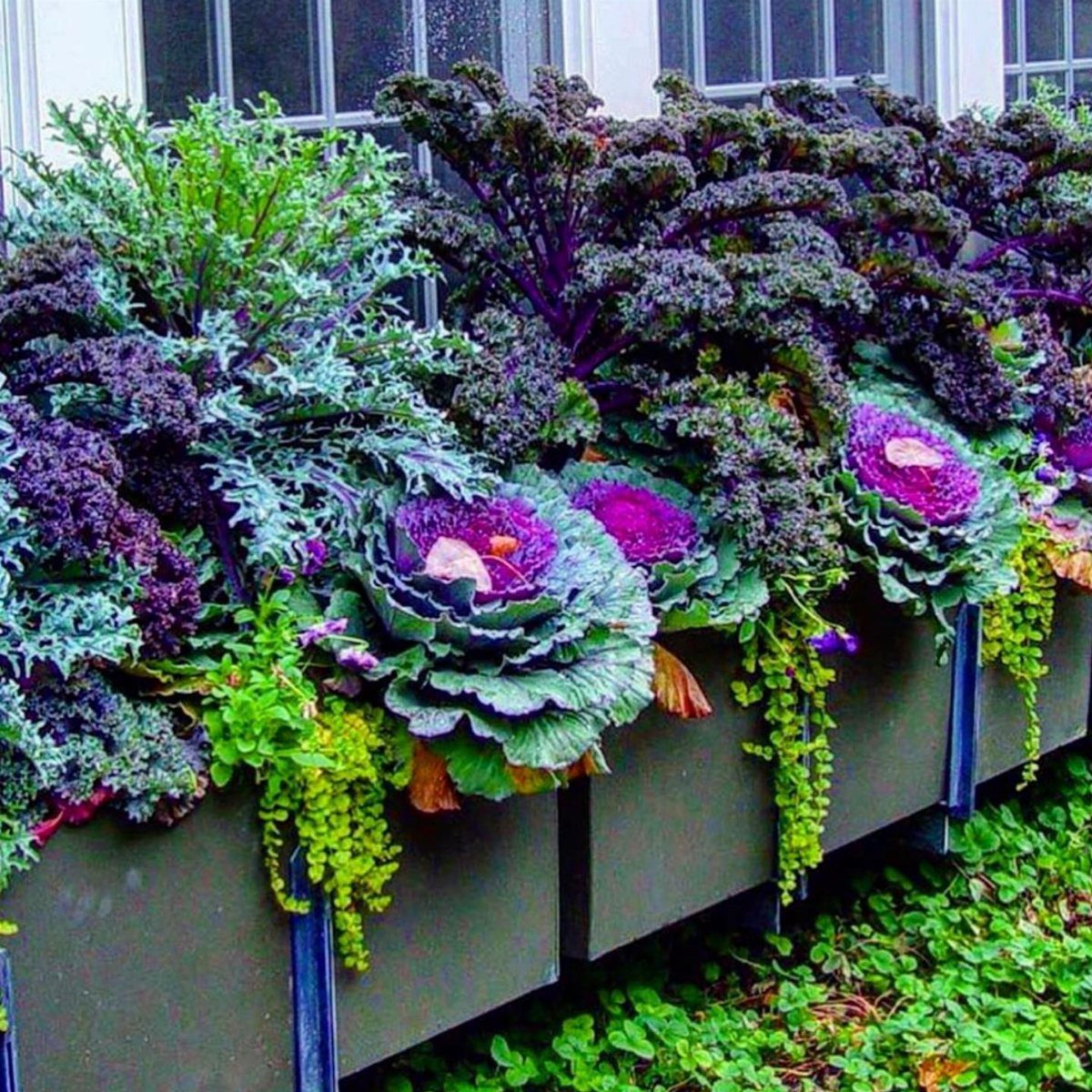
This is the rule of 3 heights, and it is the simplest way to make a planter look intentional: something tall in back or center, something mid-height to fill, something trailing to soften the edge.
Kale and cabbage give you the first two in one plant type, which keeps the palette controlled.
I would not overthink the exact species. The structure matters more than the names; any grass or upright salvia handles the tall job, any mounded coleus or basil fills the middle, any ivy or sweet potato vine trails.
The mistake I see most is 3 mounded plants all the same height, which reads as a green lump. Give one permission to reach up and one permission to fall down.

Stylish Design: Space-saving raised garden bed with lovely appearance, full of children's naiveness and fun, suitable for growing herbs and vegetables

MOBILE GARDEN ON WHEELS — Two all-terrain wheels and an ergonomic handle let you roll a 200+ lb planted bed wherever sunlight goes. Move your garden across patio, balcony, or backyard in minutes.

Size: 60×29×11 in, 68 gallons of soil required.
5. Multi-level Planters
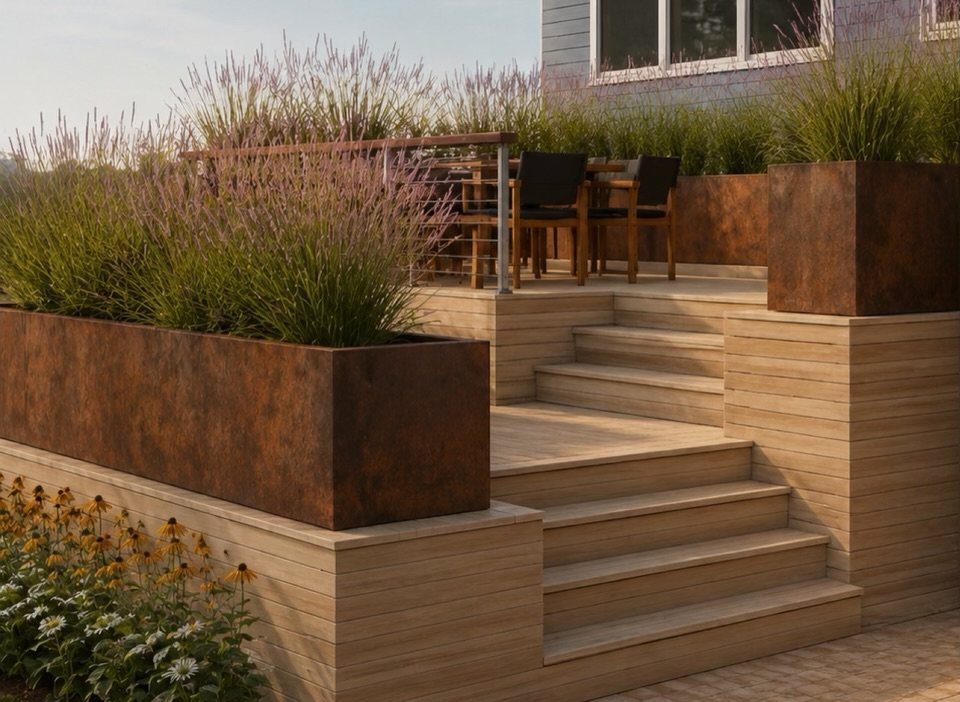
Tiered decks already break the flat plane; placing planters on each level carries that rhythm through rather than stopping it. Rusted metal rectangles repeat the same container on each tier, which unifies the levels more than mixing styles would.
The grasses are tall enough to read from the ground below, so the planter does not disappear. On a smaller tiered deck, I would drop to medium-height plants and add more of them, or the scale fights the step rise.
Weight is the hidden cost: metal troughs full of damp soil add up fast, and you will feel it when the structure settles or shifts. Check your deck load capacity before you line the edge with them.

4-Pack Deck Railing Planters: Includes 4 rectangular plastic planter boxes and 2 sets of double-sided adjustable brackets to double your planting space. Perfect for herbs, flowers, succulents, and small veggies, these railing planters create a stylish green corner without taking up valuable floor space

Multi-purpose application: The railing flower box is equipped with adjustable metal supports. It is suitable for displaying flowers, herbs and small fruits and vegetables on balconies, windowsills or railings. It can withstand long-term outdoor conditions and can be used all year round without worries.

4-Pack Deck Railing Planters: Includes 4 rectangular plastic planter boxes and 2 sets of double-sided adjustable brackets to double your planting space. Perfect for herbs, flowers, succulents, and small veggies, these railing planters create a stylish green corner without taking up valuable floor space
6. Built-in Planter Boxes
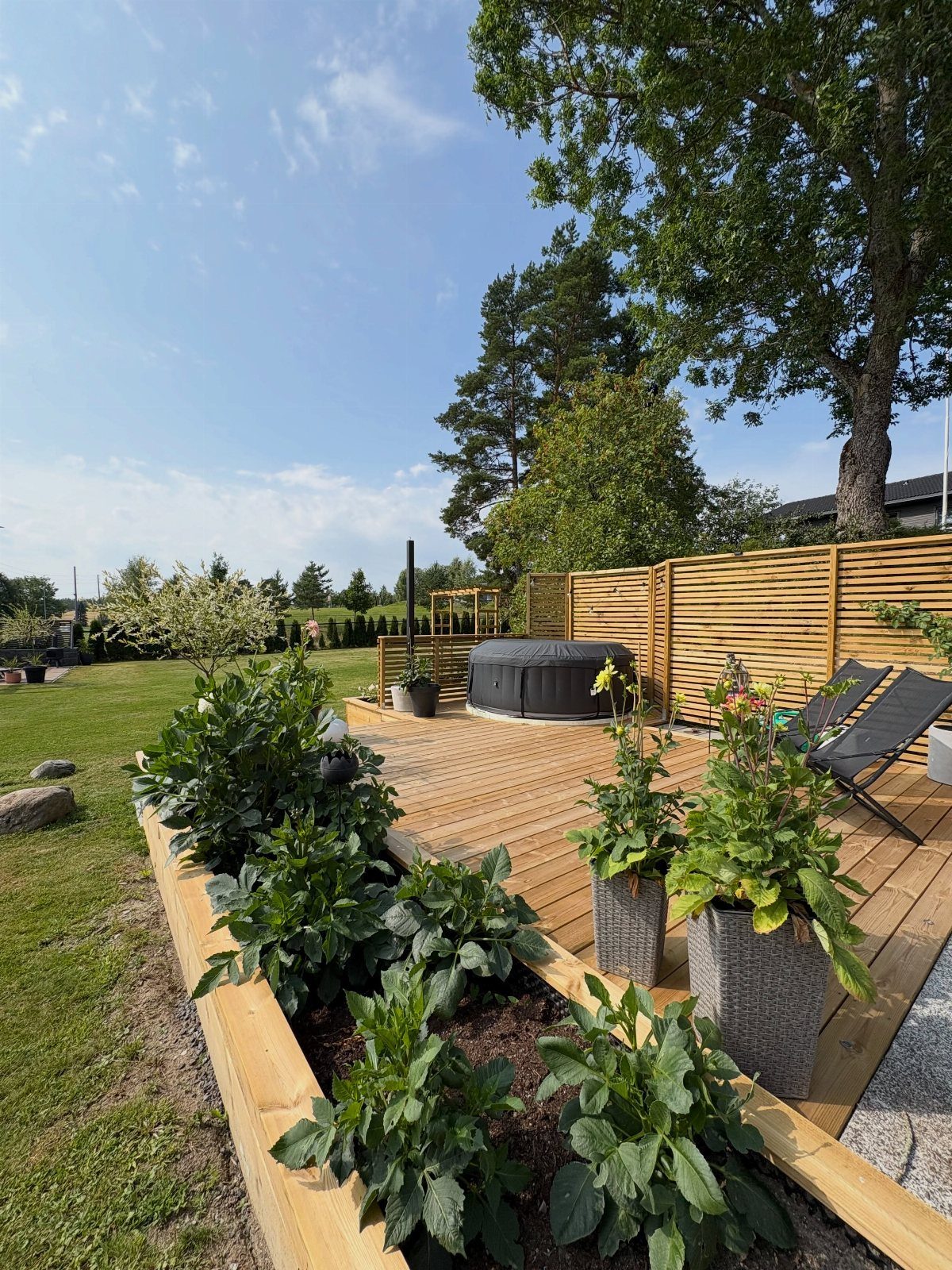
Built-in boxes turn the deck itself into the planter, which means no ledge to tip, no pot to blow over, and a cleaner sight line.
Rim-mounted boxes use the deck edge as their front wall, so the soil sits mostly below the walking surface.
This is a new-build or major-reno decision, not a weekend add-on.
You are cutting into structure, adding waterproofing, and planning for drainage that does not rot the joists below. I would want a sloped bottom and weep holes leading to a gutter, not just a few screws through the base.
If my deck was already built, I would fake the look with a false-front box on legs before I cut into something that has to stay dry.
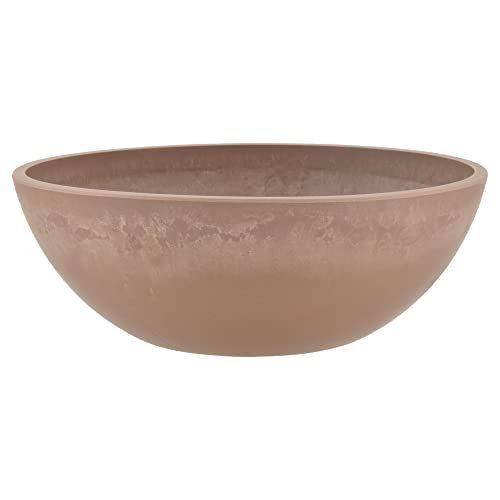
Made with Recycled Materials: A blend of recycled plastic, stone powder, and wood dust, PSW Pots are eye-catching and long-lasting for mindful gardening.
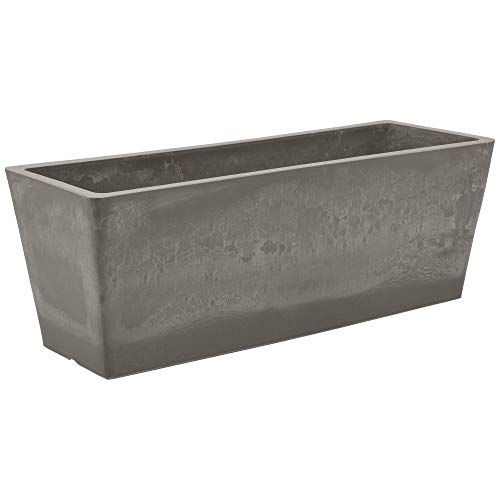
Made with Recycled Materials: A blend of recycled plastic, stone powder, and wood dust, PSW Pots are eye-catching and long-lasting for mindful gardening

MADE WITH RECYCLED MATERIALS: A blend of recycled plastic, stone powder, and wood dust, PSW Pots are eye-catching and long-lasting for mindful gardening.
7. Vertical Gardening
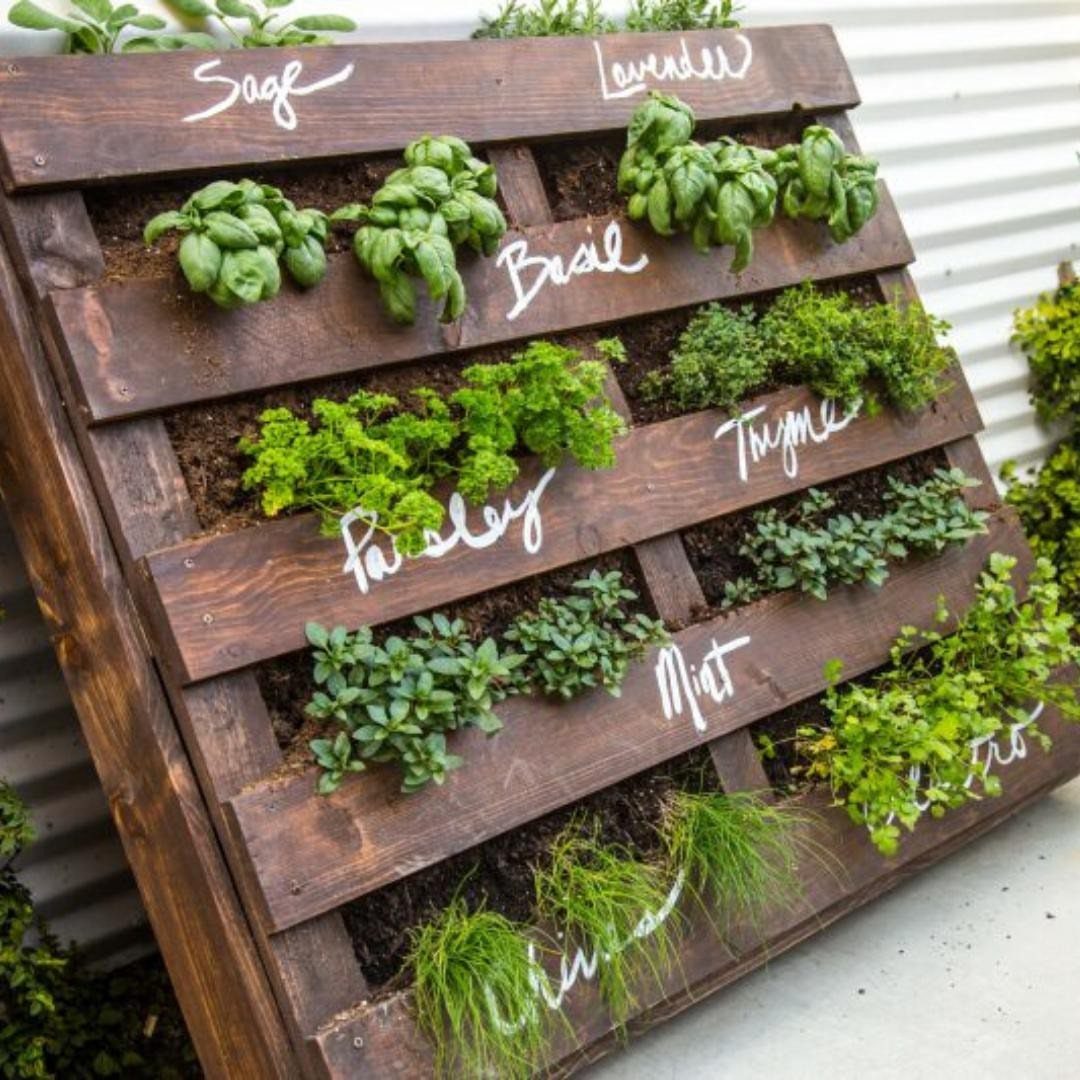
A pallet leaned against the wall buys you back the square footage your deck never had.
Check the wood treatment before you plant anything you intend to eat. Heat-treated pallets are stamped HT; chemically treated ones carry MB or DB and belong in the trash, not your kitchen.
I would line the back with landscape fabric to keep soil from washing through, and angle the pallet slightly so water drains rather than pools.
Chalk labels look nice but wash off in rain; paint or a wood-burned mark lasts longer.

PLANT TRAY VALUE - Plant drainage tray, 6 packs plant tray saucers rectangular, Plant Saucers for Indoors, outer diameter is 6.5 X 13 inch width and inner diameter is 5.0 X 11.5 inch width, 1.2'' Height, suitable for flower pot with bottom diameter less than 10 11 inches.

Variety of Sizes: Our plastic plant saucers come in a variety of sizes, including 6、8、10、11、12、13、14、15、16, and 17 inches, catering to everything from small pots to large plants. These versatile plant trays for pots make it easy to create your ideal plant setup.

Sturdy and Durable: Our plant saucer tray set, crafted from high-quality PP material, is designed to be thick and sturdy, ensuring it remains intact and not easily deformed over time
8. Trough Planter Privacy Screens

A row of tall troughs along the rail turns the deck edge into a soft wall.
Ornamental grasses give you privacy without the fortress look of a solid screen, and the purple flowers add color from the inside where you actually sit.
Spacing is the decision that matters.
Butted tight, the troughs read as a continuous hedge; a small gap between them keeps the view open and the air moving, which I would choose on a narrow deck where claustrophobia sets in fast.
These planters get heavy once watered; line them up where the joists underneath can take it, not where the span is longest.

THE ORIGINAL; Potrisers are the original invisible pot feet. Family owned and operated since 2008. Large size elevate pots 3/4 inch off the ground and measure 2" x 2" x 3/4” ht

LIFT & PROTECT YOUR PLANTS: Elevate flower pots, planters, and garden decor above patios, decks, and lawns. No more water rings, mildew stains, or soil buildup on your outdoor surfaces—elevation improves air circulation and drainage for healthier roots. These pot risers are essential for every planter and plant pot in your collection.

Color: Terra Cotta
9. Planters with Integrated Lighting

Uplighting from inside the planter itself means no stakes to trip over and no fixtures to mow around. The warm light here catches the grass blades from below, so the plant becomes the lantern.
Wiring has to start from a GFCI outlet, and the transformer needs weatherproof housing if it lives on the deck. I would run the cable inside the planter wall, not draped over the rim where foot traffic frays it.
Solar is an option if the deck gets direct sun, but the output is softer and the battery dies in a few years; low-voltage LED costs more up front and holds brightness for a decade.
10. Planter with Built-in Lower Shelf
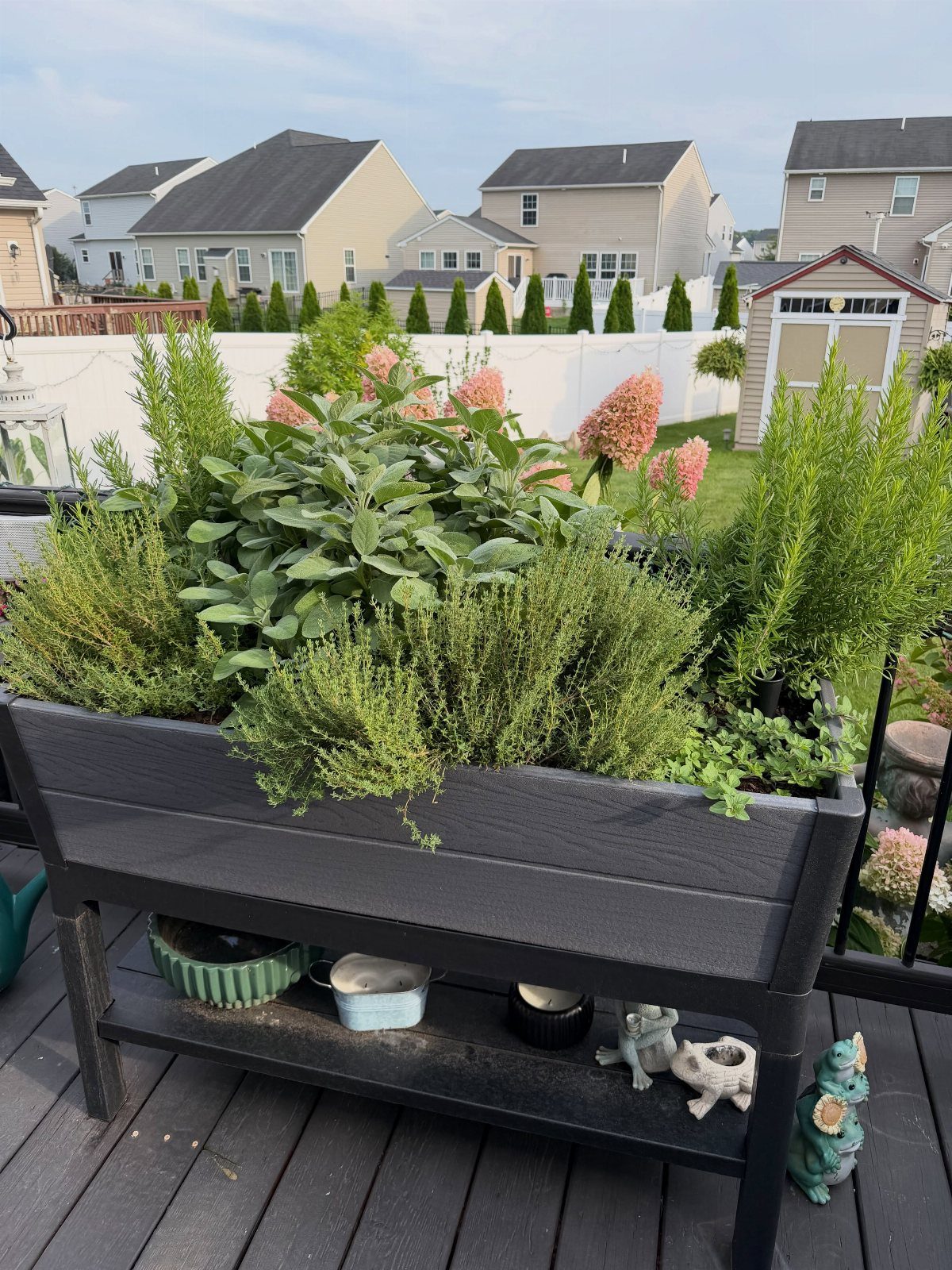
The shelf underneath a raised box is dead space made useful: small pots, hand tools, or the ceramic cat that does not survive frost.
Herbs on top stay at picking height, so you are not bending to ground level every time you want basil.
The gap between soil and shelf needs to breathe or the shelf rots. I would want enough clearance to slide a pot out without lifting, and pressure-treated legs or composite framing, not bare pine.
The box here sits on a deck, not grass, so drainage can stain the boards below; a saucer or gravel bed underneath catches what drips through.
11. Curved Balcony Trough Planter
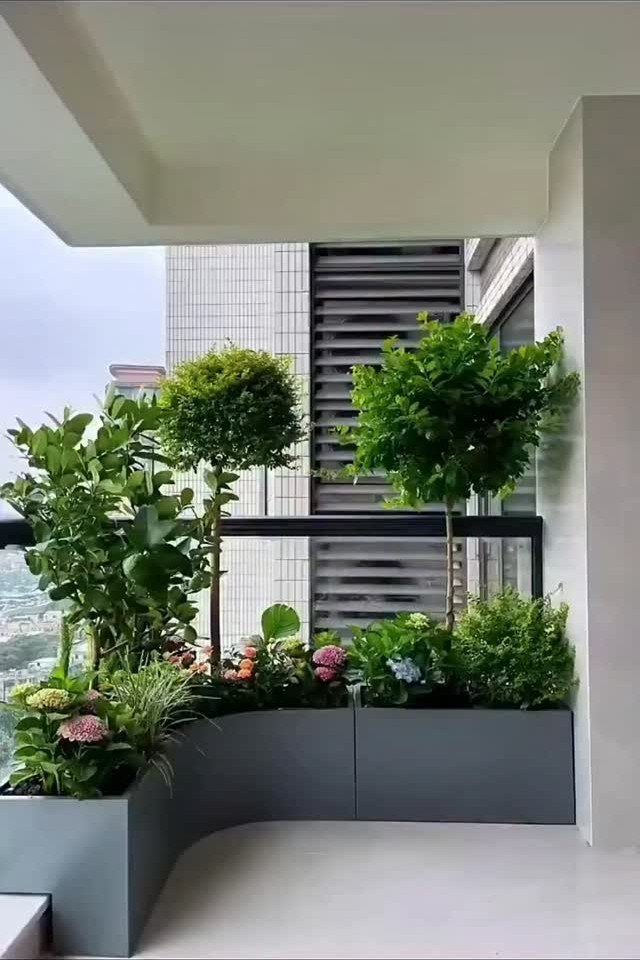
A curved box hugging the rail follows the balcony’s shape instead of fighting it. Small topiary trees and hydrangeas give you height and flower both, which matters when the view behind is glass and concrete rather than your own yard.
Wind is the enemy on a high floor. The curve helps; a straight box catches gusts like a sail, but the arc splits the force.
I would still anchor through the base to the structure below, not rely on weight alone. Drainage holes need to point inward or straight down, never outward where runoff hits the neighbor below; check your building rules before you drill.
Choosing the Right Plants
Light and water are the hard limits; everything else is preference.
A south-facing deck in Minnesota needs plants that handle summer heat and survive winter hardiness zone 4, which means checking the USDA zone on the tag, not just buying what looks good in May.
Soil depth matters more than pot style.
A built-in box with real soil depth holds moisture through a hot afternoon; a shallow bowl dries out by noon and cooks the roots. I would match the container to the plant’s root system, not the other way around.
Drainage prevents the rot that kills faster than drought. Every container needs an exit path for water; saucers underneath are for indoor floors, not deck boards that need to stay dry.
If your deck faces south or west and bakes all afternoon, shade lovers will fry no matter how often you water them.
Maintenance Tips for Container Gardens
I water early, aiming at the soil line, and keep going until I see it drain out below.
Once a day is standard; twice only when the heat is extreme and the pot is small enough to dry out between checks. Evening watering leaves foliage wet overnight and invites fungus.
Feed regularly.
Container soil has no reservoir of nutrients; what you add is what the plant gets. I would use a diluted liquid feed on a steady schedule rather than a single heavy dose that burns roots.
Deadheading is not cosmetic.
Removing spent flowers redirects the plant’s energy from seed production back into growth and new blooms. Pinch back overgrown stems before they make the planter look lanky; a sharp cut above a leaf node keeps the shape dense.
Overwintering perennials in pots is possible but risky.
The roots freeze harder above ground than below it. I would either sink the pot in garden soil for winter, move it to an unheated garage, or treat the plant as annual and start fresh in spring.
Frequently Asked Questions
How to make a garden planter from decking?
I frame built-in planters as part of the deck itself, skin them in the same decking boards, and cut them to fit the exact run between posts or railings.
Slope the base toward a hidden gutter and leave a real gap at the seams; a few screws drilled through the bottom rot out the boards and stain the joists underneath.
This only works during new construction or a major renovation; cutting into an existing deck risks rotting the joists below.
What are the easiest vegetables to grow on a deck?
Tomatoes, peppers, and herbs adapt well to containers and handle the limited root space of a deck pot.
They need the same sun and water as in-ground plants, but you skip the hose drag and the soil-dwelling pests. Start with a container deep enough for the root system; shallow bowls dry out by noon and cook the roots.
What are some good potted plants for decks?
Pick for your climate zone and your deck’s sun exposure, not just what looks good in May.
Tall grasses or salvia give you vertical structure, mounded coleus or basil fill the mid layer, and ivy or sweet potato vine spill over the edge to break the line.
Three rounded plants at identical height sit like a green blob; you need one tall, one full, one trailing to read as a planted container.
What are some tips for container gardening on a deck?
I water at the soil line first thing in the morning and stop when I see it run from the bottom; wet leaves overnight are an open door to mildew.
Feed with diluted liquid on a steady schedule, since container soil has no nutrient reservoir of its own. Shallow soil bakes roots and deep soil stays soggy, so I size the pot to the plant.
I skip saucers on wood decks; standing water rots boards in 2 seasons. On concrete or stone, a saucer or gravel bed underneath catches what drips through and I clean it out after heavy rain.