
The 9 deck color ideas below run from a weekend of brushwork with exterior-grade acrylic latex to a full sanding cycle under a urethane topcoat, so the deciding factor is how much sun your deck takes and how often you want to be back out there maintaining it.
1. Two-Tone Decks
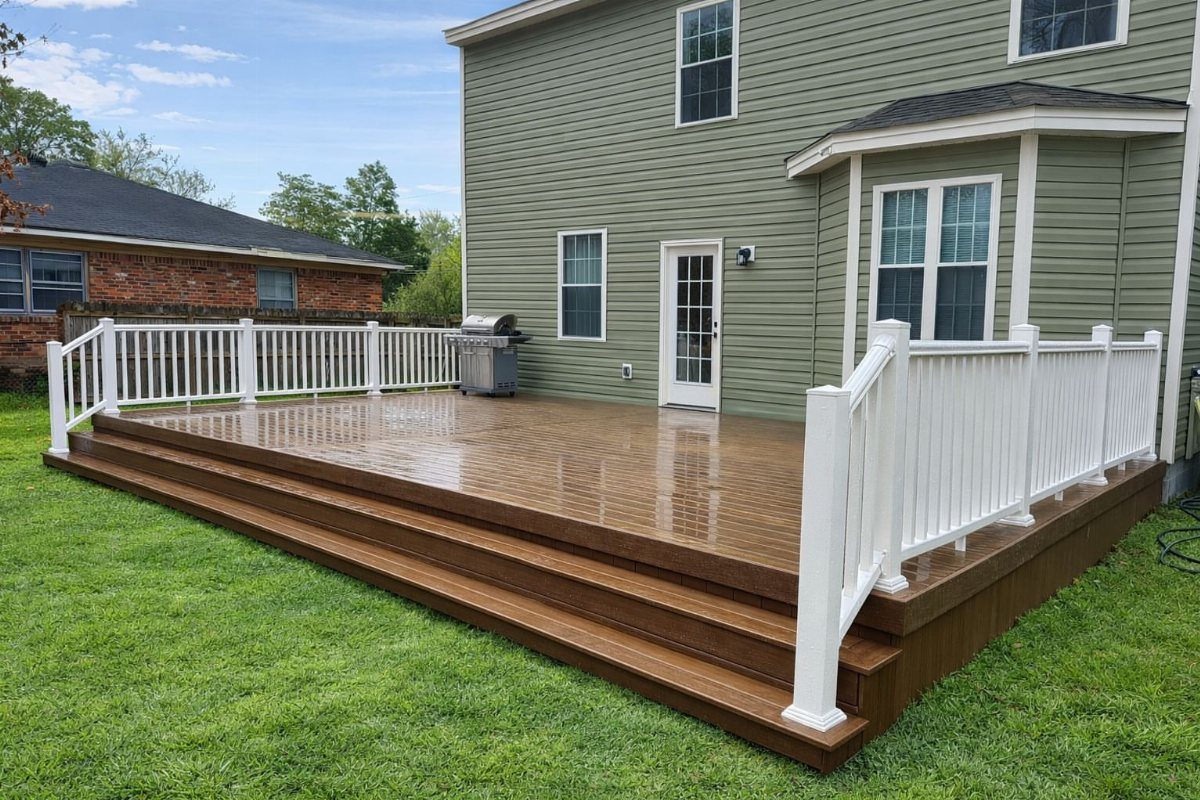
A two-tone deck pairs one color for the boards with another for railings or trim, the way this house uses warm brown planks against clean white railings.
The contrast draws the eye to the structure itself rather than letting it fade into the yard.
I would check the existing trim color on my house first; matching the railings to window frames or fascia boards saves the decision and ties everything together.
If the house is neutral, white railings stay safe, but a darker tone on the floor hides footprints and grill grease better than pale boards would.
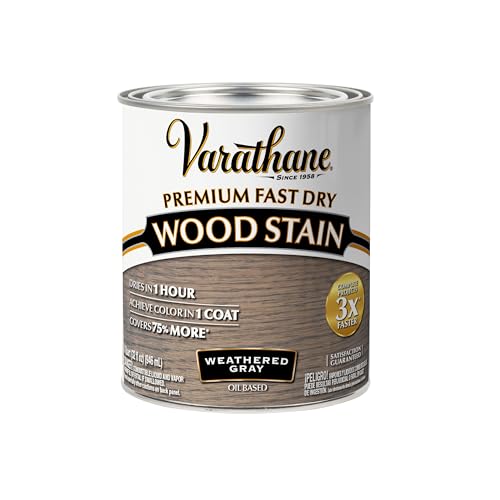
Ideal for use on all interior wood projects: furniture, cabinets, doors, trim and paneling
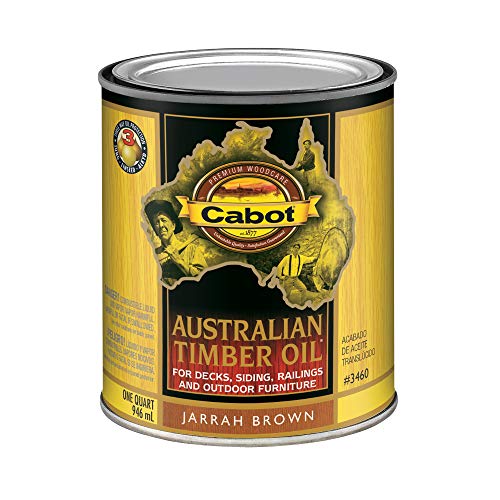
WOOD PROTECTOR – Cabot Australian Timber Oil Wood Stain provides 3-way oil protection for superior penetration. The unique blend of oils is an advanced-technology treatment designed to protect wood surfaces from extreme weather exposure like never before.

RICH EVEN COLOR – Minwax Wood Finish is a deep penetrating, oil-based wood stain that provides beautiful color and enhances the natural wood grain in one coat. It’s perfect for interior staining projects such as wood furniture, cabinets, doors and more.
2. Weathered Look

A weathered finish reads as years of sun and rain even when the wood is new, giving a porch the relaxed feel of a place that has always been there.
A grayed, silvery surface sits against a crisp white house like something that settled in naturally over time.
This look asks for softwood, usually pine or cedar, and a penetrating oil stain labeled "weathered" or "driftwood" rather than paint that sits on top.
The stain needs reapplication on a schedule that depends on your climate; full afternoon sun shortens the interval. I would skip it on a deck that sees heavy traffic; the worn character turns into plain worn underfoot.

CONVENIENT SIZE - This Apple Barrel Acrylic Paint comes in a versatile 8 oz size that is great for basecoating, stenciling, and so much more

ELEVATE OUTDOOR STRUCTURES: Refresh barns, fences, sheds, and exterior surfaces with durable paint that delivers long-lasting color and protection.

3. Black Deck Paint
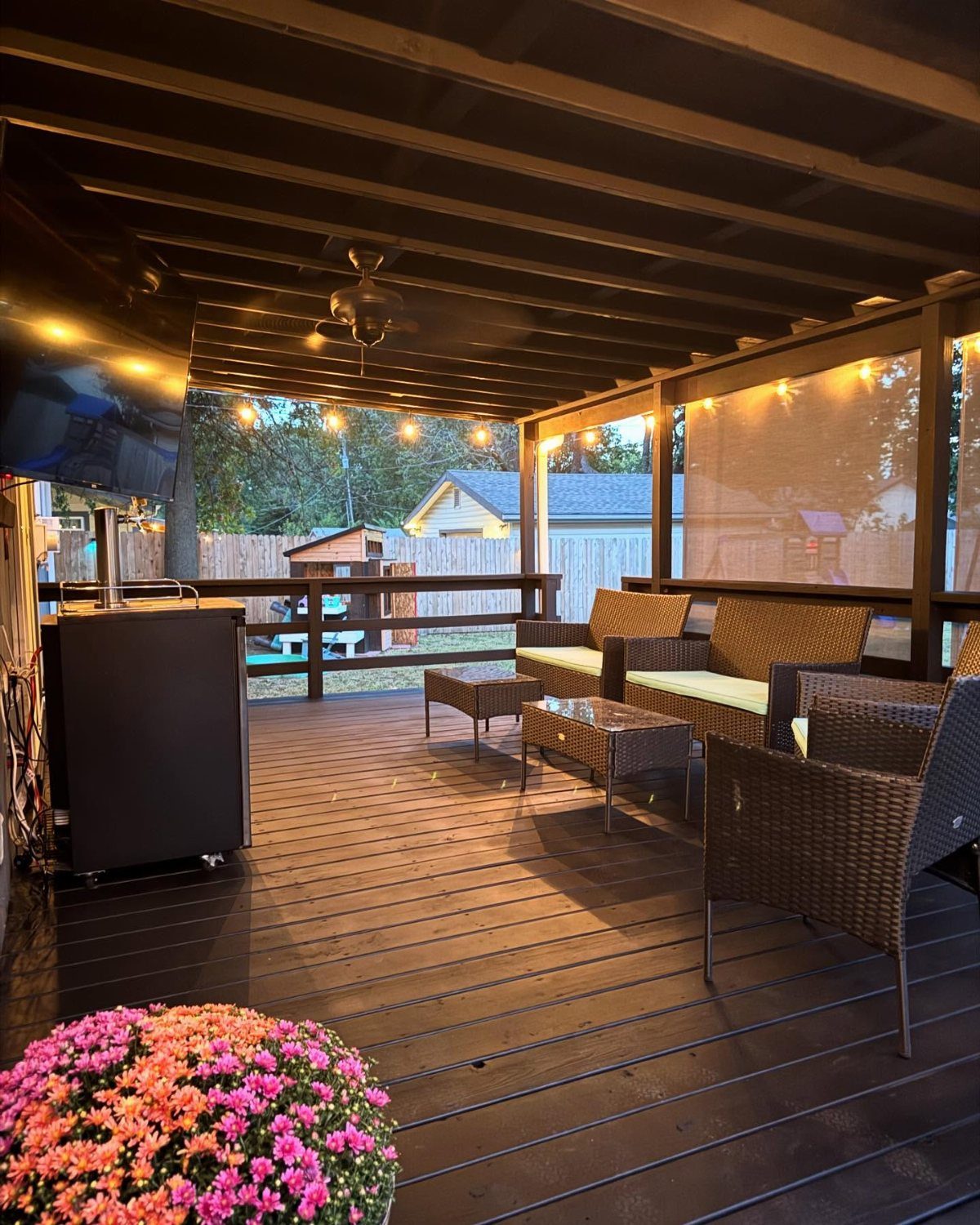
Black paint on a deck is a strong move, the kind that turns a basic backyard structure into something that reads designed.
Black boards recede so the furniture and string lights step forward; the space feels like an outdoor room rather than a platform.
Heat is the problem.
Dark colors absorb it, and a black deck in full sun can hit temperatures that hurt bare feet and stress the wood underneath. I would use this only on a covered deck, partial shade, or a climate with mild summers.
Solid deck paint, not thin stain, gives the true flat black; expect to repaint on a schedule that depends on wear and UV exposure.

ENAMEL FLOOR PAINT: Provide your floors with an extremely durable and long-lasting finish using California Paint ALLFLOR Porch, Patio and Floor Enamel Paint.

Brush Specs: Comes with 1x 7’’ large block stain brush with long handle and 1x 3'' small wood paint brush. The long deck paint brush is for larger surface expansive painting, and the small paint brush is for narrow places premise painting.

HIGH GRADE NYLON BRISTLES: Genixart 7in thick block paint brush is made of premium soft curved nylon bristles, which can get in all areas for an evenly paint distribution. The wavy synthetic filaments allow a capacity of holding paints, work efficiently and smoothly with precise control while doing painting jobs. No hair loss, resulting in a high-quality finish on walls and other surfaces. The bristle is easy to clean and maintain its shape after washing, get ready for next use
4. Anthracite Gray Decking
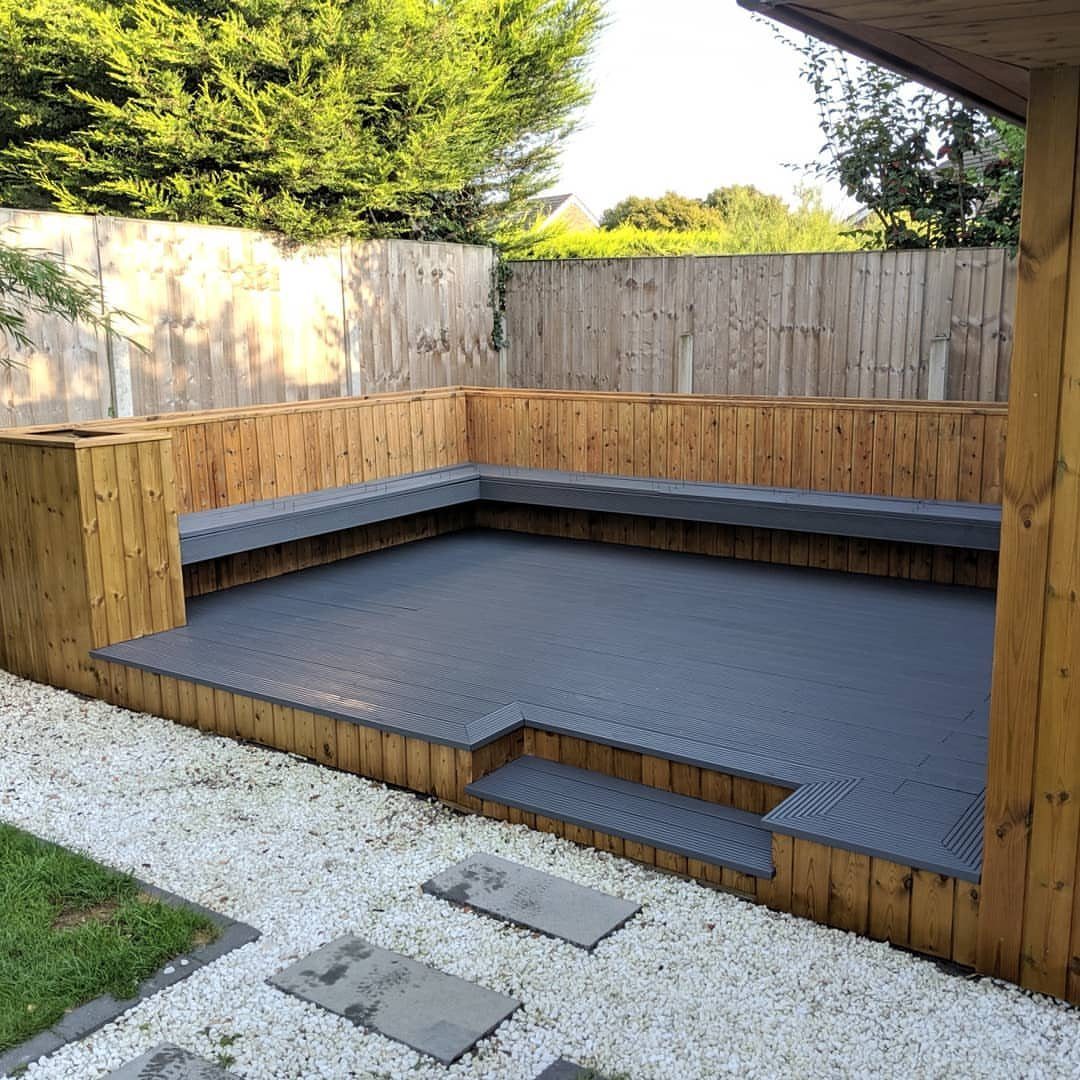
Anthracite gray sits right between black and charcoal, dark enough to feel modern but soft enough to read as neutral in garden light.
On a raised platform with built-in seating, the color wraps both horizontal decking and vertical bench backs into one quiet mass.
The gray plays well against pale gravel, green planting, or natural wood accents, so I would plan the surrounding materials before I committed.
With anthracite window frames already in place, this would be my first choice; the repetition pulls the garden into the architecture without trying hard.

ENAMEL FLOOR PAINT: Provide your floors with an extremely durable and long-lasting finish using California Paint ALLFLOR Porch, Patio and Floor Enamel Paint.

HIGH-TRAFFIC DURABILITY: Engineered to withstand heavy foot traffic, daily use, and repeated cleaning. This heavy-duty formula is ideal for porches, patios, basements, steps, and walkways where long-term wear resistance is required.

𝐂𝐎𝐌𝐏𝐋𝐄𝐓𝐄 𝐓𝐎𝐎𝐋 𝐒𝐄𝐓:Save time with our wood paint kit, including all the necessary tools for your painting needs
5. Bright Colors on Railings

Rainbow stripes on railings, floor, and ceiling turn a porch into something between a beach hut and a party space.
The photo goes all in, but the idea works scaled down to a single bright color on railings against neutral boards.
I would test my color on a short railing section first; what reads cheerful in morning light can turn garish at noon or under a porch bulb. Exterior-grade acrylic latex holds the color and flexes with the wood.
The real cost here is not the paint, it is the prep: every horizontal rail means edges and corners, so I would budget a full weekend and a small brush for the details.

Ready to use, pre-mixed door and trim paint offers a fresh new look on interior or exterior metal, wood and fiberglass

【Strong Adhesion】 This deck paint features excellent adhesion to most wooden surfaces without primer coating. It forms a solid protective layer tightly bonded with wood, which greatly simplifies your outdoor wood renovation steps for decks, porches and patio furniture.

10X STRONGER THAN TRADITIONAL DECK PAINT - Stop repainting your deck every year. Liquid Rubber Polyurethane Deck Coating isn't ordinary deck paint or stain. This waterproof deck coating builds into a hard, flexible polyurethane membrane that bonds to properly prepared wood, concrete, and metal surfaces to help resist peeling, cracking, moisture, UV exposure, and everyday wear. Built to last for years, not seasons
6. Natural Wood Look

Interlocking deck tiles in warm brown tones give a rooftop or patio the texture of real wood without the structure of a built deck.
Laid in a parquet pattern, the grain runs alternating directions so the surface catches light differently across the day.
These tiles sit on plastic feet that raise them for drainage, which makes them friendly to concrete slabs or flat roofs where permanent construction is not an option.
I would check that the wood is hardwood, teak or acacia, or a treated softwood rated for ground contact; cheap versions warp in a single season.
The planters and white pebbles in the photo are easy additions, but I would lay the tile field first and live with it before I committed to placement.
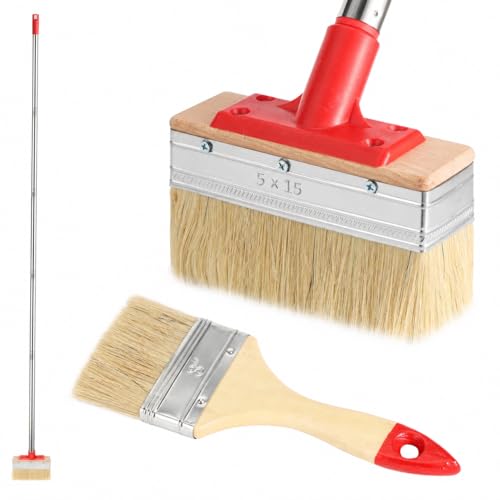
Bates deck stain brush set includes a 6-inch wide deck stain applicator, a 77-inch extension pole, and a 3-inch paint brush for versatile painting and staining tasks.

This kit comes with a 7" deck stain brush and a 3" small wood paint brush. The 7" large brush is designed for quick, large-area painting, while the small paint brush is ideal for precisely painting narrow corners, edges, and railing crevices.

Skip Sanding And Priming: transform your home with this no sand no prime cabinet paint that requires no stripping, sealing, or top coat for a complete finish
7. Tan or Beige Decking

Tan or beige decking reads lighter than the natural wood it imitates, bright enough to lift a shaded yard without the maintenance of pale paint. The color sits between black railings and dark hardware comfortably, neither competing nor disappearing.
Composite boards in this tone hide pollen and dust better than gray or white, though leaf tannins still leave marks that need prompt washing.
A darker band at the fascia keeps the platform from looking like a single flat slab; I would check that edge color against the siding before ordering.
Black metal railings, not wood, finish the look with less upkeep and a crisper line against pale boards.
Some decking woods can take years to gray, so if you want the same gentle colorway to complement a planting scheme, painting the deck is a speedy shortcut to the same look.

REVITALIZE YOUR TEAK - STAR BRITE Premium Teak Cleaner effortlessly restores the original charm of weathered and gray teak furniture or boat decks without the need for sanding or pressure cleaning

Water-based wood stain creates rich, even color in 1 coat on most surfaces

PRE-STAIN TREATMENT FOR ALL WOOD – Ensure wood projects look great with Minwax Pre-Stain Wood Conditioner. Use prior to applying oil-based wood stains to help prevent streaks and blotches. It works by evening out the absorption of oil-based wood stain.
8. Warm Reddish-Brown Deck Stain
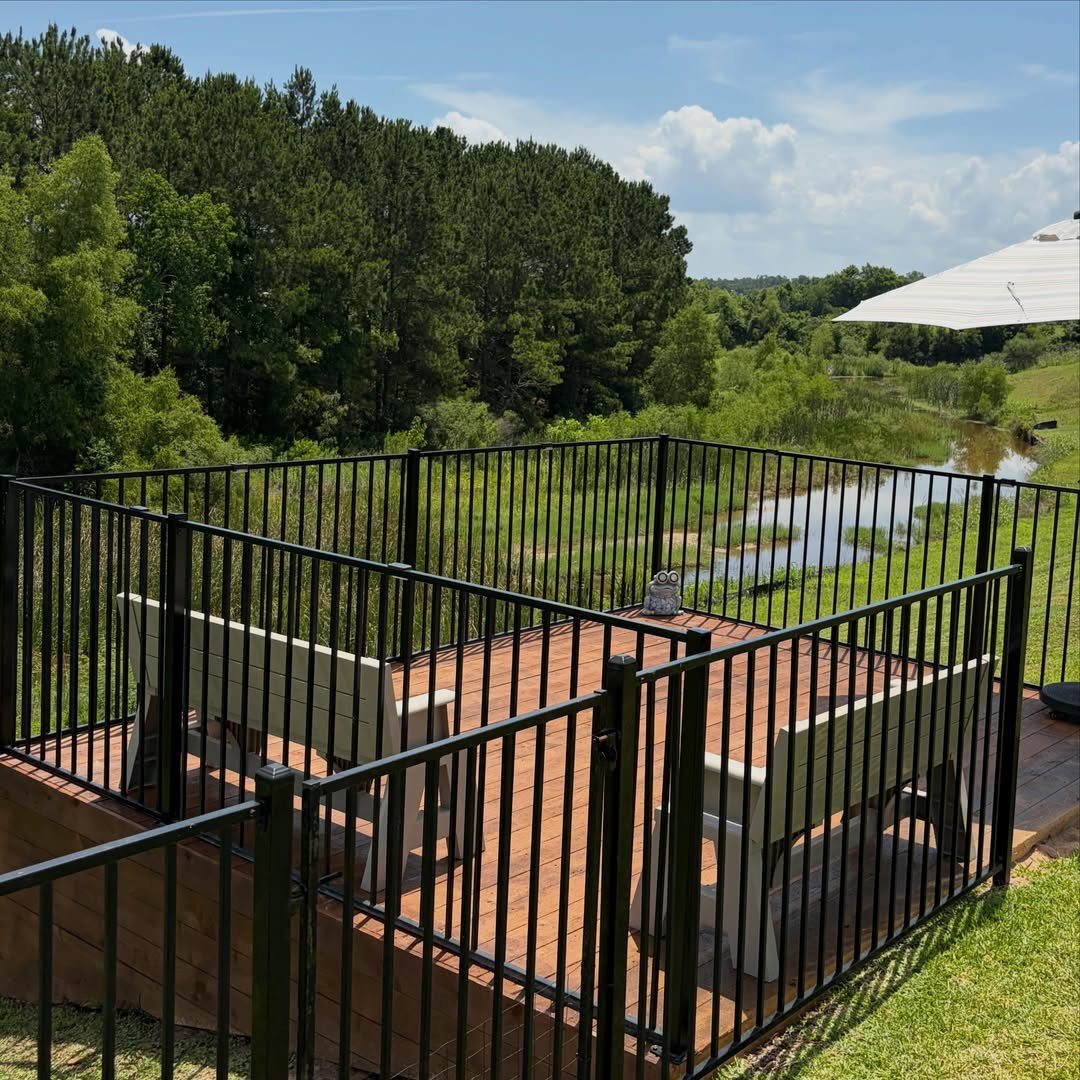
A warm reddish-brown stain carries the tone of cedar or redwood without the price of either, giving a deck the presence of something built from heavier timber.
Against black railings and green surroundings, the color holds its own across the seasons rather than washing out to gray.
Penetrating oil stain, not solid paint, lets the grain show and avoids the film that peels in high-traffic spots.
2 benches built in mean more surface to maintain, so I would budget stain for the full volume on a shorter cycle in a sunny climate.
The pond view suggests a damp setting; mildew-resistant additives in the stain matter more there than in dry yards.

STUNNING NIGHT THEME - Deal the next hand in style with a one-of-kind card deck. A subtle black matte finish background paired with our beautiful mix of high gloss accents the sleek black-on-black finish and rainbow bursts

Made in United States

BLACK & WHITE COLORS PALETTE: This set contains a selection of colors for painting black and white elements. Different base colors, highlights and shadows are included in this set to achieve different nuances when painting these two colors. Designed by Ángel Giráldez, it includes a detailed step-by-step painting guide
9. Glossy Amber Finish

A glossy amber finish reflects light the way wet wood does after rain, catching movement from nearby trees and turning the deck surface into something that changes all day.
The shine reads as deliberate, not accidental; it suits a deck that serves as a showpiece rather than a work surface.
The gloss comes from a varnish or urethane topcoat over stain, not from stain alone, and that layer adds steps and upkeep.
I would reserve this for a covered or partially shaded deck; full sun chalks the surface and demands sanding back to bare wood more often than a satin or matte finish would.
Amber needs a warm anchor nearby, like brick or terracotta; against cool gray siding without that echo, the color can turn orange.

Ideal for use on fiberglass, wood or metal surfaces above the waterline

NON-SKID DECK PAINT: Durable, textured, low-glare high-traction surface for secure footing, with a comfortable rubberized texture that's less abrasive than traditional silica additives

【STAIN & SEAL】- DWIL Outdoor Wood Stain combines staining and sealing in one product. It penetrates deeply into the wood to nourish and protect it from the inside, while adding beautiful bleached gray color. At the same time, it forms a protective seal on the surface to increase durability and help resist everyday wear and tear.
Maintenance Considerations
Mid-tone shades hit a useful middle ground for maintenance, hiding everyday wear better than pale boards or very dark ones.
Grease from the grill, foot traffic, and leaves overhead all attack the finish fastest where the color sits at either extreme, very light or very dark.
I would look for exterior-grade paint or stain marketed as easy-to-clean, since the color itself only does half the work.
Dust settles visibly on black and anthracite; pollen and leaf tannins mark beige and white. No color eliminates cleaning entirely, but the right shade stretches the interval between scrubs.

Safe-T-Deck is an acrylic granulated deck coating designed to preserve, protect & renew decks, patios, walkways, ramps & more. Suitable for use on properly prepared exterior wood, and concrete/masonry surfaces.
10X STRONGER THAN TRADITIONAL DECK PAINT - Stop repainting your deck every year. Liquid Rubber Polyurethane Deck Coating isn't ordinary deck paint or stain. This waterproof deck coating builds into a hard, flexible polyurethane membrane that bonds to properly prepared wood, concrete, and metal surfaces to help resist peeling, cracking, moisture, UV exposure, and everyday wear. Built to last for years, not seasons

ENAMEL FLOOR PAINT: Provide your floors with an extremely durable and long-lasting finish using California Paint ALLFLOR Porch, Patio and Floor Enamel Paint.
Testing Color Samples
Paint a square of sample board and move it around the deck at different hours.
Morning shade reads differently than afternoon sun, and porch light after dark shifts warm colors cooler. I would leave each sample in place for a full day before deciding.
The surrounding materials matter as much as the light.
A color that balances against green planting can turn flat against bare siding or gravel, so I would set the sample near the actual railings and house trim I intend to match or contrast.
What reads balanced on a small swatch can overwhelm at scale, or the reverse. A weekend of looking beats a year of wishing I had.
Frequently Asked Questions
What’s a good color to paint a deck?
Mid-tone shades hit the sweet spot for most decks, hiding everyday wear better than very pale or very dark boards. Grease, foot traffic, and leaf debris all show fastest at the extremes.
I would look at the existing trim on the house first and choose something that ties to it, whether that means matching railings to window frames or picking a floor color that contrasts cleanly.
What are some good color combinations for deck railings?
White railings against warm brown boards is the classic pairing, clean and bright without fighting the yard. Black railings give a stronger frame and hide marks better, especially against tan or beige decking.
I would match the railing to an existing house color, window frames or fascia, rather than treating it as a separate decision. Testing a short section first matters; what reads crisp at 9 a.m. can turn heavy by afternoon.
Should house and deck be the same color?
They do not need to match exactly, and often should not. I would let the deck complement the house instead, picking up a trim color for railings or choosing a floor tone that sits well against siding without copying it.
A mostly green yard might pull me toward natural browns or muted tones, while a deck that connects directly to the house can echo the front door or window frame color for cohesion without sameness.